
Tesla’s sedan and crossover models have become a fixture of the electric vehicle (EV) market since the company’s Model S debuted in 2012. Its extensive charging network—these cars’ “fueling” stations—is widely considered the best of all the different companies offering EV charging.

How long it takes to charge a Tesla vehicle depends on a number of factors. This article details what those factors are and explains what a Tesla owner can expect when it comes to EV charging.
To determine how long it would take to charge a Tesla, it’s important to first understand the fundamentals behind Tesla’s batteries and how they charge.
Even if the car says its battery is at full capacity, it’s not entirely available to use. That’s because they have what’s called gross and net capacity; the former is how much charge the battery can theoretically hold, while the latter refers to the amount that can actually be used, which is per every manufacturer’s own specifications. This is because allowing for 100 percent usage often causes increased battery degradation, which gradually cuts down on the amount of charge it can hold over time.
A common rule of thumb to reduce degradation over the life of the vehicle is to not allow the battery to dip below a 20 percent charge and not charge up past 80 percent.
How much energy a battery can store and use depends on its size, which is measured in Kilowatt-hours (kWh). Simply put, this is how well the battery delivers a set power output, measured in kilowatts, over the course of an hour. These battery outputs also vary by the amount of space allowed—the higher the kWh rating, the larger the battery. A compact EV may possess a 40-kWh battery, whereas a larger SUV may possess a 90-kWh unit.
Knowing a car’s charging rate is key to understanding how long it takes to power up a Tesla. This rate is measured in Kilowatts (kW), and there are three levels:
It’s pretty easy for someone to calculate their EV’s charging time. It involves knowing these variables: Volts x Amperes = Watts. These figures can be found on the charger’s displayed specs.
For example: a 120-volt basic plug that’s drawing 16 amps works out to 1,920 watts, or 1.9 kW.
Then follow this formula: The amount of charge needed (in kWh), divided by the charger’s rate (in kW), which then leads to the time it takes to get there.
For example, if a Tesla with an 80-kWh battery is at 50 percent, it needs 40 kWh to reach 100 percent. If a Level 2 charger is humming along at 20 kW, it’ll take two hours to get there.
However, charging doesn’t always happen at the same maximum rate. To minimize battery degradation, the car’s onboard charging system may reduce the rate.
A Tesla, like every other EV on the road, propels itself far differently than an internal combustion engine-equipped car. It takes a bit more education and research to properly own and maintain a Tesla, but with a little know-how about its battery, battery capacity, and charging principles, ownership can be easy to get used to. As technology progresses and charging times decrease while battery capacities increase, Tesla and overall EV ownership will become even easier.


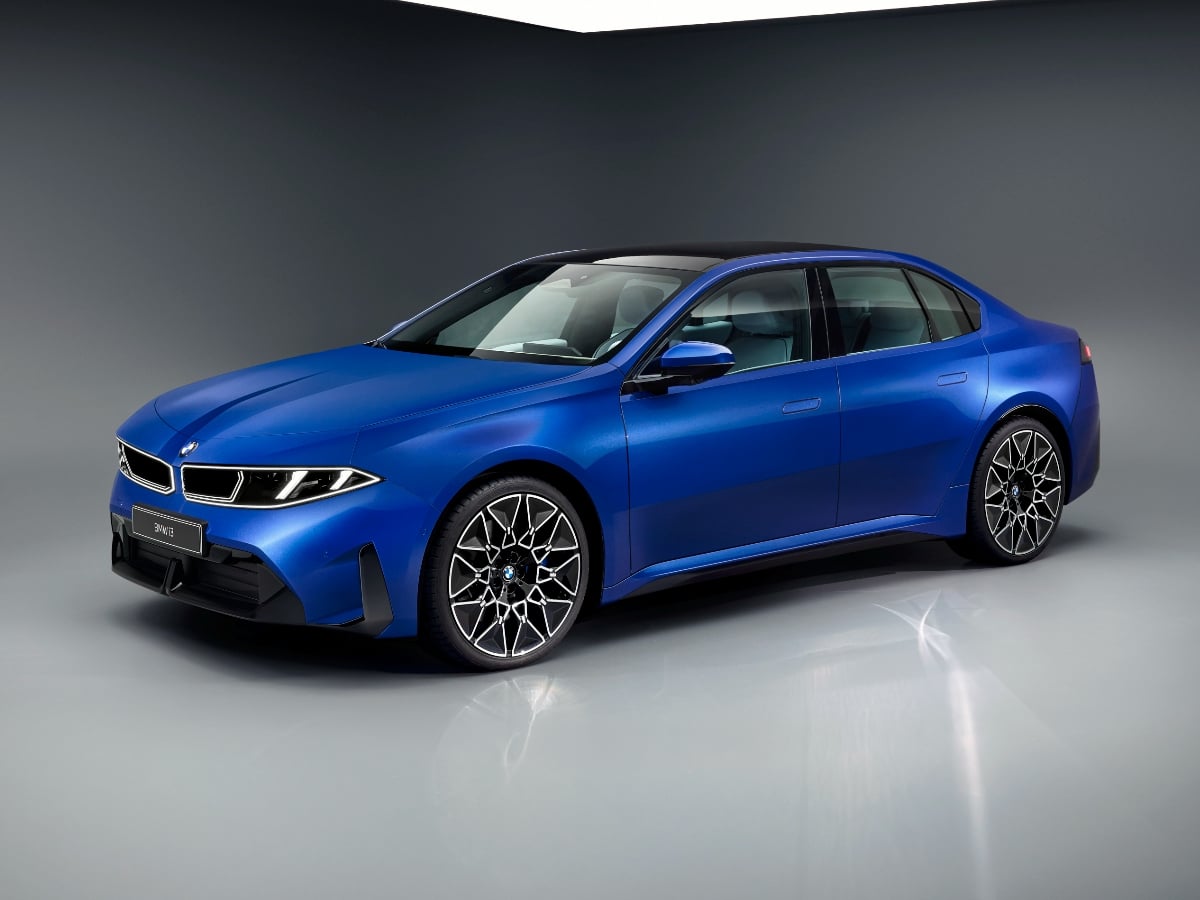
The new 2027 BMW i3 boasts an estimated range of up to 440 miles, 400-kilowatt DC fast charging capability, bidirectional charging to a home or the grid, and next-generation technology.
Read the Full Article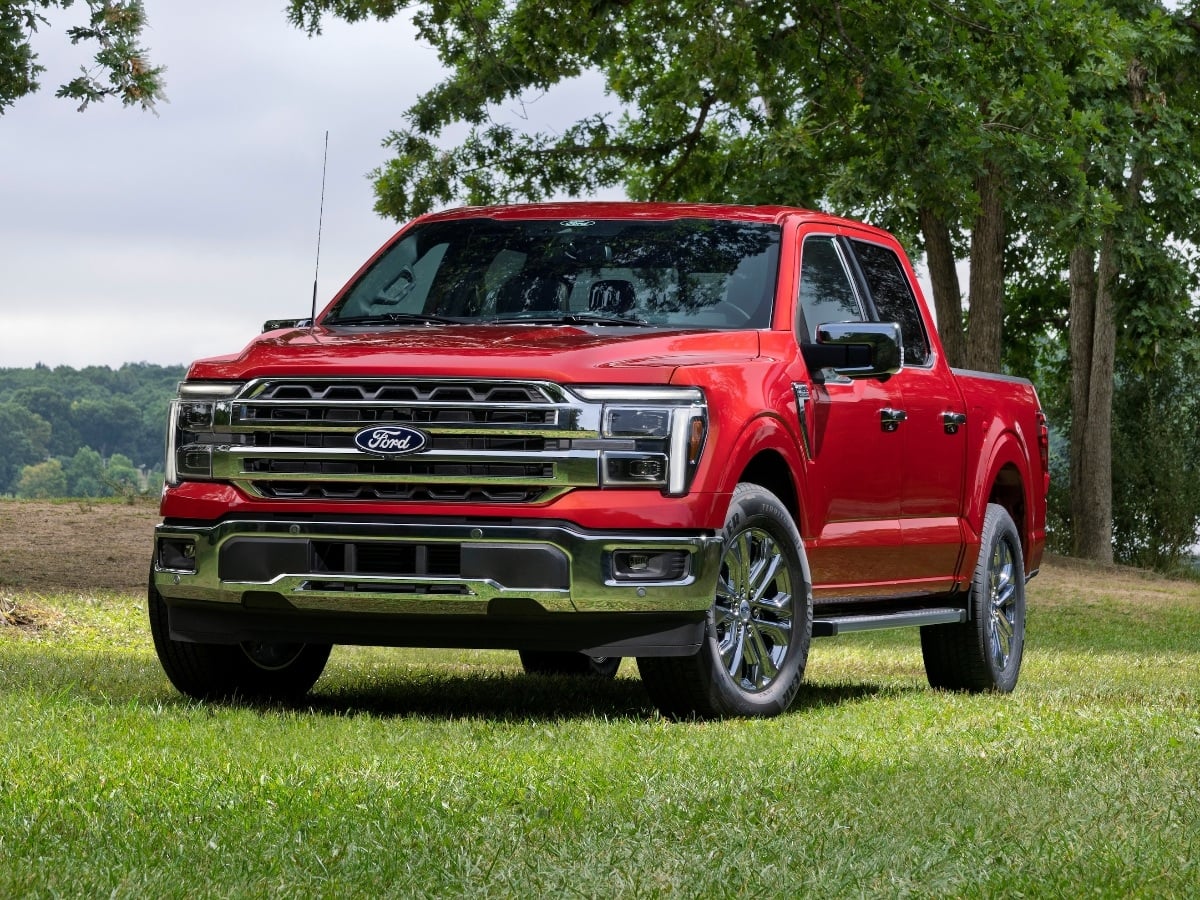
Facing renewed competition in the full-size, light duty pickup truck segment, the 2027 Ford F-150 receives subtle styling updates, a new standard engine, broader availability of its 5.0-liter V8, and ...See More
Read the Full Article
The 2027 Civic Type R goes on sale in October 2026, and it starts at $49,990, including the $1,295 destination charge.
Read the Full Article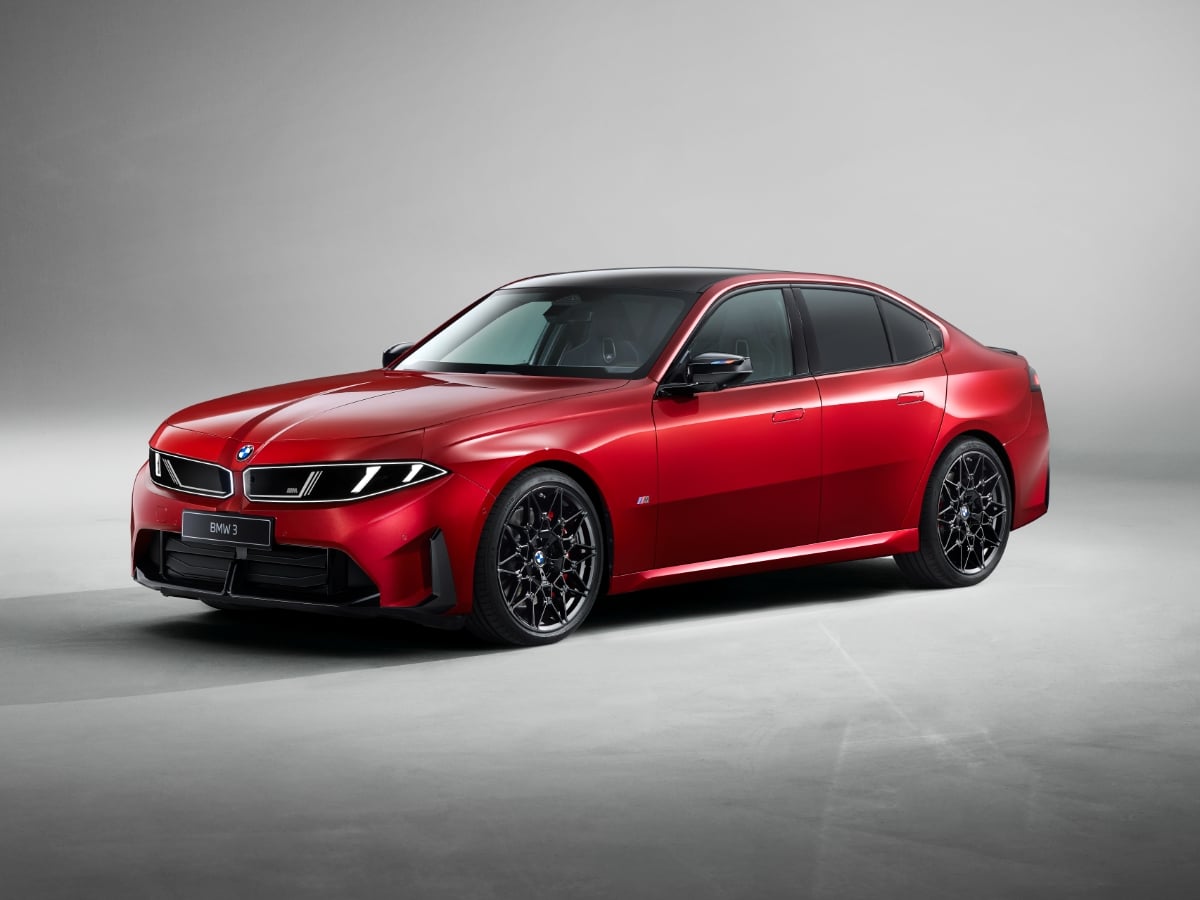
Part of BMW’s Neue Klasse (new class) rollout of redesigned models, the 2027 BMW 3 Series is all-new and goes on sale in the first quarter of 2027.
Read the Full Article