
Not every driver knows how often they need to change spark plugs in their car. The frequency is determined by many factors, such as the material from which the center electrode is made, the operating conditions, the fuel’s purity, etc. Even car maintenance servicemen sometimes find it difficult to tell when the element needs replacement. Learn more about the types and characteristics of spark plugs, as well as how to identify their malfunction in a timely manner and adequately perform the replacement.
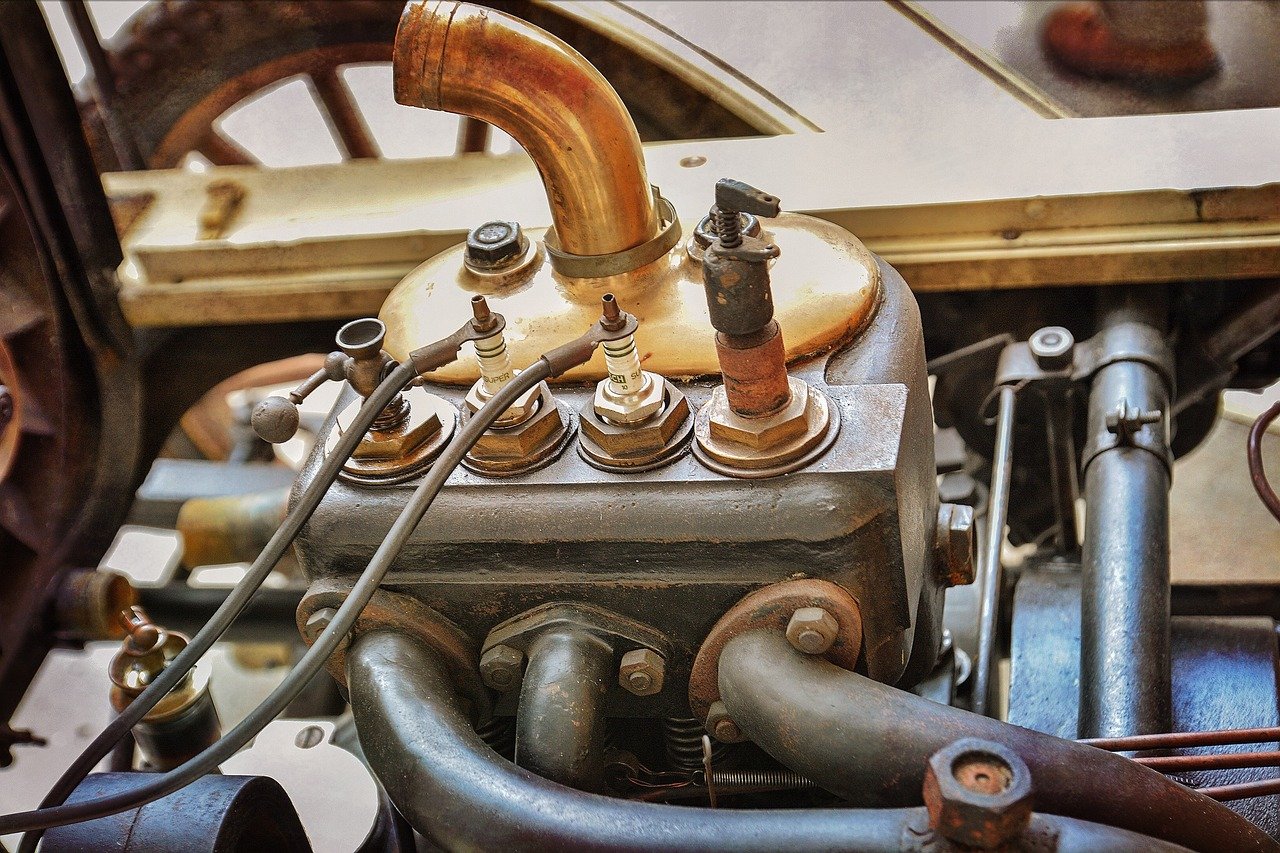
Spark plugs are the essential parts of the internal combustion engine and are used in all ignition systems, including contact, non-contact, and electronic. They ignite the fuel-air mixture, which keeps the engine running. The main structural elements of automotive spark plugs are the insulator, the center electrode, and the contact rod, the connecting element between the plug and the high-voltage wire or the engine’s ignition coil.
The spark plug works as follows: while the engine is running, an electric discharge of several thousand volts is generated between its side and center electrodes, which ignites the fuel-air mixture. As a result, the car engine starts to function.
There are three types of spark plugs:
The service life of a spark plug depends on many characteristics, but especially on the material, the car engine condition, and operating conditions (climate, fuel quality, and so on). On average, the life of classic spark plugs is not more than 30,000 miles, and that of platinum and iridium is not more than 55,000 miles.
The following are signs of malfunction that indicate the need to replace the spark plug:
The engine-related problems above can signal many other problems, but the spark plugs should be checked first.
As noted, the exact interval depends on many factors, the main ones being the following:
Not everyone understands why it is necessary to change the spark plugs. Meanwhile, mistakes in determining the service intervals are fraught not only with inefficient engine operation but also with damage that can lead to the need for complex, expensive repairs. The average interval is from 20,000 to 40,000 miles. On a serviceable car with good quality fuel, the iridium ignition elements can last for about 75,000 miles, and the standard nickel ones for about 30,000 miles.



The new 2027 BMW i3 boasts an estimated range of up to 440 miles, 400-kilowatt DC fast charging capability, bidirectional charging to a home or the grid, and next-generation technology.
Read the Full Article
Facing renewed competition in the full-size, light duty pickup truck segment, the 2027 Ford F-150 receives subtle styling updates, a new standard engine, broader availability of its 5.0-liter V8, and ...See More
Read the Full Article
The 2027 Civic Type R goes on sale in October 2026, and it starts at $49,990, including the $1,295 destination charge.
Read the Full Article
Part of BMW’s Neue Klasse (new class) rollout of redesigned models, the 2027 BMW 3 Series is all-new and goes on sale in the first quarter of 2027.
Read the Full Article