
Lamborghinis are among the world's fastest cars. Few companies can match Lamborghini's commitment to speed.
Are you curious about how fast a Lamborghini can go? Well, this article will look at the popular Lamborghini vehicles and their top speeds.

The Veneno is known as the fastest Lamborghini since it broke all existing Lamborghini speed records
The vehicle’s V12 6.5-liter engine produces 740 HP at 8,400 rpm and 509 lb-ft (690 Nm) of torque at 5,500 rpm.
It accelerates from 0 to 62 mph (100 km/h) in 2.8 seconds and from 0 to 124 mph in 8 seconds. The vehicle has a top speed of 221 miles per hour (356 kilometers per hour) with a distance of 30 meters.
The Lamborghini Aventador SVJ features a 6.5-liter n/a V-12 engine with 770 horsepower. With 720 Newton meters (531 pound-feet) of torque, it can sprint from 0 to 100 km/h (62 mph) in 2.8 seconds.
The Aventador SVJ's top speed is 350 km/h (217.5 mph) and it can accelerate from 0 to 200 km/h in 8.6 seconds and from 300 km/h to 0 in 24 seconds flat.
Due to a supercapacitor-based hybrid powertrain that combines the power of the V-12 engine with the power of electricity, the Sian is the most powerful Lamborghini ever made.
The Lamborghini Sian has 819 horsepower. It features more than 720 Newton meters (53 pound-feet) of torque.
The Lamborghini Sian accelerates from 0 to 100 km/h (62 mph) in 2.8 seconds and has a maximum speed of more than 350 km/h (217.5 mph).
As Lamborghini's entry-level supercar, the Huracan took the place of the highly successful Gallardo.
Its 5.2-liter V-10 engine generates 600 Newton meters (442 pound-feet) of torque and 640 horsepower.
These figures result in a sprint time of just 2.9 seconds from 0 to 100 km/h (62 mph) on level asphalt, and a peak speed of more than 325 km/h (202 mph).
The Huracan can accelerate from 0 to 200 km/h (124 mph) in 8.9 seconds.
The Lamborghini Urus is powered by a 4.0-liter twin-turbocharged V-8 engine producing 650 horsepower and 850 Newton-meters (627 pound-feet) of torque.
It also has a four-wheel drive system, which uses active torque vectoring to spin each wheel as efficiently as possible, and a four-wheel steering system that compensates for the butch-y size and weight.
The Urus can accelerate from 0 to 100 km/h (62 mph) in 3.6 seconds and reach a maximum of 305 km/h (189.5 mph).
Only 20 coupes and 20 roadsters of the Centenario, each costing €1.75 million before taxes, were produced by Lamborghini.
770 horsepower was added to the V-12 engine. The engine's speed limiter was moved from 8,350 rpm to 8,600 rpm and torque was not revealed.
With a top speed of more than 350 km/h, the vehicle's 0-100 km/h (62 mph) distance is completed in 2.8 seconds (217.5 mph).
The Centenario can also accelerate to 300 km/h (186.4 mph) in 23.5 seconds from a standstill. At that pace, it only takes 290 meters (951.4 feet) to come to a complete stop.
The Lamborghini Diablo can accelerate from a complete standstill to 100 km/h (62 mph) in 4.5 seconds with a top speed of 325 km/h (202 mph).
The Diablo GT, which weighs just 1,460 kilos, is equipped with a 6.0-liter V-12 engine that produces 575 horsepower and 640 Newton meters (465 pound-feet) of torque (3,219 pounds).
The Lamborghini Miura was produced between 1969 and 1972.
The Miura SV version featured 385 horsepower from a 4.0-liter V-12. Its engine produced 400 Newton meters (295 pound-feet) of torque.
The Lamborghini Miura can accelerate from 0 to km/h (62 mph) in 6.9 seconds and achieve a maximum speed of 276 km/h (171 mph). It has a power-to-weight ratio of 297 hp/ton.
The Lamborghini Gallardo was introduced in 2003 and sold over 14,000 vehicles up to the company's decision to cease production in 2013.
The model has a 5.2-liter V-10 engine that produces 540 Newton meters (398 pound-feet) of torque at 6,500 rpm and 570 horsepower at 8,000 rpm.
The Gallardo Superleggera can accelerate from 0 to 100 km/h (62 mph) in 3.4 seconds and achieve a maximum speed of 325 km/h (202 mph). It takes 10.6 seconds to reach 200 km/h (124 mph).
Lamborghini has a wide range of vehicles, all of which are extremely fast. Although these vehicles are fast, none of them outperform the Lamborghini Veneno.
The Veneno has a top speed of 221 miles per hour and can accelerate from 0-60 in 2.9 seconds, making it the fastest Lamborghini car in the world.


A new electric sedan wearing three-pointed stars is coming soon, arriving as the 2027 Mercedes-Benz C-Class Electric with a C 400 4Matic Electric designation.
Read the Full Article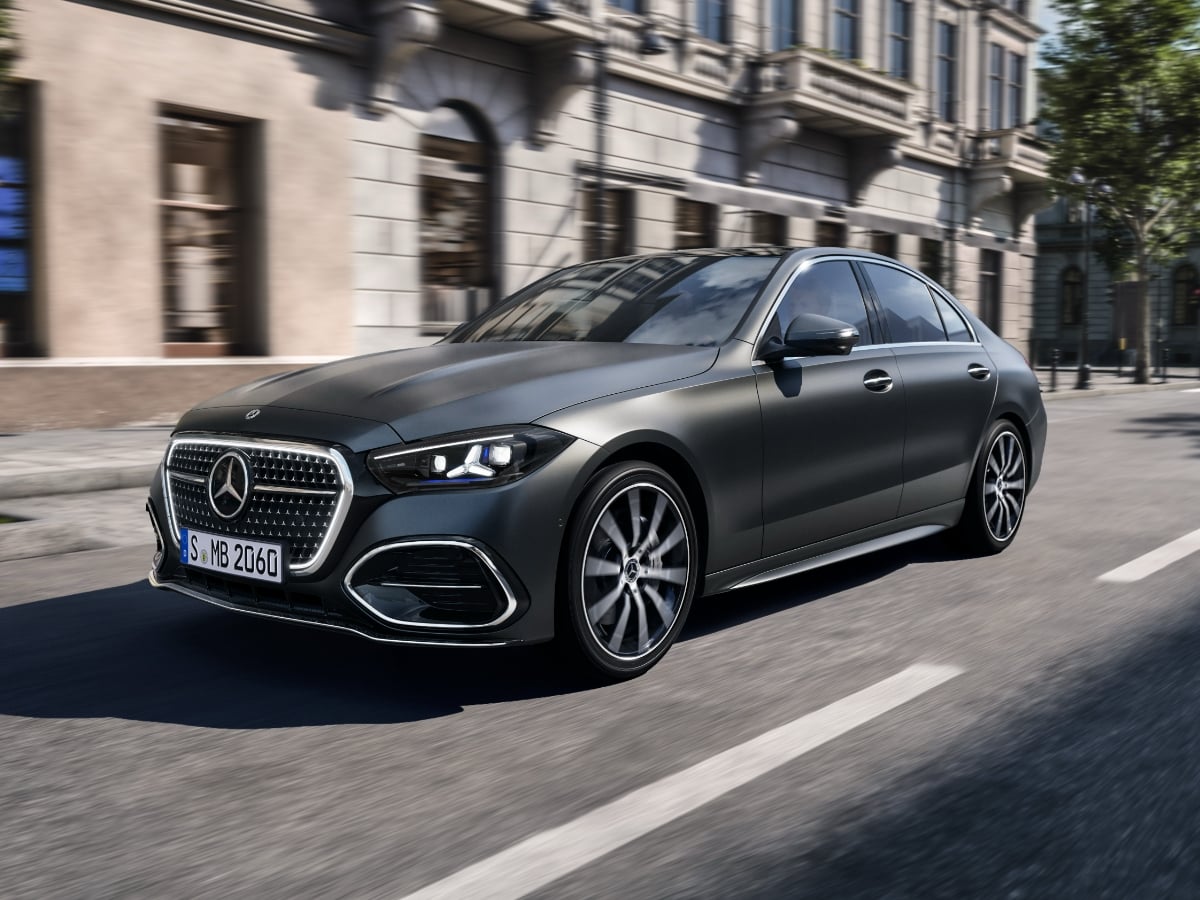
Luxury vehicle buyers prefer SUVs, but a contingent of people still prefer lighter, more efficient, nimbler sedans. The 2027 Mercedes-Benz C-Class serves them with a compact size and a nicer price ...See More
Read the Full Article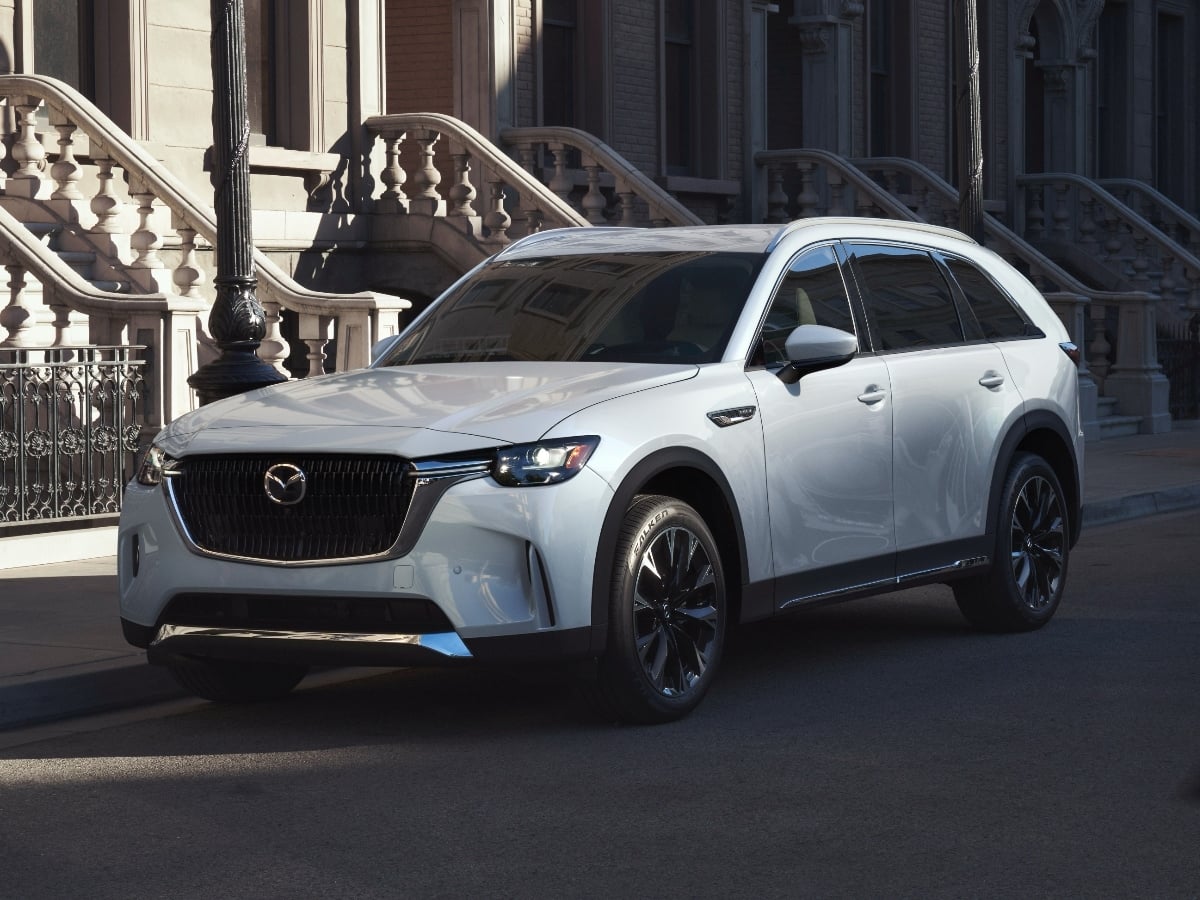
Mazda is discontinuing the five-passenger midsize CX-70 crossover SUV for the 2027 model year. But do not worry. The automaker is moving that configuration to the CX-90 lineup, where it will be ...See More
Read the Full Article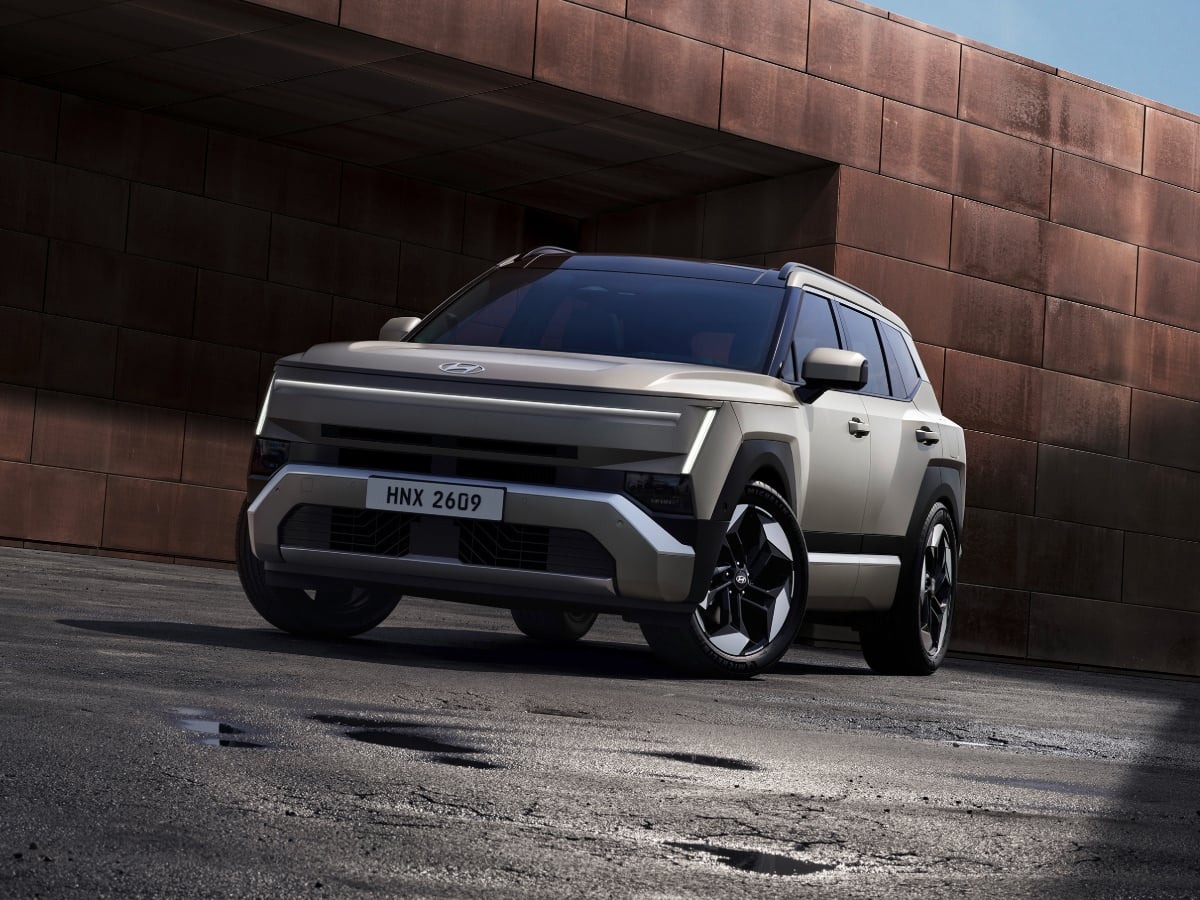
With a purposeful new design and some trail-ready upgrades, the 2027 Hyundai Tucson is pushing the brand's best-selling crossover SUV into more aggressive territory.
Read the Full Article