
A Limited slip differential helps you drive effectively and safely. At times, one of the leading wheels might get stuck when driving on gravel or sand. But if you have the differential, you can keep going and eventually get out of it. How does a limited slip differential work? Let’s take a look.

The limited slip differential (LSD) distributes the wheel's torque and gives it to the one with more traction. It is the most common differential in sports cars, trucks, and SUVs. However, more and more manufacturers install it in casual vehicles.
Like an open differential, it allows the wheels to rotate at different speeds but effectively shifts the torque to the tire with higher traction when needed. However, the amount of torque transferred to one wheel is limited – that is why it is called “limited slip”. For instance, when one of the wheels completely loses traction, keeping the balance and moving becomes difficult. That is where LSD or positraction, the term coined by General Motors, comes in.
A differential is a gear assembly that transfers the torque from the engine to the wheels. It includes three shafts, and the main shaft rotation speed is the average of the others. An open or traditional differential allows the wheels to rotate at a different rate so that the car can rotate.
But when one of the wheels loses traction, a particular problem occurs: one of the wheels gets more torque as it slips while the other almost stops, and the vehicle doesn’t move. This usually happens after the rain, when the road gets wet and the wheels get into puddles, or when one wheel is on the sand and the other on the asphalt. That’s precisely where the slip differential comes in.
An LSD has several design options, made to smoothly balance the rotation of the wheels in different traction conditions. Generally, two main types, torque-sensitive and speed sensitive, of positraction can be distinguished. The maximum possible difference between the torque inputs on both wheels is called a bias, and some LSDs have the bias as a fixed value.
Torque-sensitive differentials are mechanical differentials responsive to the driveshaft torque. The most common among them is a clutch pack differential. The idea is that behind each differential side gear, a clutch pack of discs is located. When one wheel starts slipping and the torque input changes, the load on the clutch pack increases and transfers the power to the other wheel smoothly.
This type of positraction is more expensive and complicated, commonly used in sports cars to balance the extra power the engine transfers to the wheels to provide a smooth start.
Speed-sensitive differentials are triggered by the difference in the speed between two outputs. The most common speed-sensitive differential is called viscous LSD. They use hydrodynamic friction of a fluid with high viscosity or silicon-based gel. These differentials look like cylindrical chambers filled with fluid, and perforated discs stack connected to the shafts and differential with the inner and outer surfaces. The motion of the differential causes disc friction which warms up the gel. The heat makes the gel expand and pull together the discs and “block” the difference in speed on the wheels.
This LDS is simple to produce, works softer and more proportional to the slip, but requires more careful treatment. The gel loses its quality over time and needs to be changed every 60,000 miles. Also, it is sensitive to overheating and becomes less effective whenever a car gets stuck in snow or mud.
Another speed-sensitive differential type, which is becoming increasingly popular, is the gerotor pump. The pump is installed in the differential and transfers the torque to a “slower” wheel with hydraulic pressure. The pump could be controlled electronically and “obey” the car computer stabilization system.
The Limited Slip Differential is essential for off-road and harsh driving conditions. It allocates torque to the wheels and makes them rotate when one of them slips and partially loses traction. It compensates for the main disadvantage of the open differential, allowing the wheels to rotate at different speeds until it reaches the permissible limit.
Limited Slip Differential stabilizes the vehicle but doesn’t help in extreme situations when a car is stuck in the mud or snow, and one of the wheels completely loses traction.


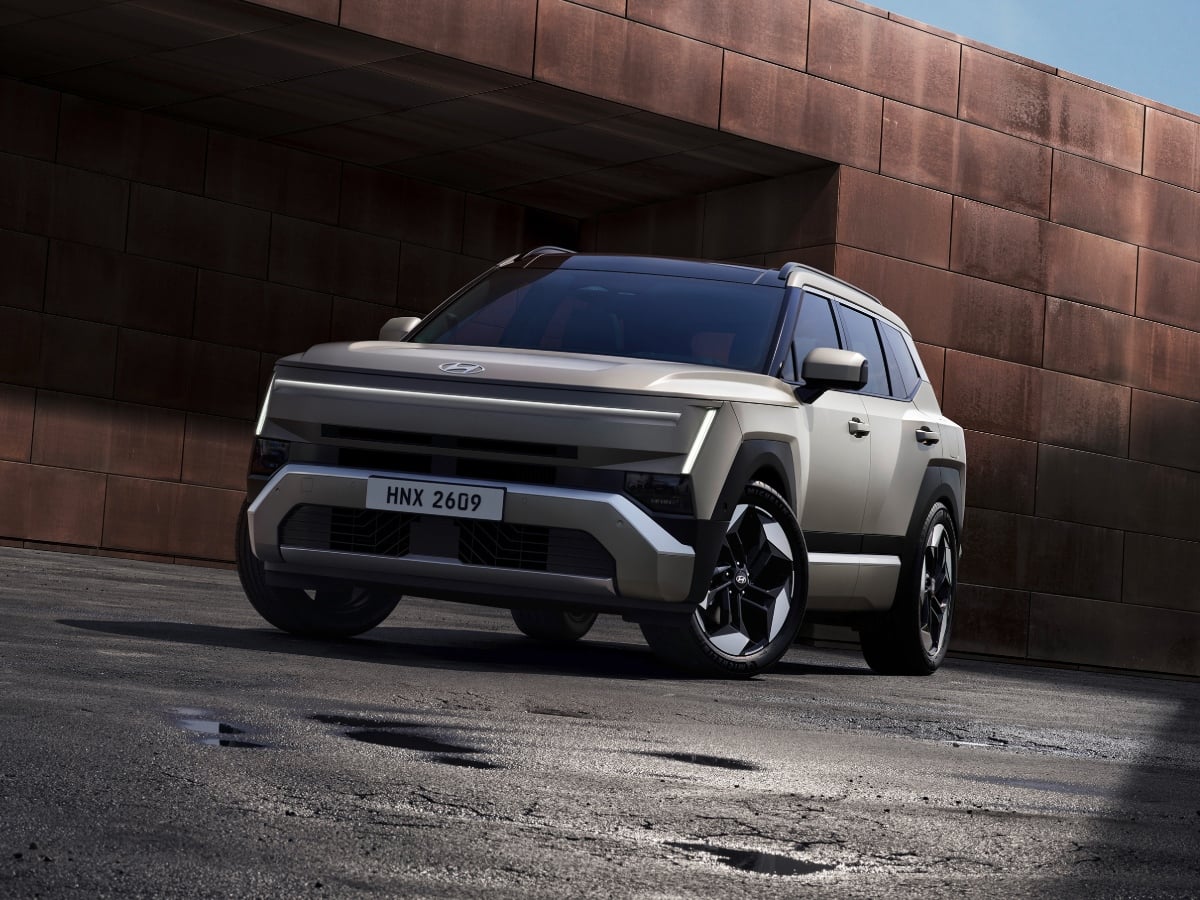
With a purposeful new design and some trail-ready upgrades, the 2027 Hyundai Tucson is pushing the brand's best-selling crossover SUV into more aggressive territory.
Read the Full Article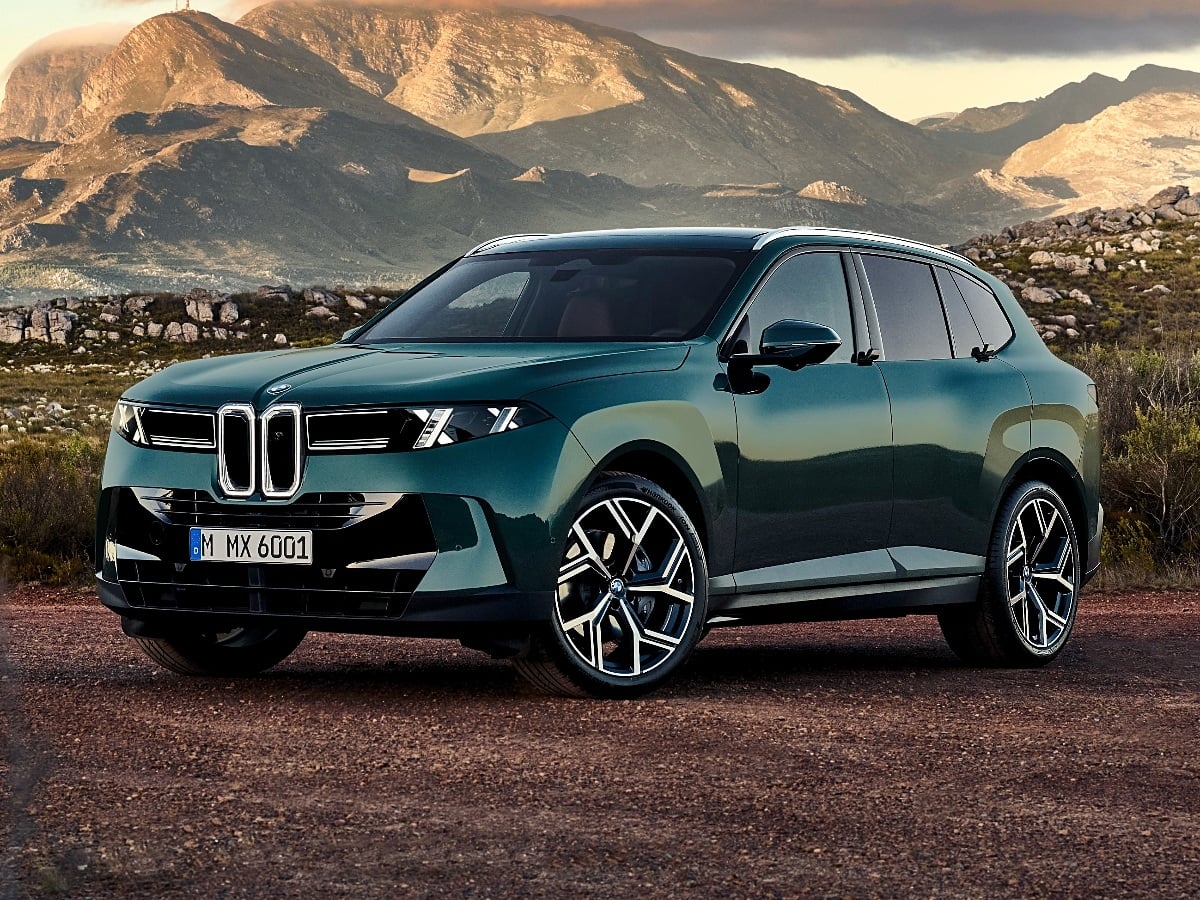
For more than 25 years, the BMW X5 has helped to define the luxury SUV segment. Now, the redesigned fifth-generation 2027 BMW X5 arrives with the automaker’s Neue Klasse styling, a roomier interior, ...See More
Read the Full Article
One of Lexus's most popular models, the NX crossover SUV is also one of the most affordable in the company’s lineup. The 2027 Lexus NX transitions to hybrid-only powertrains, and gets revised ...See More
Read the Full Article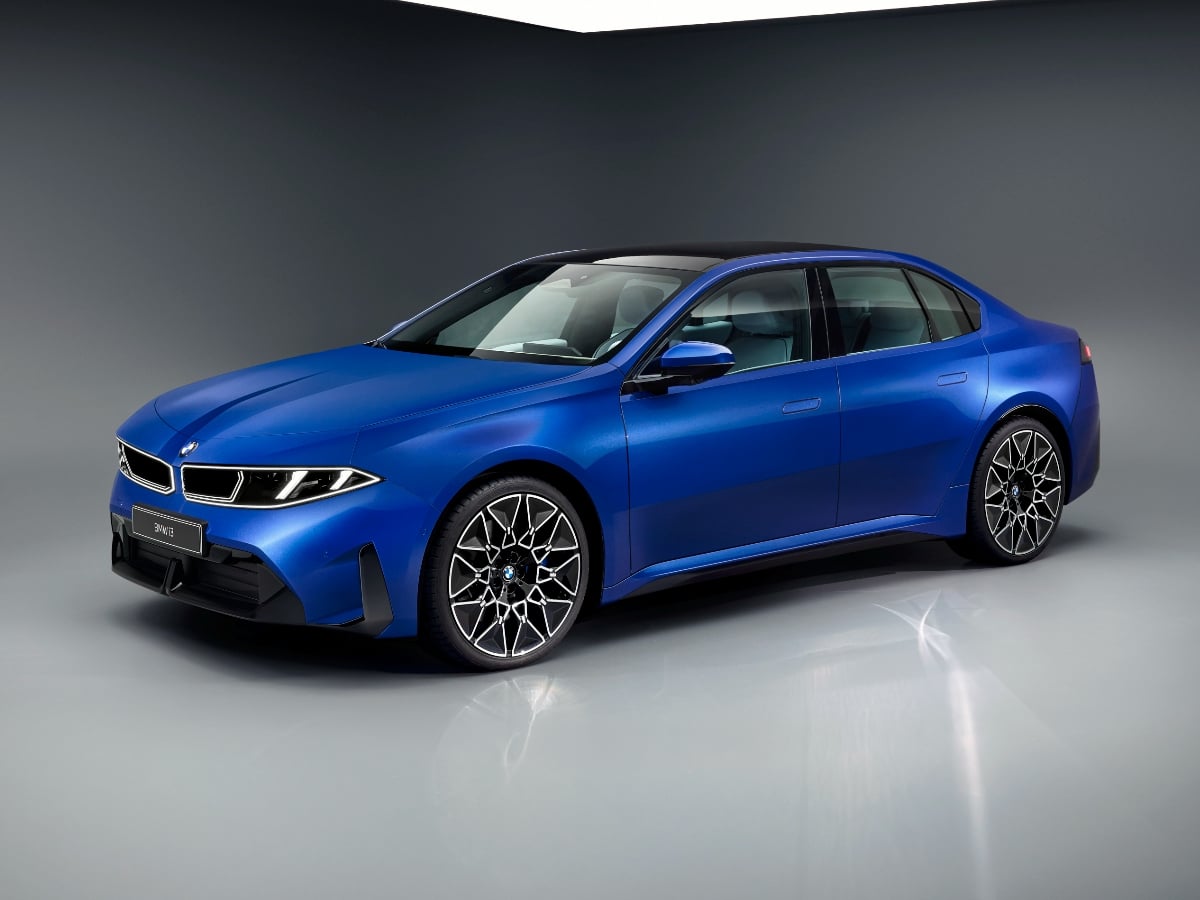
The new 2027 BMW i3 boasts an estimated range of up to 440 miles, 400-kilowatt DC fast charging capability, bidirectional charging to a home or the grid, and next-generation technology.
Read the Full Article