
In one of our previous articles, we talked about Samurai Suzuki, an interesting Japanese car model that garnered a lot of attention during its time. However, it doesn’t end there: there’s one more legendary Japanese vehicle to cover.

Meet Honda Prelude, a sport-compact vehicle. To this day, it remains one of the most fascinating cars in the company’s history. It endured the test of time and can be comfortably driven to this day.
Although the car eventually became legendary among auto lovers, it didn’t start this way initially. But with time, the Prelude solidified itself as a high-tech sports coupe with excellent driving dynamics and a host of performance-enhancing technological features.
Things got off to a rough start, though. Honda planned to produce something that would rival Toyota Celica in the late 1970s and came up with the Prelude. They then launched the 1978 model, which took the Accord's suspension, brakes, and engine and shoved them into smaller chassis that cut 2,4 inches from the wheelbase.
The automobile had a measly power output of 72 hp and 94 lb-ft of torque from Accord’s SOHC four-cylinder engine, with five-speed manual transmission or a two-speed automatic one. Even during those times, the performance was considered lackluster, and the sales represented that.
Things started to change in 1983, and the second generation prelude came with sharp handling and cutting-edge technological features. Its looks largely remained the same, but it was more sleek and angular this time. The second-gen Prelude had a compact layout, which resulted in a suspension rework. This only served to benefit the vehicle, improving handling and ride characteristics.
Initially, the car was powered by a 1.8-liter four-cylinder engine capable of 100 hp, but the 1986-1987 Prelude 2.0 Si came with a 2.0-liter four-cylinder with 110 hp and 114 lb-ft of torque. These exact changes marked the long-awaited increase in performance, moving the model closer to its rivals.
In 1988 things really picked up technologically, and the model debuted with four-wheel-steering, beating other similar systems by a significant margin. While Mazda’s and Mitsubishi’s systems functioned with solenoids and programming to change the angle of the rear wheels, the Prelude’s was purely mechanical and pretty reliable.
This iteration had a B20A engine, with the base B20A3 2.0-liter SOHC four-cylinder pushing 109 hp and 111 lb-ft of torque with a four-speed automatic or five-speed manual transmission. The Si model had a 2,0-liter DOHC four-cylinder with 135 hp and 127 lb-ft of torque, which was later upgraded.
1991 saw a more revamped Prelude introduced to the US car market. This time around, the design changed, and the vehicle was not as angular. However, it was even more technologically advanced and came in with VTEC engine choice and rear-wheel-steering. The options you picked during the purchase could make it one of the highest-performance Hondas available, impressing you with the sheer RPM range.
The new F22A1 four-cylinder engine offered 135 hp and 137 lb-ft torque. The USDM Prelude Si and 1995-only SE were powered by the 2.3-liter H23A1 four-cylinder that reached 160 hp and 156 lb-ft torque. Later models improved upon everything, achieving 187 hp and 153 lb-ft of torque.
The fifth and final generation Prelude came in 1997. It had a delightful design with straight edge angles and softer corners. The H22A4 put out 195 hp and 156 lb-ft of torque with a four-speed automatic and five-speed manual transmission.
Honda removed the rear-wheel steering but included the new Type SH (Super Handling). This new technology incorporated Honda’s Active Torque Transfer System (ATTS), a predecessor to SH-AWD. However, the system was unreliable and negatively impacted sales.
The Honda Prelude is a fantastic choice if you’re looking for a reliable high-tech vehicle. It probably isn’t that impressive by today’s standards but is still suitable for modern drivers looking for a reliable, high-quality ride.
Yet another Japanese company produced one more legendary vehicle, which is a testament to how skilled and creative the engineers are.


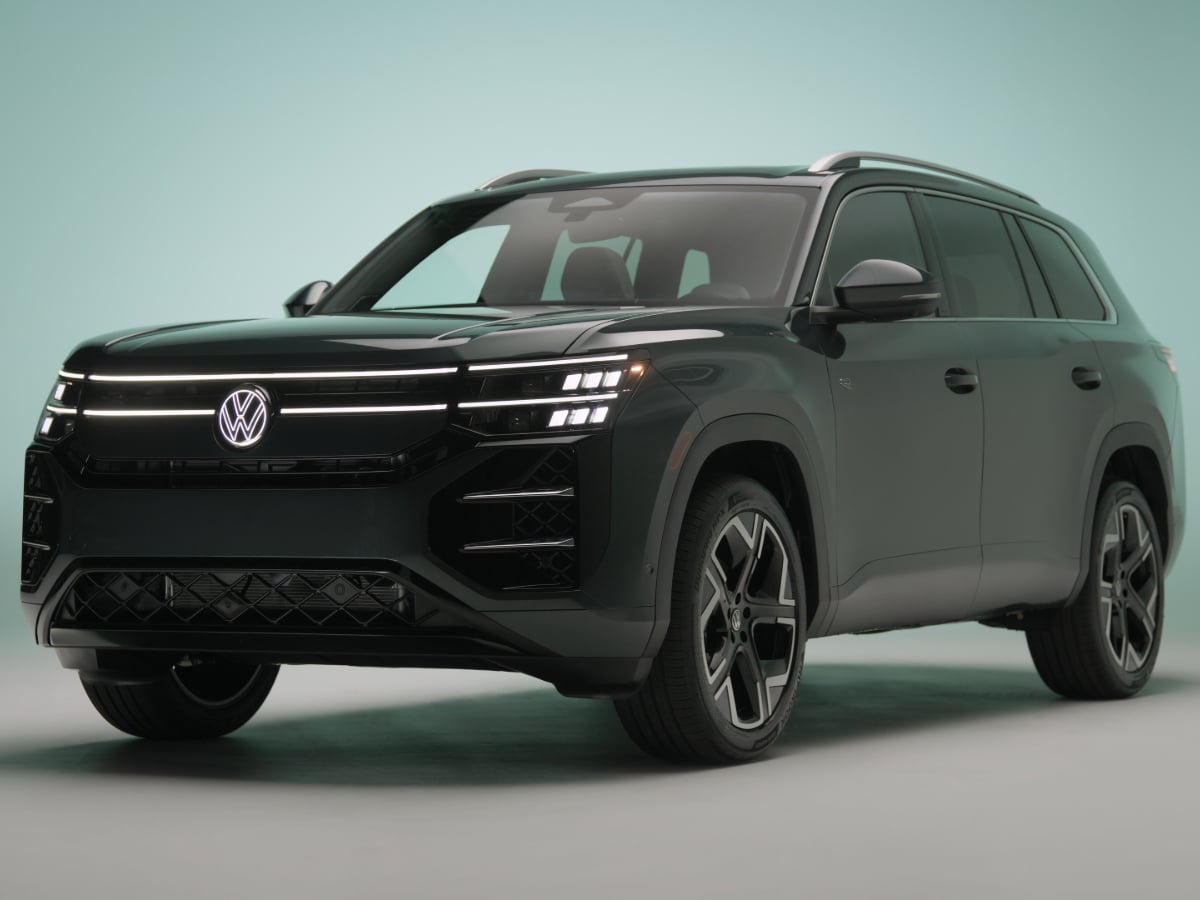
Adding European flair to the otherwise vanilla midsize three-row family SUV market, the redesigned 2027 Volkswagen Atlas debuts with a sharper exterior, an upgraded cabin, more power, and new ...See More
Read the Full Article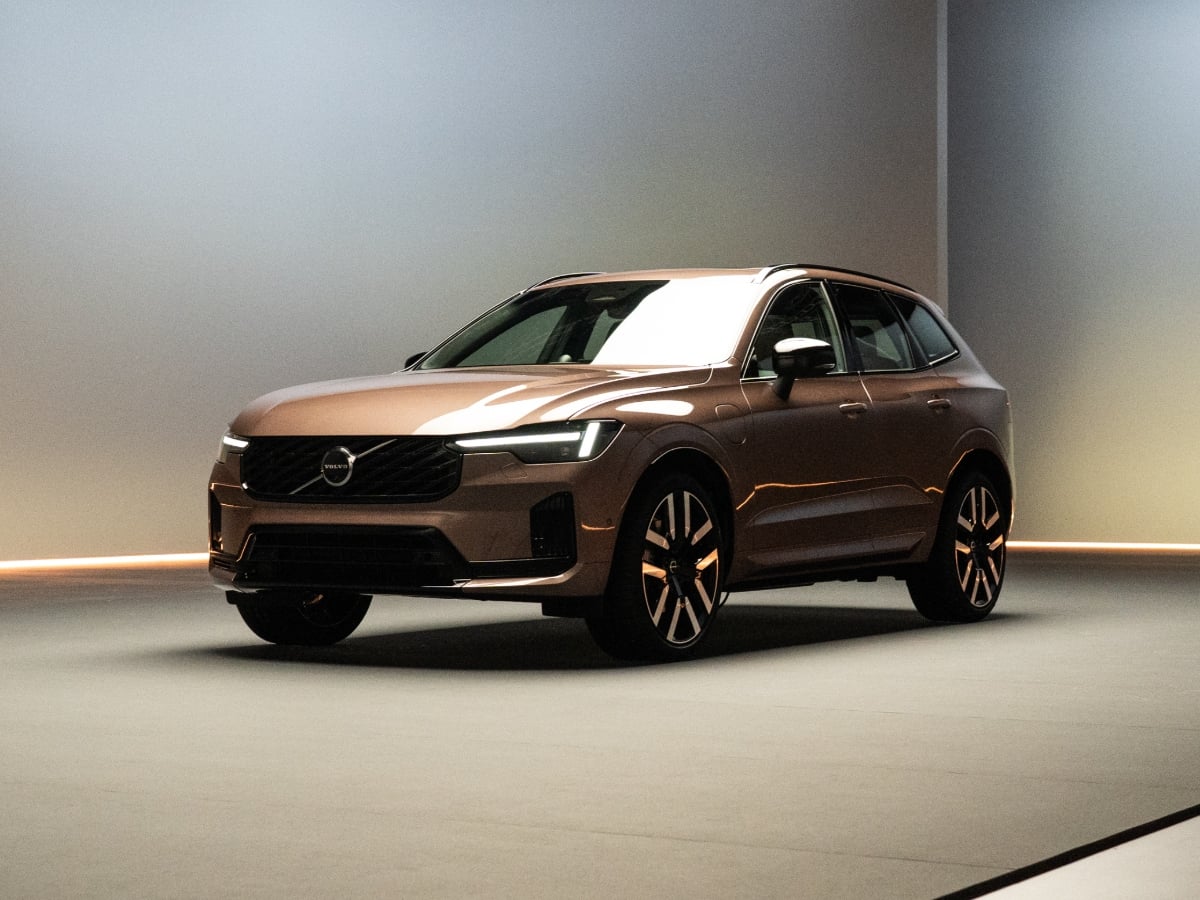
Though the styling stays largely the same, a massive boost in electric range for the plug-in hybrid (PHEV), plus a refined design, helps the 2028 Volvo XC60 stay current and desirable.
Read the Full Article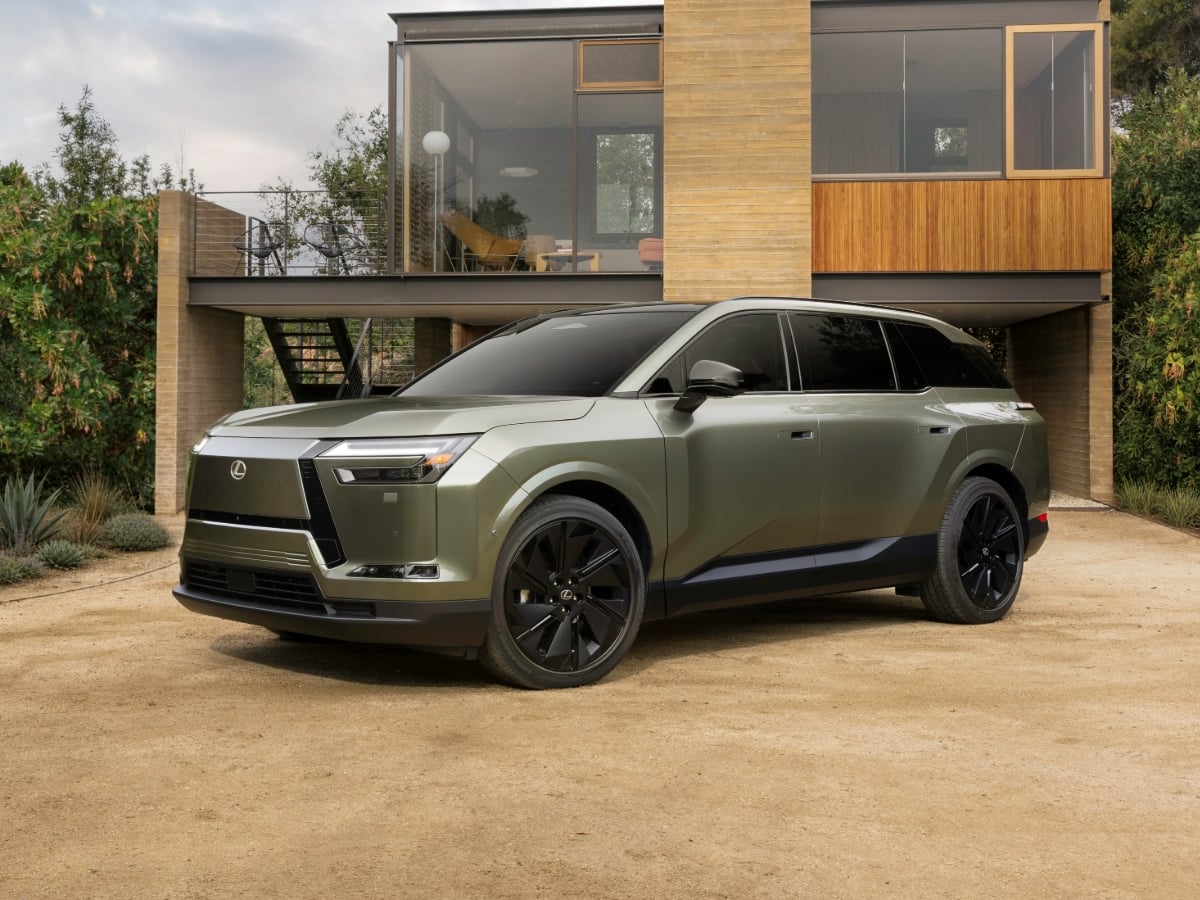
With the 2027 Lexus TZ, Toyota Motor’s luxury division introduces its first three-row all-electric SUV, featuring a lounge-inspired interior, an enhanced all-wheel drive (AWD) system, and up to 300 ...See More
Read the Full Article
With the all-new 2027 Kia EV3 small crossover SUV, the Korean automaker continues to expand its all-electric lineup while keeping prices accessible.
Read the Full Article