
Like all machines, cars require regular maintenance to keep working. Oil and other fluids get dirty and degrade over time. Tires, wiper blades, brake pads, and other high-wear parts require replacement.

Most vehicles require maintenance starting at 5,000 miles and every 5-10,000 miles thereafter. It never hurts to perform maintenance more often, but this should be your bare minimum.
Maintenance can be expensive if you have all your work done by a mechanic. Fortunately, there are several simple tasks you can take care of on your own. Here’s a quick guide.
You don’t have to be a master mechanic to know when to maintain your car; all you have to do is crack open the owner’s manual and turn to the maintenance section. You’ll find a schedule that shows the recommended intervals for all your regular maintenance tasks.
In most cases, the owner’s manual will be tucked into the glove box; otherwise, you may be able to find one online. If neither of those options works, you can obtain a fresh copy from your dealership.
Motor oil is a crucial lubricant and protects your motor’s moving parts from friction, grinding, and overheating. Without oil, your engine will not even start. As your motor rotates, small metal shavings and other contaminants work their way into the oil, making it less effective.
Most modern cars require an oil change every 5,000 miles. Different engines require different oil viscosities, and some require synthetic oil rather than petroleum oil. When choosing oil, make sure to follow your manufacturer’s recommendations.
When you change your oil, you should also change the oil filter. That way, you’re not running clean oil through a dirty filter. At the same time, it’s wise to replace your air filter.
Oil is only one of the many fluids your car requires. You should also check your brake fluid, transmission fluid, power steering fluid, coolant, and windshield washer fluid when you perform an oil change.
Most of these fluids will have dipsticks that allow you to check them quickly. There will be a fill line on the reservoir for brake fluid, coolant, and washer fluid. If anything is low, take the opportunity to top it off.
Whatever you do, do not remove the radiator cap. The fluid inside your radiator can be scalding hot. You can badly burn your hand or face by opening the cap. Rely on the reservoir’s fill line, and you’ll always have the right level.
Your tires are quite literally where the rubber meets the road. If they’re worn or improperly inflated, you have a higher risk of blowouts and poor traction.
Different cars will have different tire pressure ratings. The manufacturer will write the recommended pressure inside the driver’s door jamb in newer cars. In older cars, you’ll need to check the owner’s manual. If possible, it’s best to fill your tires when they’re cold. If your tires have driven for more than a mile, add 4 PSI to the recommended pressure.
The easiest way to check your tires’ tread is to use the “penny method.” Put a penny between the tire treads, with Abraham Lincoln’s head facing downwards. Your tires are safe if the tire tread covers the top of his head. If there’s not enough tread to cover the top of his head, it’s time to buy new tires.
Brakes are every bit as important as tires. As the brake pads wear down, you have to press down further on the pedal to get the same stopping performance. Eventually, they will wear down altogether.
Brake pad replacement is serious work, and unless you’re an expert, it’s best left to professionals. By paying attention to the sound and feel of your brakes, you’ll know when they need attention. If you have to press the brake pedal to the floor, for example, it’s time for new pads.
If your brakes are squealing, your brake pads are worn, and the metal is rubbing on the rotor. Rattling, meanwhile, typically indicates that one of your rotors is worn out or warped.
Grinding is a less common sound. However, if your brakes grind the first time you depress the pedal during the day, it could mean that there’s rust on your rotor. As the pads drag across the rotor, they scrape off the rust, which produces the grinding sound. If this happens, look for a drier place to park your automobile.
During wet or humid conditions, your battery’s terminals can become rusty. This can have a negative impact on your car’s performance and even make it impossible to start your engine.
Fortunately, rust is relatively easy to remove. First, disconnect the battery contacts so there’s no closed circuit. Next, mix up some water and baking soda, and scrub the rust with a wire brush. Rinse and let dry, reconnect your contacts, and your battery will be as good as new.
You don’t need to change your wiper blades on any particular schedule. When they start leaving streaks or making a squeaking sound, it’s time for a new pair. Different vehicles will use different blade styles and sizes, but any auto parts shop will be able to outfit you with the right kind for your car.
Proper maintenance is essential for keeping your car in working order. But savvy car owners can perform many standard tasks for themselves and save money in the process. You’ll spend less time at the mechanic and keep more cash in your pocket by following these simple tips.



The new 2027 BMW i3 boasts an estimated range of up to 440 miles, 400-kilowatt DC fast charging capability, bidirectional charging to a home or the grid, and next-generation technology.
Read the Full Article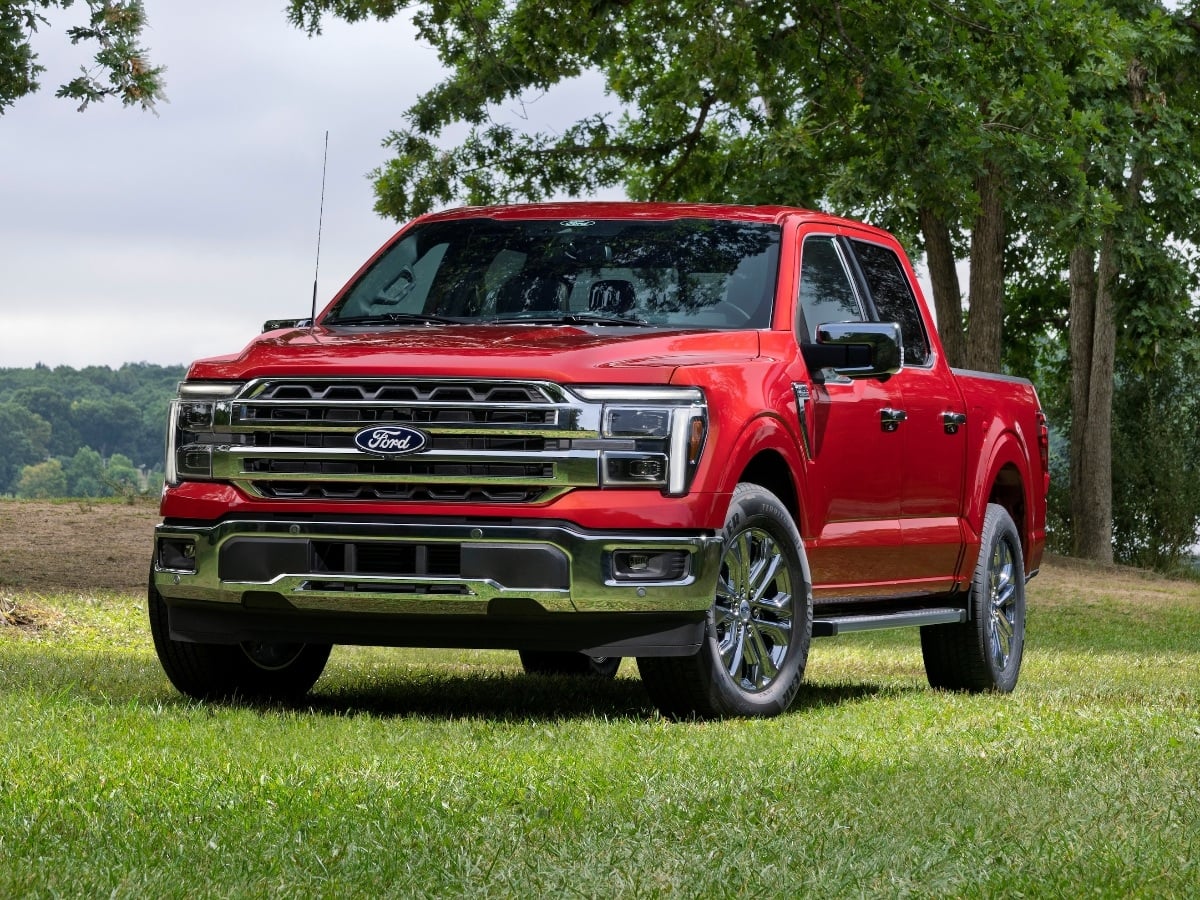
Facing renewed competition in the full-size, light duty pickup truck segment, the 2027 Ford F-150 receives subtle styling updates, a new standard engine, broader availability of its 5.0-liter V8, and ...See More
Read the Full Article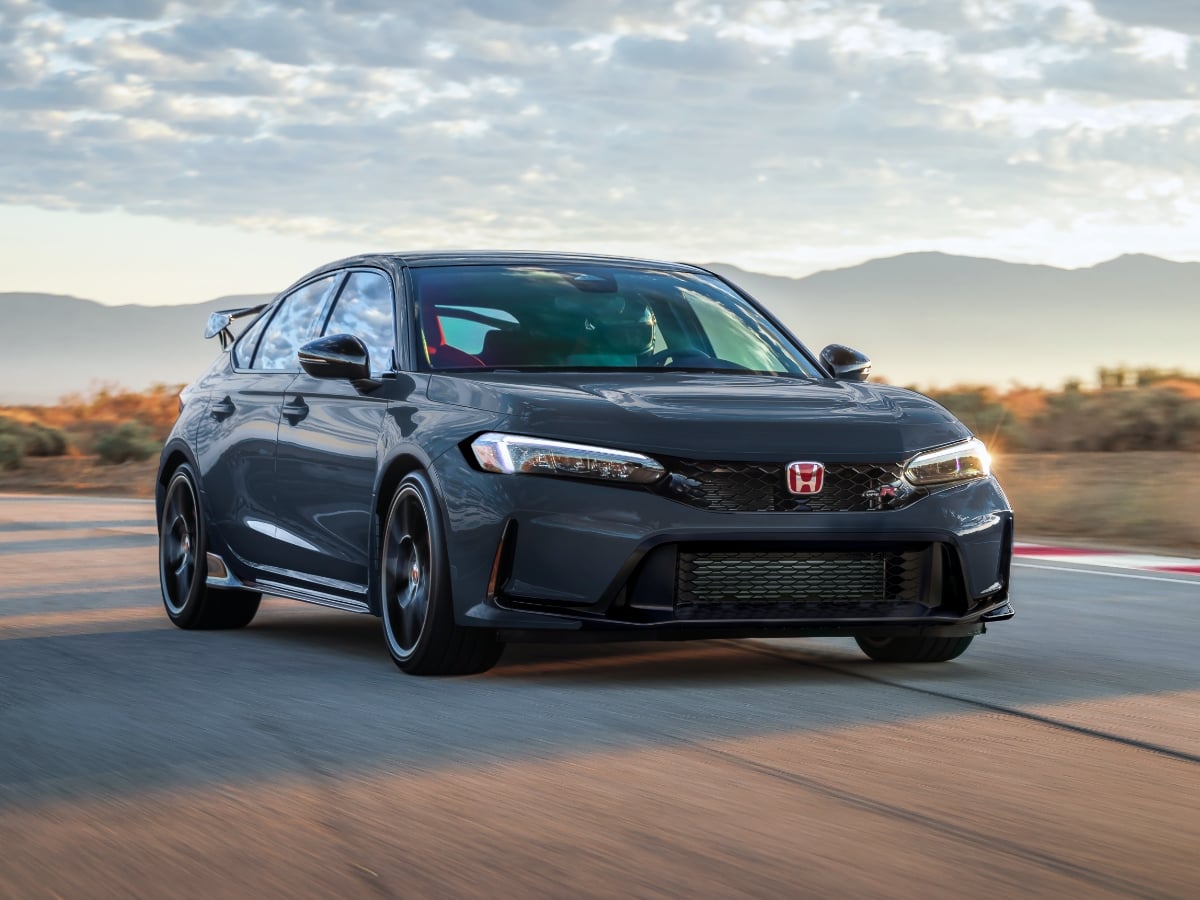
The 2027 Civic Type R goes on sale in October 2026, and it starts at $49,990, including the $1,295 destination charge.
Read the Full Article
Part of BMW’s Neue Klasse (new class) rollout of redesigned models, the 2027 BMW 3 Series is all-new and goes on sale in the first quarter of 2027.
Read the Full Article