
Initially released in 1991, the Ford Explorer was one of the first modern SUVs to hit the market. Along with the Jeep Grand Cherokee, it paved the way for the vast SUV market we have today.

A fashionable and functional SUV, it’s not surprising that the Ford Explorer would launch major trends. The appeal was obvious. In the early 90s, station wagons were the standard vehicle for carrying many passengers. But they lacked the “cool” factor.
Let’s take a journey through time and discuss the Ford Explorer’s history, from the 90s to the present.
In 1990, Ford’s Bronco II sales were on the decline. With what many considered an awkward two-door design, the vehicle had slowly become unpopular with consumers. Ford still believed that there was a market for a small SUV. So they set out to design a new one: the Ford Explorer.
The 1991 Explorer had a lot in common with the Bronco II. Both were built on the same frame as the popular Ford Ranger light pickup, and the Explorer utilized the Bronco II’s suspension.
Compared to the Bronco II, the Ranger was more streamlined. It may look boxy by modern standards, but it was sleek at the time. It also came with four doors, a significant upgrade from the two-door Bronco II.
Along with the standard Explorer, Ford also released the Explorer Sport. The Explorer Sport had a 10-inch shorter wheelbase, which allowed for better off-road maneuverability at the expense of a bumpier ride.
Because it was shorter, the Explorer Sport only came in a two-door version, making it harder to get into the back seat. It would be upgraded in 1995, along with the standard-edition Explorer, and Ford would continue to sell them until 2003.
The second generation of the Ford Explorer was still based on the Ford Ranger frame, but the body and motor received some significant upgrades. Ford reworked the front end to be more aerodynamic. And starting in 1996, you could buy an upgraded V8 version with a 5.0-liter engine and full-time all-wheel drive.
In addition, Ford upgraded the suspension with a new, fully independent front suspension instead of the old twin I-beam construction. The steering was also upgraded to a modern rack-and-pinion system, which replaced the outdated recirculating ball system of the original Explorer.
Ford outfitted the first and second generations of the Explorer with Firestone tires. In 2000, a series of investigations found that tire failures on the Explorer had caused 271 deaths and 800 injuries, dating back to 1991.
Initially, neither Ford nor Bridgestone/Firestone accepted responsibility. Ford insisted the tires were defective, while Firestone argued that Ford’s recommended air pressure level was too low. Eventually, Ford sent a letter urging owners to use 30 PSI instead of 26 when filling their tires. But under mounting public pressure, Ford and Bridgestone/Firestone ultimately recalled 14.4 million tires in the US alone and millions more worldwide.
The controversy was a public relations nightmare for both companies. Bridgestone/Firestone lost more than half its stock value and was forced to close its Illinois manufacturing plant where the tires were produced. Both companies fired several executives, and Ford and Bridgestone/Firestone ended their nearly century-old partnership.
In 2001, Ford released the Explorer Sport Trac. The Sport Trac had an extended wheelbase, allowing a half-sized truck bed. The front end and motor were the same as the standard Explorer Sport. The Sport Trac would be upgraded in 2007 to stay in line with the fourth-generation Explorer.
The third generation of the Ford Explorer marked a significant change. Instead of being based on the Ford Ranger frame, it had its own frame, with an independent rear end. The independent rear end freed up space in the back, so you could now order a third-row seating option that expanded the passenger capacity to seven.
Other improvements included changes to ergonomics and more amenities like rear-seat climate controls and cup holders. Starting in 2003, Ford discontinued manual transmission production, and the Explorer was only available as an automatic.
The fourth-generation Explorer didn’t have many cosmetic or interior changes. But there were several changes under the hood, including improved valve heads on the V8 version. Passengers also got extra safety features, such as canopy airbags and computerized roll stability control.
Ford retooled the fifth-generation Explorer to ride on a modified Ford Taurus chassis. They also upgraded it with a six-speed automatic transmission in front- and all-wheel drive options. The Explorer Sport also made a brief return in this period, starting in 2013.
In 2016, Ford revamped the fifth-generation Explorer with an improved infotainment system and upgraded trim. The base four-cylinder model also got a slightly more powerful engine, with 2.3 liters of displacement instead of 2.0.
The sixth-generation Explorer, released in 2020, is another significant change. Most significantly, the two-wheel-drive version has changed to rear-wheel instead of front-wheel. It’s also slightly wider, improving off-road performance and providing more cabin space.
Under the hood, the base 2.3-liter motor was retuned to provide 300 horsepower, ten more than the 2019 model. The V6 model has also been significantly upgraded, with 600 pounds of additional towing capacity.
The Ford Explorer has had an eventful 31 years. We've come a long way from the original boxy model to the sleek, high-tech model of 2022. Even so, the Explorer has retained its reputation for performance, both on and off the road. It’s no wonder it remains one of America’s most popular vehicles.


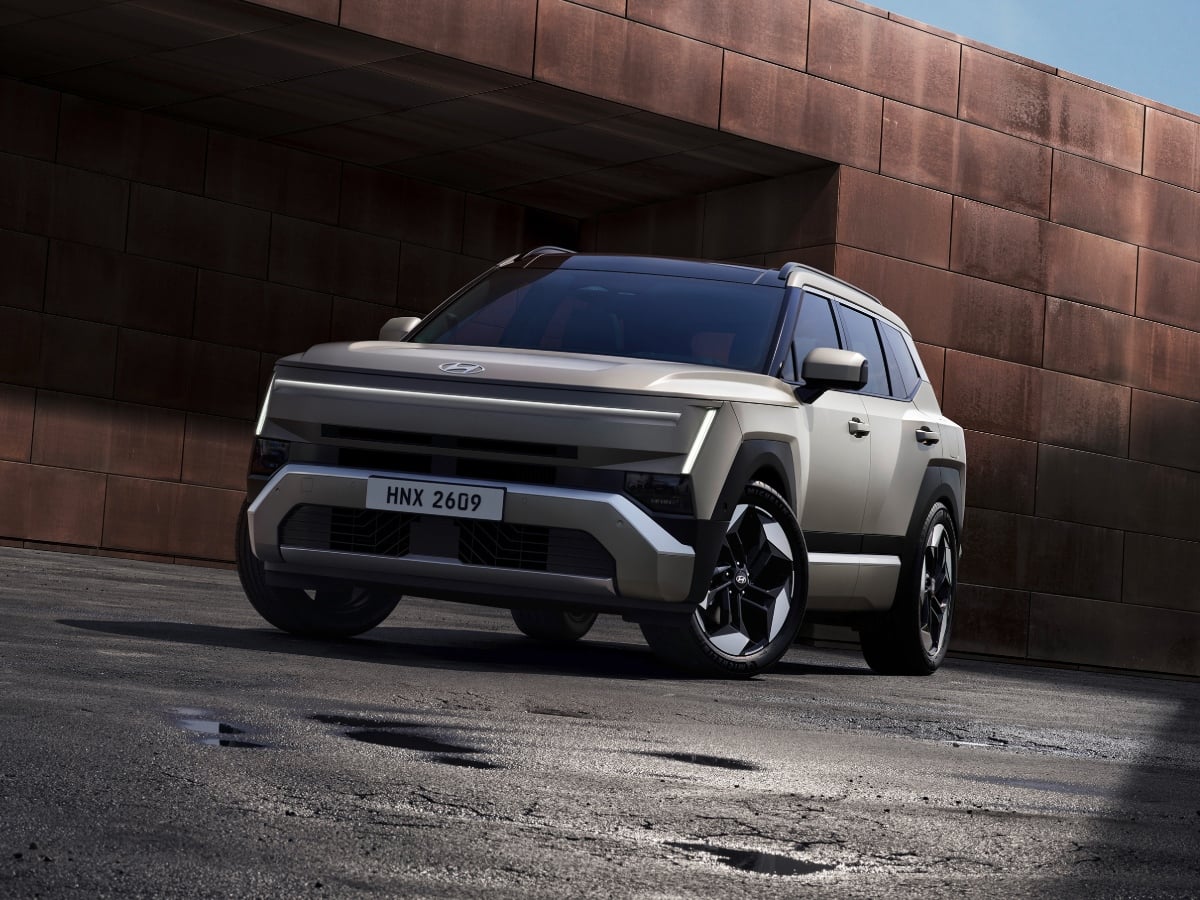
With a purposeful new design and some trail-ready upgrades, the 2027 Hyundai Tucson is pushing the brand's best-selling crossover SUV into more aggressive territory.
Read the Full Article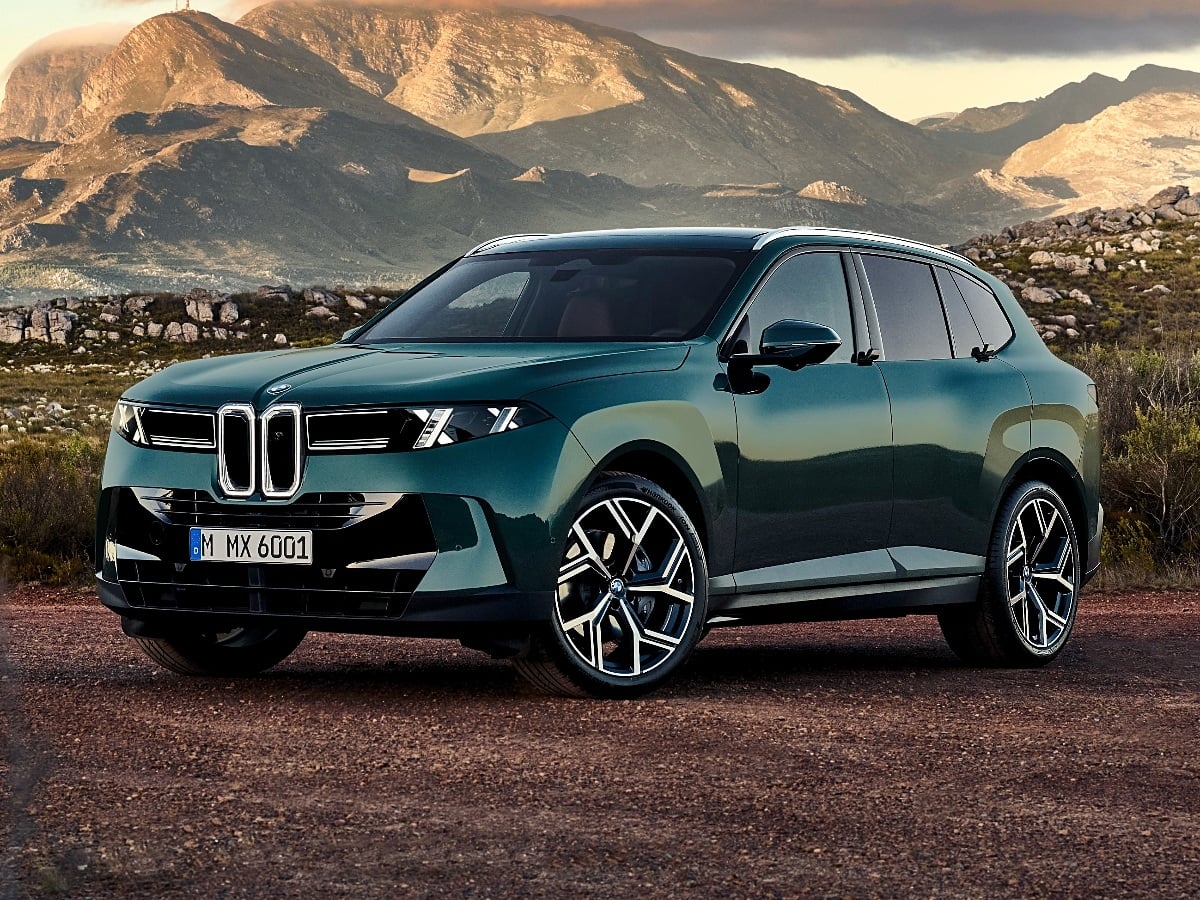
For more than 25 years, the BMW X5 has helped to define the luxury SUV segment. Now, the redesigned fifth-generation 2027 BMW X5 arrives with the automaker’s Neue Klasse styling, a roomier interior, ...See More
Read the Full Article
One of Lexus's most popular models, the NX crossover SUV is also one of the most affordable in the company’s lineup. The 2027 Lexus NX transitions to hybrid-only powertrains, and gets revised ...See More
Read the Full Article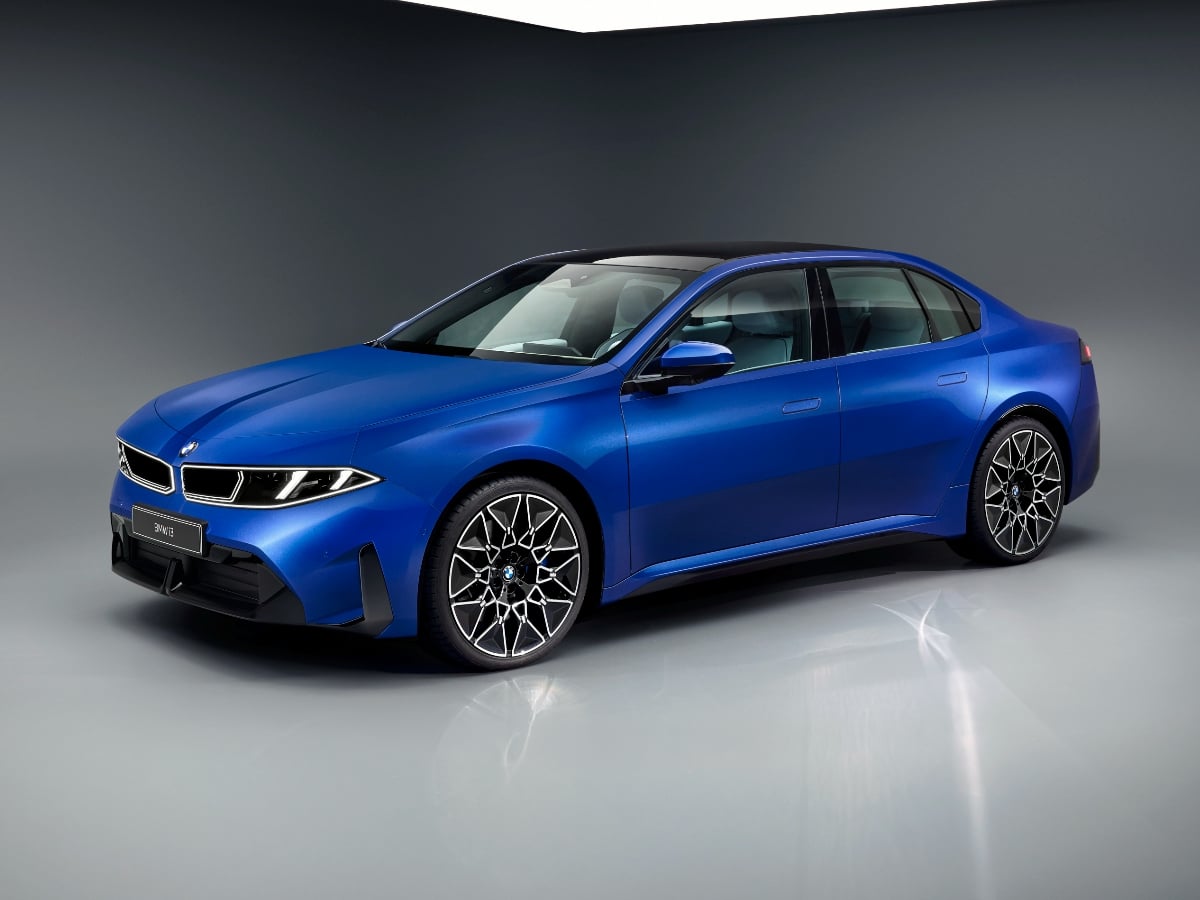
The new 2027 BMW i3 boasts an estimated range of up to 440 miles, 400-kilowatt DC fast charging capability, bidirectional charging to a home or the grid, and next-generation technology.
Read the Full Article