
Driving an electric vehicle (EV) is similar to driving a gasoline-powered car, but with an EV, “refueling” means plugging in instead of pumping gas. You can recharge an EV using a home charging unit or at one of many public charging stations. This article explains how they differ and provides tips on choosing the best option.

There are two ways to charge an electric vehicle at home. The first requires nothing more than a standard electric outlet and the charging cable that comes with your new EV. This kind of home charging is sometimes called Level 1 charging. It works best with plug-in hybrids or all-electric vehicles that typically travel only a few dozen miles daily since this is the slowest charging method.
Many EV owners opt to have a Level 2 home charger installed. These wall boxes usually cost between $500-$1,200 and require a 240-volt outlet, which licensed electricians can install. People who live in apartments might be able to get a Level 2 charger installed after talking to the property owner.
Some businesses, especially hotels, movie theaters, and shopping malls where EV drivers might spend at least a few hours, provide Level 2 chargers for their customers. Level 2 charging is a middle ground that’s faster than a standard outlet but isn’t as expensive for a business to install as a DC fast charger.
The fastest EV charging comes from public DC fast chargers. EV drivers use them to replenish their car’s battery up to hundreds of miles in less than 30 minutes.
Charging an EV at home means you never need to wonder how much it will cost to refill your car’s battery compared to powering other electronic devices. Electricity rates vary across the country and even by the time of day, but your utility provider will charge you the same amount for your power, whether you’re juicing up your EV or recharging your cell phone.
Utilities charge customers by the amount of electricity they use, measured in kilowatt-hours (kWh). According to the U.S. Energy Information Administration, the nationwide average for one kWh of electricity for a residential building is just under 15 cents. Using this as a guide, it would cost around $15 to refill a Ford F-150 Lightning with a standard-range pack from zero to full.
Costs for public charging vary from free to expensive. If you buy a new EV, there’s a good chance it will come with a limited amount of free charging because automakers arrange partnerships with charging network operators for these deals. A new BMW iX, for example, comes with 30 minutes of free DC fast charging at Electrify America stations for the first two years. The Mazda MX-30 EV comes with a $500 credit that owners can use at ChargePoint stations or on a ChargePoint home charger.
Aside from the cost, there are plenty of reasons to charge your EV at home. The first is convenience. While you might need to plug the car into the wall outlet for hours, you’ll be home and won’t need to pay attention to it once you’ve plugged it in. Many owners charge their EVs at home while they sleep and when electricity rates are typically lower.
Another reason to use a home charger is that you always know it will be available and working. As Americans buy more electric vehicles, public EV charging stations can get crowded. Reports of broken or malfunctioning public charging stations are quite common.
EV drivers who don’t have a charger at home must rely on public charging to recharge their cars. This might mean using a charger at work. But even if you have access to a home charger, public charging is useful when taking a trip that exceeds your EV’s range. Many DC fast chargers are located along highways for easy access during road trips.
As more consumers switch to EVs, the number of public charging stations will continue to grow. The Biden administration has announced a goal to build a network of 500,000 EV chargers in the United States. The Bipartisan Infrastructure Law includes $7.5 billion for EV charging infrastructure.
Electric vehicles offer drivers a choice of where and how to charge, including no-cost or inexpensive alternatives. The best way to charge your EV could come down to where you are at a given moment, whether at home or on the go.
If you’re interested in buying an EV, you can research new vehicles here.


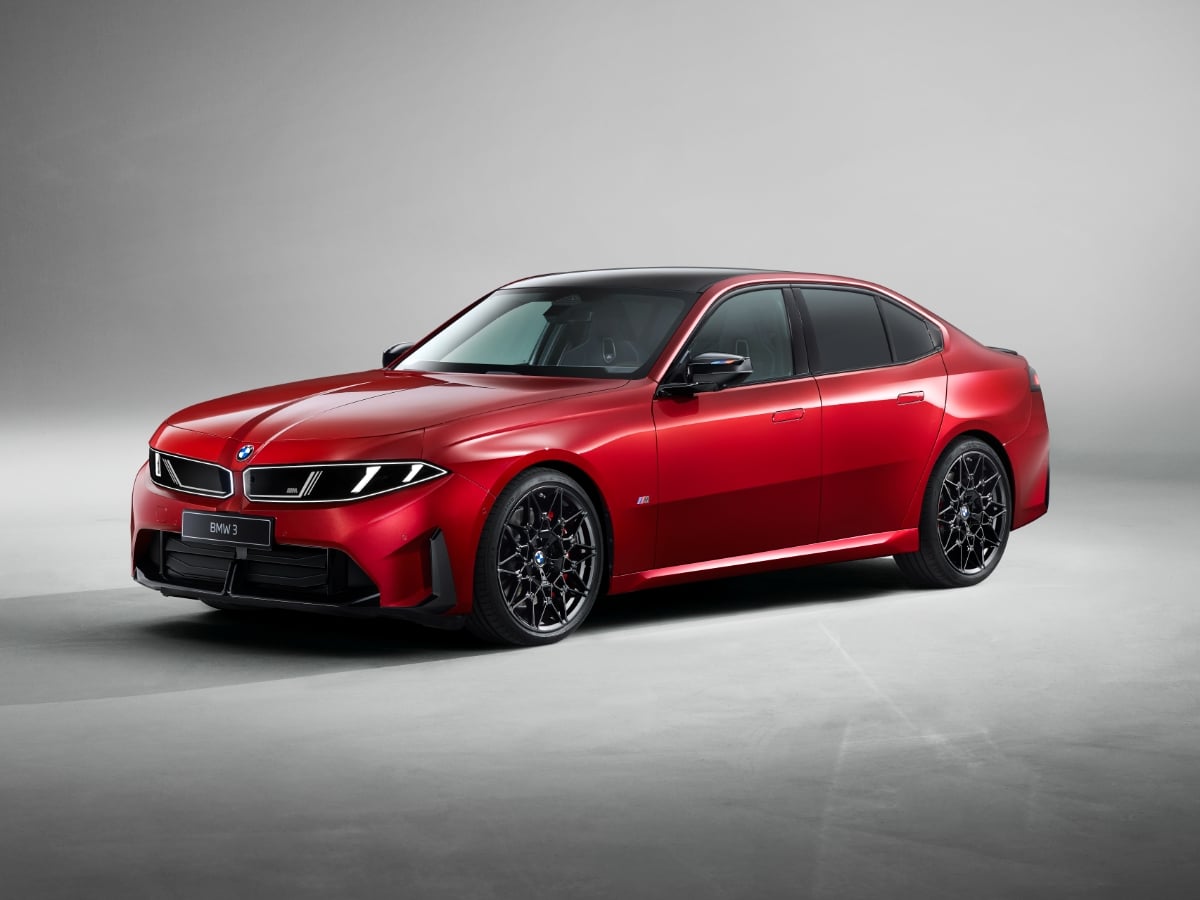
Part of BMW’s Neue Klasse (new class) rollout of redesigned models, the 2027 BMW 3 Series is all-new and goes on sale in the first quarter of 2027.
Read the Full Article
Updates to the 2027 Honda Passport TrailSport include a reworked suspension, improved steering, subtle styling enhancements, and added standard equipment.
Read the Full Article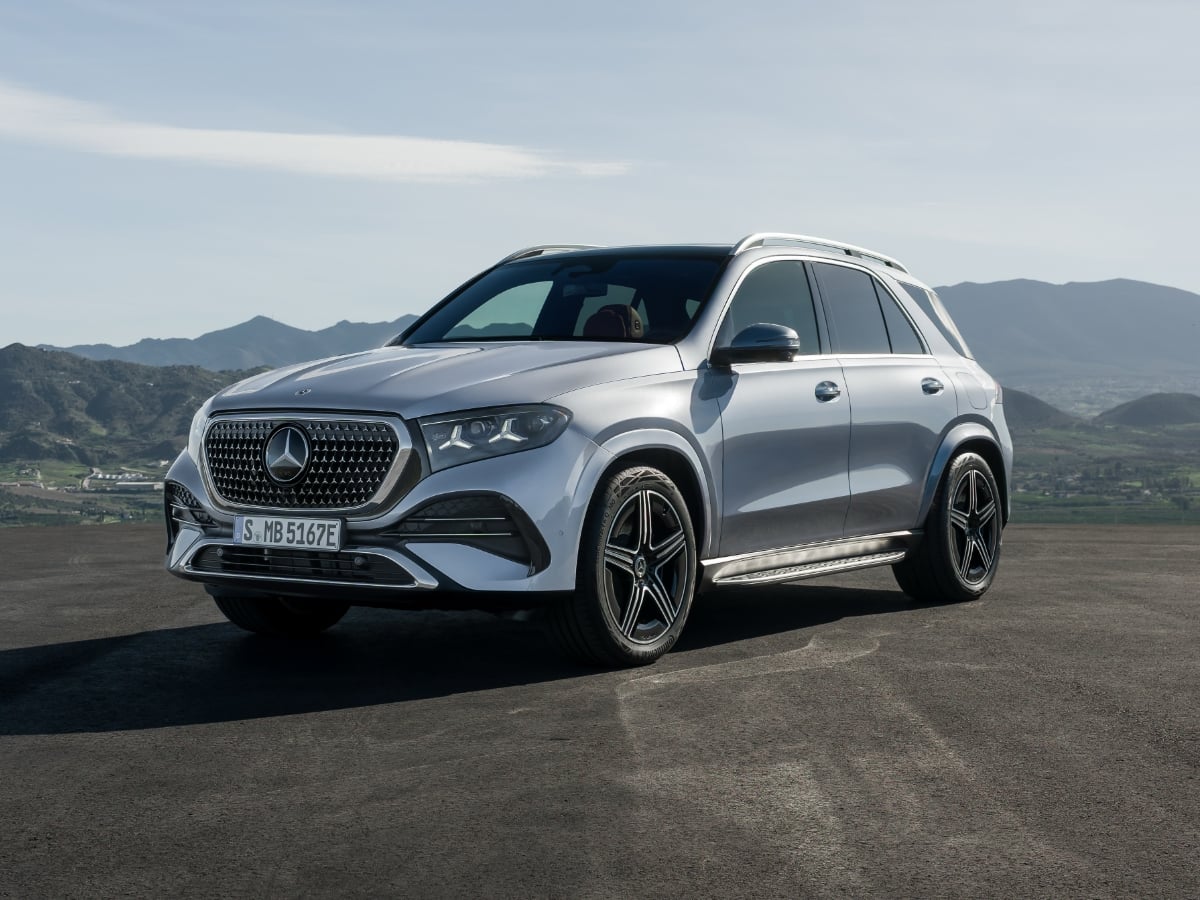
The midsize 2027 Mercedes GLE remains available in original and spicy Coupe recipes, now with standard 4Matic all-wheel drive (AWD), MBUX Superscreen technology, and a panoramic glass sunroof for ...See More
Read the Full Article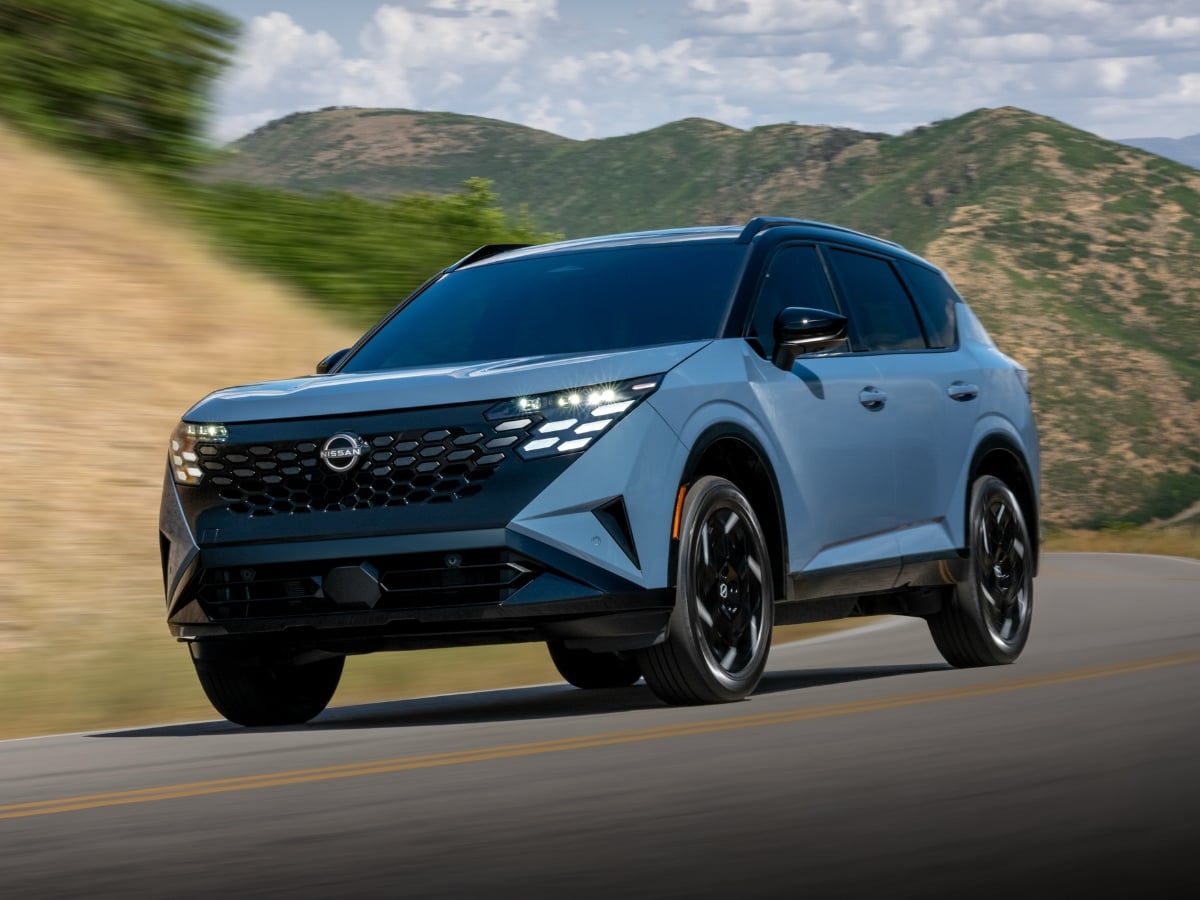
Nissan is about to introduce an innovative new SUV. The 2027 Nissan Rogue Hybrid has a gasoline engine, but it does not power the wheels. Instead, electric motors at each axle provide propulsion, ...See More
Read the Full Article