
Battery Electric Vehicles (BEVs) have changed the game in terms of which parts are needed to power and maintain a vehicle. This revolutionary technology has called into question the need for even the most common mechanical components of the automobile. For instance, engine oil is considered to be as fundamental to the engine as blood is to the human body. An internal combustion engine car cannot run without engine oil.

However, the dependency on engine oil changes with Battery Electric Vehicles. Since BEVs do not have an engine, engine oil is not used. It should be noted that while hybrid and plug-in hybrid electric vehicles (PHEVs) feature electrification, they also still contain an internal combustion engine. Thus, hybrids use oil and will require oil changes. In other words, a Toyota RAV4 Hybrid and RAV4 Prime Plug-in Hybrid will use engine oil, whereas a BEV like the Tesla Model 3 will not.
Given a gas engine’s dependency on engine oil, oil changes are often one of the more frequently discussed vehicle maintenance items. Engine oil is essential to lubricating the moving parts of the engine and when properly used, will also prolong the life of the engine. Thus, not requiring engine oil and removing the corresponding maintenance, will alleviate EV owners from the worry of properly servicing engine oil.
While not a major service item, oil changes can be very impactful to the life of a vehicle with an internal combustion engine. With recommended oil change intervals of 5,000-7,500 miles, the frequency of oil changes can be inconvenient as well. Additionally, drivers are typically instructed to check oil levels under the hood on a monthly basis.
The risk of using the incorrect type of oil is another headache that internal combustion engine owners face. The type of oil used is dependent on the manufacturer’s requirement for your vehicle while the frequency of changes is also determined based on vehicle use and climate. Not following the correct maintenance plan can cause many issues for the vehicle, and using the incorrect oil can sometimes compromise the vehicle’s qualification for warranty coverage.
Oil changes are one more thing to have on your mind and if you have a service facility conduct the oil change, it is another appointment that needs to be booked. This also requires the inconvenience of driving the vehicle to a service center and waiting for the maintenance to be completed.
Fortunately for Battery Electric Vehicle (BEV) drivers, engine oil will be one less thing to worry about. However, there are still other lubricants that are also used in internal combustion engine vehicles that carry over to EVs. For instance, brake fluid, which is used to maintain lubrication in the brake system, will need to be monitored and eventually replaced. However, with some manufacturers not recommending brake fluid replacement until 150,000 miles, the EV could have several owners by the time replacement is recommended.
Electric vehicles do not have the traditional transmissions that internal combustion engines have where there are multiple differently-sized gears propelling the vehicle forward to accelerate. For instance, while a gas-powered vehicle may have a 5-speed transmission, electric cars have a 1-speed transmission. This means fewer moving parts to lubricate and according to Chevy’s maintenance plan for its Bolt EV, a transmission flush may never be necessary. Still, it is best to always consult your owner’s manual and ask your dealer if a transmission fluid change might ever be necessary.
Battery Electric Vehicles do not use oil, nor do they require the related maintenance and inconvenience connected to oil changes. Having said that, electric vehicle owners should consult their vehicle’s maintenance plan and engage service experts to monitor fluids to keep their vehicle running smoothly.
Matt Yantakosol is a lifelong automotive enthusiast and former consultant focused on the consumer aspect of the industry. He has traveled to New York, Detroit, Chicago, L.A., Paris, Geneva, Frankfurt, and Tokyo Auto Shows to track and observe the newest industry innovations. In addition to JDPower.com, Matt's writing has appeared on Pcarmarket.com.



The 2027 Civic Type R goes on sale in October 2026, and it starts at $49,990, including the $1,295 destination charge.
Read the Full Article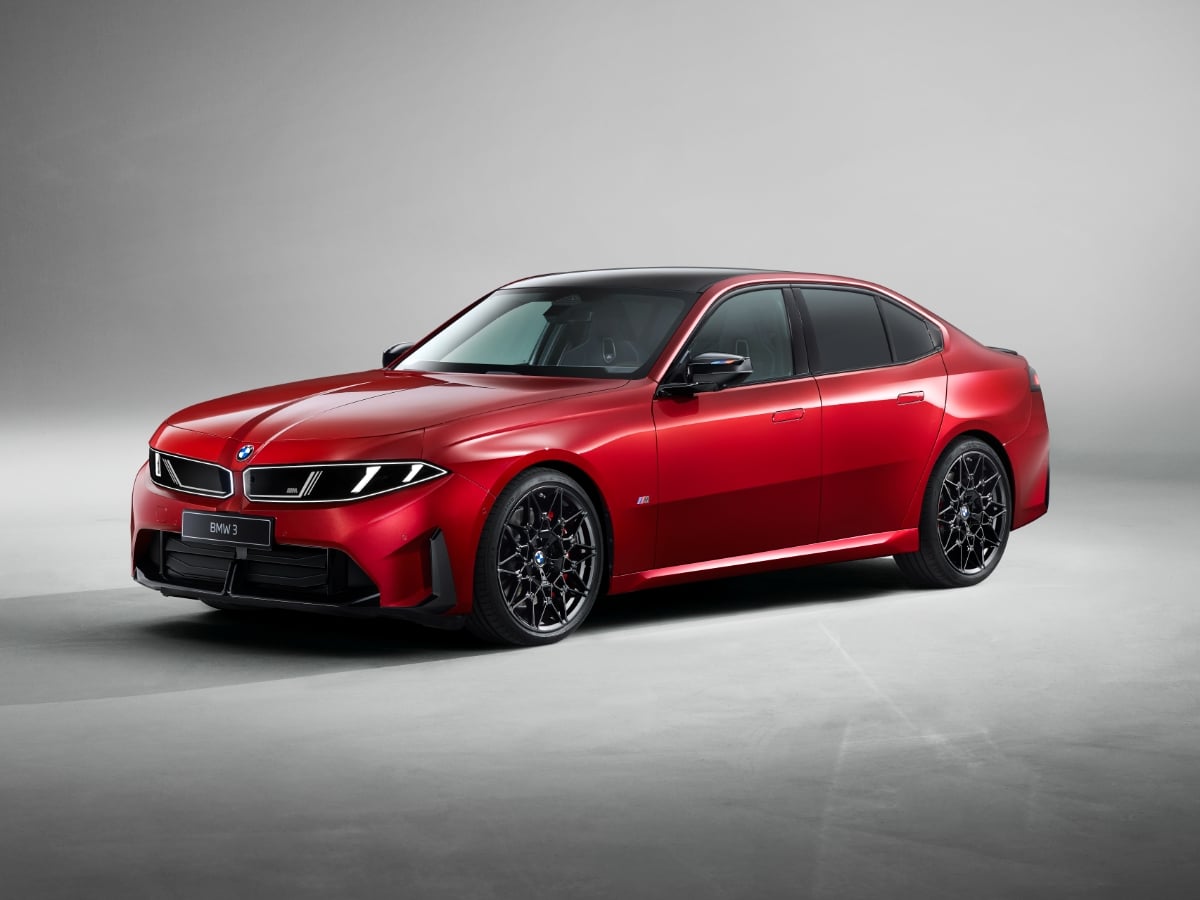
Part of BMW’s Neue Klasse (new class) rollout of redesigned models, the 2027 BMW 3 Series is all-new and goes on sale in the first quarter of 2027.
Read the Full Article
Updates to the 2027 Honda Passport TrailSport include a reworked suspension, improved steering, subtle styling enhancements, and added standard equipment.
Read the Full Article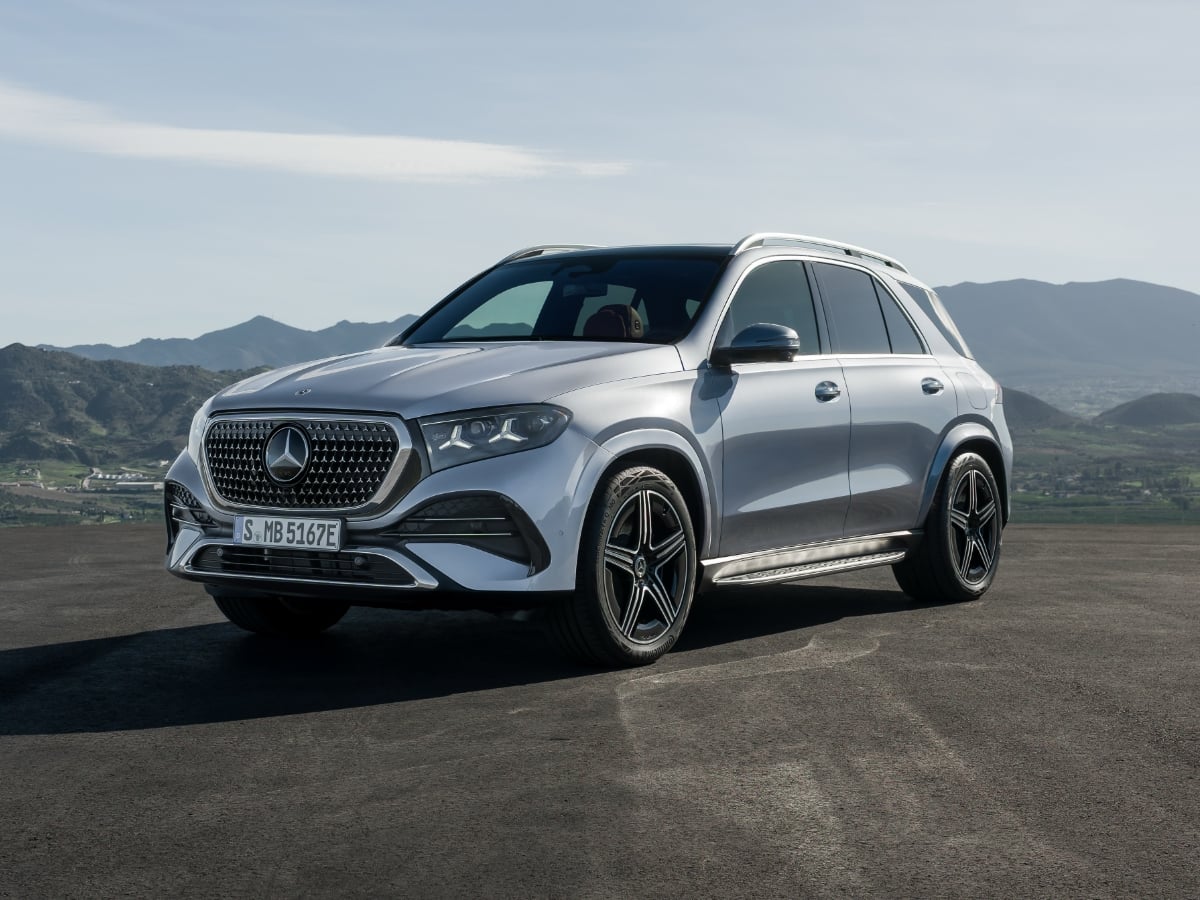
The midsize 2027 Mercedes GLE remains available in original and spicy Coupe recipes, now with standard 4Matic all-wheel drive (AWD), MBUX Superscreen technology, and a panoramic glass sunroof for ...See More
Read the Full Article