
Truck adverts display various towing numbers across the screen. Most of these numbers are incomprehensible, while in certain situations, the figures don’t mean what drivers think. Knowing your truck's payload and towing capacities are crucial. Unfortunately, people frequently mix up these two concepts.

The total amount of cargo weight you can add to your truck's empty weight is referred to as its payload capacity or curb weight. Your vehicle's manufacturer determines the payload capacity and lists it in the owner's manual or calculated manually.
Passengers are included in payload capacity. You might have to drop some stuff if you pick up extra passengers to maintain your truck's weight restrictions.
Here are some possible payloads that your vehicle can transport:
The weight you can securely pull behind your truck with a trailer is referred to as the towing capability. Because the bulk of the weight is supported by the trailer axles, rather than the axles on your vehicle, your towing capability typically surpasses your payload capacity.
Your truck's towing capacity can be found in the owner's manual or calculated manually. Here are some common goods to tow, along with a calculation of their weights:
A vehicle's payload capacity is the amount of weight it can carry, whereas the towing capacity is the amount of weight it can pull. Car manufacturers frequently use the term "hauling" to describe the process of moving weight in a truck's bed instead of towing or moving weight in a trailer.
Knowing your truck's curb weight and GVWR(Gross Vehicle Weight Rating) makes calculating the payload capacity relatively simple. Remember that your vehicle's curb weight is its weight before any passengers or luggage is added. How much weight your car can carry is indicated by its GVWR. The vehicle's total weight, including passengers and luggage, is included in the GVWR.
Your vehicle's payload capacity is the maximum amount of weight it can carry, including just extra passengers and luggage excluding the vehicle's weight. You must deduct the curb weight from the GVWR to arrive at the payload capacity weight. What you get after the deduction will be your payload capacity.
The TW, or Trailer Tongue Weight, must be subtracted from the payload capacity. You should only do this if your vehicle has a trailer hooked to it. What you get after the deduction will be your payload capacity.
If your truck has additional aftermarket components, you have to subtract them to get your payload capacity.
Knowing your vehicle's GCVWR makes calculating your truck's towing capacity simpler. Keep in mind that GCVWR is for your vehicle's total weight capacity, including the trailer. You can determine how much you can tow by deducting the weight of your truck and its cargo from the GCVWR.
As a first step, you should deduct the curb weight of your car from the GCVWR.
If your vehicle is empty, the next step still requires you to deduct your weight from the GCVWR.
If your vehicle has luggage or people, you must deduct them in the next step.
If your vehicle has aftermarket components, you must deduct them in the next step.
You should note that calculating payload capacity just shows you how much weight you can load into the vehicle. It represents the truck's suspension system's limits. Towing, on the other hand, places a significant amount of weight on the vehicle's axles. It's the trailer, not the vehicle, that enables you to move bigger weights than the truck's bed or cab can handle.
Your truck's payload or towing capacity will give you an indication of how much weight it can support. To get the most out of whatever you bring, you must keep it safe and secure. Instead of stuffing everything into your truck bed, upgrade your vehicle with service truck bodies to transport your goods.
When calculating the payload and towing capacity of your vehicle, don't forget to take the weight of any additional service bodies into account. The driver's manual might help you with the calculation, or you can use the calculations provided in this article.


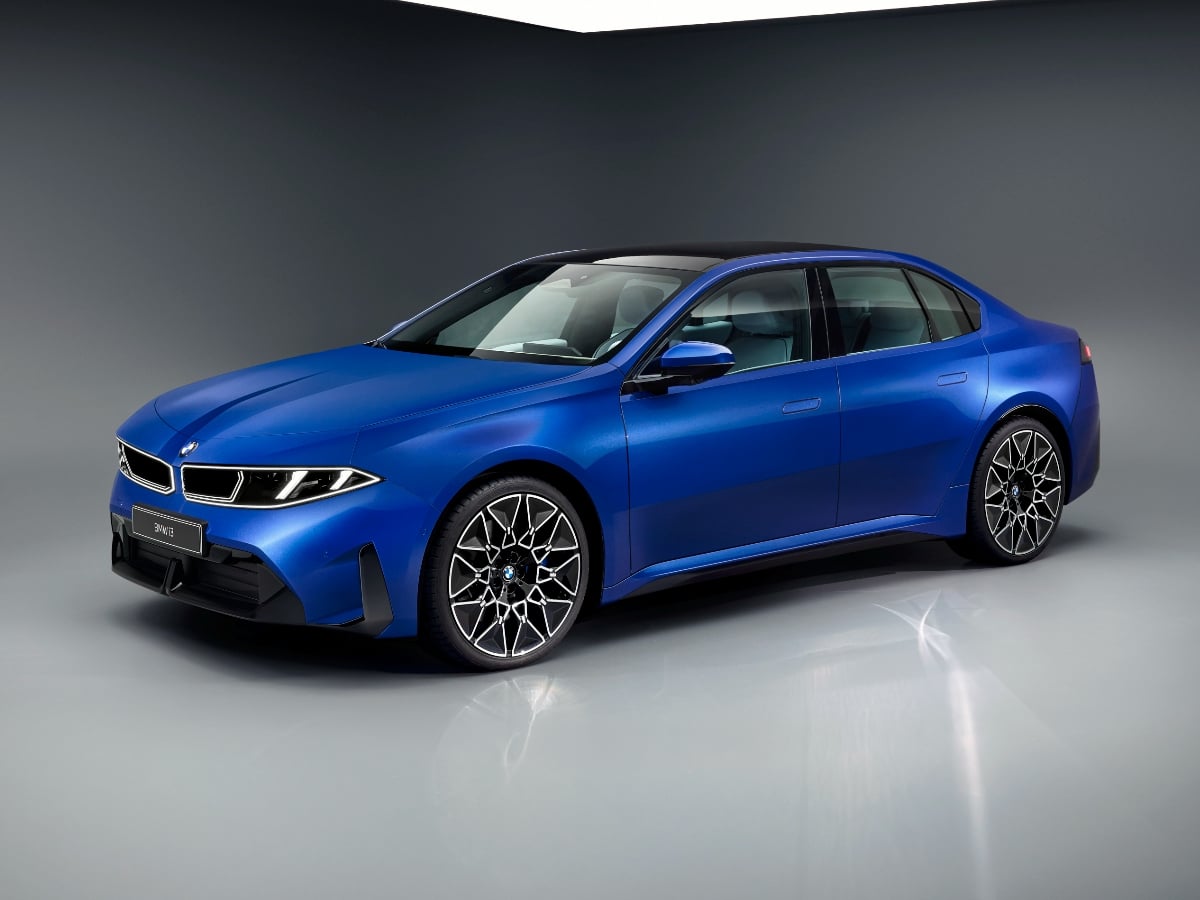
The new 2027 BMW i3 boasts an estimated range of up to 440 miles, 400-kilowatt DC fast charging capability, bidirectional charging to a home or the grid, and next-generation technology.
Read the Full Article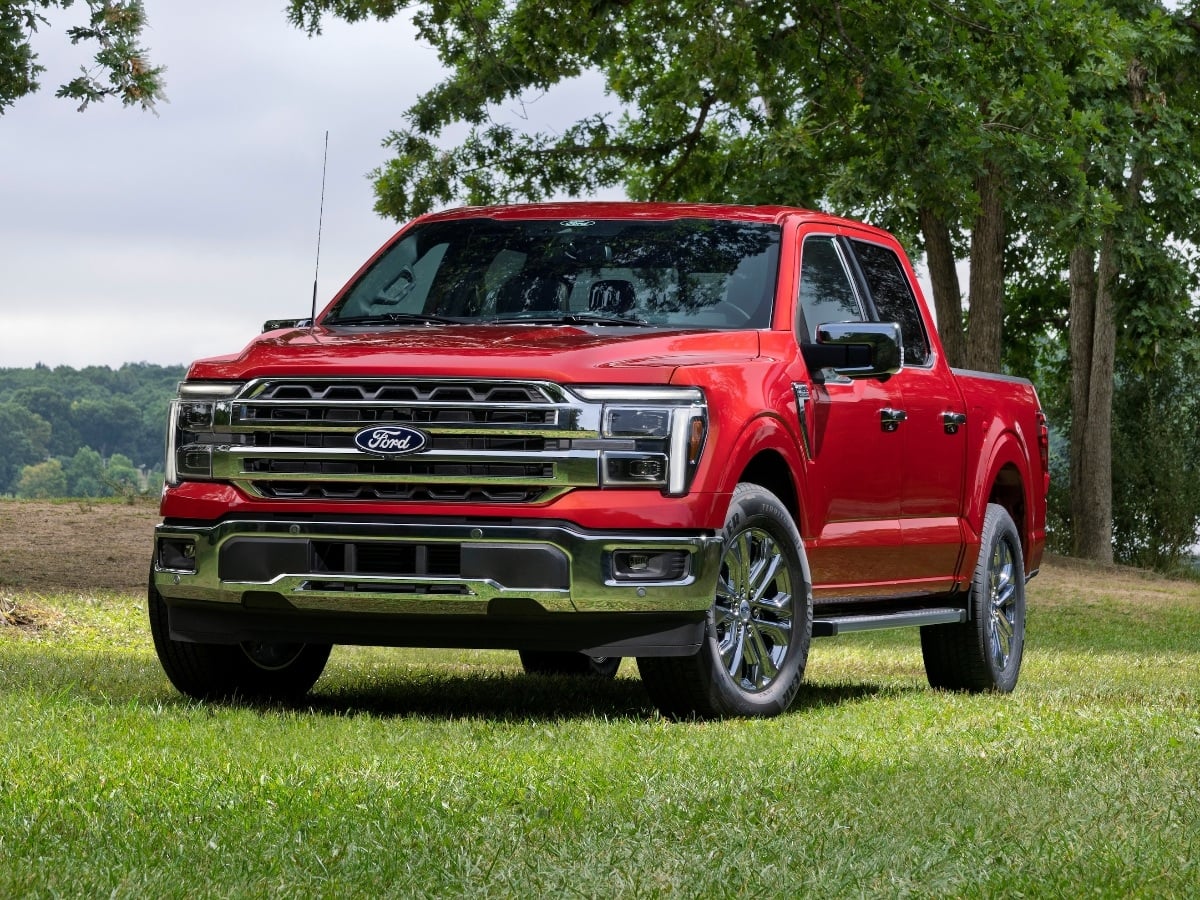
Facing renewed competition in the full-size, light duty pickup truck segment, the 2027 Ford F-150 receives subtle styling updates, a new standard engine, broader availability of its 5.0-liter V8, and ...See More
Read the Full Article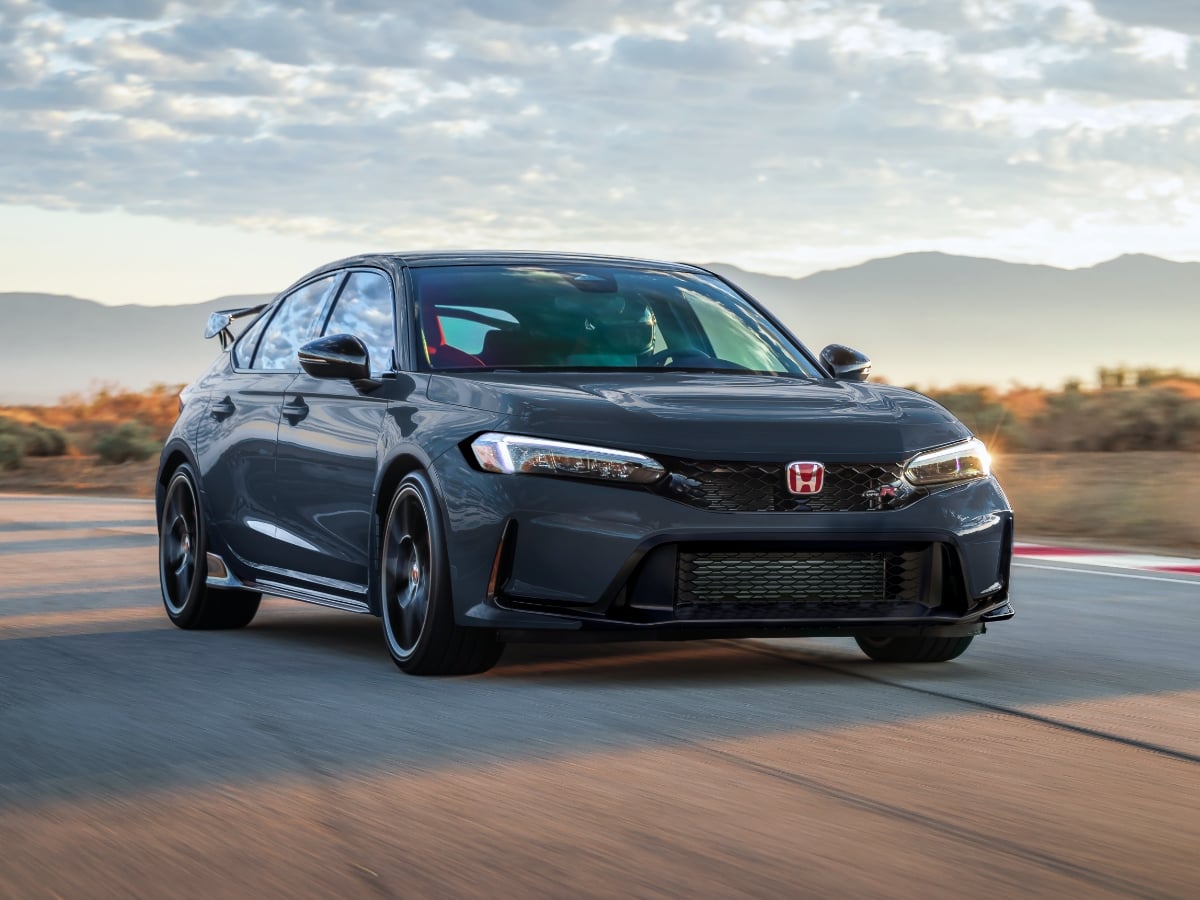
The 2027 Civic Type R goes on sale in October 2026, and it starts at $49,990, including the $1,295 destination charge.
Read the Full Article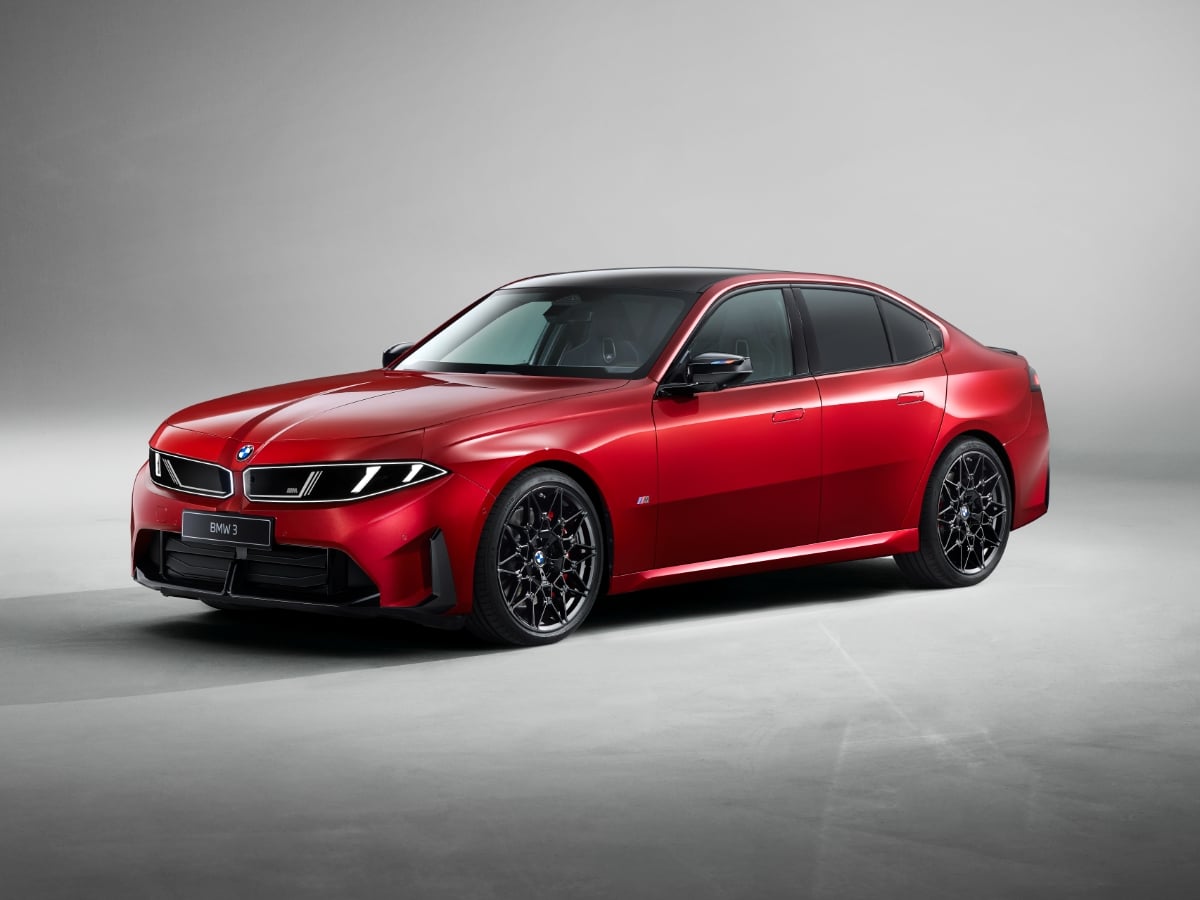
Part of BMW’s Neue Klasse (new class) rollout of redesigned models, the 2027 BMW 3 Series is all-new and goes on sale in the first quarter of 2027.
Read the Full Article