
Consumers and industry observers widely view autonomous vehicles (AVs) as the future of mobility. However, the latest research suggests that present-day consumer understanding of self-driving technologies remains low and may even be on a downward trend. According to the JD Power 2022 U.S Mobility Confidence Index (MCI) Study, consumer readiness for automation is nowhere close to where it will need to be to bring mainstream vehicle buyers into the market for fully automated passenger cars and trucks in the years ahead.
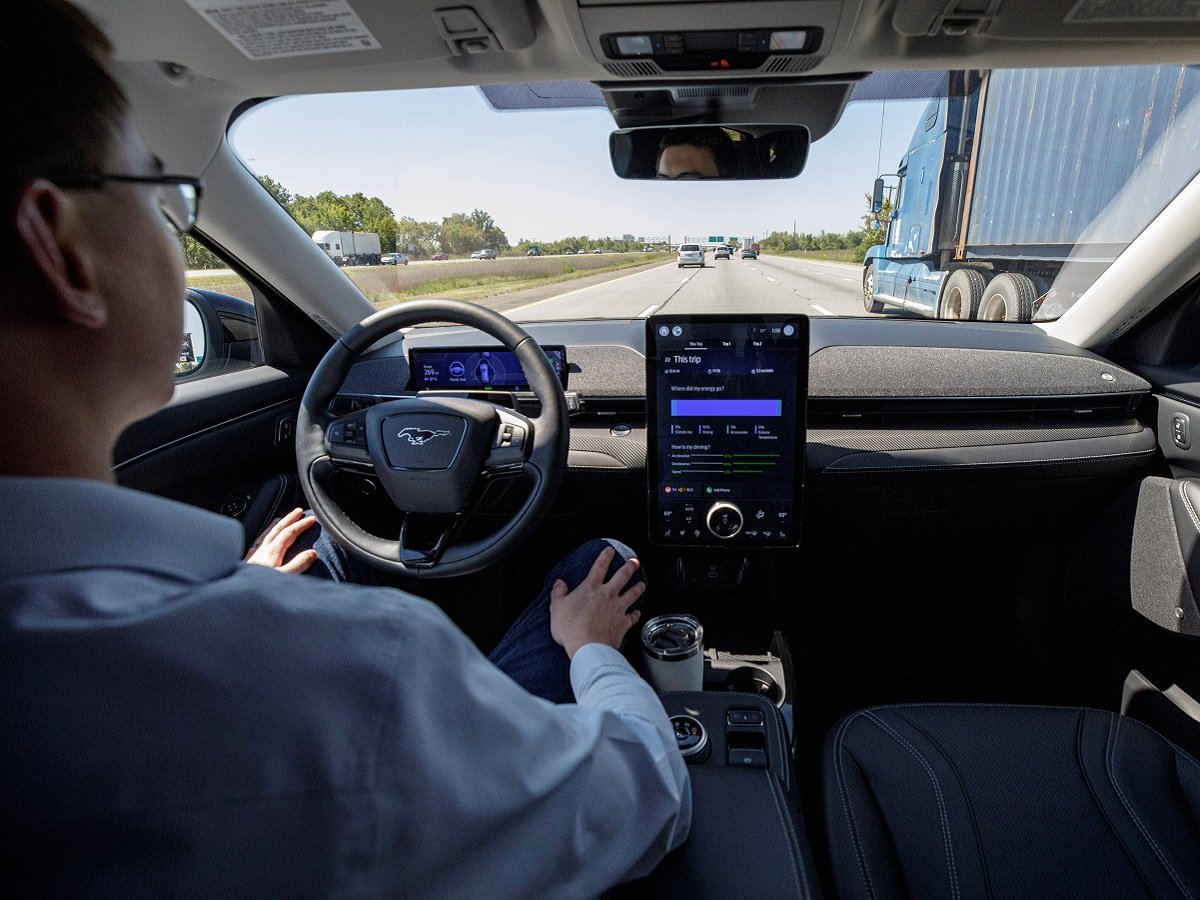
The MCI Study, conducted jointly by JD Power, Partners for Automated Vehicle Education (PAVE), and the MIT Advanced Vehicle Technology (AVT) Consortium, suggests that not only is consumer understanding of automated vehicles low, but it actually declined slightly from 2021. The decrease is surprising and counterintuitive, considering autonomous technology is a highly touted topic by the automotive industry and an equally well-covered topic by the news media.
Despite the subject matter’s widespread visibility, the study found that 65 percent of consumers inaccurately define fully automated, self-driving vehicles. Furthermore, 56 percent of respondents incorrectly classified the driver-assist technologies available today as fully automated, self-driving technologies, demonstrating a significant gap in AV knowledge and an overall lack of understanding in preparation for higher levels of automation.
Adding to the challenge, many consumers cannot differentiate between assisted driving, driver assistance, and semi-autonomous, which are each different in definition and application. But for many, these terms bleed together in meaning and create confusion in the broader context of automation, as defined by SAE Level 2 and Level 3 autonomous driving definitions. As a result, automakers face an ongoing challenge in educating their customers on the autonomous capabilities of the vehicles they sell.
“Our message has remained consistent,” said Lisa Boor, senior manager of auto benchmarking and mobility development at JD Power. “Industry stakeholders must work together to ensure clear and consistent messaging, and the use of consumer-facing terminology is part of this. Understanding which words and phrases resonate with consumers can help manage misconceptions and improve consumer understanding of AVs, which is a common goal.”
With this common goal in mind, here are the key findings from the 2022 MCI Study:
“These results provide further evidence that many consumers lack a clear understanding of the current status of automated and assisted driving technologies,” said Bryan Reimer, Ph.D., a research scientist in the MIT Center for Transportation and Logistics AgeLab and a founder of MIT’s AVT consortium.
“Highly automated driving technology is still very much in an evolving and testing stage; there are issues and limitations being encountered—and corrected. The sooner consumers recognize that they can leverage a range of ADAS features today to support their role as a driver while still having overall responsibility, the faster we may begin to prepare for a future in which we prioritize safe, convenient, and sustainable mobility choices that include highly automated vehicles.”
However, at this point, consumers are concerned that the developing technology is not yet proven and may have a long way to go. Until AV technology can break that barrier by bringing clarity among buyers, it will likely struggle with moving the needle on consumer confidence.
The 2022 Mobility Confidence Index Study is based on responses from 4,000 vehicle owners in the United States age 18 and older who completed a 15-minute online survey. The study was fielded in June 2022 and measures consumer readiness for AV technology in several categories: personal vehicles, commercial vehicles, public transit, riding if unable to drive due to age or injury, sharing the road with other AVs, and consumer purchase intent.
JD Power is the source of information for this article. It was accurate on October 3, 2022, but it may have changed since that date.


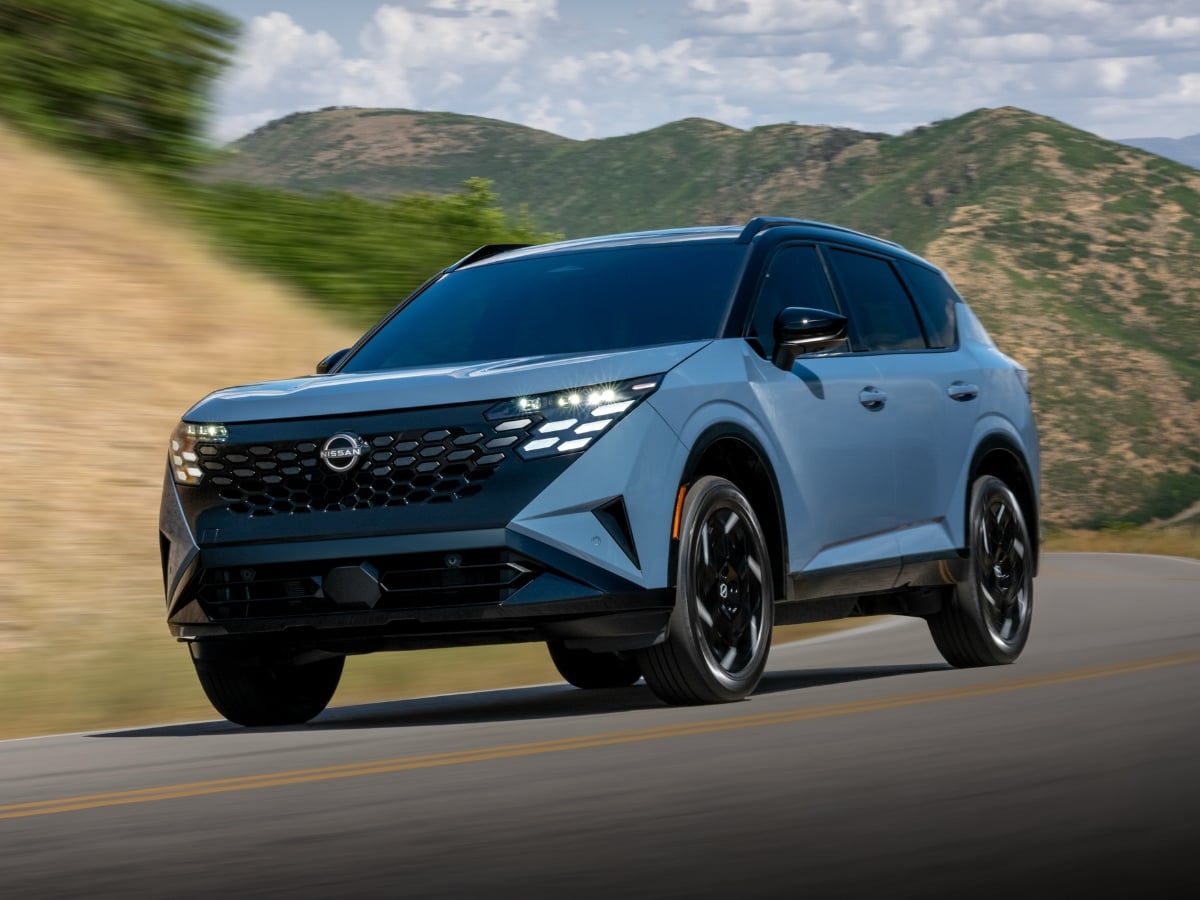
Nissan is about to introduce an innovative new SUV. The 2027 Nissan Rogue Hybrid has a gasoline engine, but it does not power the wheels. Instead, electric motors at each axle provide propulsion, ...See More
Read the Full Article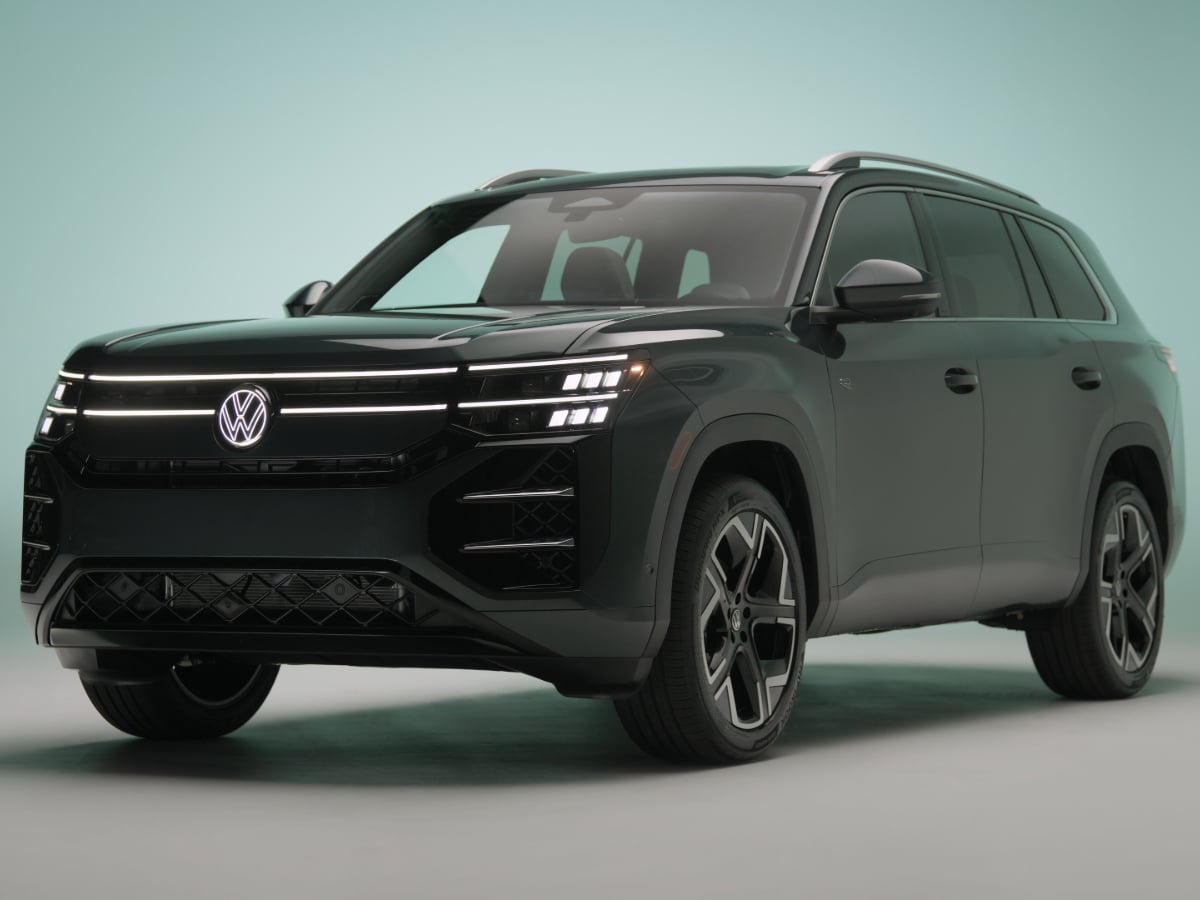
Adding European flair to the otherwise vanilla midsize three-row family SUV market, the redesigned 2027 Volkswagen Atlas debuts with a sharper exterior, an upgraded cabin, more power, and new ...See More
Read the Full Article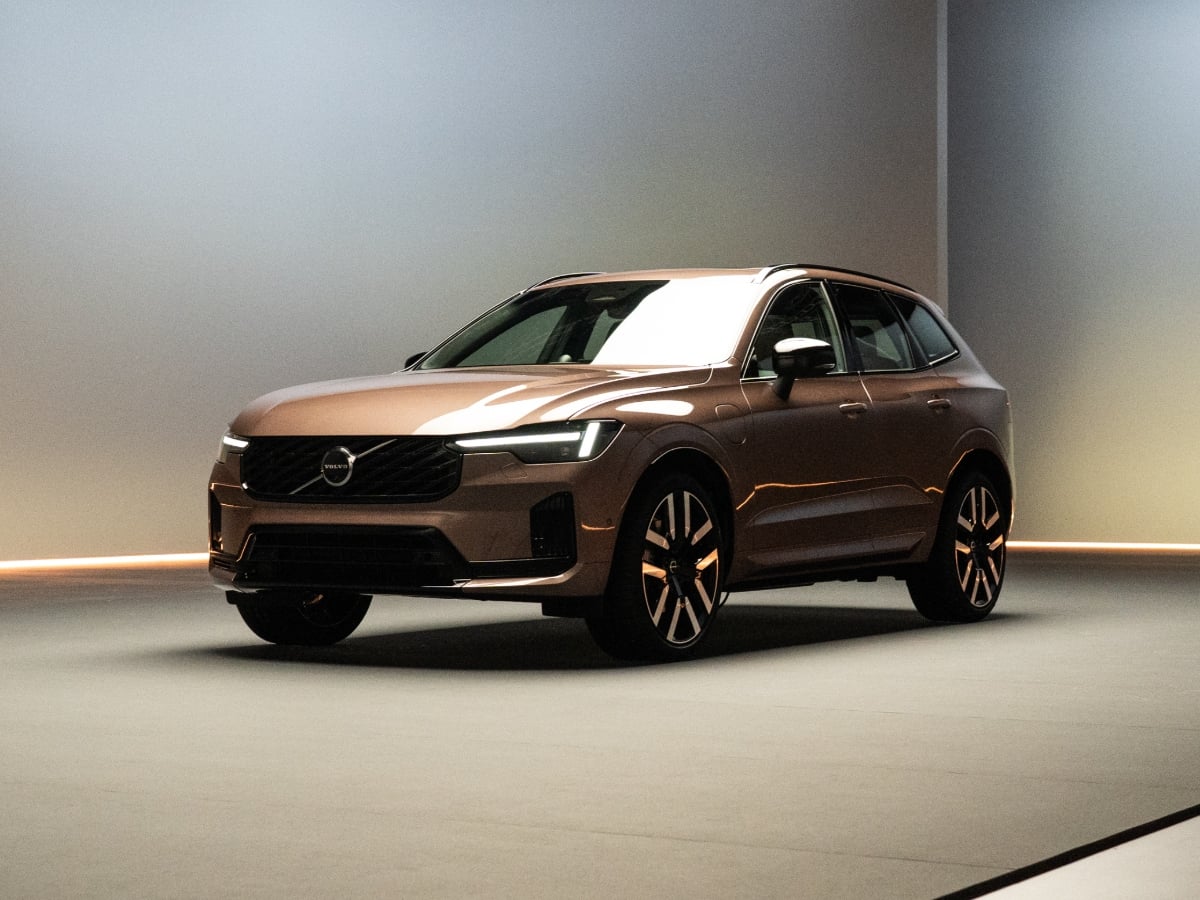
Though the styling stays largely the same, a massive boost in electric range for the plug-in hybrid (PHEV), plus a refined design, helps the 2028 Volvo XC60 stay current and desirable.
Read the Full Article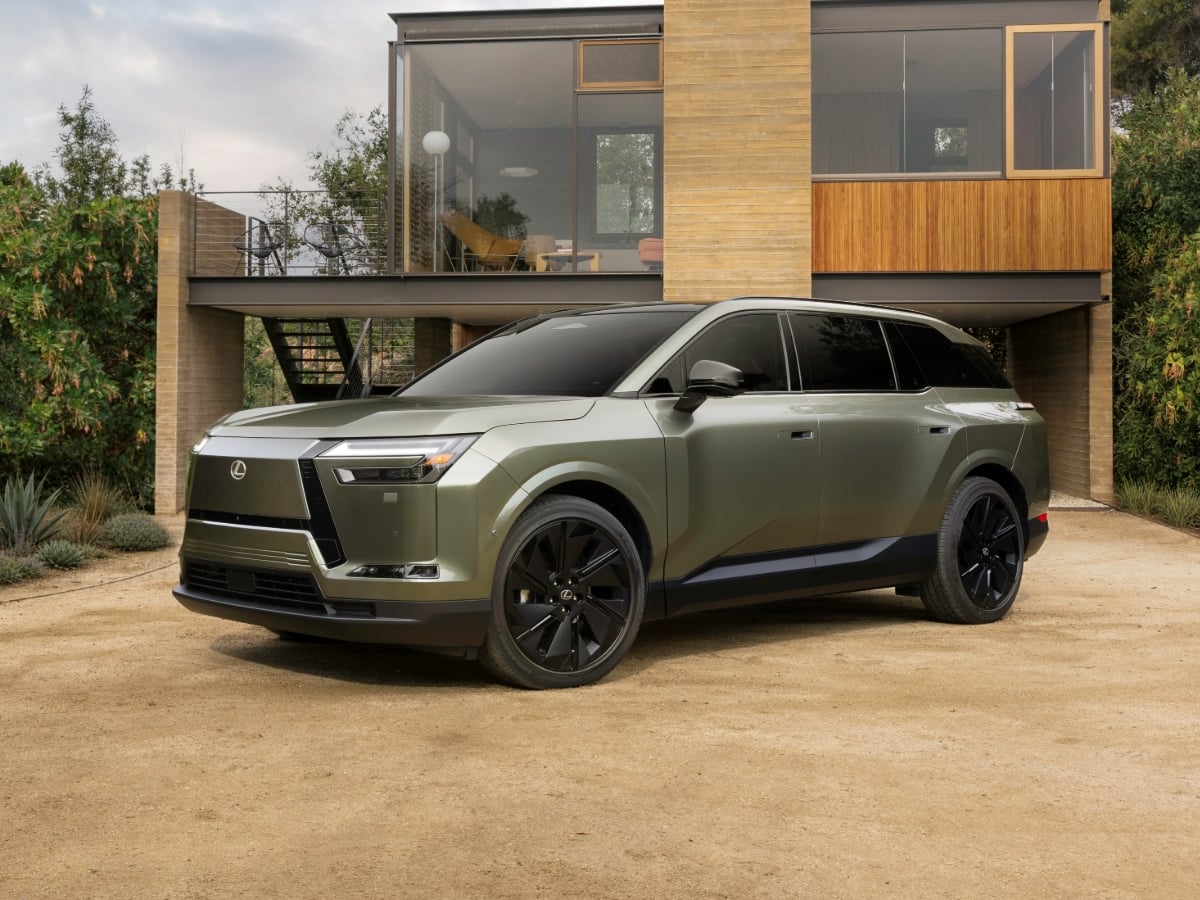
With the 2027 Lexus TZ, Toyota Motor’s luxury division introduces its first three-row all-electric SUV, featuring a lounge-inspired interior, an enhanced all-wheel drive (AWD) system, and up to 300 ...See More
Read the Full Article