
Each year, the JD Power Initial Quality Study (IQS) surveys new-vehicle owners to uncover problems they’ve experienced during the first 90 days of ownership. The study groups these problems into nine categories, including several related to vehicle technology. The study consistently shows that consumers struggle with the technology in their new vehicles. One aspect of vehicle technology—advanced driver assistance systems (ADAS)—is particularly vexing to consumers.

To better understand the types of problems new-vehicle buyers experience with their vehicles’ ADAS and to provide solutions to the industry, JD Power created a new study—the ADAS Quality and Satisfaction Study. The inaugural 2022 ADAS study finds that advanced driver assistance features account for 13 percent of total industry problems, averaging 23.1 problems per 100 vehicles (PP100).
“As vehicle technologies continue to evolve, manufacturers are working hard at staying innovative,” said Ashley Edgar, senior director of global automotive supplier benchmarking and alternative mobility at JD Power. “Although innovation is important, it is equally important to ensure current technologies, such as collision intervention features, are functioning to the highest degree. If manufacturers want to increase the level of autonomy in the future, today’s features cannot be problematic.” Edgar identified the features that negatively impact buyers’ responses and said that in the future, it would be vital for automakers to build trust with owners for them to trust, understand, and use complex new driver assistance technologies.
The 2022 ADAS Quality and Satisfaction Study reveals that lane-departure warning systems, lane-keeping assistance systems, and forward automatic emergency braking have the most significant impact on respondents’ scores. Survey responses indicate that the alerts for these systems are often annoying and that the features work inconsistently or not at all. Though these responses directly relate to buyers’ frustration with today’s new electric vehicles (EVs), they could indicate future skepticism toward adopting new driver assistance features.
Edgar points out that today’s ADAS tech is the platform upon which all future innovations will rest. Automakers must build customer trust and familiarity while demonstrating the features’ usefulness. She points out that without those things, it will be difficult for owners to adapt to higher levels of automation.
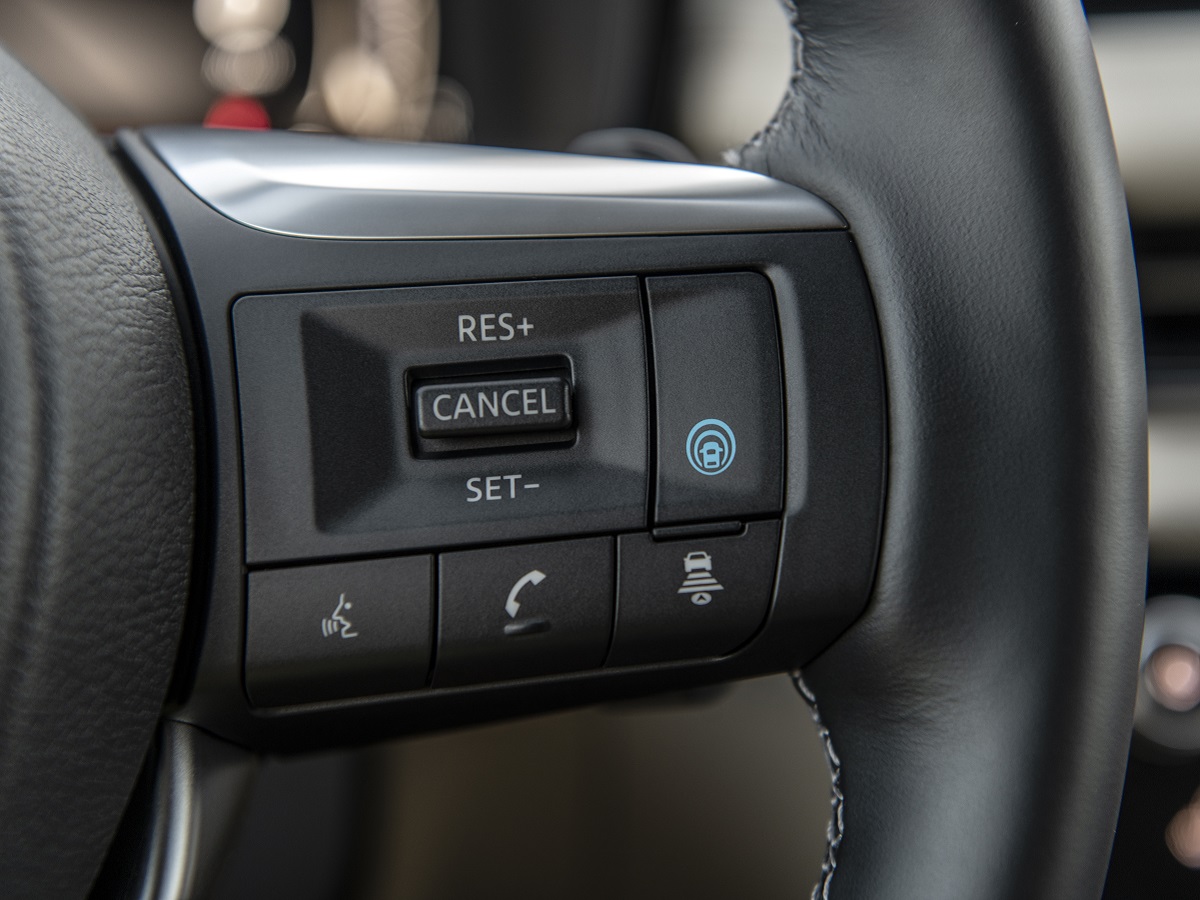
Responses from the 2022 study indicate more problems than last year, but Edgar notes that the types of responses are more interesting. This year, defect-related issues are more common than in 2021, with features like forward-collision warning/automatic emergency braking moving to 2 PP100 from 1.3 PP100. Edgar also says defects are more impactful because they can lead to lower satisfaction and a lack of trust.
In terms of a solution or how automakers could address these issues moving forward, Edgar says that “automakers could focus on their understanding of customer expectations and associated customer education.” Knowing what is happening in the car is key to trusting and using the features. She added, “when the customer understands the functionality and expected outcome, it will result in feeling safe and ultimately earn trust in the technology.”
JD Power is the source of information for this article. It was accurate on October 25, 2022, but it may have changed since that date.


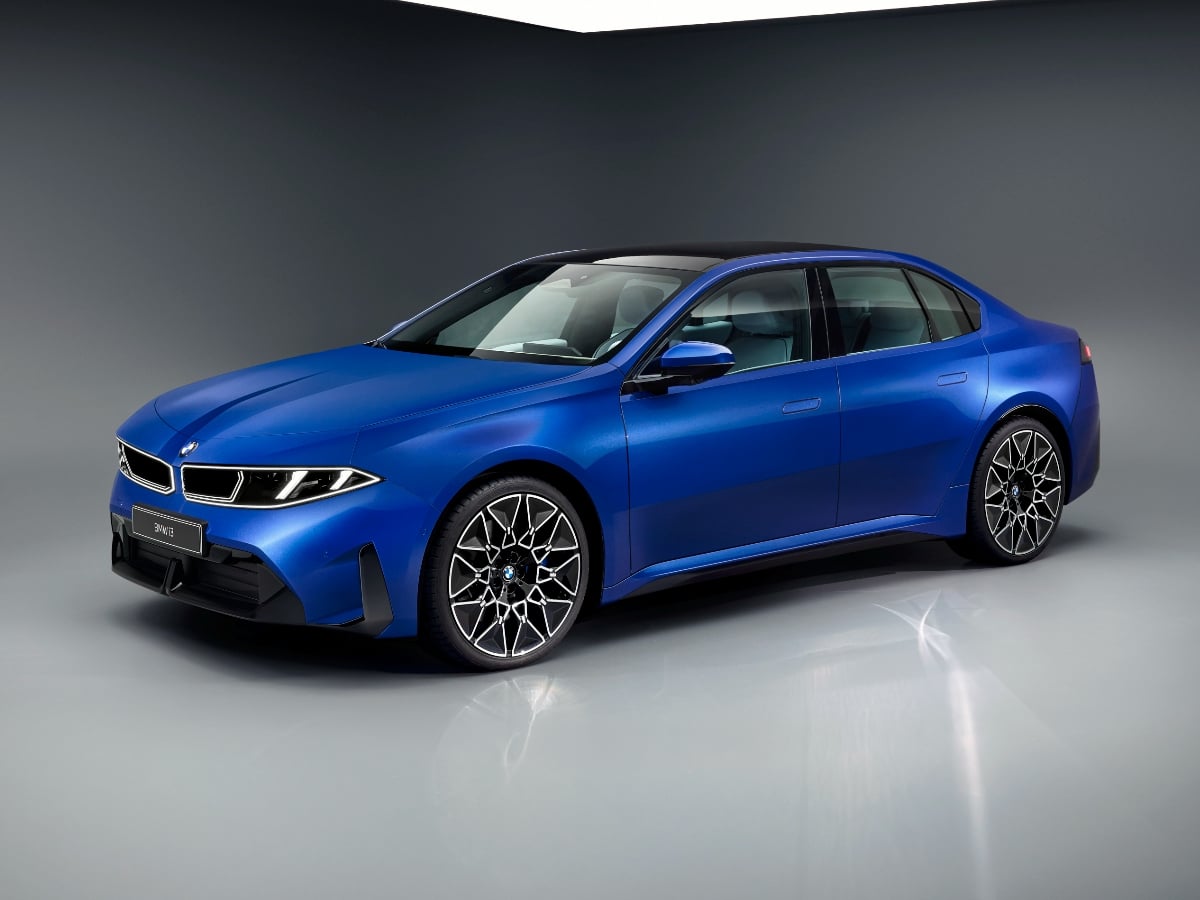
The new 2027 BMW i3 boasts an estimated range of up to 440 miles, 400-kilowatt DC fast charging capability, bidirectional charging to a home or the grid, and next-generation technology.
Read the Full Article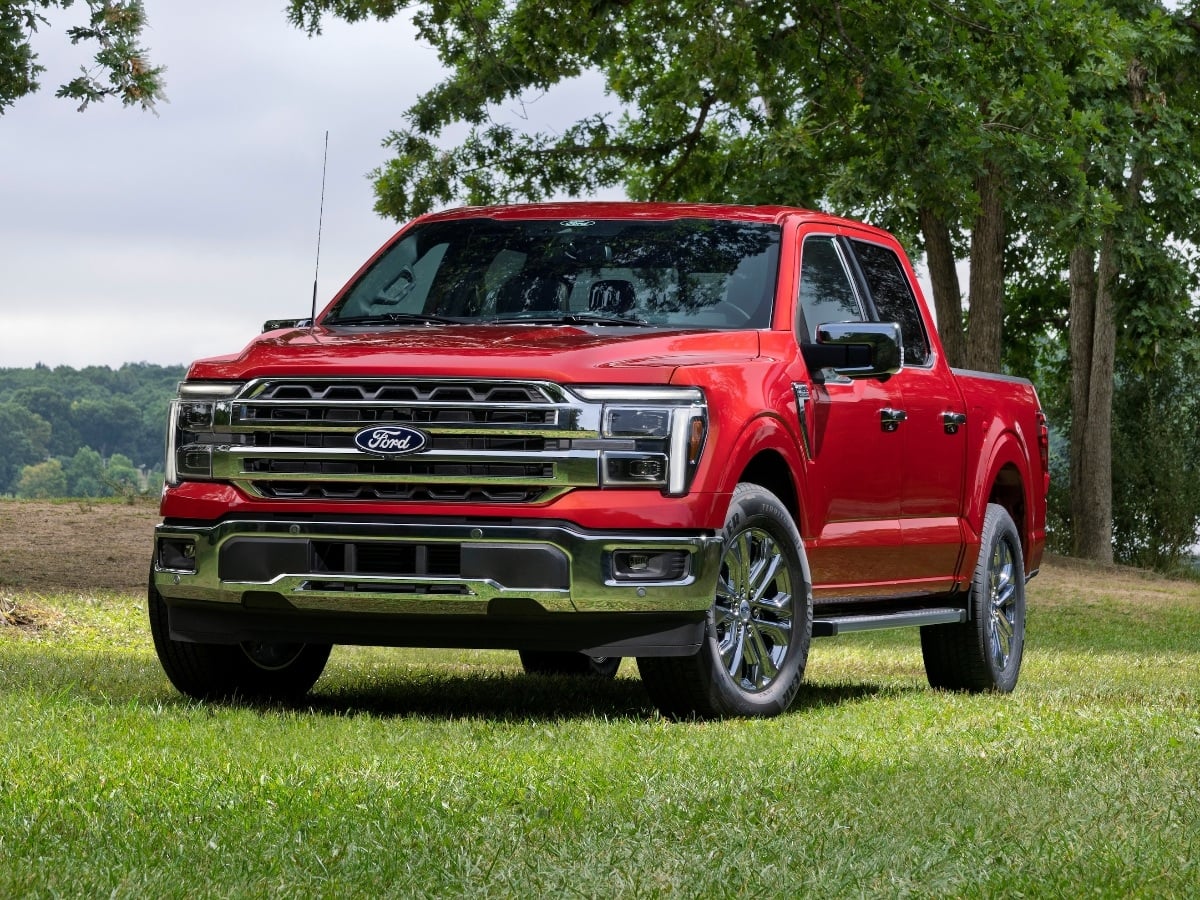
Facing renewed competition in the full-size, light duty pickup truck segment, the 2027 Ford F-150 receives subtle styling updates, a new standard engine, broader availability of its 5.0-liter V8, and ...See More
Read the Full Article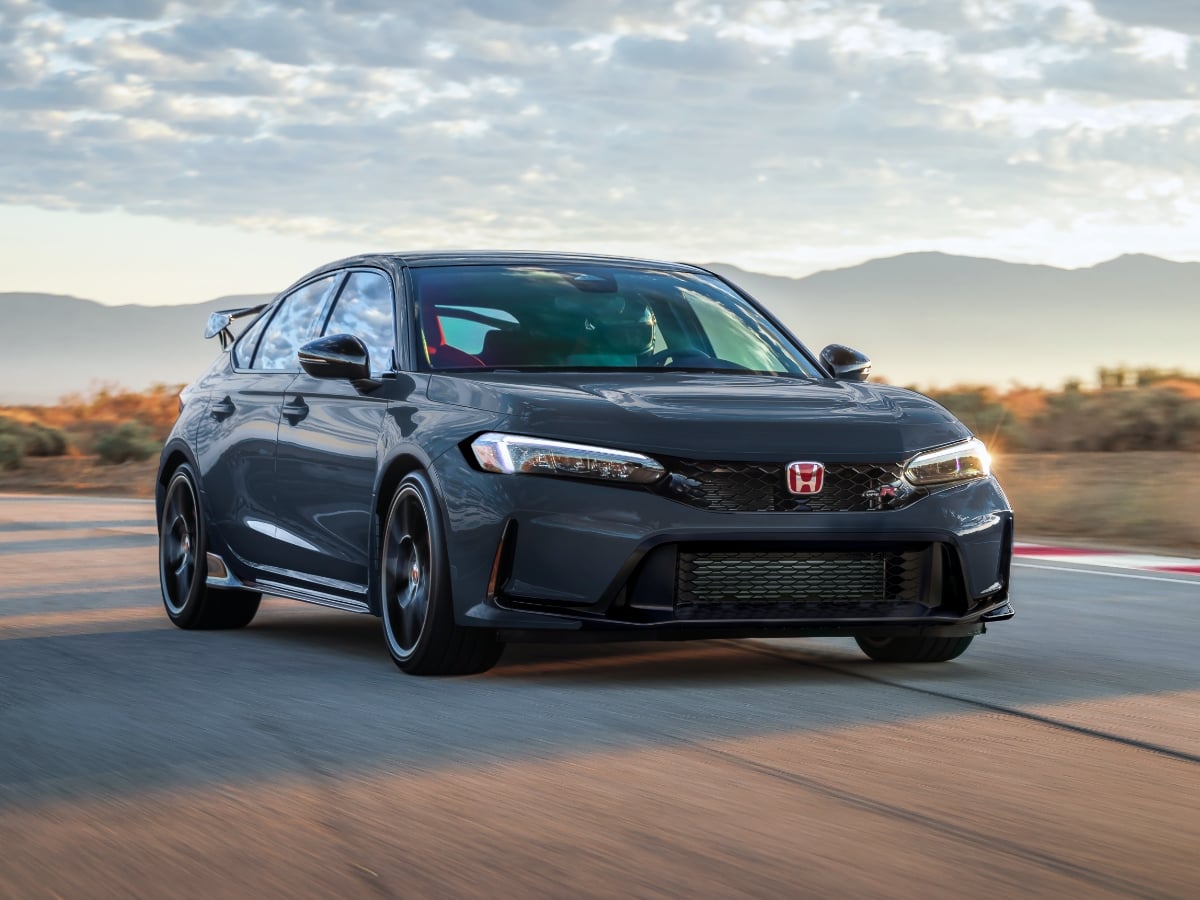
The 2027 Civic Type R goes on sale in October 2026, and it starts at $49,990, including the $1,295 destination charge.
Read the Full Article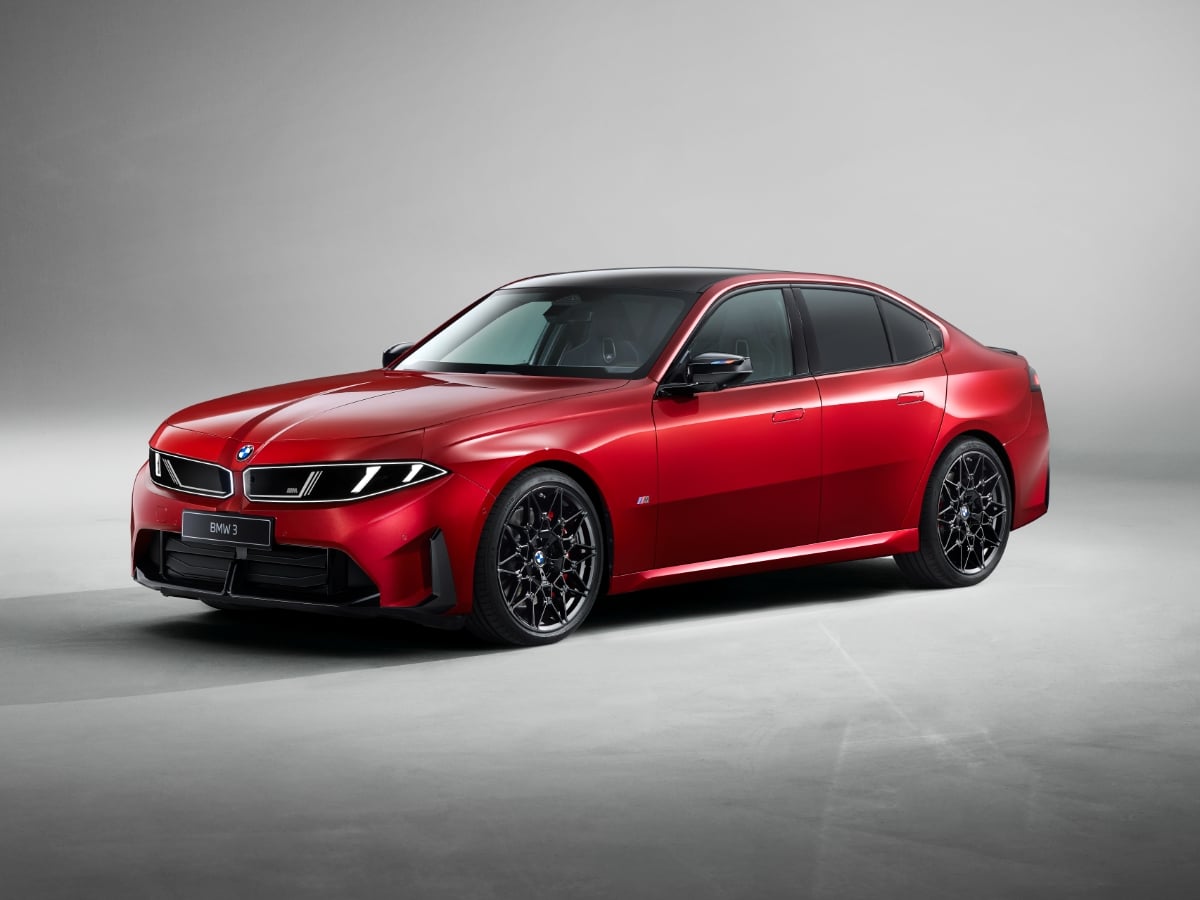
Part of BMW’s Neue Klasse (new class) rollout of redesigned models, the 2027 BMW 3 Series is all-new and goes on sale in the first quarter of 2027.
Read the Full Article