
Having covered both the Samurai and the Prelude, it’s now time to move to American manufacturers.
Chevrolet had quite a fantastic journey throughout its years of existence. The venture started as a private company and grew into a full-blown manufacturer, giving Ford a run for the money in 1929. It’s no wonder Chevrolet produced many excellent vehicles, including the Chevy Nova.

The Chevy Nova was first introduced in 1962 as the top trim level for the new Chevy II compact. While the compact itself, the Corvair, was meant to be a rival for Volkswagen Bettle, the Chevy II was to challenge Ford Falcon. However, the production was too cheap and rushed. It did alright and felt like a comfortable-to-ride-in car.
Officially called the Chevy II Nova 400, the model sold in two- or four-door sedan, four-door wagon, two-door convertible, or two-door hardtop couple variants, with the latter being exclusive to the Nova line. They were also powered by the 120-horsepower, 194-cubic-inch displacement straight six.
Chevrolet introduced the SS package for 1963 Nova convertibles and Sport Coupe hardtops, though it gave the car a sporty look as it didn’t have a powerful enough engine. However, sooner or later, Chevrolet introduced a V-8 option that produced 195 horsepower and, later on, 220 horsepower. Yet another option was able to pull off 155 horsepower with the 3.8-liter “Turbo-Thrift”.
However, the sales dived. Chevrolet had produced a mid-size Chevelle that was trampling the Nova. An upgraded V-8 was used for the 1965 Nova (250 and 350 horsepower), but the result was similar, as internal competition drove away potential customers. It also didn’t help that Ford was selling too many Falcons.
Chevrolet continued to tinker with the engine and, by 1966, put in a 350-horsepower version of the 327. Sales picked up but then dropped again due to Camaro’s release.
Two years after, Chevrolet had another go at Nova, styling it similarly to the Chevelle. The wheelbase was about 111 inches, and the cars were either two- or four-door sedans. The company also removed Nova wagons, convertibles, and hardtop coupes. They slowly drifted away from the Chevy II Nova and referred to the model as “Nova”.
The engine offered still included 90-horsepower 2.5 liter, 230- and 250-horsepower straight sixes, 2.5-liter four, with the addition of two new V-8s: a 200-horsepower 307-cid(5.0 liter), and a 295-horsepower 350 cid (5.7-liter). This, in essence, turned Nova into a muscle car.
In 1969 Chevy II name was officially dropped, and the vehicle turned into a full-blown muscle car that got progressively more powerful engines later on.
1973 saw yet another change, a hatchback version of Nova. The SS model was downgraded to a package with appearance options and heavy-duty suspension. You could pick any engine, with the best being the 175-horsepower 350. A year later, the engine choices got slimmer.
In 1975 everyone saw the new Nova. It lost its signature 60s look, trading it for a new-age design. A new LN model was introduced as a luxury automobile, with body styles including a four-door sedan and two-door coupe.
The engine lineup included a stalwart 250-cid six with 105 horsepower, a 110-horsepower, 262-cid (4.3-liter) V-8, and 145- and 155-horsepower versions of the 350. A year later LN model was no longer a Nova, becoming a separate vehicle called Concours.
In 1984, GM decided to take a curious turn with the Nova. Seeing that the Japanese could produce reliable vehicles at competitive prices made them strike a deal. They established a partnership with Toyota in a venture called New United Motor Manufacturing, Inc. GM wanted to see firsthand what their partner would make the auto.
The new Nova was a direct product of this venture. This time it was based on the Toyota Corolla and came as a four-door front-wheel-drive sedan or hatchback with a 74-horsepower 1.6-liter four-cylinder engine. Although they added the option to go with 110-horsepower, other changes were minimal. Eventually, Nova got the name Geo Prizm, and vehicles were no longer sold under that name.
Even though the Chevy Nova saw had a complicated development history, it’s clear that GM wasn’t sure in which direction they wanted to take the vehicle. The car’s success didn’t reach Supra’s standards but still is solid due to technological features and overall quality.
The Nova was and maybe still is a great car that can make any car lover happy.


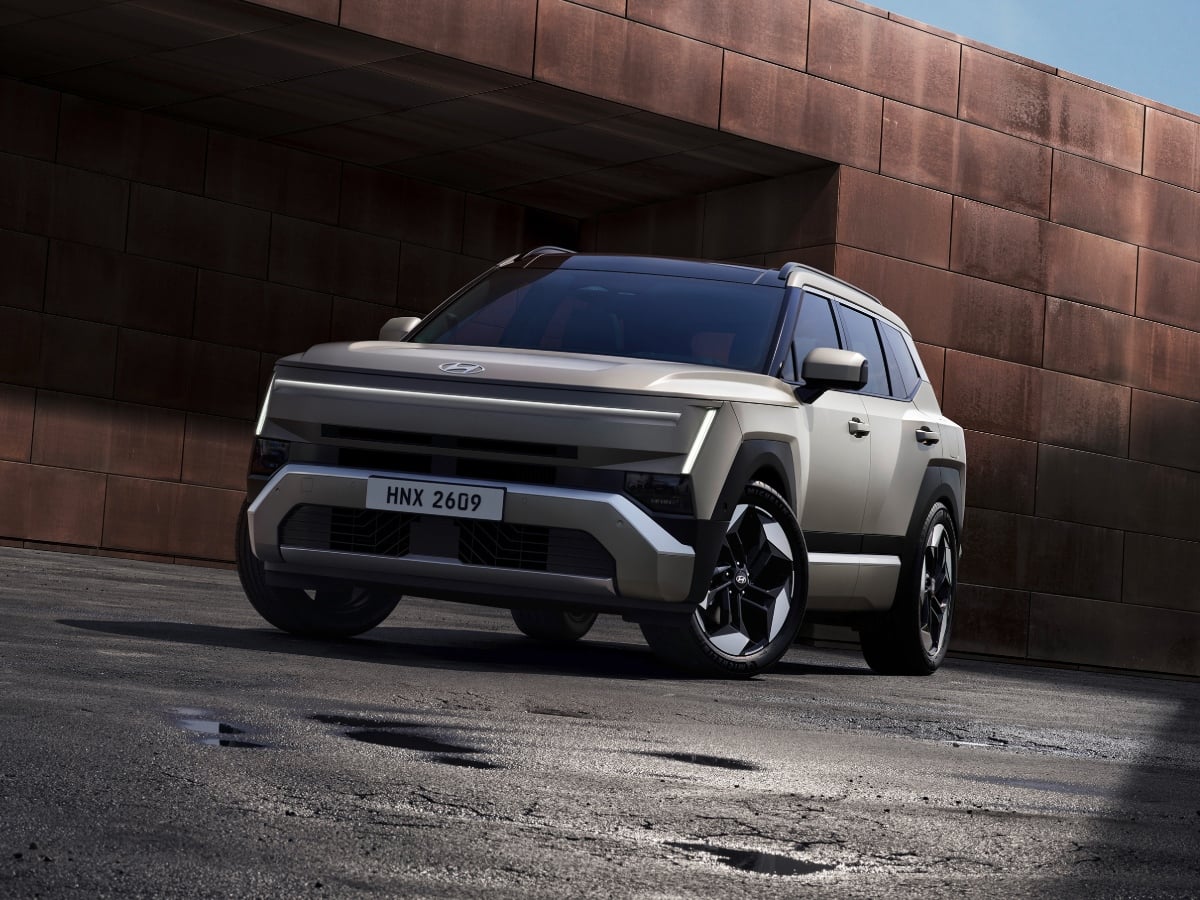
With a purposeful new design and some trail-ready upgrades, the 2027 Hyundai Tucson is pushing the brand's best-selling crossover SUV into more aggressive territory.
Read the Full Article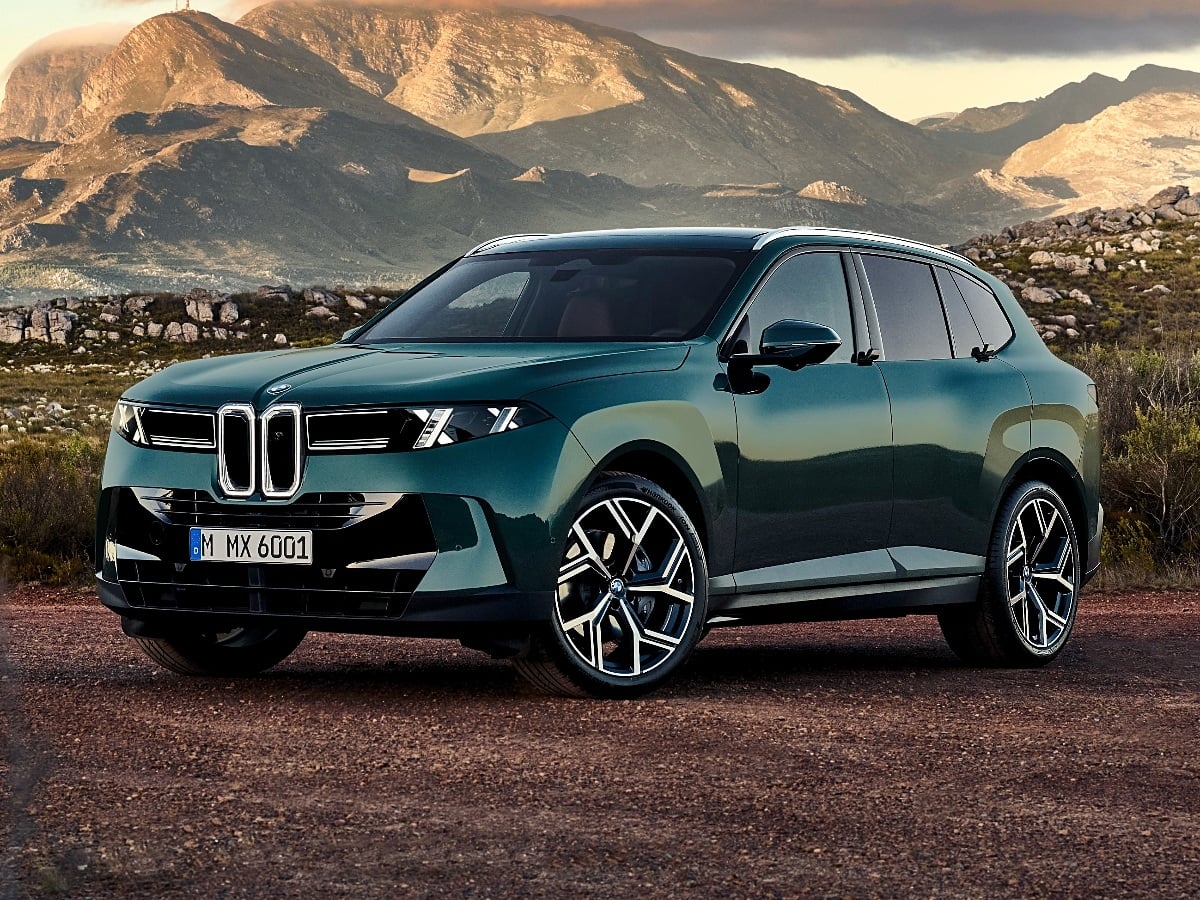
For more than 25 years, the BMW X5 has helped to define the luxury SUV segment. Now, the redesigned fifth-generation 2027 BMW X5 arrives with the automaker’s Neue Klasse styling, a roomier interior, ...See More
Read the Full Article
One of Lexus's most popular models, the NX crossover SUV is also one of the most affordable in the company’s lineup. The 2027 Lexus NX transitions to hybrid-only powertrains, and gets revised ...See More
Read the Full Article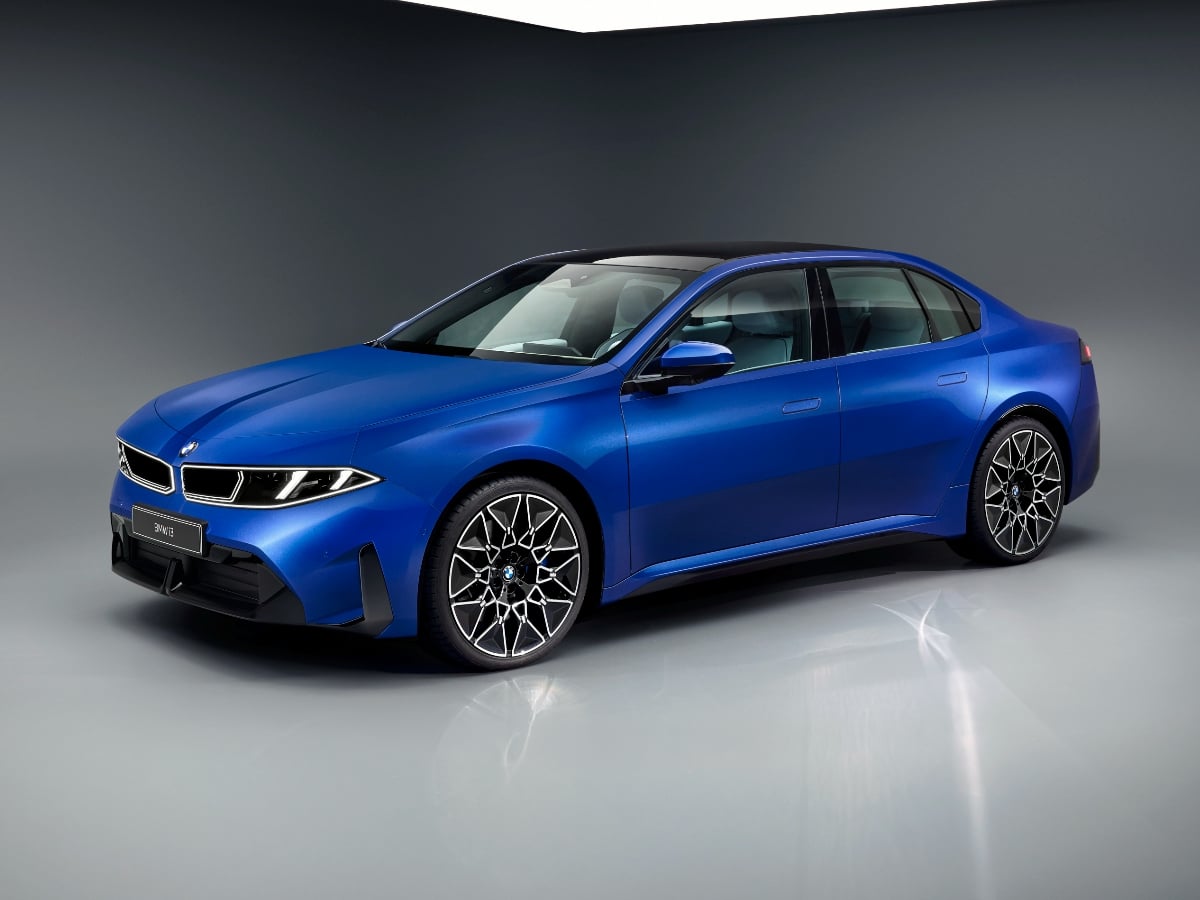
The new 2027 BMW i3 boasts an estimated range of up to 440 miles, 400-kilowatt DC fast charging capability, bidirectional charging to a home or the grid, and next-generation technology.
Read the Full Article