
Electric vehicles (EVs) cost more than their gas-powered counterparts, but some argue they are not only better for the planet, but they are also more economical in the long term. However, for many, the upfront cost is still a big hurdle.

For example, the 2024 Nissan Leaf is the lowest-priced EV of the year with an MSRP of $28,140. In comparison, the 2024 Mitsubishi Mirage, the lowest-priced new combustion engine vehicle of the year, retails for just $16,695.
With new technological advances, recent financial reports suggest that average EV sticker prices could come close to matching comparable gas-powered cars by 2026. This article outlines what’s driving the production costs of new EVs and why these models are expected to be more affordable.
A March 2024 Cox Automotive report states that the average transaction price (ATP) for a new EV in February 2024 was approximately $52,314. This is more than $2,500 lower than the estimated ATP in January. Although EV costs have been steadily dropping, the ATP of an EV sat at $47,244 in February 2024—higher than the ATP of all brand-new vehicles.
American car shoppers looking to purchase a new electric vehicle can take advantage of local, state, and federal incentives and rebates to reduce the upfront costs. Examples include the federal Clean Vehicle Tax Credit, which offers a rebate of up to $7,500 on qualifying new vehicles, or New York State’s Drive Clean Rebate, which offers up to an additional $2,000 off on EVs.
However, these incentives may be limited or set to expire in the near future. For example, the Clean Vehicle Tax Credit is set to end in 2032 unless policy changes or legislative action terminates the program early.
According to a January 2024 report by RSM, the single largest factor influencing the price of an electric vehicle is the battery. Battery production costs are about 40% to 50% of the vehicle’s total manufacturing expenses.
In 2021 and 2022, the prices of natural resources needed to manufacture EV batteries, such as lithium, manganese, cobalt, and nickel, spiked. This cost increase, combined with global supply chain disruptions, was the leading cause of the surge in EV prices.
The RSM report indicates that these increased manufacturing costs affected the United States market the most. This is due to the country’s greater demand for SUVs and long-range, high-capacity batteries, which need more raw materials to produce.
Small and medium-sized electric cars, which have smaller batteries and lower manufacturing costs, dominate the Chinese and European markets, but remain uncommon in the United States.
Here are the main reasons why these cheaper EVs are challenging to find on the U.S. market:
Data analysis conducted by investment firm Goldman Sachs revealed that the supply of raw materials needed to produce EV batteries is catching up to the demand. The firm expects a price decline of nearly 40% for EV battery metals from 2023 to 2025, and automakers may pass on the savings to customers.
Reduced raw material costs could allow electric vehicles to reach cost parity, meaning the average EV would cost about the same as a combustion engine equivalent. Long-term predictions suggest that EV purchases will continue to increase in the United States and reach 50% of all new car sales by 2030.
In December 2017, the average cost to manufacture an EV battery was estimated at roughly $209 per kilowatt-hour (kWh) of battery capacity. By the end of 2023, Goldman Sachs estimated the cost per kWh fell to $149, and that by the end of 2024, it may reach $111 or less.
The firm expects automakers to reduce the sticker price of new EVs accordingly, with estimates as low as 50% lower than current prices as of October 2024. While it will primarily benefit new EV buyers, the cost to replace an EV’s battery is also set to drop, which will be a relief to existing EV owners.
While EVs will likely become more affordable and accessible in 2025 and beyond, good deals on EVs can be found today. Car shoppers can potentially save thousands of dollars on the price of a new electric model by taking advantage of EV incentives.
Researching local, state, and federal incentives, benefits, and other rebates on JD Power is a convenient way to make an EV purchase more affordable.
Corentin’s passion for the automotive world started when he was just seven years old, during a life-changing visit to an auto museum. Now a seasoned writer, Corentin channels that early fascination into every piece he writes, whether he’s exploring the latest car trends or automotive history. But his expertise doesn't end there—he also brings his insights to topics like home improvement, the boating and yachting industry, personal finance tips, and cutting-edge tech.


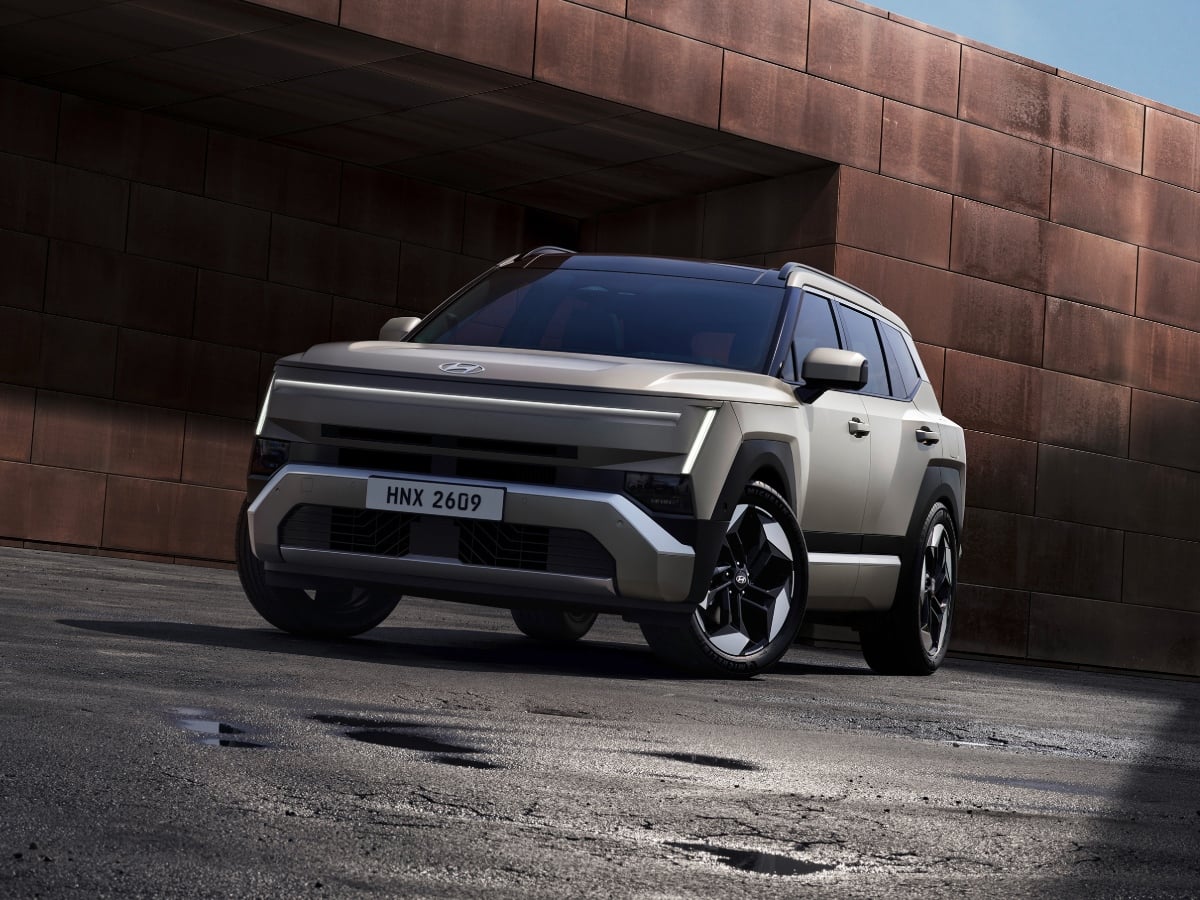
With a purposeful new design and some trail-ready upgrades, the 2027 Hyundai Tucson is pushing the brand's best-selling crossover SUV into more aggressive territory.
Read the Full Article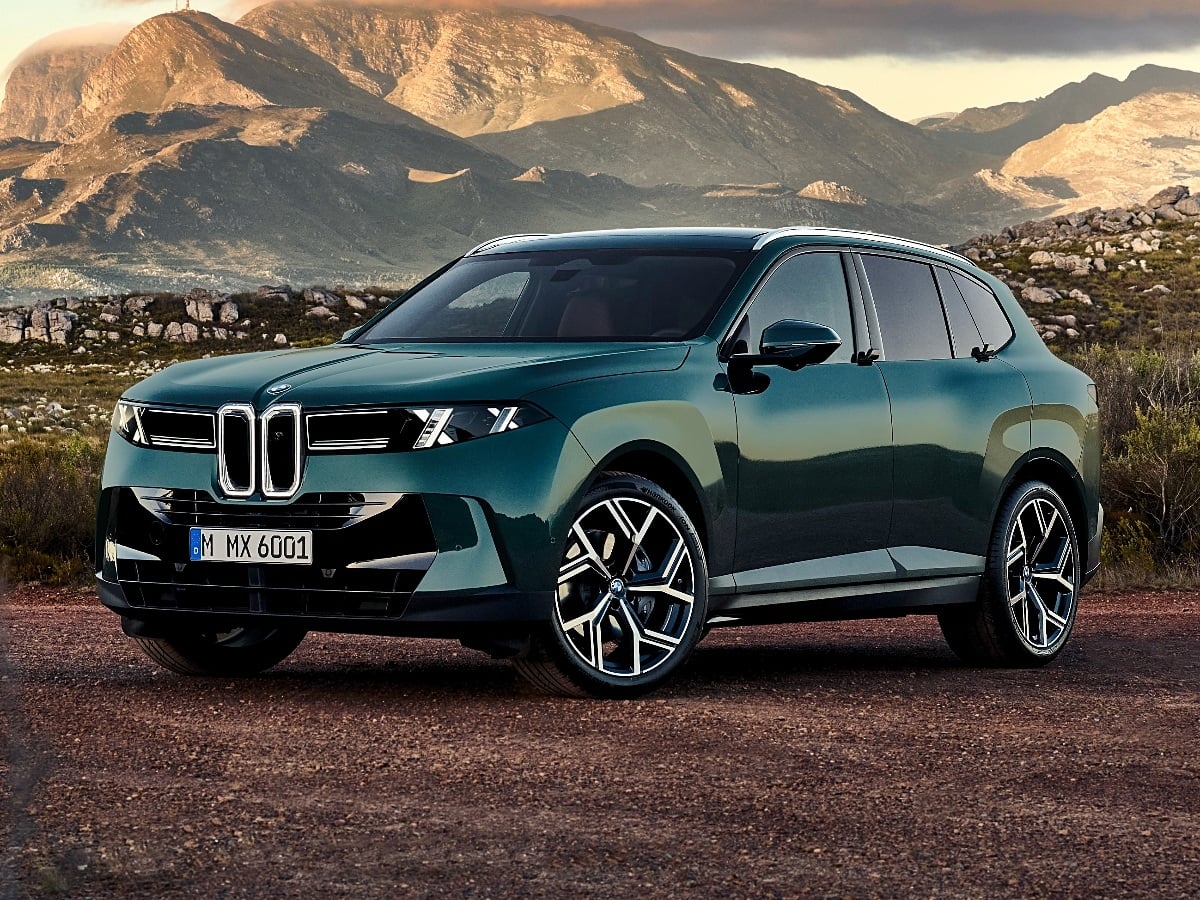
For more than 25 years, the BMW X5 has helped to define the luxury SUV segment. Now, the redesigned fifth-generation 2027 BMW X5 arrives with the automaker’s Neue Klasse styling, a roomier interior, ...See More
Read the Full Article
One of Lexus's most popular models, the NX crossover SUV is also one of the most affordable in the company’s lineup. The 2027 Lexus NX transitions to hybrid-only powertrains, and gets revised ...See More
Read the Full Article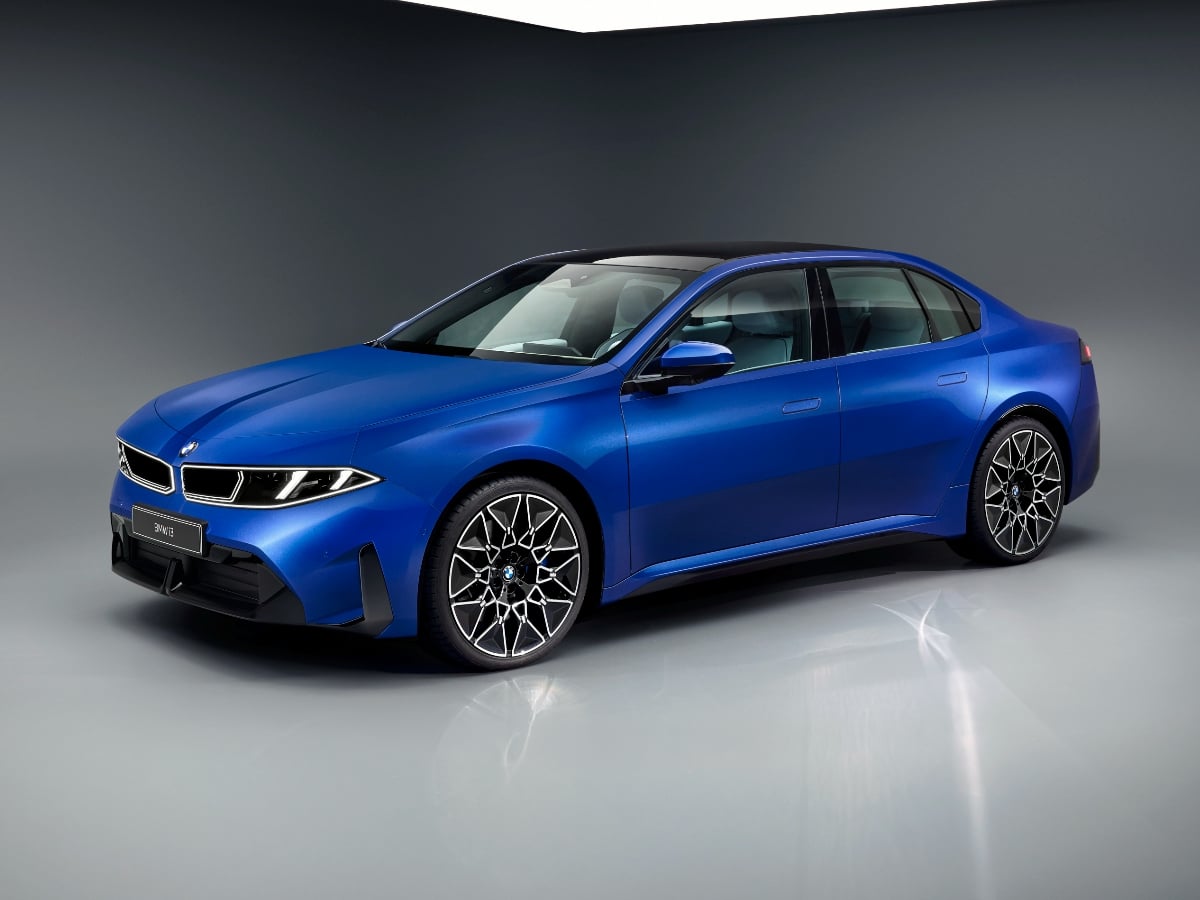
The new 2027 BMW i3 boasts an estimated range of up to 440 miles, 400-kilowatt DC fast charging capability, bidirectional charging to a home or the grid, and next-generation technology.
Read the Full Article