
Best known for its application in high-end vehicle interiors, Alcantara is a soft, velvety, synthetic material that looks and feels like suede but isn’t. So, what exactly is Alcantara, and how does it differ from suede and genuine leather?
.jpg)
Photo: Drew Phillips
Before explaining Alcantara and its differences from suede, we must first understand what suede is. The dictionary defines suede as a type of leather with a fuzzy, napped finish commonly used for jackets, shoes, fabrics, purses, furniture, and other items. Suede is also used in cars but on a limited basis.
Suede gained popularity in the 1800s in women's gloves and became regarded as an upscale material used in luxury products consumed by those of affluence. Much later, it was popularized widely in American culture and fashion by Elvis Presley's iconic version of the song, "Blue Suede Shoes."
Materially, suede is a form of leather made from the underside of animal skin, primarily lamb, goat, and deer. To make suede, the animal skin is separated from the top exterior skin layer, exposing the thin, softer layer underneath. As such, suede is considered a split leather, unlike the tougher full-grain leather we generally see in vehicle interiors.
Compared to ordinary leather, suede is more delicate and requires special care and cleaning. Its softness and pliability make it suitable for clothing and furniture. However, due to its open pores and absorbent nature, which allows it to take in dirt and liquids readily, it is not always ideal for vehicle interiors.
With a look and feel similar to suede, Alcantara is a synthetic material that has become the overwhelmingly accepted substitute for suede, especially in automotive applications. Like suede, it has a velvety texture and is soft to the touch but more resilient.
Founded in 1972, Alcantara is a proprietary microsuede material produced and trademarked by Alcantara S.p.A., based in Milan, Italy. Although its exact makeup remains a company secret, it has a composition of approximately 68 percent polyester and 32 percent polyurethane.
Alcantara first made its way into automobiles through its use in racecars due to some versions of the material having flame-retardant properties. But it wasn't long before performance and luxury brands such as Lamborghini and Porsche began using it generously across their vehicle interiors. Thanks to its premium look and feel, it quickly gained popularity in the luxury and performance set.
Nowadays, automakers widely use Alcantara as a premium touchpoint, including those with affordable mainstream models at varying price levels. Due to its versatility, Alcantara has applications outside the automotive industry, including apparel and fashion accessories, furniture and interior design, and consumer electronics.
According to Alcantara S.p.A., environmental sustainability is a high priority for the brand. As such, the company's production of Alcantara has been certified 100-percent carbon neutral based on its efforts to offset greenhouse gas emissions by acquiring carbon credits from certified sources.
The company acknowledges that carbon offsetting is not a standalone solution but purports that carbon credits help combat climate change and have an overall impact on reducing global greenhouse emissions.
Besides carbon neutrality, there are several other advantages Alcantara has over natural suede:
Alcantara seems to have far fewer negatives compared to its benefits:
Alcantara has its share of synthetic suede or microsuede competitors worldwide. Dinamica, a recyclable microfiber produced in Japan, is perhaps the best-known. With a similar feel to Alcantara, automakers primarily use Dinamica for vehicle seats and headliners. Several auto brands have used Dinamica, including Cadillac and Mercedes-Benz, but the most common association is with the Ford brand.
Another competitor with applications in the United States is Ultrasuede. Mazda and Toyota have used this microfiber in their vehicle interiors.
Alcantara is not suede but has virtually the same look and feel. It's also sustainable, durable, and less expensive to produce, making it a popular choice for covering seats, steering wheels, doors, dashboards, and other interior vehicle surfaces.
To learn more about various automotive topics, visit the Shopping Guides section of the website.
Jessica Shea Choksey is an experienced writer in the automotive field. In addition to JDPower.com, she was a correspondent for PBS's MotorWeek, and her work has appeared on AutoTrader.


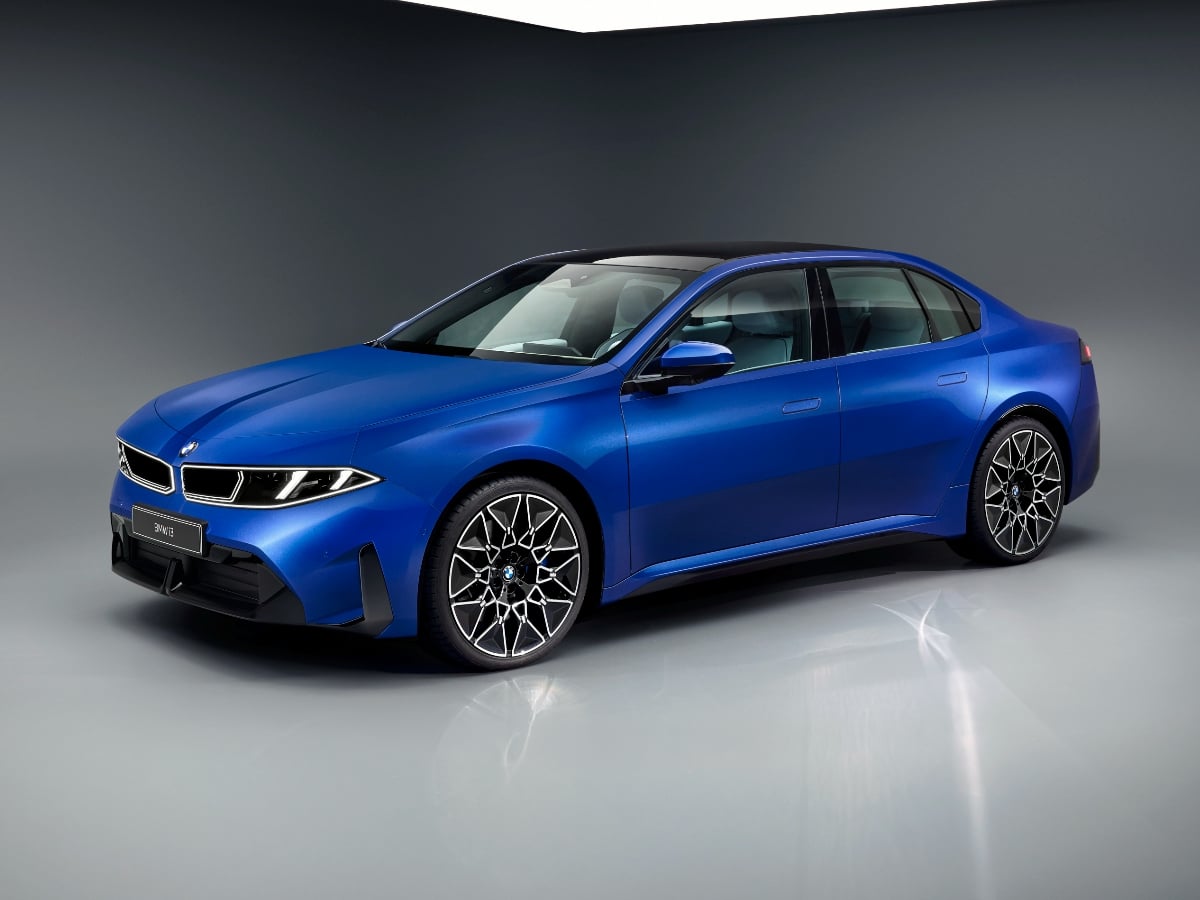
The new 2027 BMW i3 boasts an estimated range of up to 440 miles, 400-kilowatt DC fast charging capability, bidirectional charging to a home or the grid, and next-generation technology.
Read the Full Article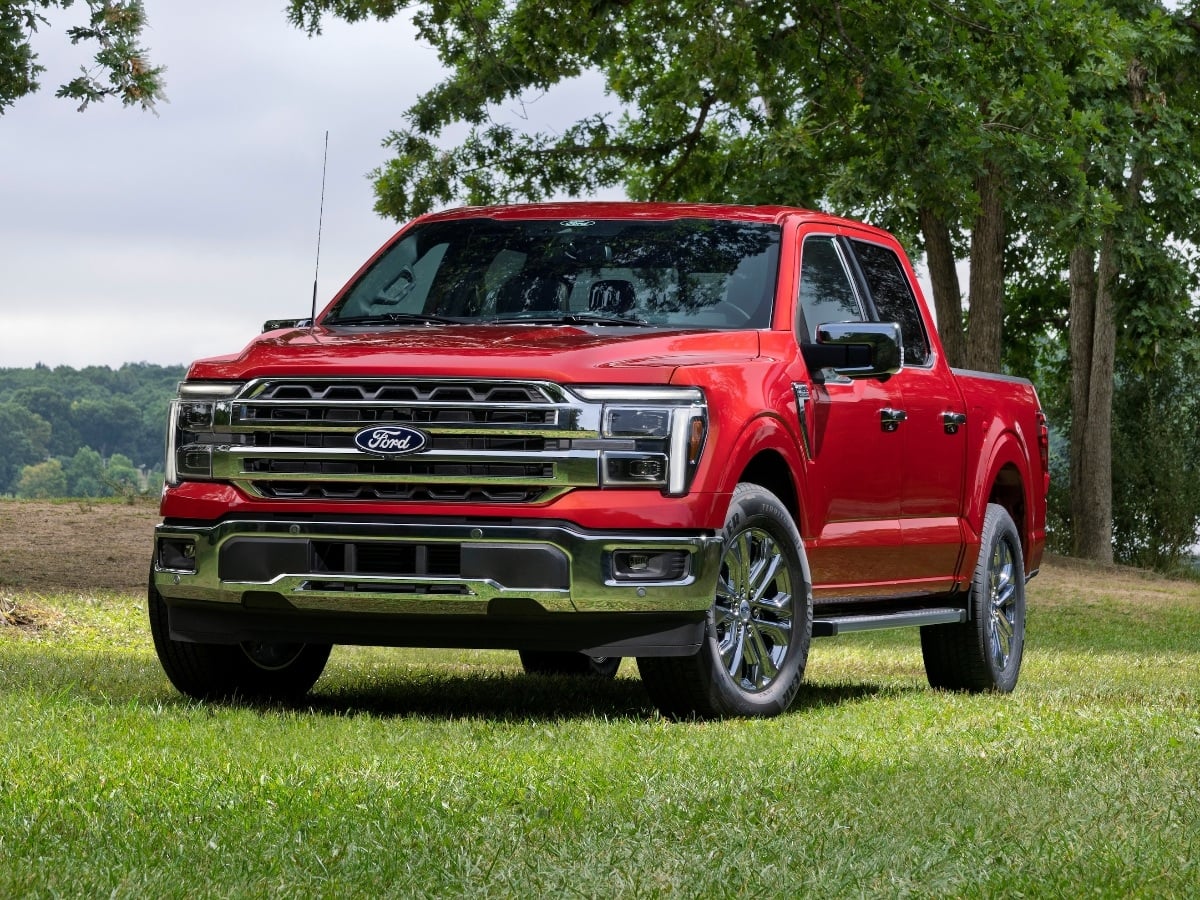
Facing renewed competition in the full-size, light duty pickup truck segment, the 2027 Ford F-150 receives subtle styling updates, a new standard engine, broader availability of its 5.0-liter V8, and ...See More
Read the Full Article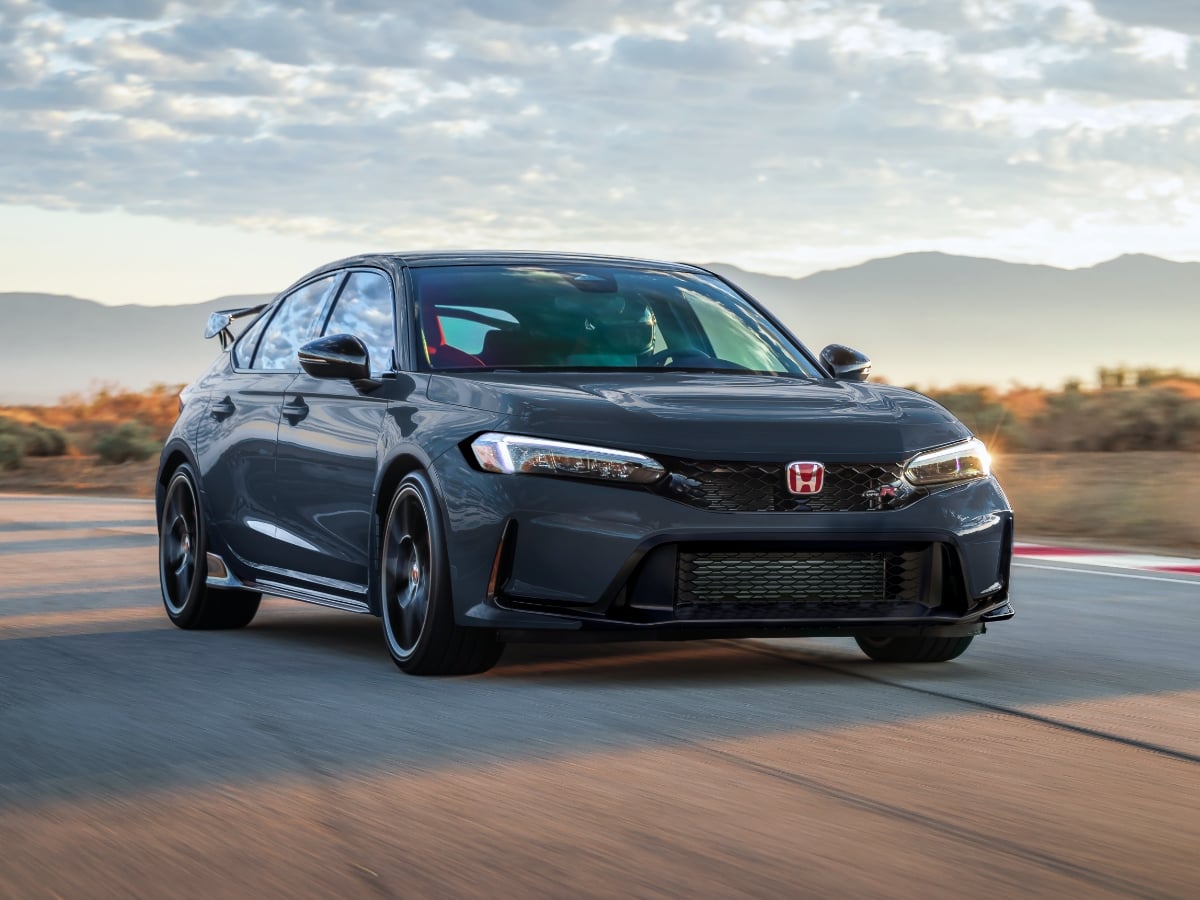
The 2027 Civic Type R goes on sale in October 2026, and it starts at $49,990, including the $1,295 destination charge.
Read the Full Article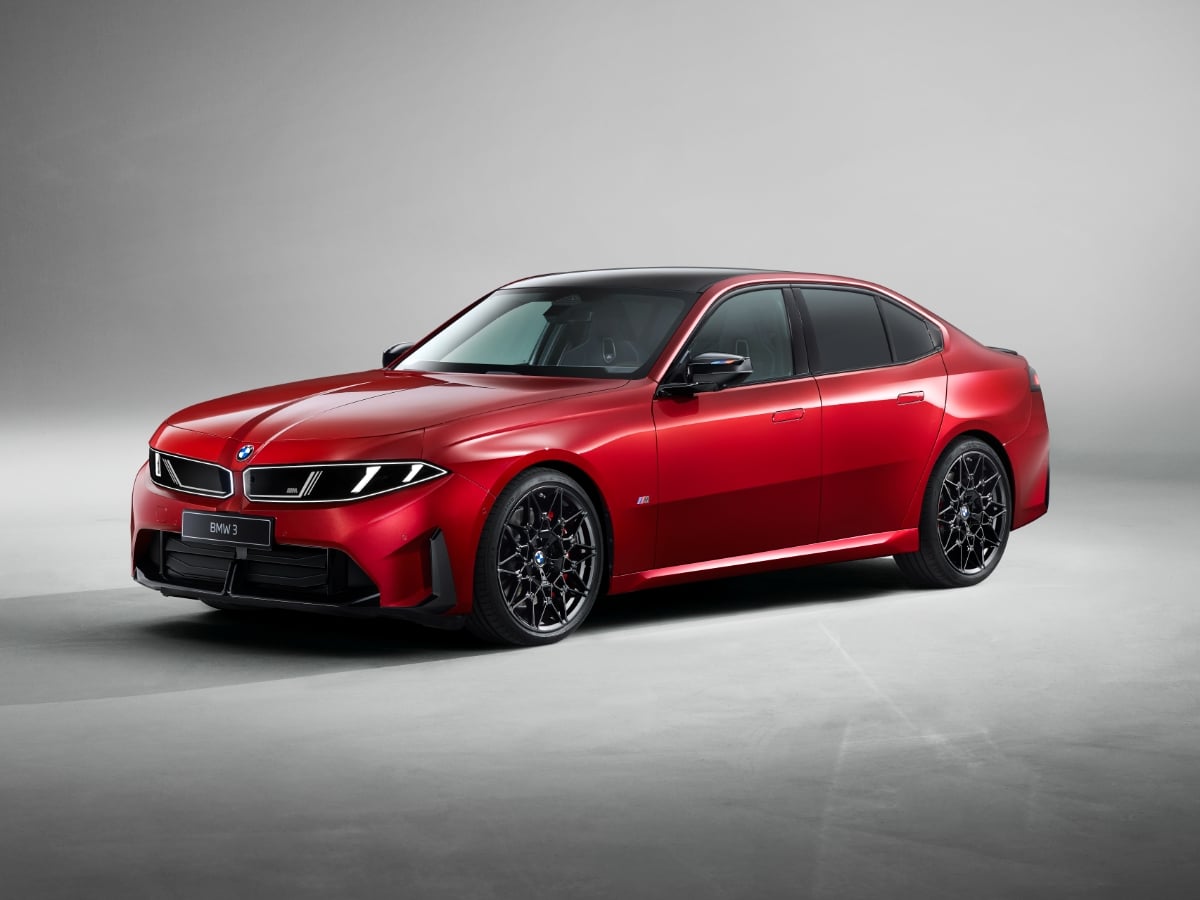
Part of BMW’s Neue Klasse (new class) rollout of redesigned models, the 2027 BMW 3 Series is all-new and goes on sale in the first quarter of 2027.
Read the Full Article