
If you've ever driven an electric vehicle (EV), you know the experience is strikingly similar to driving an internal-combustion-engine (ICE) vehicle. However, replenishing the energy an ICE and EV use appears to be as different as night and day.

While there are several key differences between refueling an ICE vehicle and recharging an EV, they're more similar than you might think. If you research EVs, you may often see references to how long it takes to charge an electric car. For most people, charging an EV is about as painless a task as keeping your phone charged.
To help educate consumers, here are five EV charging myths and the truth behind each one.
The most common misperception about EV recharging is that it takes too long. While it is true that a depleted electric vehicle plugged into a standard 110-volt household outlet can easily take 48 hours or more to recharge fully, few EV drivers will ever find themselves in this situation.
Many new EV models available for sale today have a range of well over 200 miles on a single charge; some can go more than 300 miles. According to the U.S. Department of Transportation, the average U.S. driver travels just 29 miles a day, which could mean recharging your EV just once a week if you treat it like a gas vehicle. In reality, if you had an EV, you would probably "top off" the battery daily rather than needing a full recharge every day.
If you are charging at home, the fastest way to replenish your EV's battery is with a Level 2 home charger. Many new EV buyers opt to purchase a home charger when purchasing their vehicle. The dealer can even help arrange installation. Once you have a home charger, it drastically reduces the time it takes to recharge your EV compared to 110-volt charging. While charging times vary, you can fully recharge many EVs with a Level 2 home charger in 10 hours or less while you sleep.
If charging your EV at home isn't possible, there are two main public charging options: Level 2 and DC fast charging. Many EVs can regain hundreds of miles of charge in 20-30 minutes using a DC fast charger. Remember, though, that charging efficiency depends on the vehicle and the charger's capability. Comparatively, Level 2 public charging is slower. It is best suited for situations when your car will sit for an extended period (like when you're watching a movie, going out for dinner, staying at a hotel, or at work).
According to the Environmental Protection Agency (EPA), there are nearly 50,000 public EV charging stations in the United States. While that may sound like a lot, these stations do not possess identical levels of accessibility or speed at which they can charge an EV.
EVgo, one of the companies that maintains a network of public chargers, claims that more than 130 million people in the U.S. have access to one of the company's fast chargers within 10 miles of their home. EVgo operates more than 850 public fast-charging stations.
The largest EV charging network is ChargePoint, which operates 30,000 Level 2 and DC fast-charging stations countrywide. Additionally, Tesla has nearly 8,000 fast-charging stations for its owners, and Electrify America has over 750.
Finding a public charging station may seem daunting because they're not as numerous or visible as traditional gas stations. Still, downloading an app to your smartphone can help you find public EV chargers and determine if they're operational and available. You can also find the EPA's growing list of public stations on its website.
The Idaho National Lab calculated that the cost to drive an electric vehicle is almost always lower than a gas-powered vehicle, except in cases of a particularly inefficient EV, a hyper-efficient gas car, or cheap gasoline and expensive electricity.
Sometimes, charging your EV at a public charger is free. Other times it requires payment, which often means using a credit card or network operator app. The amount you will pay to charge your EV varies widely across the U.S.
According to the EPA, the cost to drive 25 miles in a 2022 Toyota Prius at "current fuel prices" is $2.34. To go the same distance in a 2022 Chevrolet Bolt EV costs 91 cents. Also, don't forget that EVs require less maintenance than ICE vehicles, saving you even more money.
There is a perception among some that EVs are worse for the environment than gas cars because of the pollution generated by the power plants when they produce electricity. While this may be true in some instances, the EPA clearly states that even after accounting for electricity emissions, EVs are "typically responsible for lower levels of greenhouse gases (GHGs) than an average new gasoline car."
To understand the level of emissions your new EV might produce, you can use the EPA's "Beyond Tailpipe Emissions Calculator." This online tool lets you compare the emissions of any new EV to those of the average new gasoline vehicle. For example, the all-electric 2022 Ford F-150 Lightning produces 200 grams of CO2 per mile if you recharge it using the normal U.S. electricity mix, while the average new gasoline vehicle emits 410 grams per mile.
With brownouts already commonplace in the U.S. during peak electricity usage, adding the recharging load of millions of EVs to the grid might seem impossible. The reality, however, is that the grid will be robust enough to accommodate 24 million EVs through 2028, according to the Pacific Northwest National Laboratory (PNNL). There are currently between 3 and 4 million EVs on U.S. roads, so the bandwidth exists.
While EVs undoubtedly draw power from the grid, the new generation of electric vehicles can also help provide power in emergencies. A fully loaded EV battery, with the proper hookups, can power the average American home for many days, depending on the size of the battery.
Making the switch to electric vehicles means making many changes and learning new ways to power our cars. But knowing what's fact and fiction regarding EVs will help you make a more informed purchase decision.


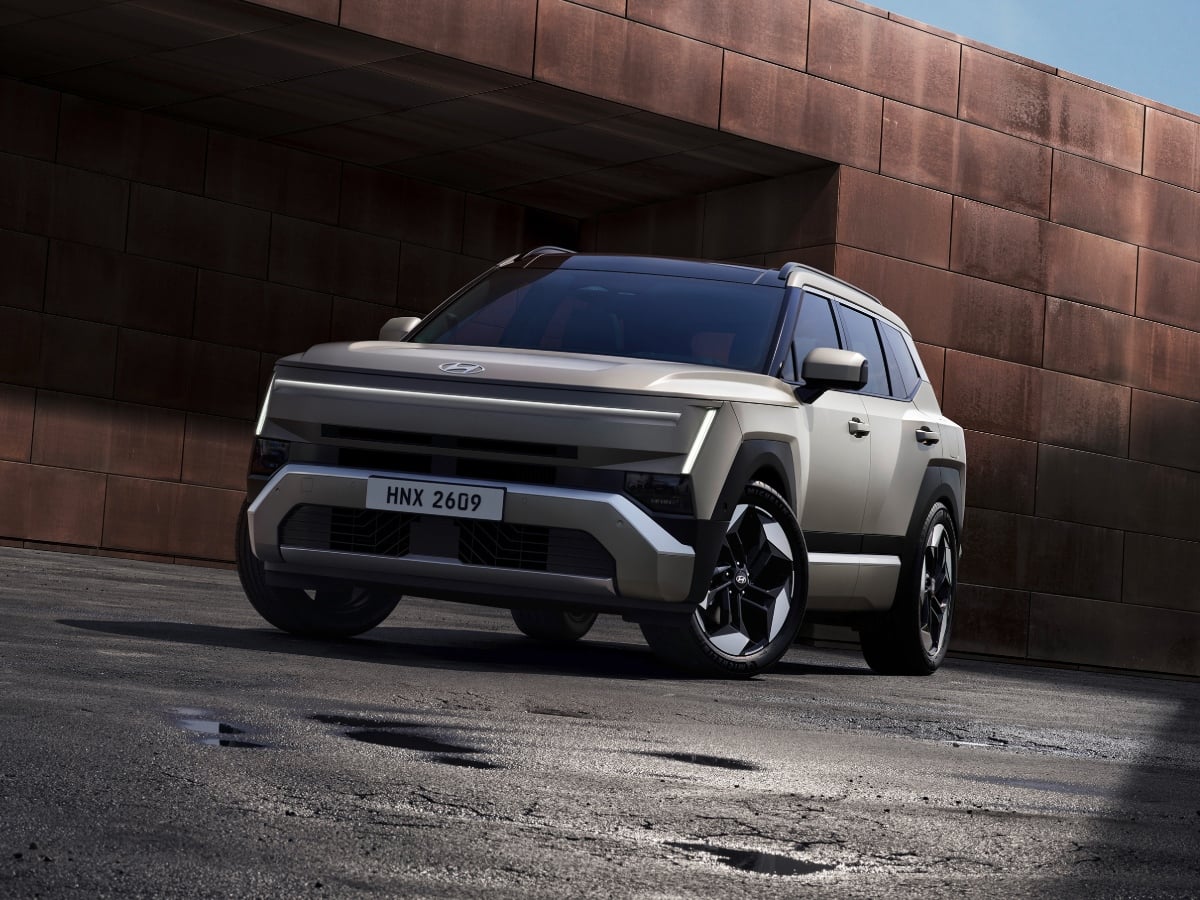
With a purposeful new design and some trail-ready upgrades, the 2027 Hyundai Tucson is pushing the brand's best-selling crossover SUV into more aggressive territory.
Read the Full Article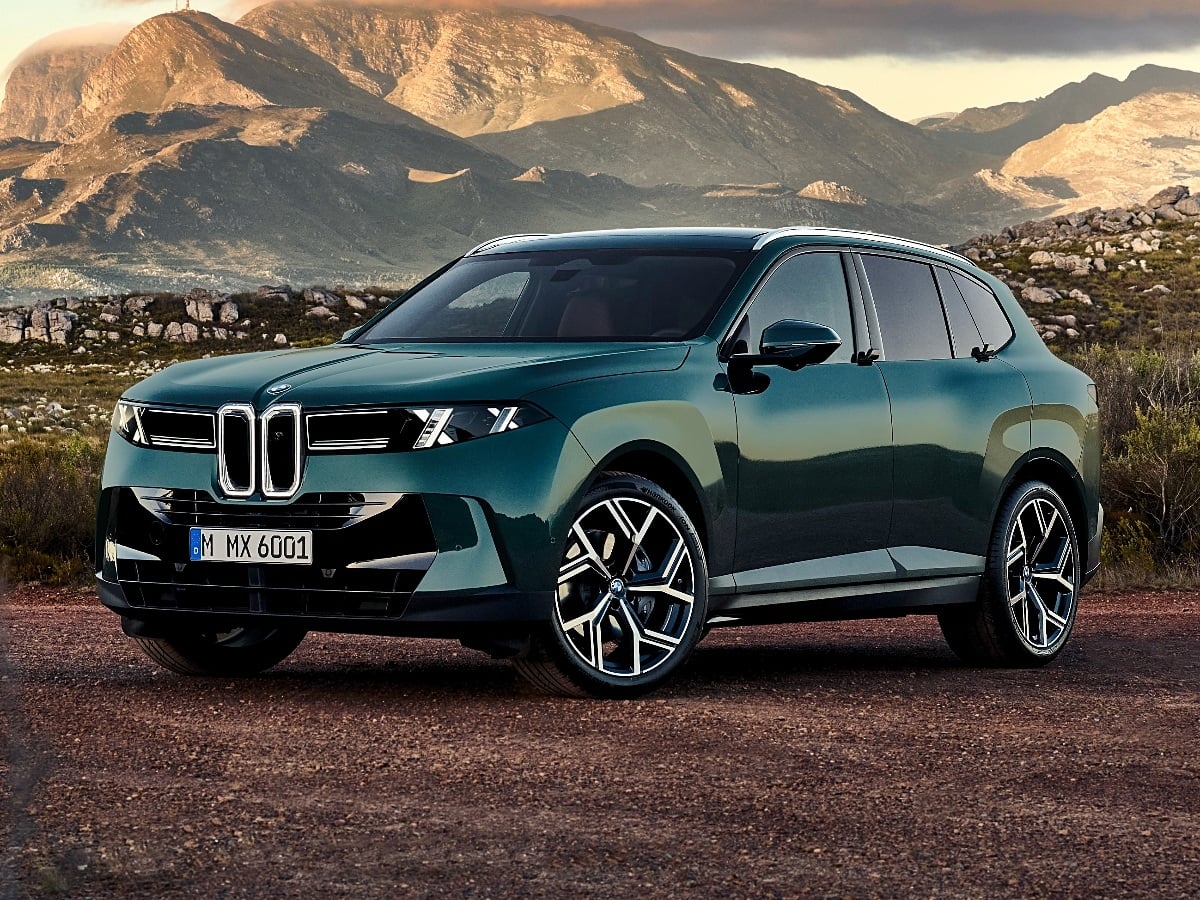
For more than 25 years, the BMW X5 has helped to define the luxury SUV segment. Now, the redesigned fifth-generation 2027 BMW X5 arrives with the automaker’s Neue Klasse styling, a roomier interior, ...See More
Read the Full Article
One of Lexus's most popular models, the NX crossover SUV is also one of the most affordable in the company’s lineup. The 2027 Lexus NX transitions to hybrid-only powertrains, and gets revised ...See More
Read the Full Article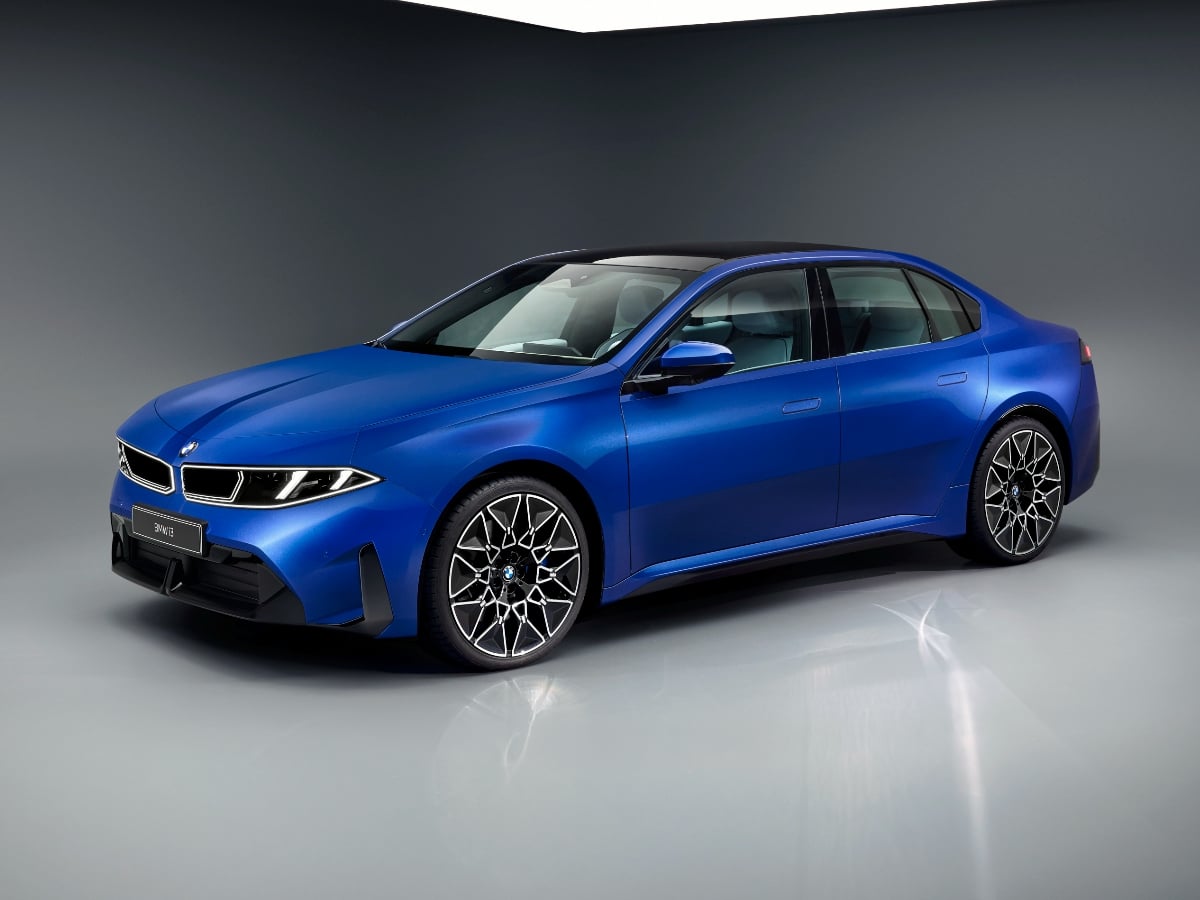
The new 2027 BMW i3 boasts an estimated range of up to 440 miles, 400-kilowatt DC fast charging capability, bidirectional charging to a home or the grid, and next-generation technology.
Read the Full Article