
With the 2020 Gladiator, Jeep adds a pickup truck to its burgeoning SUV lineup. The last time there was a Jeep-branded pickup was the Cherokee-based Comanche, sold from 1986 through 1992. The Gladiator arrives amid renewed interest in midsize pickups with the introduction of new-generation Chevrolet Colorado, GMC Canyon, and Ford Ranger entries.
As was the case with the short-lived CJ-7-based Jeep Scrambler of 1981-85, the new Gladiator is derived from an authentic, evergreen utility vehicle, the front two-thirds of the Gladiator sharing much of the Wrangler’s content.

Configurable in soft-top and hardtop form and available in base Sport, well-equipped Overland, and off-road-maximized Rubicon trim, Jeep’s new Gladiator is powered by a 285-horsepower, 3.6-liter V-6 engine and features standard 4-wheel drive (4WD), Wrangler-like seating accommodations for 5 passengers, a 5-foot-long cargo box with 35.5 cu. ft. of space, and a maximum tow rating of 7,650 lbs.

The Jeep Gladiator differentiates itself from other midsize pickups with its distinctive Wrangler-based design. The front two-thirds of the Gladiator closely mirrors that of the Wrangler 4-door SUV, with a separate 5-foot-long open cargo box adding pickup truck utility.
There’s nothing else on the market quite like it. The passenger compartment is encapsulated by a full steel roll cage. All four doors can be removed, and after removing the wipers and four bolts, the windshield can be folded down. Both the standard soft top and optional hardtop roof panels (the latter available in black or body color with a rear defroster and sliding rear window) can be lifted off for open-air motoring.
The Gladiator’s cab, cargo box, and frame are steel, with the hood, doors, fenders, and tailgate fabricated from weight-saving aluminum. The resulting 4-door pickup is about 2.5 feet longer bumper-to-bumper than a Wrangler 4-door, but almost a foot shorter than a full-size 2019 Ram 1500 Quad Cab short box and just over 5 ins. longer than a midsize Chevrolet Colorado Crew Cab with its 5.2-ft. box.
Anyone familiar with the Wrangler’s cabin will feel right at home in the Gladiator. The purpose-built and utterly functional interior layout of the Gladiator leaves no doubt as to its Jeep origins, right down to its removable carpet and generous array of grab handles. Dimensionally, Jeep preserved the ample roominess and seat comfort of the Wrangler 4-door in the transformation to the square and upright Gladiator, which can accommodate five adults easily. With up to 42.8 ins. of rear-seat headroom and 38.3 ins. of backseat legroom, the Gladiator bests that offered in the 2019 Chevrolet Colorado Crew Cab by several inches.

The functional theme of the Gladiator continues inside with most control functions accomplished by uncomplicated analog knobs and buttons. The 4WD transfer-case control is a simple floor-mounted lever and although an automatic transmission is optional, all Gladiators come standard with a 6-speed manual transmission.
In keeping with the no-nonsense theme, the base Gladiator Sport features good, old-fashioned manual door locks, side mirrors, and crank windows. Power door locks, windows, and heated side mirrors are optional on the Gladiator Sport and standard on the Overland and Rubicon versions, but power front seats are not offered on any Gladiator trim. All grades have standard cloth trim with leather-trimmed perches an option in the Overland and Rubicon.
Other Gladiator feature highlights include:

The Gladiator’s rugged demeanor gives it an appeal far beyond the road’s painted white lines, so advanced safety features now found in many new vehicles are limited in the Jeep pickup to optional adaptive cruise control (regular cruise control is standard), forward-collision warning, blind-spot and rear cross-traffic monitoring, and rear park assist. Semi-autonomous driver assists such as lane keeping with steering assist and automatic emergency braking are not part of the program. Every 2020 Gladiator comes equipped, however, with 4 standard air bags, backup camera, the aforementioned cabin roll cage, trailer sway control, and electronic stability control with roll mitigation.
The Jeep pickup’s off-road chops come naturally with the Wrangler DNA. That ability is enhanced in the top-of-the-line Gladiator Rubicon, which includes as standard electronic-locking front and rear axles for improved traction in rough terrain; FOX monotube shocks; Rock-Trac part-time 4WD transfer case with a super-low 4:1 low range for extra-slow going in difficult spots; electronic sway-bar disconnect feature that allows maximum wheel articulation; and an optional forward-facing camera that can display terrain just 2 feet in front of the vehicle. The Gladiator Sport and Overland use a Command-Trac part-time 4WD transfer case with a 2.72:1 low range.
Gladiator infotainment comes courtesy of an 8-speaker AM/FM stereo with a standard basic Uconnect 3 5-in. screen in the Sport trim and Uconnect 4 7-in. touch screen with tap, pinch, and swipe functions, SiriusXM satellite radio, and Apple CarPlay and Android Auto cellphone connectivity in Overland and Rubicon trims. Optional on the Overland and Rubicon is navigation with an 8.4-in. screen. A 9-speaker Alpine premium audio system with an all-weather subwoofer is also available.

Stretching more than 18 feet bumper to bumper, the Gladiator is no small truck. Yet it manages to drive smaller than it looks thanks to lightly weighted but communicative electro-hydraulic steering, responsive and easy-to-modulate brakes, and well-mannered ride motions (not to mention that Wrangler-like view over the hood). Jeep adapted the coil-spring rear suspension and its greater load-carrying capability from the Ram 1500 pickup for Gladiator duty, integrating it nicely with the existing live-axle coil-spring front suspension carried over from the Wrangler.
The Gladiator’s 285-horsepower, 3.6-liter V-6 engine (without eTorque mild-hybrid assist in this case) is smooth, powerful, and with an ample well of torque for cruising around town or bursts to freeway speeds.
It’s the only engine available at launch, although a Jeep spokesperson indicated that the Italian-built, 3.0-liter EcoDiesel V-6 will join the Gladiator’s powertrain lineup in the 2020 calendar year. The Wrangler’s eTorque 2.0-liter 4-cylinder turbo was deemed too small for the Gladiator’s extra 450-600 lbs. of curb weight and towing duty cycle.
The 3.6-liter gas V-6 is hooked to a standard 6-speed manual or optional 8-speed automatic transmission. The 6-speed manual shifter is precise and low friction in action with pleasingly short throws and just-right weighting. The manual gearbox’s clutch feel is on the light side, however, and it takes some practice to find the narrow engagement window for smooth shifting. The 8-speed automatic transmission offers seamless shifting and gear-ratio swapping.
EPA fuel-economy estimates for the 3.6-liter V-6 are 16/23/19 mpg (city/highway/combined) with the 6-speed manual and 17/22/19 mpg hooked to the 8-speed automatic transmission.
As capable as the Gladiator is on paved roads, it really distinguishes itself from the midsize pickup pack off-pavement with 10 ins. of ground clearance (11.1 on the Rubicon) and generously steep (for a pickup truck) approach, breakover, and departure angles.

The 2020 Jeep Gladiator is a unique offering, blending the genuine all-road and off-road capability of the Wrangler SUV with the dirty load-carrying ability of a midsize crew-cab pickup truck. For the moment, it’s in a class of one.
The Gladiator’s 5-foot steel bed doesn’t have the exotic carbon-fiber or aluminum construction of some competitors or the powered, multi-configurable tailgate of others, but its 5-foot length will likely handle most weekend project tasks, including motorcycle transport with the tailgate down.
Starting at $35,240 (including $1,695 destination charge) the 2020 Gladiator Sport offers good value among midsize pickups with its standard 4WD and 285-horsepower V-6. The well-equipped Overland ($42,090 with destination) and off-road-oriented Rubicon ($45,240 with destination) add more capability and convenience. Be careful with options, however, as checking every option box on the Rubicon will raise the tally to more than $60,000.
For a buyer torn between buying a new off-road-capable SUV and a midsize truck, the Gladiator looks like a very agreeable solution.


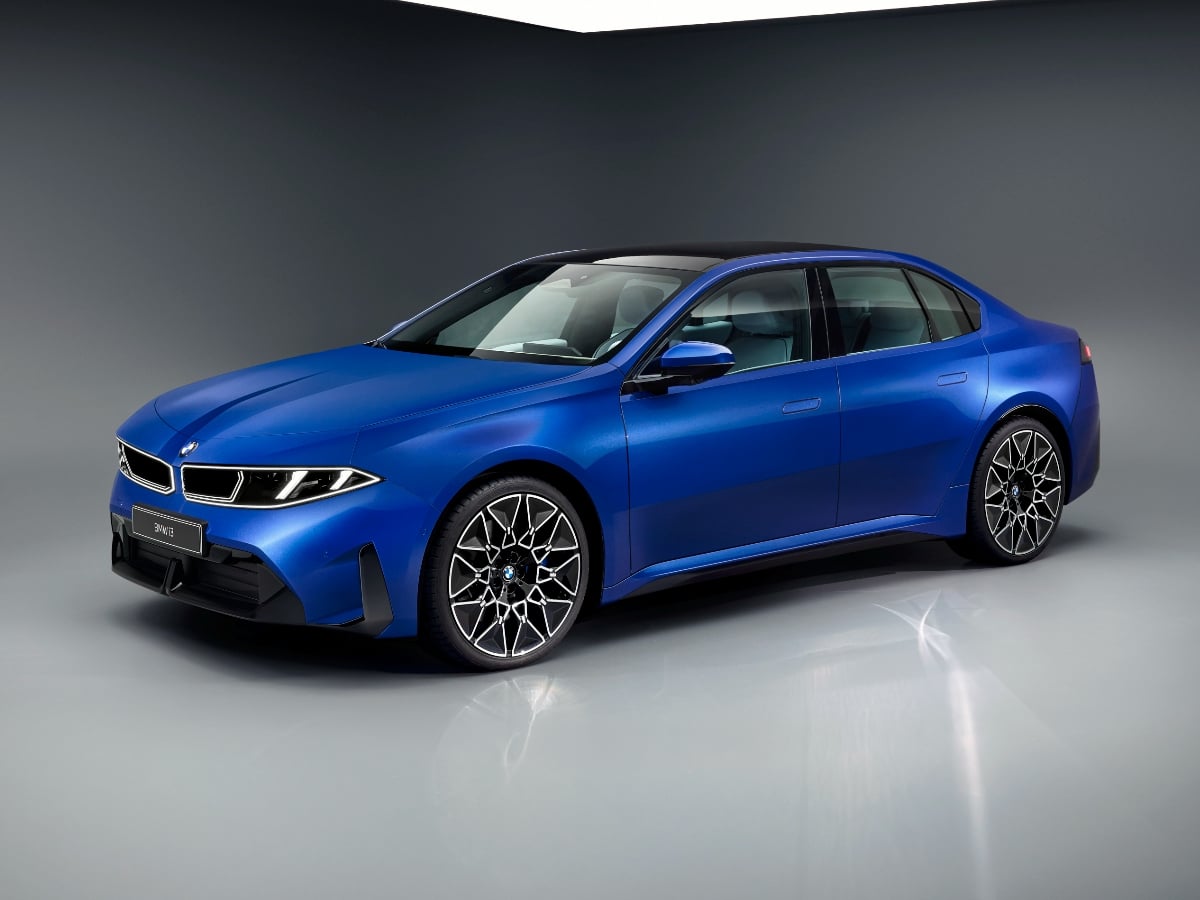
The new 2027 BMW i3 boasts an estimated range of up to 440 miles, 400-kilowatt DC fast charging capability, bidirectional charging to a home or the grid, and next-generation technology.
Read the Full Article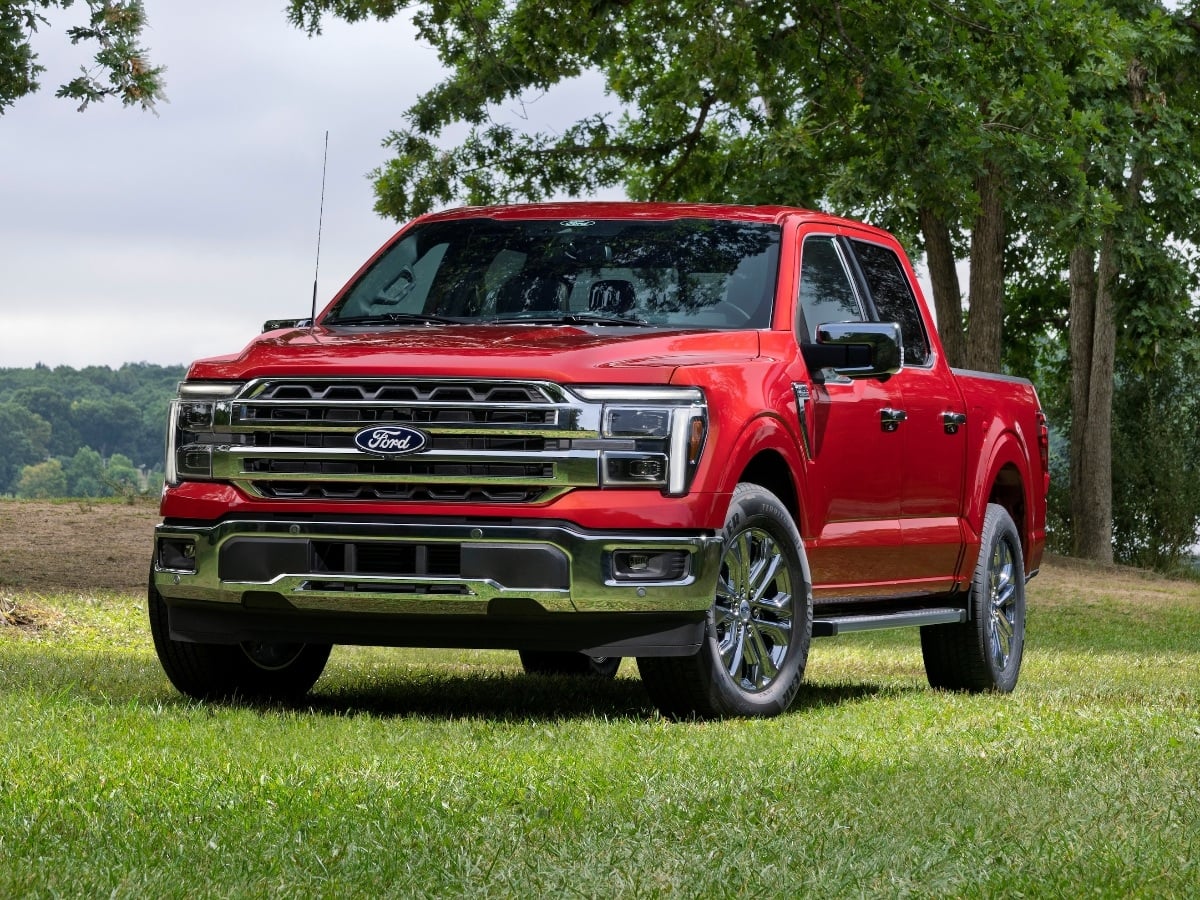
Facing renewed competition in the full-size, light duty pickup truck segment, the 2027 Ford F-150 receives subtle styling updates, a new standard engine, broader availability of its 5.0-liter V8, and ...See More
Read the Full Article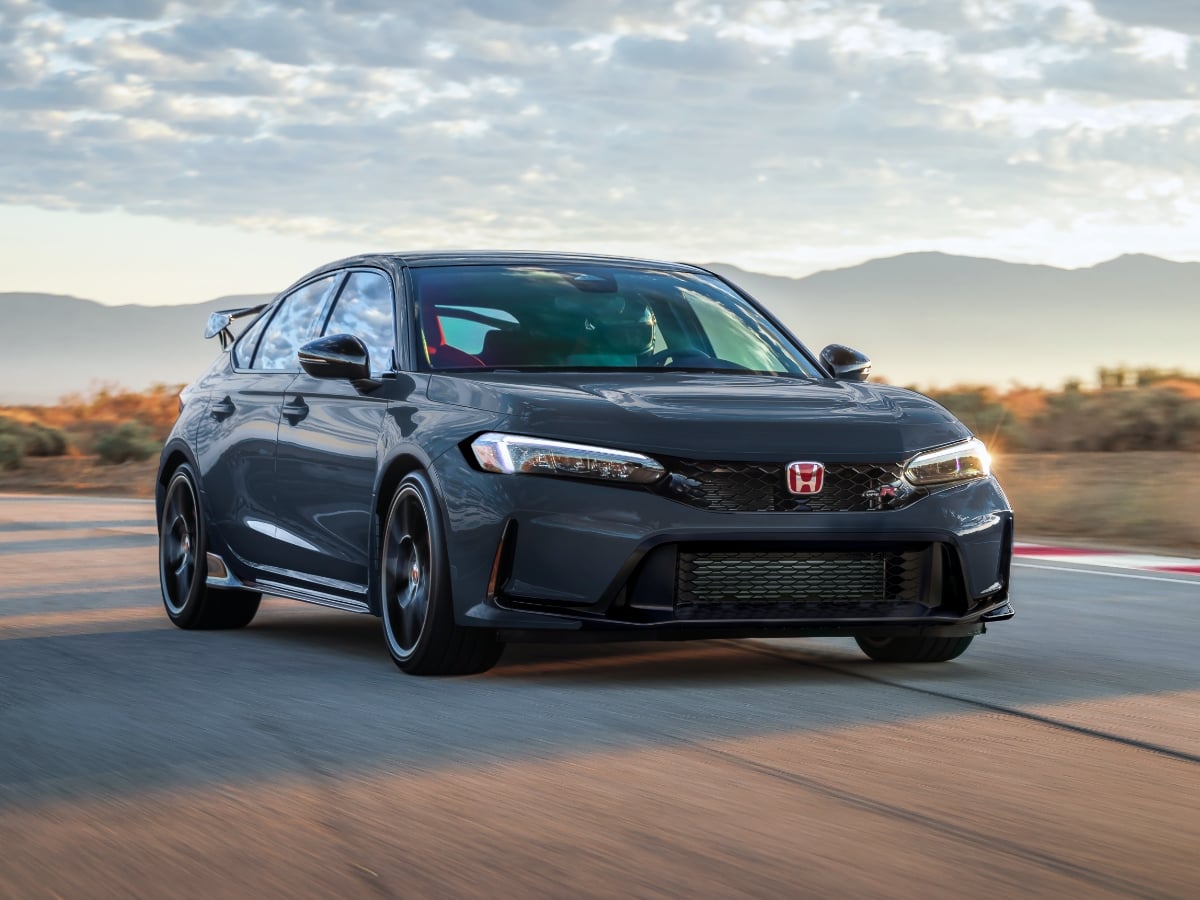
The 2027 Civic Type R goes on sale in October 2026, and it starts at $49,990, including the $1,295 destination charge.
Read the Full Article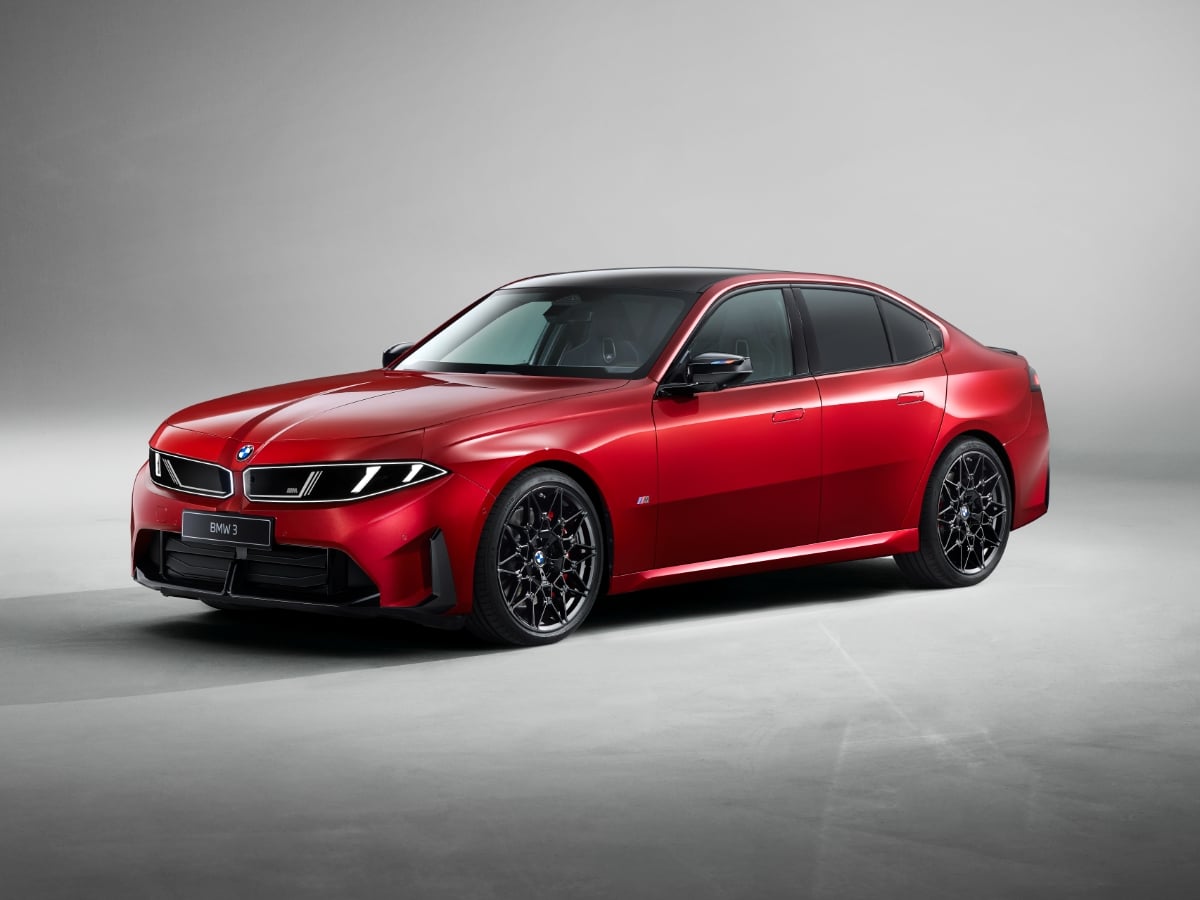
Part of BMW’s Neue Klasse (new class) rollout of redesigned models, the 2027 BMW 3 Series is all-new and goes on sale in the first quarter of 2027.
Read the Full Article