83 - 86
78 - 82
402 - 509
1 speed, Automatic
Electric
All Wheel Drive
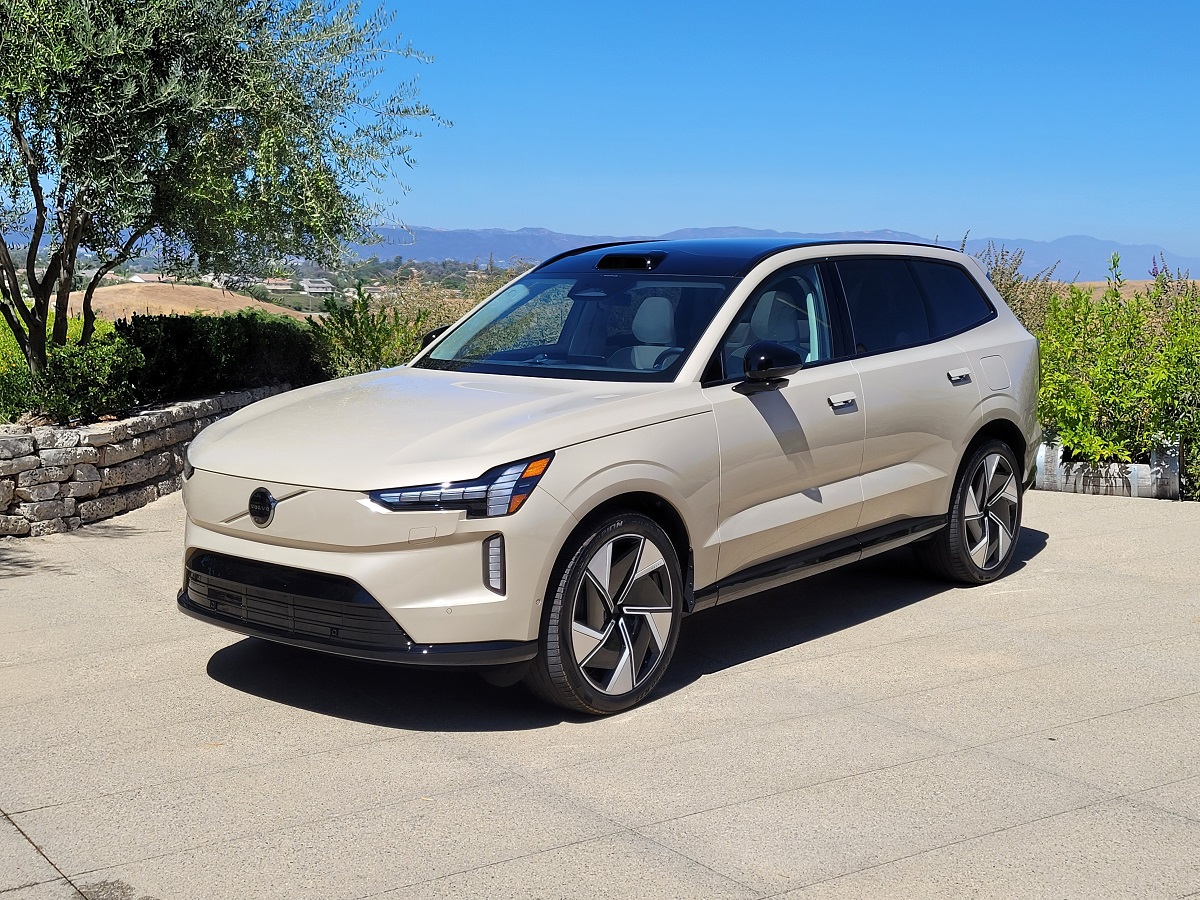
Photo: Ron Sessions
Volvo offers the 2025 EX90 in well-equipped Plus and range-topping Ultra trim levels. Powertrains include a base, 402-horsepower Twin-Motor or 510-hp Performance Twin-Motor setup. All EX90s come standard with all-wheel drive (AWD).
The 2025 Volvo EX90 is currently on sale. Base prices, including the $1,295 destination charge, are as follows:
I drove an EX90 Twin-Motor Performance Ultra at a media test-drive program in Southern California. The U.S. version of the EX90 is now in production with final assembly at Volvo’s Ridgeville plant near Charleston, South Carolina.
Volvo equipped the EX90 Twin-Motor Performance Ultra test vehicle with the 510-hp powertrain, optional 22-inch wheels, and an optional Bowers and Wilkins premium sound system. The test vehicle’s final price was $94,640, including the $1,295 destination charge.

Photo: Ron Sessions
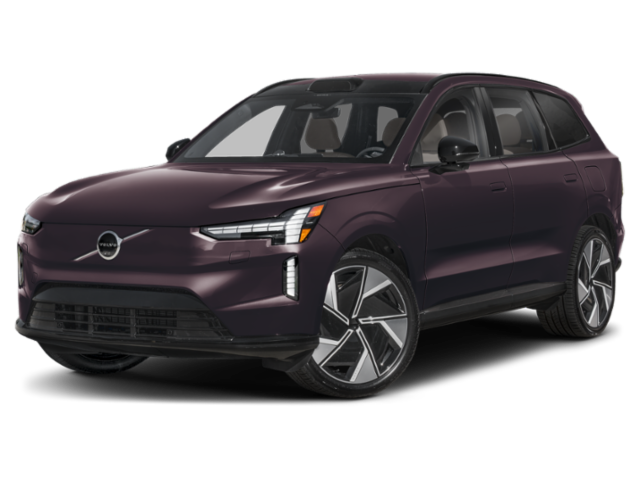
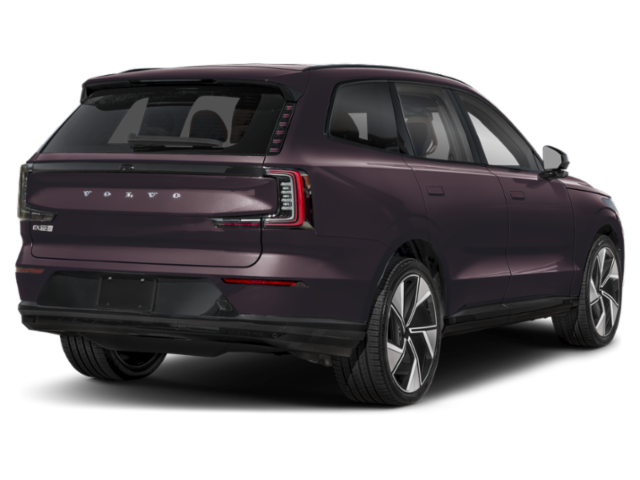
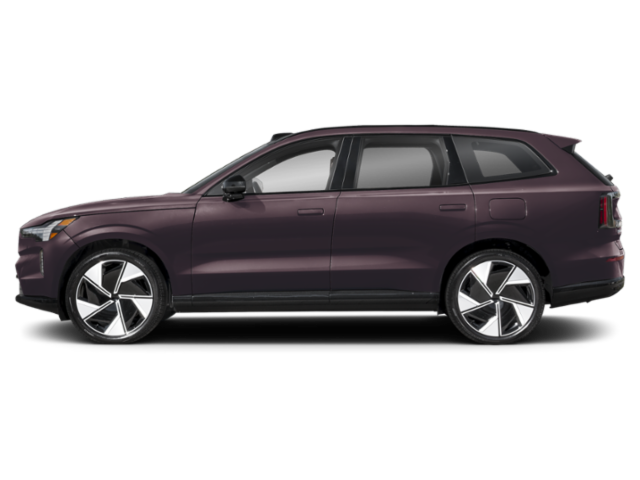
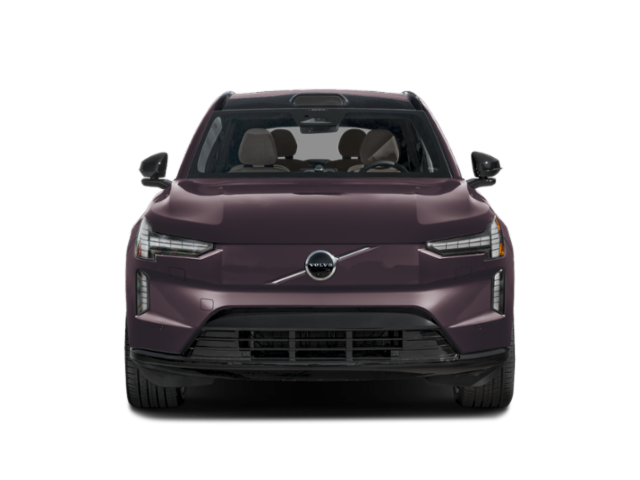
Volvo's all-new, three-row EX90 SUV EV is about the same size as the existing gas-powered XC90 three-row SUV. The overall exterior shape is not that different than the XC90's, with familiar styling elements such as Thor's Hammer headlights and vertical roof pillar-mounted taillights. However, the grille-less nose presents a larger interpretation of the diagonal iron mark Volvo logo and emblem from the also all-new EX30 compact crossover EV. It’s a distinctive Volvo look, and no one should confuse the EX90 with an offering from another brand.
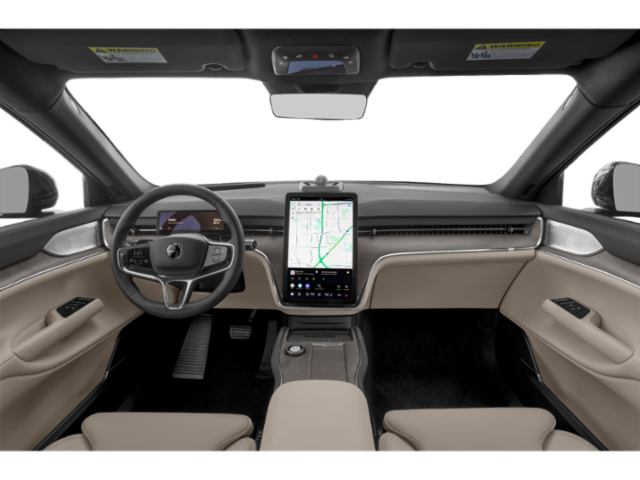
If the conservatively styled EX90 isn't so bold as to turn heads curbside, its cabin is notable for its beauty and Scandinavian minimalist design centered around “less is more.”
For one thing, the EX90's interior is a leather-free zone. That's not a knock. While many luxury-vehicle buyers may expect leather trim, the flagship Volvo EV's cabin features trim sourced from recycled and responsibly sourced natural materials that align with the company's aim to become climate-neutral in the coming decades.
The Ultra test vehicle's cabin was particularly striking with its soothing complimentary tan, gray, and off-white hues and soft-touch and wrapped Nordico coverings for the dashboard, seats, center console, and door trim.
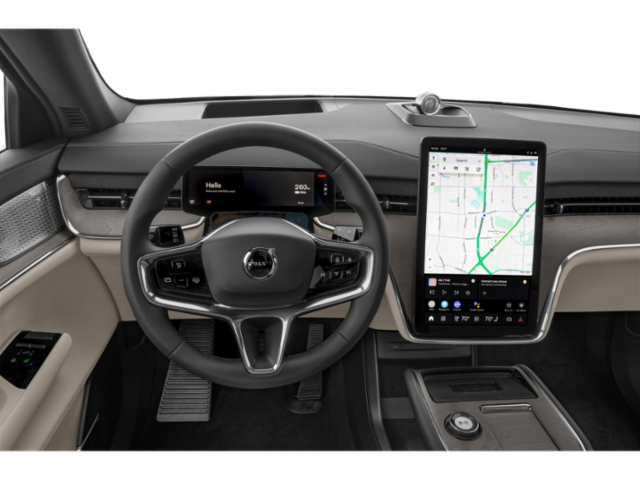
The EX90's interior is purposefully decluttered. A 9-inch driver display behind the steering wheel and a 14.5-inch vertical-format center screen dominate the clean-looking, horizontally themed dashboard. Volvo consolidated or moved most of the SUV’s switchgear to the center screen save for a few controls on the doors, steering wheel, and steering column.
Initially, I found that operating power windows, making exterior mirrors or power steering column adjustments, and opening the glovebox door took too many distracting steps, but this became easier with familiarization.
Brilliant, however, are the joystick-like power front-seat controls that handle fore, aft, tilt, and height with a single switch alongside the bottom cushion. Also brilliant are the Ultra's heated and optionally ventilated power front bucket seats, adding an extendable bottom cushion, seatback massage, and power-adjustable side bolsters to traditionally excellent Volvo-seat orthopedic support and comfort.
The standard split-folding second-row bench seat offers comfort and spread-out space nearly on par with the front buckets. Standard is an ingenious flip-up booster seat in the center position for children four years or older. Individual second-row captain's chairs are an extra-cost option.
The two-passenger third-row bench seat is best saved for grade schoolers. Full-grown adults will find it hard to squeeze past the tilt-and-slide second row and, once there, will find perches with a rock-hard bottom cushion and insufficient legroom and headroom.
The EX90 cargo space is decent but not class-leading. There are 10.9 cubic feet behind the third row and 67.6 with the second- and third-row seats folded flat. Also handy is the concealed storage under the cargo floor and in a 1.6-cubic-foot “frunk” ideal for stowing the EV charge cable.
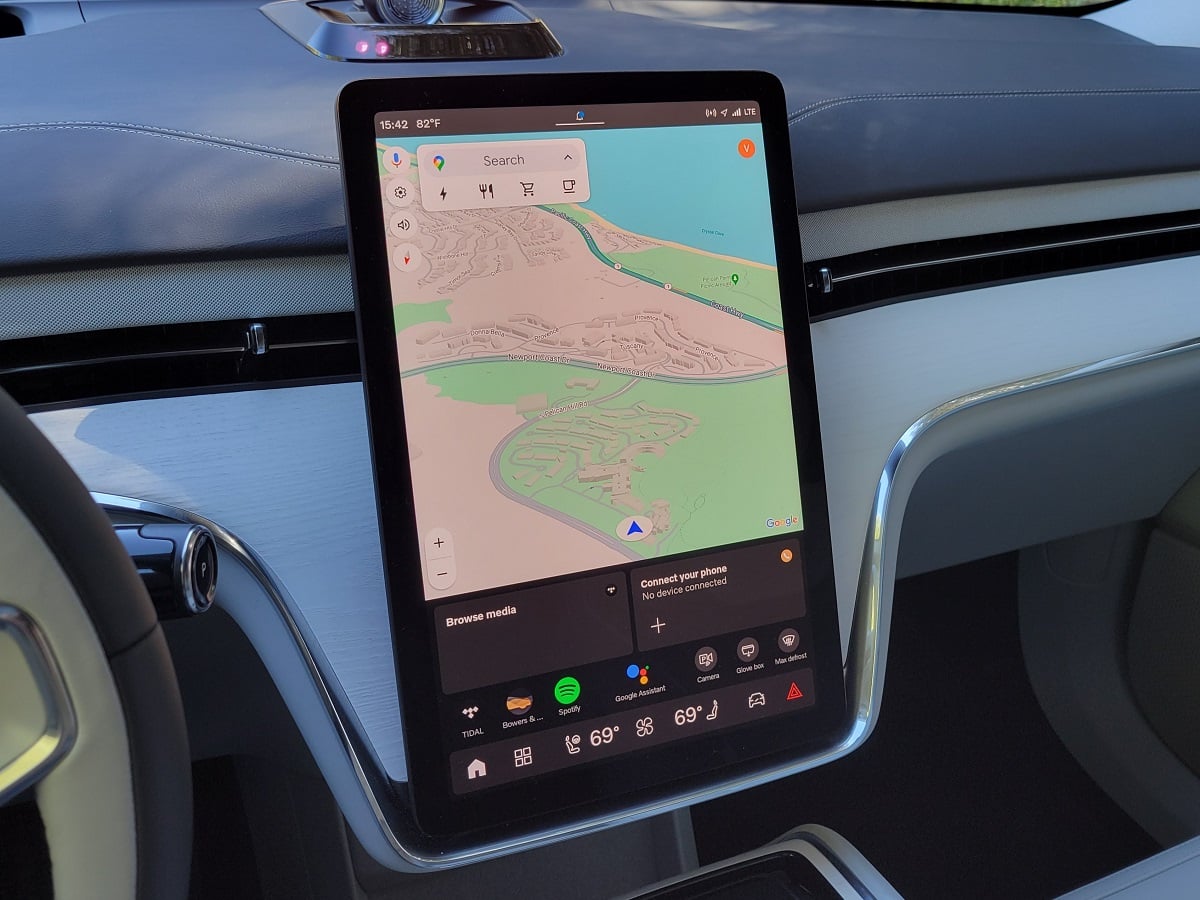
Photo: Ron Sessions
Behind the scenes, the new EX90 uses advanced technology from Nvidia A.I., the Qualcomm Snapdragon cockpit platform, and Volvo in-house software to run many core functions. One place where it manifests itself in bright graphics and quick processing is the EX90's 14.5-inch portrait-format infotainment screen. It is 5G-compatible, as well.
The big screen features Google Built-in, enabling it to run detailed and continuously updated Google Maps, the ever-helpful Google Assistant for all promptly answered voice-control requests, and access to the vast Google Store of apps. The system also accommodates iPhone users with Apple CarPlay accessibility.
The screen's large size enables it to display multiple functions simultaneously, such as a large navigation map, a pair of widgets for quick access to things like media and phone below that, a contextual bar one row down for frequently used features, and bottom bar with links for Home, full-screen applications, heating, ventilation, and seat comfort, and vehicle settings.
Volvo retained easy adjustability of volume and tuning for both the driver and front passenger with an elegantly executed dual-function, twist-and-tap rotary knob on the center console. The Ultra test vehicle sported an optional, awesome-sounding Bowers and Wilkins premium audio system with 25 speakers surrounding the interior occupants, including one in each front headrest.
As you might expect from an automaker that's long made safety a core element of its brand, its new EX90 has an extensive roster of safety and advanced driver assistance systems (ADAS). To help prevent collisions, the EX90 employs a comprehensive array of sensing hardware, including five radar sensors, one lidar sensor, 16 ultrasonic sensors, and two infrared and eight digital cameras, which transmit data into an AI-driven onboard supercomputer.
Volvo says a LiDARr sensor on the EX90's roof can sense objects such as a pedestrian at up to 250 meters—longer than two NFL football fields.
Other new systems include two infrared cameras capable of detecting an incapacitated or inattentive driver and radar sensors in the cabin that can detect movements, such as those from a pet or child left behind after the driver locks the SUV.
New for the 2025 model year with Volvo's Pilot Assist adaptive cruise control system is an automatic lane-change feature. With Pilot Assist activated, when the driver flicks the turn-signal lever, sensors check if the lane is unoccupied, and the system then safely completes the lane change.
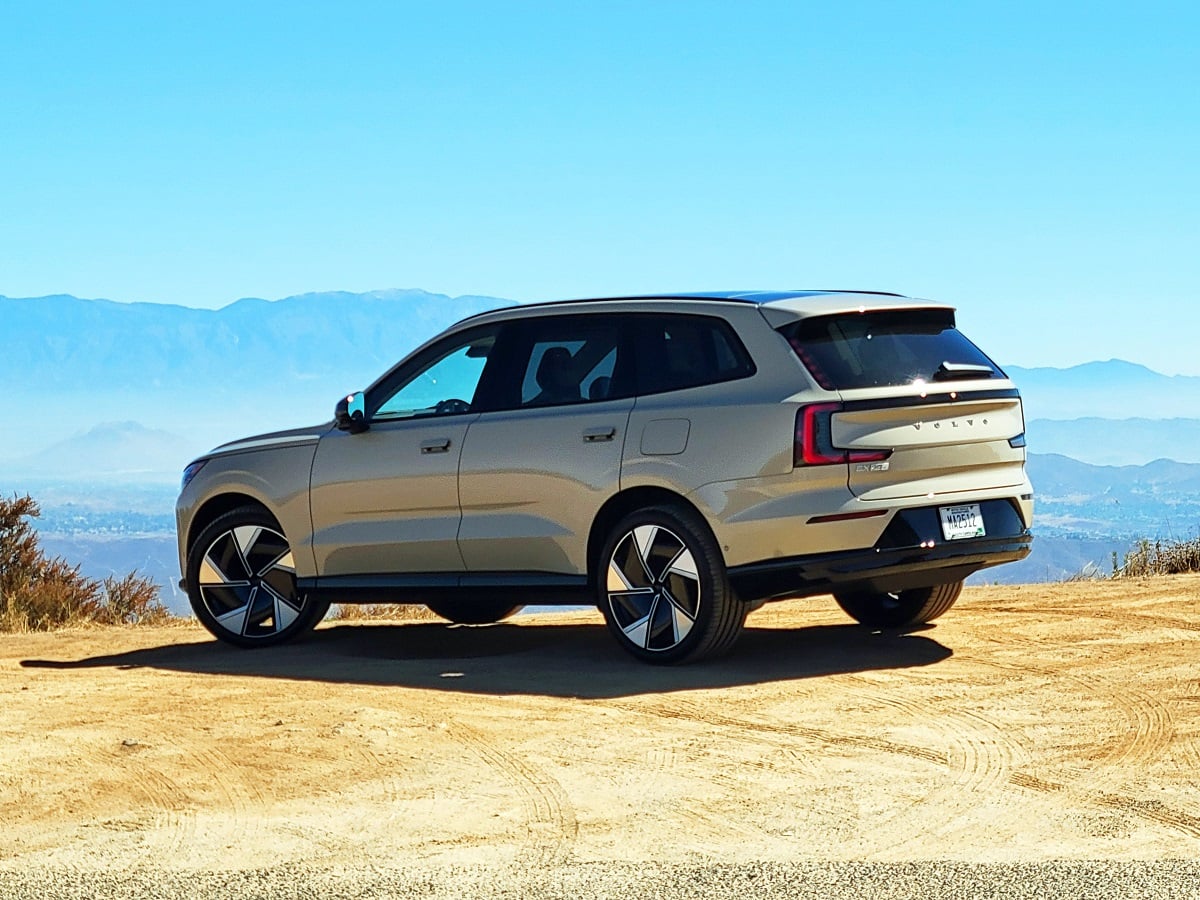
Photo: Ron Sessions
Volvo equipped the Ultra-trimmed Twin-Motor test vehicle with the Performance powertrain, which delivers 510 hp and 671 pound-feet of torque via two motors—one at each axle—and standard AWD.
With the planned drive route spanning about 155 miles of residential, freeway, and twisty mountain roads, plus a couple of side excursions to take photos, the EX90 got a good workout. Acceleration was brisk for a vehicle topping three tons, with Volvo claiming a zero-to-60-mph time of 4.7 seconds.
Equally up to the task were the EX90's powerful disc brakes, which exuded drama-free confidence. Aiding deceleration was the vehicle's driver-selectable regenerative braking feature, which helps channel electrons back into the big 111-kilowatt-hour (kWh) lithium-ion propulsion battery. It can bring the EX90 to a complete stop by lifting off the accelerator. The amount of regeneration isn't adjustable but is not overly aggressive and shouldn't surprise drivers in vehicles following close behind.
The EX90's standard air suspension and the Ultra-equipped active damping system struck an excellent ride/handling compromise, taking the edge off sharp impacts while maintaining a luxury-worthy ride quality.
The driver can adjust suspension damping and steering feel (to soft or firm settings) in the center screen. However, switching from the default soft suspension setting or increasing steering effort seemed out of character in this luxury cruiser. That being said, the optional 22-inch Pirelli Scorpion tires handled the twisty mountain road's curves without protest, although there was a minor bit of body lean.
After 155 miles of driving, the driver display indicated 48-percent battery range remaining. That pencils out to a 303-mile range for the test drive, which falls within the Environmental Protection Agency's estimates of 300-310 miles, depending on wheel size.
When the EX90’s battery does need a recharge, it can go from zero to 100 percent in 10 hours with an AC 240-volt charger at 11 kilowatts (kW) or from 10 to 80 percent in 30 minutes using a DC fast charger at up to 250 kW.