See answers to common EV questions, tax incentives, charging maps & more.
Explore EV32
40
122
1 speed, CVT w/OD
Regular Gasoline I-4
Front Wheel Drive

Photo: Ron Sessions
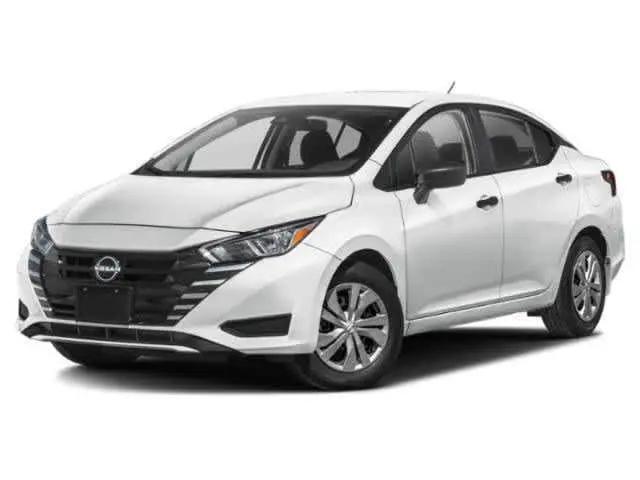
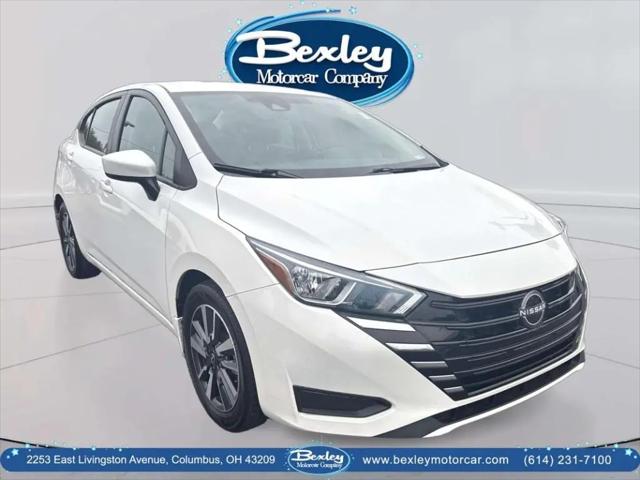
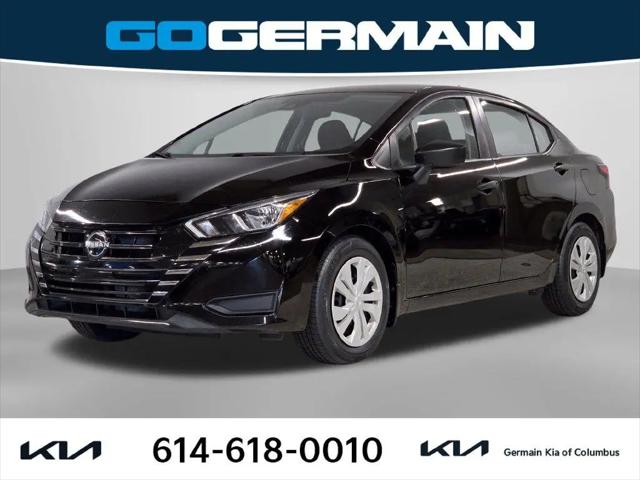
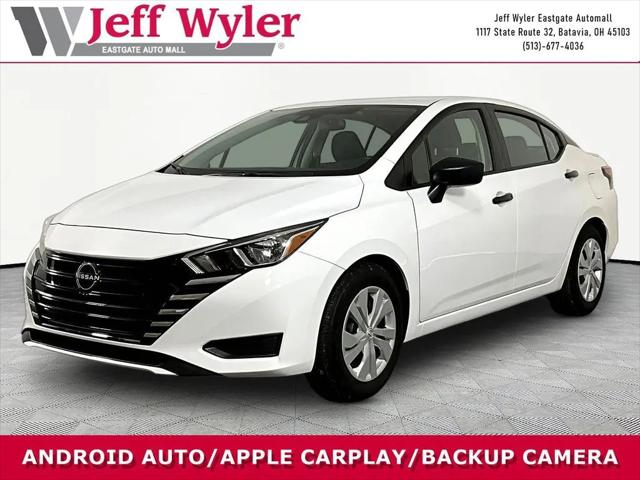
The Nissan Versa competes in the Small Car market segment. According to data collected from verified new-vehicle buyers for the JD Power 2022 Automotive Performance, Execution and Layout (APEAL) Study, 61 percent of new Nissan Versa buyers are male (vs. 50 percent for the segment), and the median age of a new Versa buyer is 45 years (vs. 47).
As part of the APEAL Study, owners rated the Versa in 10 primary categories. Listed below in descending order, you’ll find their preferences, from their most favorite thing about the vehicle to their least favorite:
In the 2022 APEAL Study, the Versa ranks first out of three Small Car segment models.
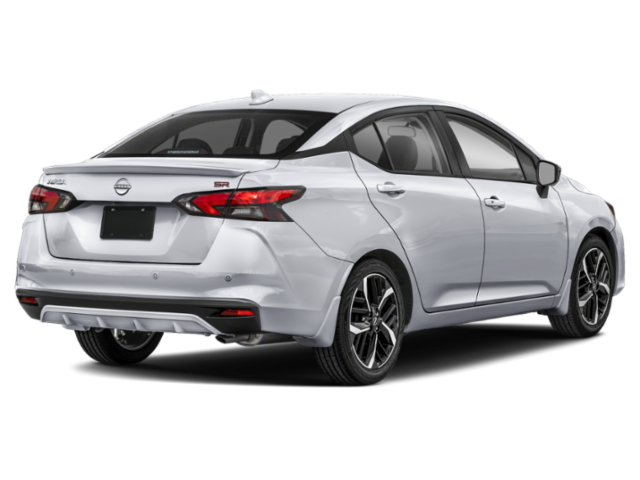
In the following sections, our independent expert analyzes a Versa SR equipped with the following options:
The test vehicle’s price was $21,470, including the $1,095 destination charge.
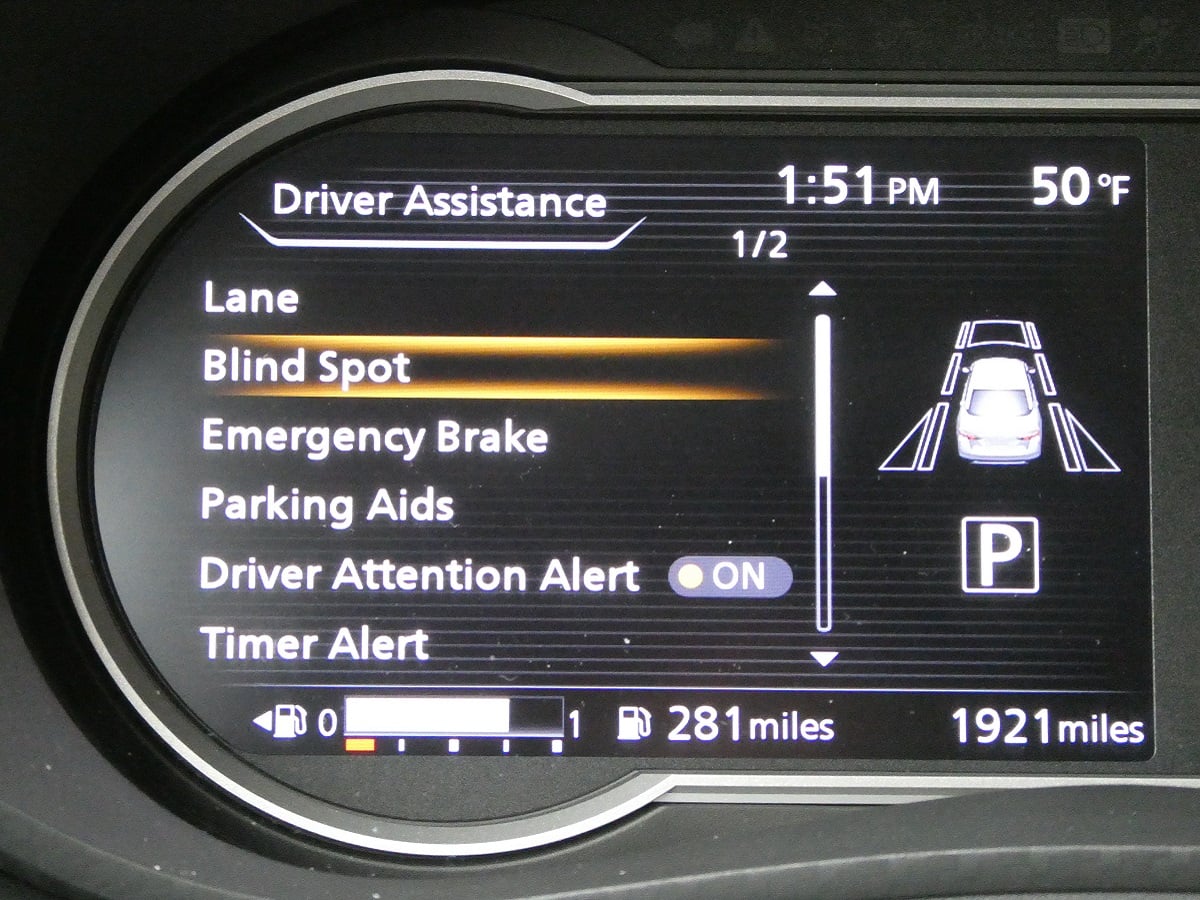
Photo: Ron Sessions
According to the 2022 APEAL Study, Versa buyers indicate that a feeling of safety is one of the top things they like about their car. Whereas some competitors, such as the Kia Rio, make nearly all advanced safety tech optional at extra cost, all 2023 Versa trims come standard with a good bit of it. In addition to a reversing camera and six airbags, the Versa’s Nissan Safety Shield 360 standard features include forward-collision warning with pedestrian detection and automatic emergency braking, lane-departure warning with haptic steering wheel vibration if the Versa wanders outside its lane markings, automatic high-beam assist, and a technology not available even on some higher-priced cars and SUVs—rear automatic emergency braking.
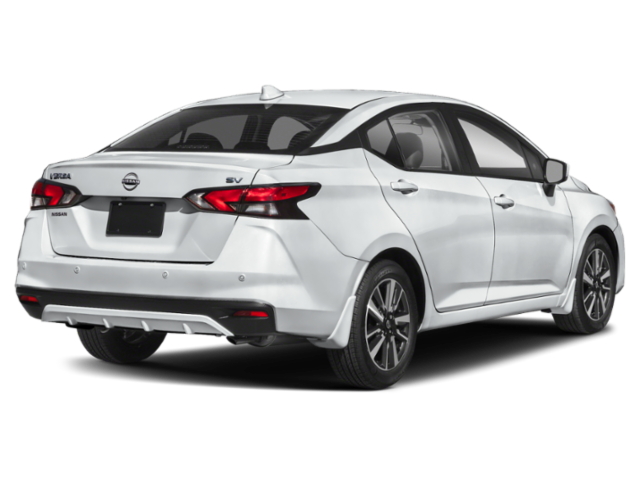
Moving up to the midgrade SV and top SR Versa trims nets standard blind-spot warning and rear cross-traffic warning systems, a driver monitoring system, and, new for 2023, a rear-seat reminder system. With horror stories in the news of children or pets left behind in bitter cold or searing heat, the new alert system for the rear doors adds peace of mind by reminding the driver to check the back seat to see if someone opened a rear door before the current key cycle.
Opting for the top SR trim also brings adaptive cruise control. None of this technology is leading edge, but it’s uncommon, especially as standard equipment, in this price class.
Despite its low cost and small size, the Nissan Versa fared well in crashworthiness testing. The National Highway Traffic Safety Administration (NHTSA) gave the 2023 Versa five out of five stars overall, and the Insurance Institute for Highway Safety (IIHS) gave the small Nissan sedan the highest-possible Good ratings for moderate-overlap frontal impacts and side impacts.
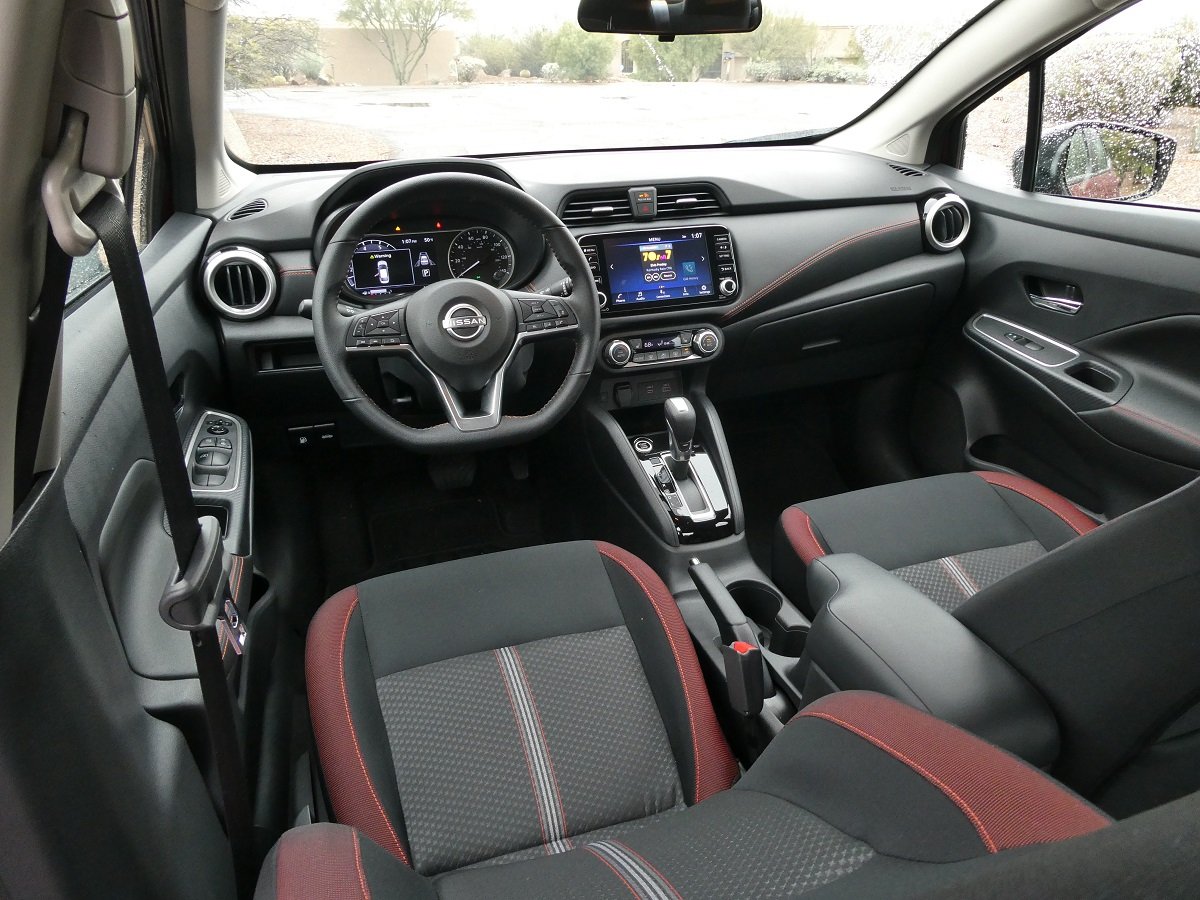
Photo: Ron Sessions
The proliferation of taller, larger, small crossover SUVs with their slightly elevated seating positions has affected what vehicles buyers consider to be roomy. In the 2022 APEAL Study, verified Versa owners rate getting in and out, interior design, and driving comfort among the Nissan sedan’s least-liked attributes.
The 2023 Versa offers more front-seat headroom and legroom than its competitors, the Kia Rio and Mitsubishi Mirage. Even though the Nissan falls short in rear-seat headroom (due to the low-sloping roof) and legroom, its long front-seat adjustment-track range allows plenty of leeway to move the front chairs forward a bit to accommodate longer-legged rear-seat passengers.
As for ingress and egress, the Versa’s seating position is low compared to crossover SUVs. Rear-seat passengers may need to duck slightly, but once inside, headroom for the occupants of the outboard seats is acceptable.
With an eye toward comfort and convenience, the 2023 Versa SR adds standard automatic set-and-forget climate control—a feature not regularly found in small entry-level models. In addition, both SV and SR trims get a new standard center armrest, and ahead of that, on the center console, a wireless charger for Qi-compatible smartphones and other devices.
Unlike the Kia Rio and Mitsubishi Mirage, the Versa is not available with a hatchback body style and the small crossover SUV-like cargo versatility that it brings. However, with up to a midsize sedan-like 15 cubic feet of luggage space, the Versa sedan offers the roomiest trunk in the subcompact sedan class, besting the sedan versions of the Rio and Mirage.
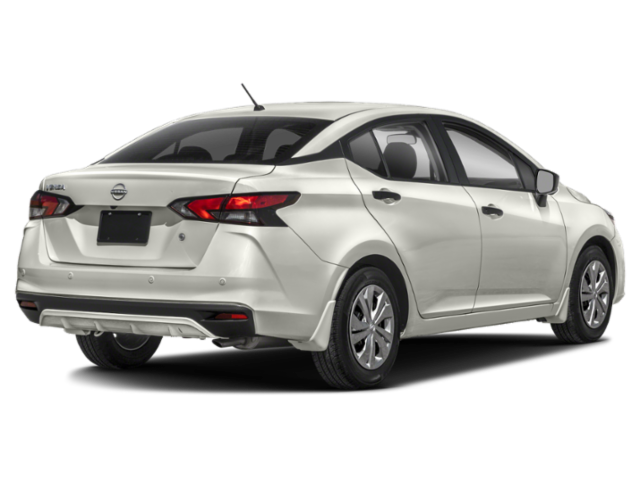
Although the base Versa S has a standard fixed rear seatback, SV and SR trims come standard with a 60/40 split-folding rear seatback (optional at extra cost in the base Versa S), which, when lowered, easily doubles the amount of cargo space. The split-folding back seat also allows longer items such as ladders, lumber, and skis to stow inside the car with the trunk lid closed.

Photo: Ron Sessions
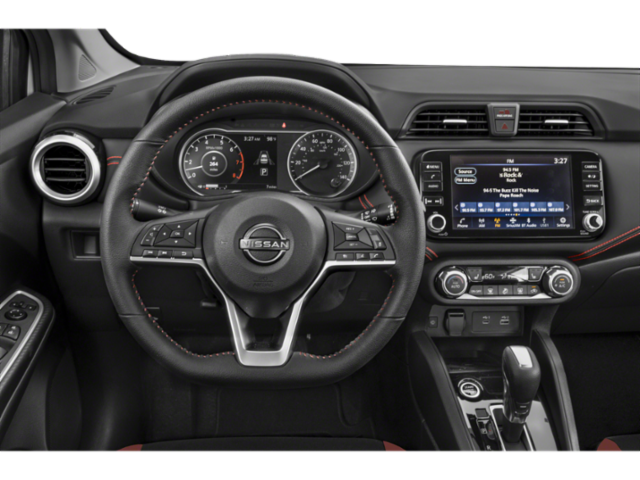
Changed little since the current-generation Versa’s debut in 2020, the car’s infotainment system is easy to operate. It features a brightly colored screen, large on-screen tiles, dirt simple analog rotary volume and tuning knobs, hard shortcut buttons flanking the screen, steering-wheel controls, and voice assistance. As a result, most everyday tasks are doable without scrolling through menus.
For 2023, the 7-inch screen used in all trims since 2020 gets upgraded to 8 inches in the range-topping SR trim, which also gets standard Wi-Fi hotspot capability and Nissan connected services. With NissanConnect Services, the owner can access vehicle functions such as remote engine start via compatible smartphone and smartwatch apps.
For the 2023 model year, a new S Plus package allows buyers to add wired Apple CarPlay and Android Auto (plus one-size-larger 16-inch alloy wheels and a 60/40 split-folding rear seat) to the base S model. In addition, opting for this package means buyers who want to shift gears for themselves with the 5-speed manual transmission offered only in the base Versa S can now enjoy NissanConnect smartphone mirroring.
As with other lower-priced new cars, using Apple CarPlay or Android Auto is the only way to get maps and navigation instructions in the Versa because it is not available with an embedded navigation system. However, with Android Auto connecting my Samsung phone via cable to the test car’s USB-C port just above the center console, I found the points-of-interest search responded quickly and accurately. There is also a larger, slower USB-A port above the console for streaming with older systems and a charge-only USB-C port at the rear edge of the console.

Photo: Ron Sessions
In the 2022 APEAL Study, respondents rate fuel economy as the Versa’s best-liked attribute, while the car’s powertrain came in second to last. As it has since its 2020 introduction, the current-generation Versa uses a 1.6-liter 4-cylinder engine producing 122 hp and 114 pound-feet of torque. While that’s comparable to what the small-car competition, such as the Kia Rio, offers, it provides considerably less oomph than most new cars, trucks, and SUVs.
By my stopwatch, the Versa needs about 10.5 seconds to accelerate from zero-to-60 mph, so in fast-paced traffic, the little sedan has to work a bit to keep up. Moreover, with the CVT, acceleration, merging, and passing maneuvers at wider throttle openings can cause annoying engine droning. Otherwise, the Versa has no problem cruising at freeway speeds and zipping around town at more relaxed paces.
The payoff is good fuel economy, as high as an EPA-estimated 32 mpg city/40 mpg highway/35 mpg combined with the CVT and 27 mpg city/35 mpg highway/30 mpg combined with the 5-speed manual. During my week driving the CVT-equipped 2023 Versa SR, I saw an indicated average of 35.3 mpg.
Aside from the modest power, the Versa is surprisingly pleasant to drive. In the 2022 APEAL Study, owners rate driving feel as one of the sedan’s top attributes. The Versa’s ride quality is pleasantly supple, its steering light and precise, and its brake responses are linear and consistent.