
After several collisions involving Tesla vehicles operating on Autopilot and stationary emergency vehicles, the National Highway Traffic Safety Administration (NHTSA) has opened an investigation into the autonomous driving feature. Whether or not Tesla does enough to require drivers’ attention and alertness while using the feature is at issue.
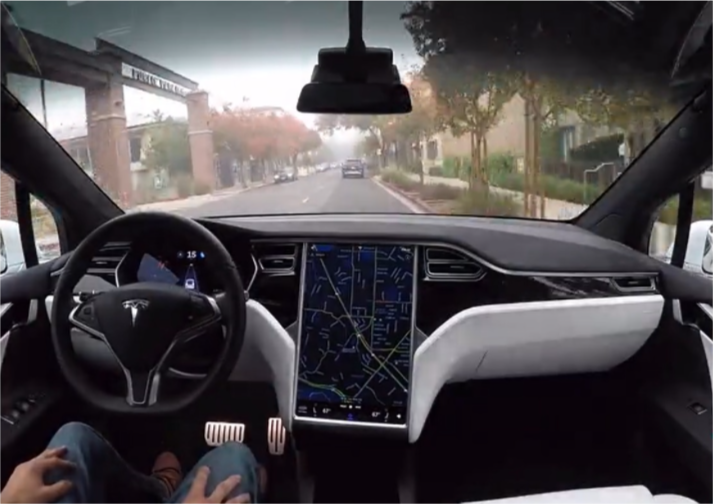
The government investigation involves 765,000 vehicles, which is nearly every vehicle sold by Tesla since 2014. The NHTSA documentation states that the agency will “assess the technologies and methods used to monitor, assist, and enforce the driver’s engagement with the dynamic driving task during Autopilot operation.”
The NHTSA says that its Office of Defects Investigation has identified 11 crashes that involve Tesla vehicles operating on Autopilot hitting stationary vehicles that have taken place since 2018. Most of the collisions occurred after dark when first responders were on a scene with lights, flares, and other high-visibility emergency equipment. Out of those crashes, 17 injuries and one fatality were recorded.
This investigation is not the first time a federal agency has scrutinized Tesla’s Autopilot feature. Earlier this year, two men died in a crash in Texas when the 2019 Tesla Model S they were driving hit a tree and burst into flames. At the scene, there was a person in the front passenger seat and another in the back seat, indicating the vehicle may not have had a driver at the time of the collision.
While it’s easy to find footage of people napping or doing other things while riding in a Tesla with active Autopilot, it’s important to note that the feature does not enable the vehicle to drive itself and does not replace an attentive driver with hands on the wheel. The functionality is more like adaptive cruise control on steroids, maintaining the vehicle’s speed, following distance, and position in its lane. Tesla notes on its website that current Autopilot technology requires active driver supervision and does not make the vehicle autonomous.
Another Tesla feature, known as Full Self-Driving, or FSD, also fails to make the vehicle autonomous, despite its name. For $10,000 or regular subscription payment, buyers can add features such as lane-change assist with minimal driver intervention and parallel parking assistance, but again, the car will not drive itself.
The NHTSA is the source of information for this article. It was accurate on August 16, 2021, but it may have changed since that date.


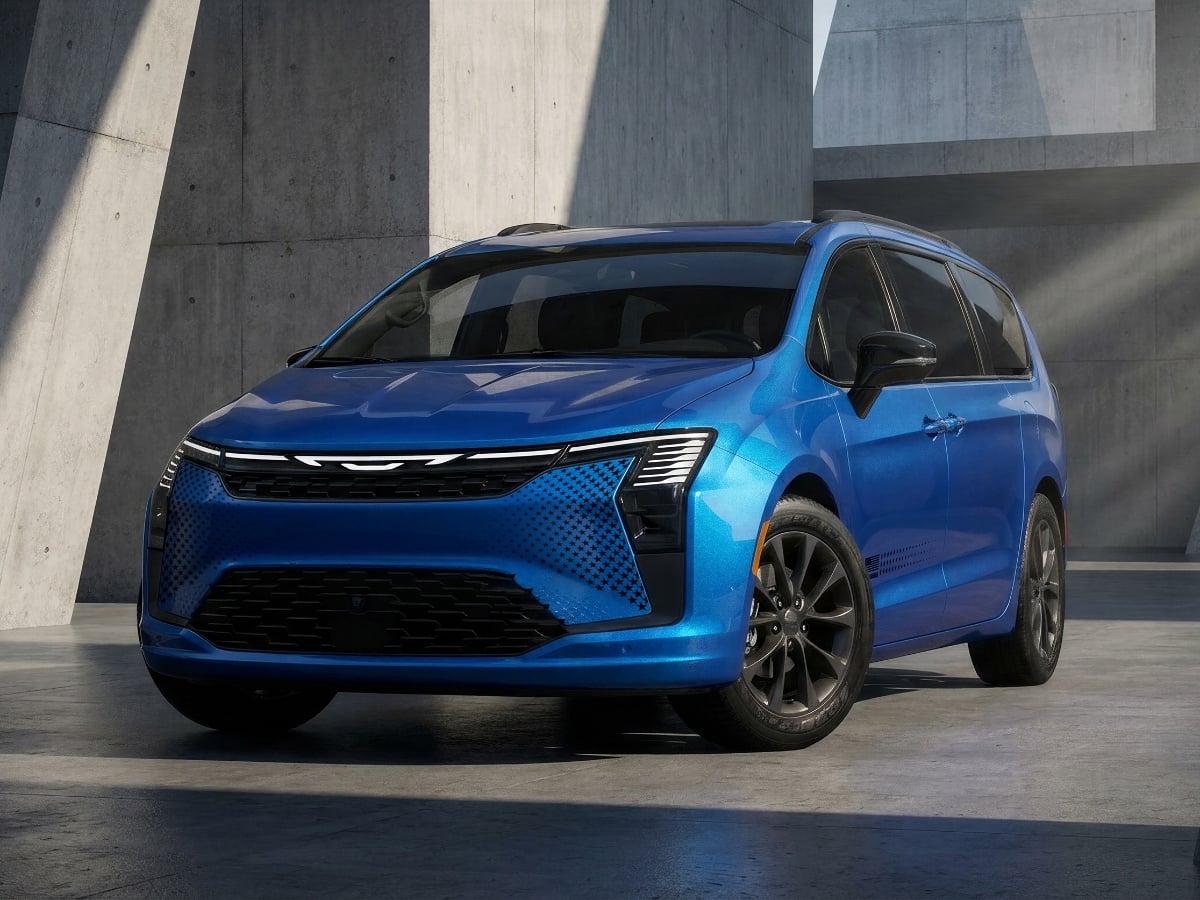
Chrysler, the company that launched the modern minivan segment in 1984, is giving its popular 2027 Chrysler Pacifica a nose job and introducing a special edition commemorating America’s 250th ...See More
Read the Full Article
An all-new GMC Sierra 1500 debuts for the 2027 model year, featuring next-generation V8 engines, a premium interior with wide digital displays, and class-exclusive luxury and technology features on ...See More
Read the Full Article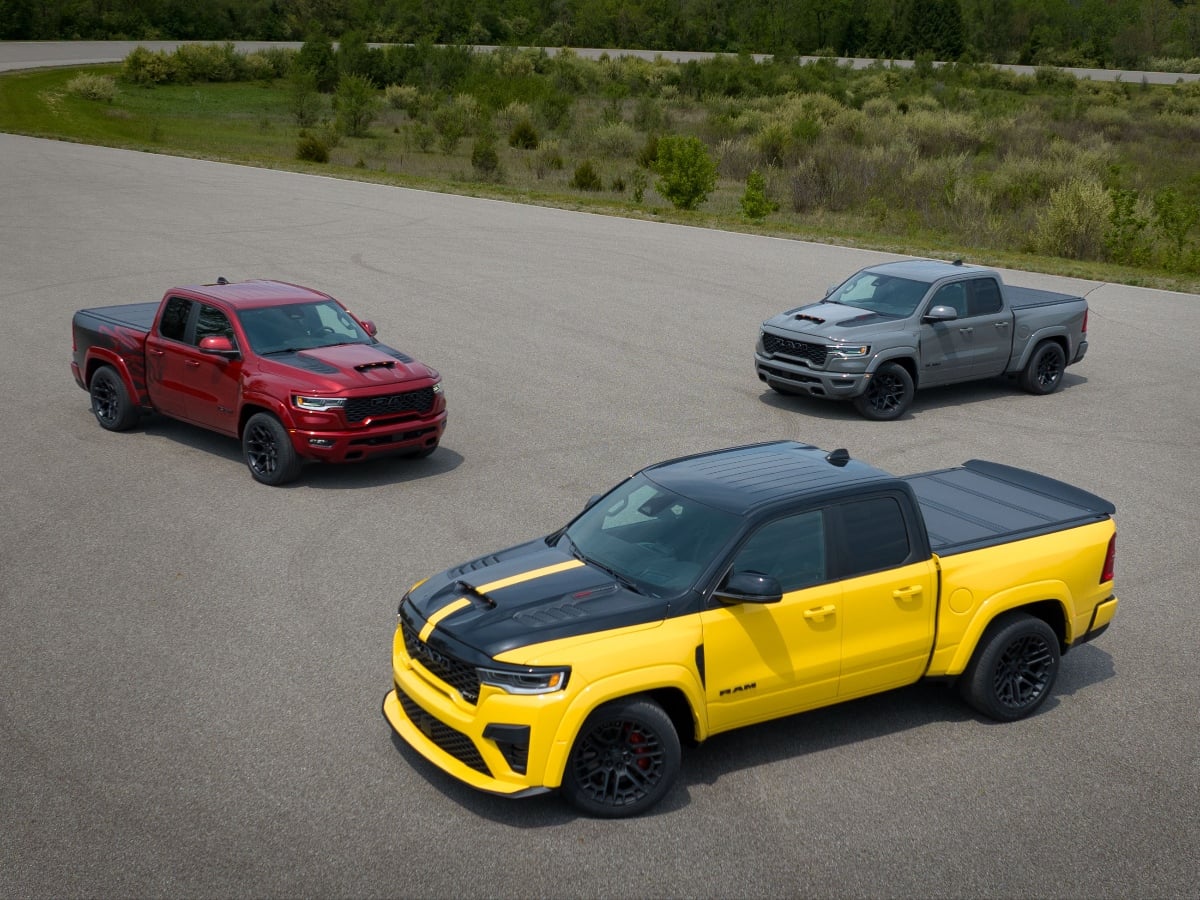
With the 2027 Ram 1500 Rumble Bee, Ram aims to revive the domestic muscle truck segment by offering a trio of Hemi V8 engines, including the 777-horsepower Rumble Bee SRT.
Read the Full Article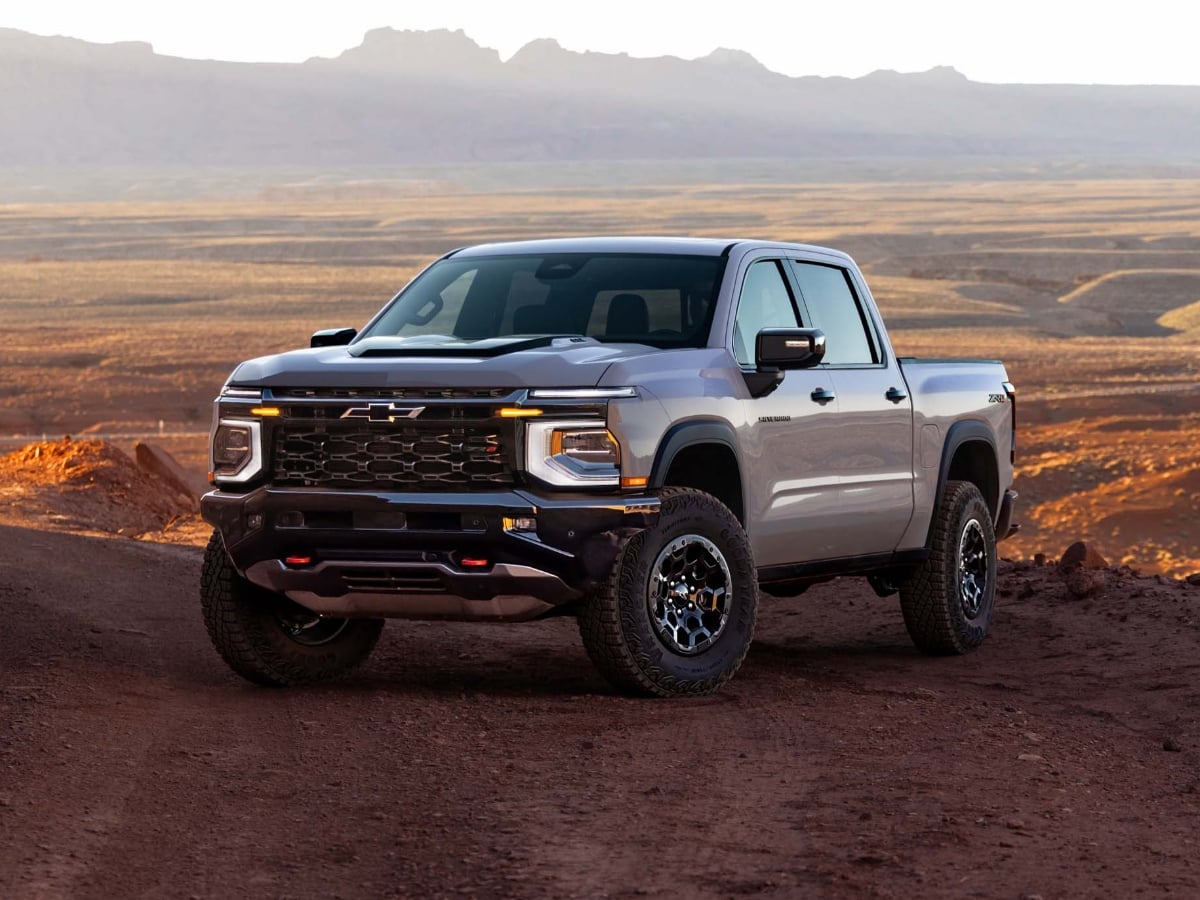
The redesigned 2027 Chevrolet Silverado 1500 marks the next generation of Chevy’s iconic full-size pickup, introducing fresh styling, an upgraded interior, new technology, and revised V8 engines ...See More
Read the Full Article