
New data from JD Power indicates that Americans remain ambivalent about electric vehicles (EVs) and self-driving cars.
The JD Power 2020 Q3 Mobility Confidence Index Study finds "an absence of substantive consumer interest in either," just as a surge of EVs is arriving and new advanced driving assistance systems (ADAS) technologies are rolling out. Based on a 100-point scale, the Mobility Confidence Index for EVs decreased from 55 to 54, and for ADAS from 35 to 34, both on a 100-point scale*. Younger Americans have the most positive views of self-driving technologies and EVs.
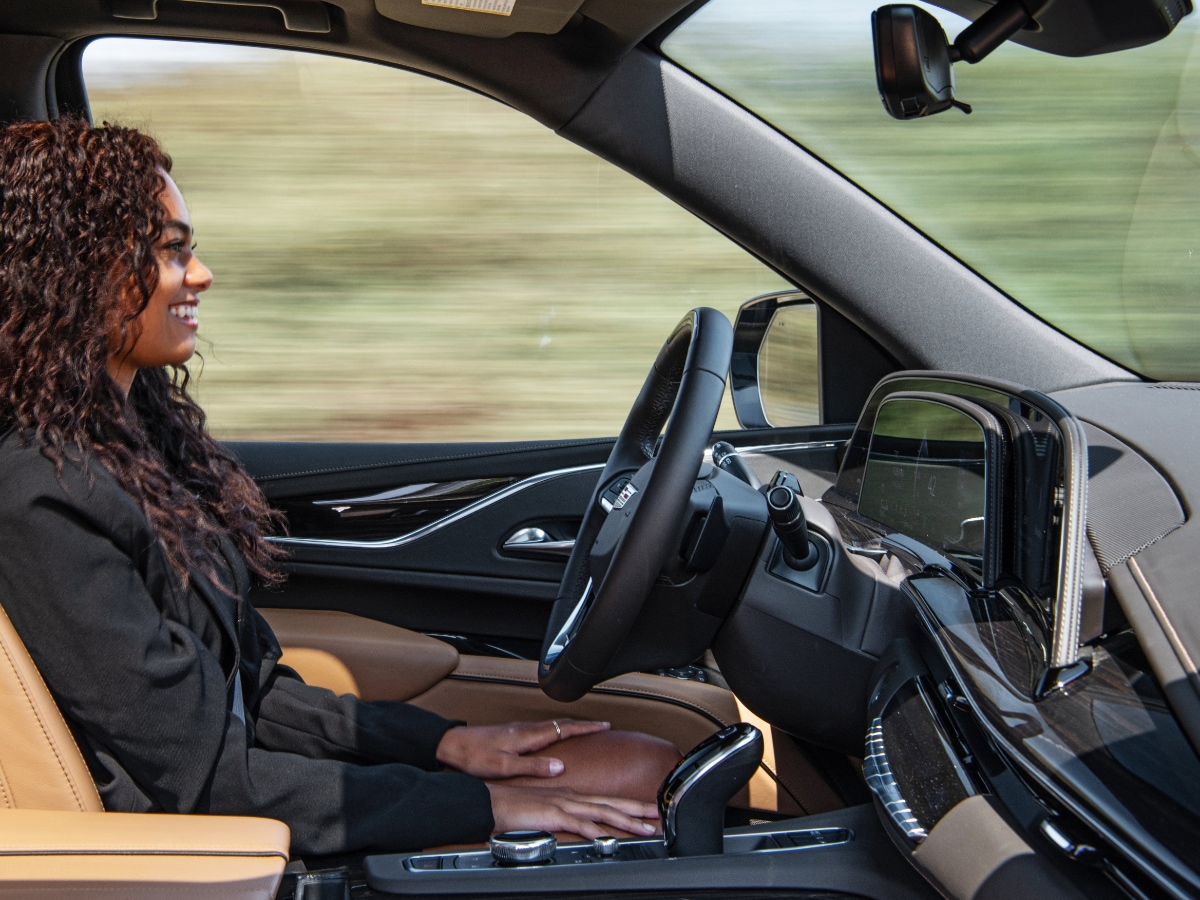
Car companies are investing significant sums of money in EV and ADAS technologies. But according to Kristin Kolodge, executive director of driver interaction & human-machine interface research at JD Power, automakers need to find ways to get people into EVs and experience ADAS and self-driving technologies to increase consideration. "Consumers remain skeptical because of their lack of first-hand experience with these technologies and lack of education about how and why these technologies work," Kolodge said in a statement.
Among the study's findings related to EVs:
Among the study's findings related to ADAS and self-driving cars:
Consumers who participated in the study say their top concerns with self-driving vehicles are technology failure, error, and hacking. The data finds 68% are worried about ADAS failure or error, while 56% claim a top concern is that a self-driving car will get hacked. According to JD Power, one survey respondent noted, "We've already had deaths by driverless vehicles. How many will it take before we realize that giving control to a computer programmed by a human, whose motivations we don't know, is probably not a great idea?"
More than 8,500 consumers and industry experts gave their opinions about battery-electric vehicles for the survey, and nearly 9,000 answered about self-driving vehicles. The survey was fielded in September 2020.
*All statistics in this article pertain to American consumer sentiment. The index also tracks Canadian sentiment, which is slightly higher for EVs and ADAS.


The Ford Transit is the automaker’s full-size cargo and passenger van offering, designed to serve a wide range of commercial and lifestyle applications. With 37 available configurations, the platform ...See More
Read the Full Article
The Chevrolet Tahoe is a full-size, three-row SUV with a standard V8 engine and available diesel power. Built on the same platform as the Chevrolet Silverado 1500 pickup, the Tahoe benefits from its ...See More
Read the Full Article
It is the end of the line for the Ford Escape. After 25 years as a fixture of Ford’s lineup, 2026 will be the compact SUV’s last model year.
Read the Full Article
The Colorado is Chevrolet’s midsize pickup. It ranks among the segment’s most capable trucks for payload and towing, and can be configured for both work and off-road adventures. For 2026, the ...See More
Read the Full Article