
An over-the-air (OTA) update for a car is a software improvement that a car company sends to your vehicle through wireless means.

These days, cars are practically computer processors on wheels run by a series of electronic control units that oversee everything from the powertrain to navigation. OTA updates allow automakers to quickly, conveniently, and automatically issue current and future operating system (O/S) refreshes to a vehicle in much the same way that a smartphone receives an O/S upgrade from its cellular provider.
But, like any new technology in its early phases, OTA updates have a long way to go before realizing their full potential.
Product manufacturers use OTA updates to deliver critical information to devices and ensure that all software is properly working.
For vehicles, OTA updates eliminate the need to visit a dealership service center for owners to enjoy the latest version of the software powering various systems. OTA updates are sent via a wireless connection and installed automatically.
There are two primary categories of OTA updates for cars: infotainment and drive control. Infotainment updates refresh map information, supply audio upgrades, and add new interfaces, app versions, streaming services, features, and more. Infotainment updates improve the in-car experience but are not mission-critical.
The second type, drive control OTA updates, affect a vehicle's ability to operate safely and properly as it moves down the road. These updates can include system enhancements or corrections to powertrain systems, chassis systems, and advanced driver assistance systems (ADAS). These updates are generally considered critical or required.
For a vehicle to be updateable, it needs connectivity and onboard hardware that gives it this capability. For the latter, vehicles are equipped with a telematics control unit (TCU), not to be confused with a vehicle's transmission control unit. A TCU is the primary device that oversees anything transmitted to the vehicle over the air. It wirelessly connects the vehicle to cloud services over a cellular network.
The TCU collects telemetry data from the vehicle, such a geographical position, speed, vector, engine data, and connectivity strength. The TCU consists of a satellite navigation unit, which keeps track of the vehicle's location coordinates; an external interface for mobile communication (LTE, 5G); an electronic processing unit; and memory to store information about the vehicle's sensor data.
Together, these components allow OTA updates to happen.
OTA updates are beneficial in several ways:
There are some areas of OTA updates that could prove challenging for the methodology. These include:
For both car owners and automakers, OTA updates are a win-win in most cases. As vehicles become more technologically advanced and connected, the need and demand for OTA updates will continue to go up. With that, so will the convenience and efficiency of making cars better, safer, and more compliant in every way.



With the 2027 Lexus TZ, Toyota Motor’s luxury division introduces its first three-row all-electric SUV, featuring a lounge-inspired interior, an enhanced all-wheel drive (AWD) system, and up to 300 ...See More
Read the Full Article
With the all-new 2027 Kia EV3 small crossover SUV, the Korean automaker continues to expand its all-electric lineup while keeping prices accessible.
Read the Full Article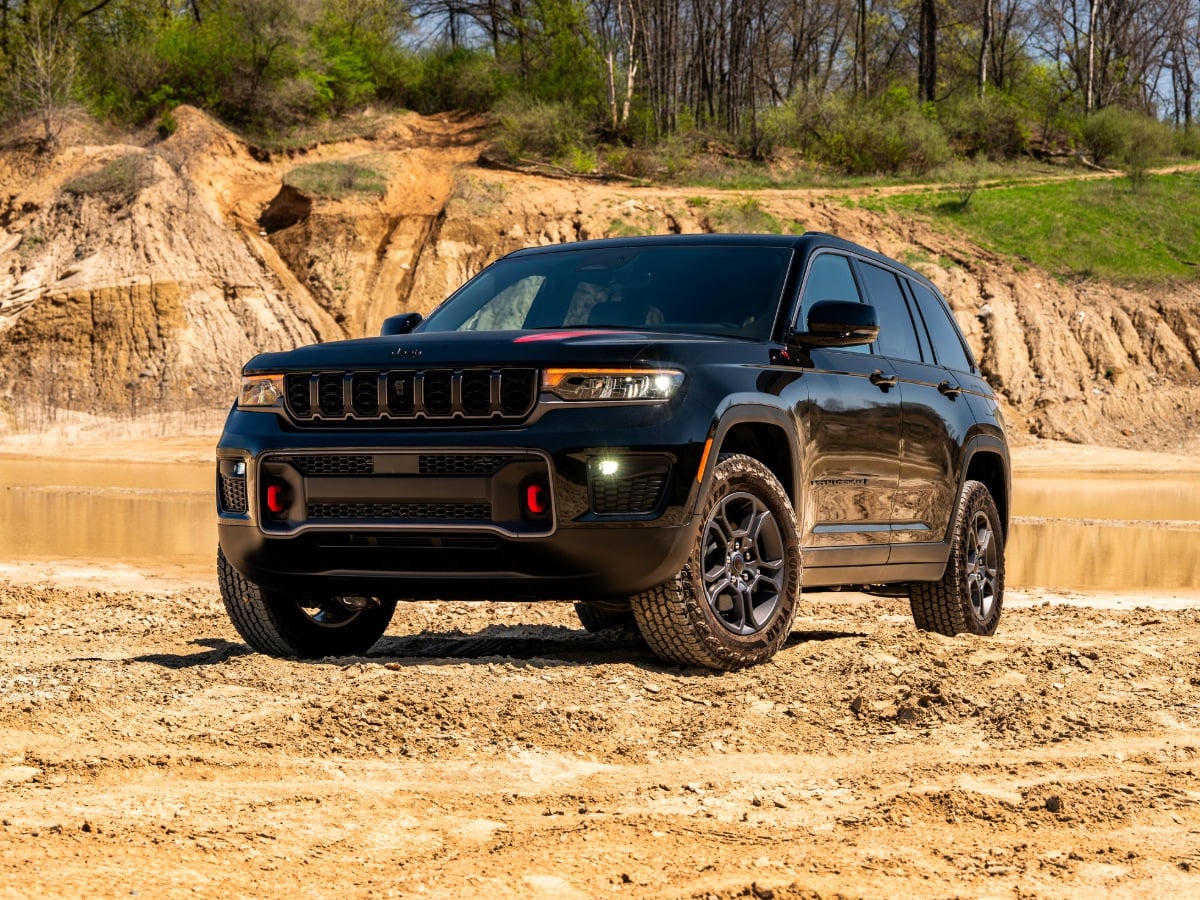
Following a refresh for the 2026 model year, the 2027 Jeep Grand Cherokee lineup brings back two familiar variants, the go-anywhere Trailhawk and the premium-yet-capable Overland, offering buyers ...See More
Read the Full Article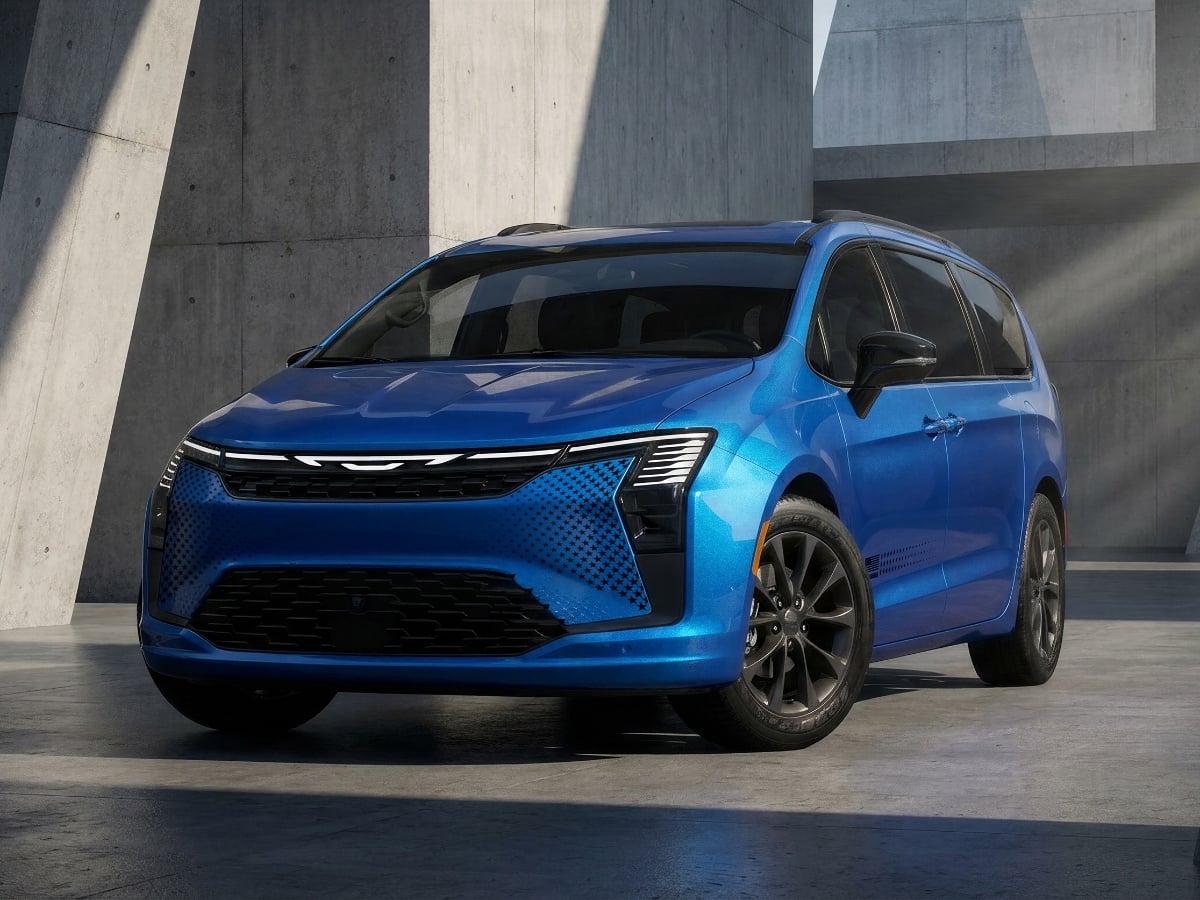
Chrysler, the company that launched the modern minivan segment in 1984, is giving its popular 2027 Chrysler Pacifica a nose job and introducing a special edition commemorating America’s 250th ...See More
Read the Full Article