
Car or vehicle inventory shortages can be inconvenient for consumers who are looking in the market for a new car, as they may have to wait longer to get the specific model or trim level they want.

In some cases, inventory shortages can lead to price increases, as manufacturers may be able to charge more for a limited supply of vehicles.
Car inventory shortages occur when there is an increase in demand for a particular model or type of car, or when there are production delays or supply chain disruptions that affect the availability of vehicles.
A vehicle inventory shortage refers to a situation in which a car dealership or manufacturer does not have enough vehicles in stock to meet demand. This may occur for many reasons, such as unexpectedly high demand for a particular model or production delays.
Car inventory shortages can have many impacts on car dealerships and manufacturers. For example, if a dealership does not have the vehicles customers want, it may lose sales and damage its reputation.
Similarly, if a manufacturer does not produce a certain amount of vehicles to meet demand, sales may drop and damage its reputation.
Vehicle inventory shortages can also impact consumers, as they may need more time to purchase the vehicle they want or wait for a car to become available.
In such cases, consumers may need to look for alternative vehicles or pay higher prices due to the limited availability.
Managing inventory levels and anticipating demand is a vital part of the car industry, as it helps dealerships and manufacturers avoid inventory shortages and ensure that they can meet the needs of their customers.
Several factors can contribute to a vehicle inventory shortage, including changes in consumer demand, production delays, supply chain disruptions, and quality control issues.
If there is a sudden increase in demand for a particular model or type of vehicle, it can lead to inventory shortages as manufacturers struggle to keep up with demand. This may be due to a new model that has to be released, a change in consumer preferences, or a shift in economic conditions.
Production delays may occur for several reasons, including supply chain disruptions, issues with raw materials, or problems with the manufacturing process. These delays can lead to inventory shortages as manufacturers may not meet consumers’ demands.
The automotive industry relies on a complex supply chain that includes different parts and components. If there are disruptions to the supply chain, such as natural disasters, political instability, or transportation issues, it can affect the production and availability of vehicles.
If a manufacturer discovers a problem with a particular model or component, they may halt production or recall existing vehicles, which leads to an inventory shortage.
It is important to note that vehicle inventory shortages may result from a combination of these and other factors, and they may be temporary or ongoing depending on the specific circumstances.
It is difficult to predict how long a car inventory shortage will last, as it can be affected by many factors. These may include supply chain disruptions, changes in consumer demand, and production delays.
Car inventory shortages can be temporary and only last a few weeks or months. In other cases, they may persist for a longer time.
For example, the global semiconductor shortage that began in late 2020 has caused delays in the production of many types of vehicles and is expected to continue to impact the automotive industry for several more months.
It is important to note that car inventory shortages are not uncommon and can occur for several reasons. If you are in the market for a new car, and you do not find the specific model or trim level that you want, it may be worth checking with dealerships or manufacturers to see if there are any updates on availability.
Alternatively, consider other options, such as purchasing a used car or waiting for the model you want to become available.
Car or vehicle inventory shortages can be inconvenient for consumers who want to purchase a new car, as they may have to wait longer to get the specific model or trim level they want.
A car inventory shortage refers to a situation in which a car dealership or manufacturer does not have enough vehicles in stock to meet demand.
Supply chain disruptions, changes in consumer demand, quality control issues, and production delays can cause car inventory shortages.
There is no definite time when vehicle inventory shortages last, they can be temporary or may last only a few weeks or months. They may also persist for a longer time.


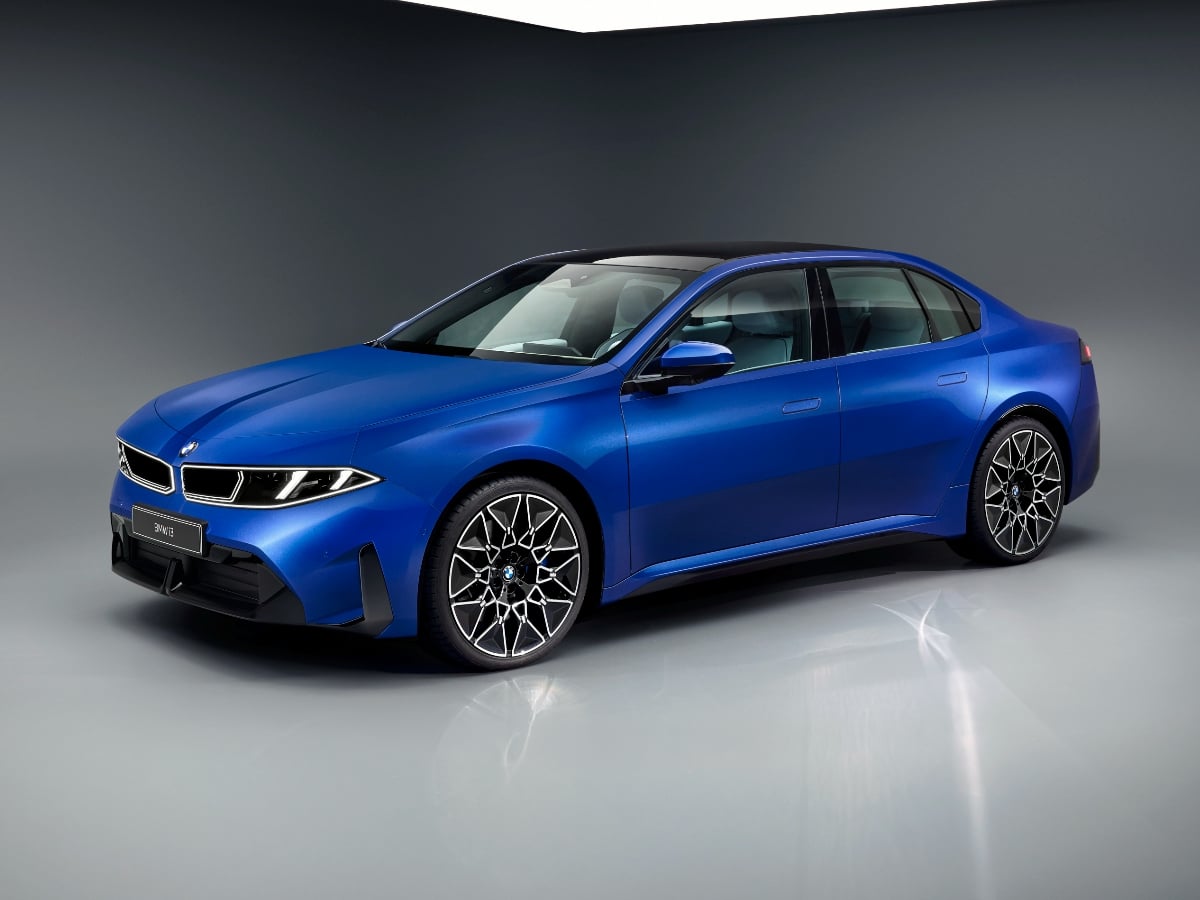
The new 2027 BMW i3 boasts an estimated range of up to 440 miles, 400-kilowatt DC fast charging capability, bidirectional charging to a home or the grid, and next-generation technology.
Read the Full Article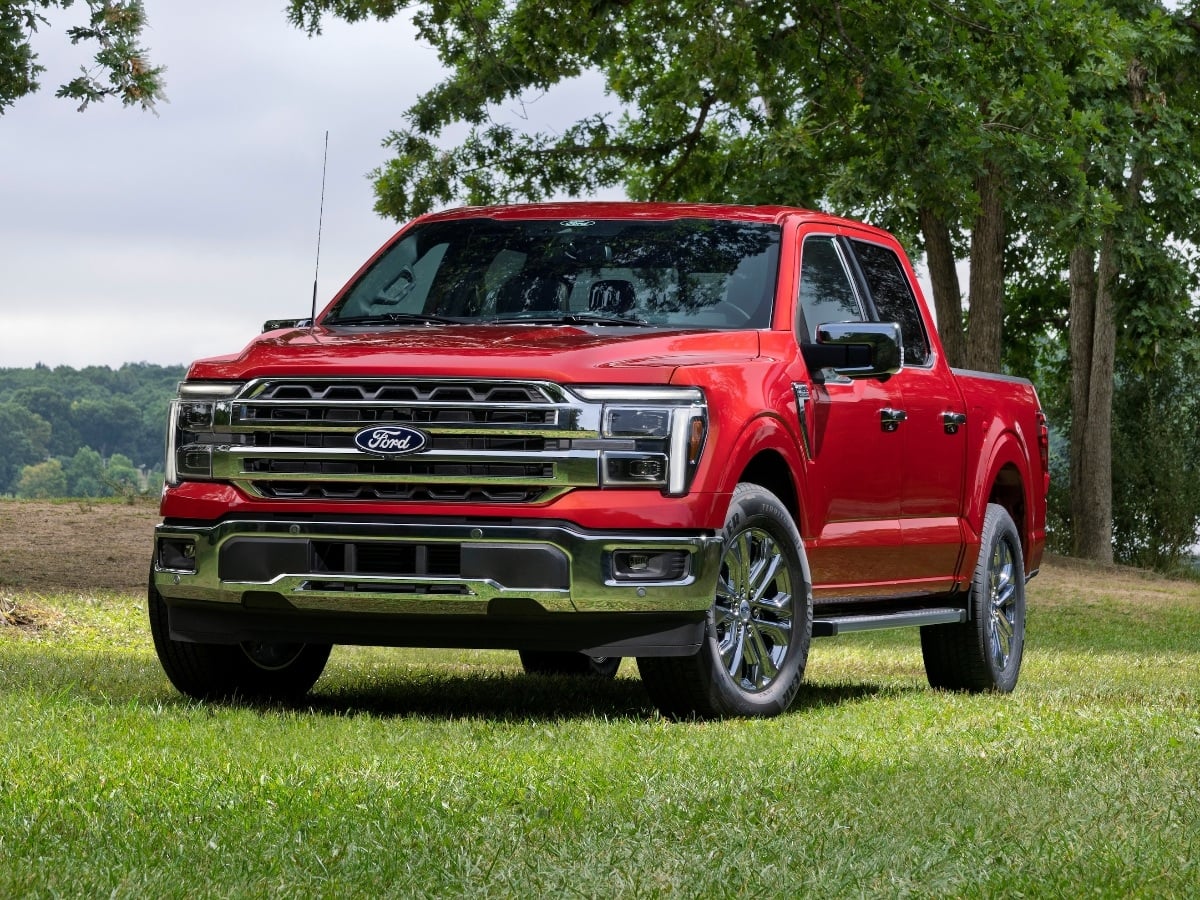
Facing renewed competition in the full-size, light duty pickup truck segment, the 2027 Ford F-150 receives subtle styling updates, a new standard engine, broader availability of its 5.0-liter V8, and ...See More
Read the Full Article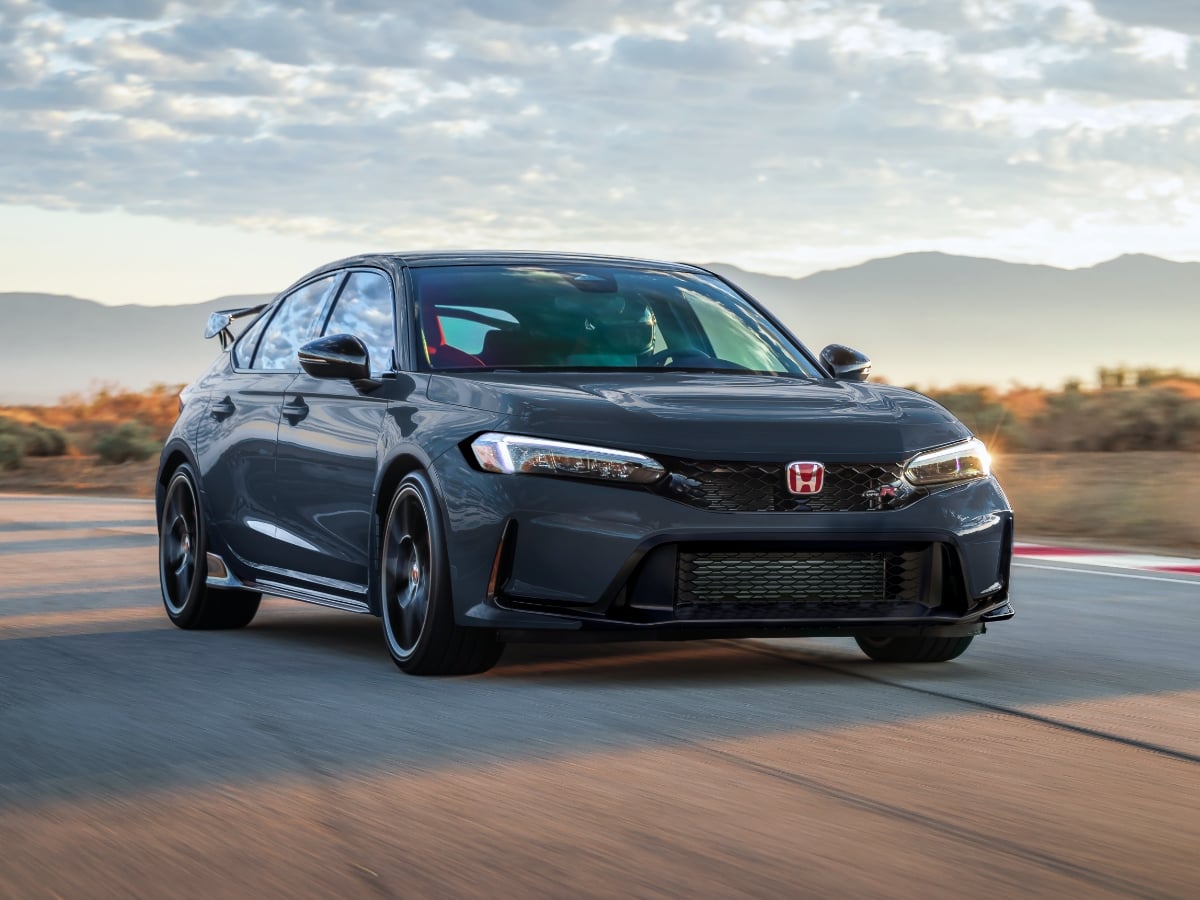
The 2027 Civic Type R goes on sale in October 2026, and it starts at $49,990, including the $1,295 destination charge.
Read the Full Article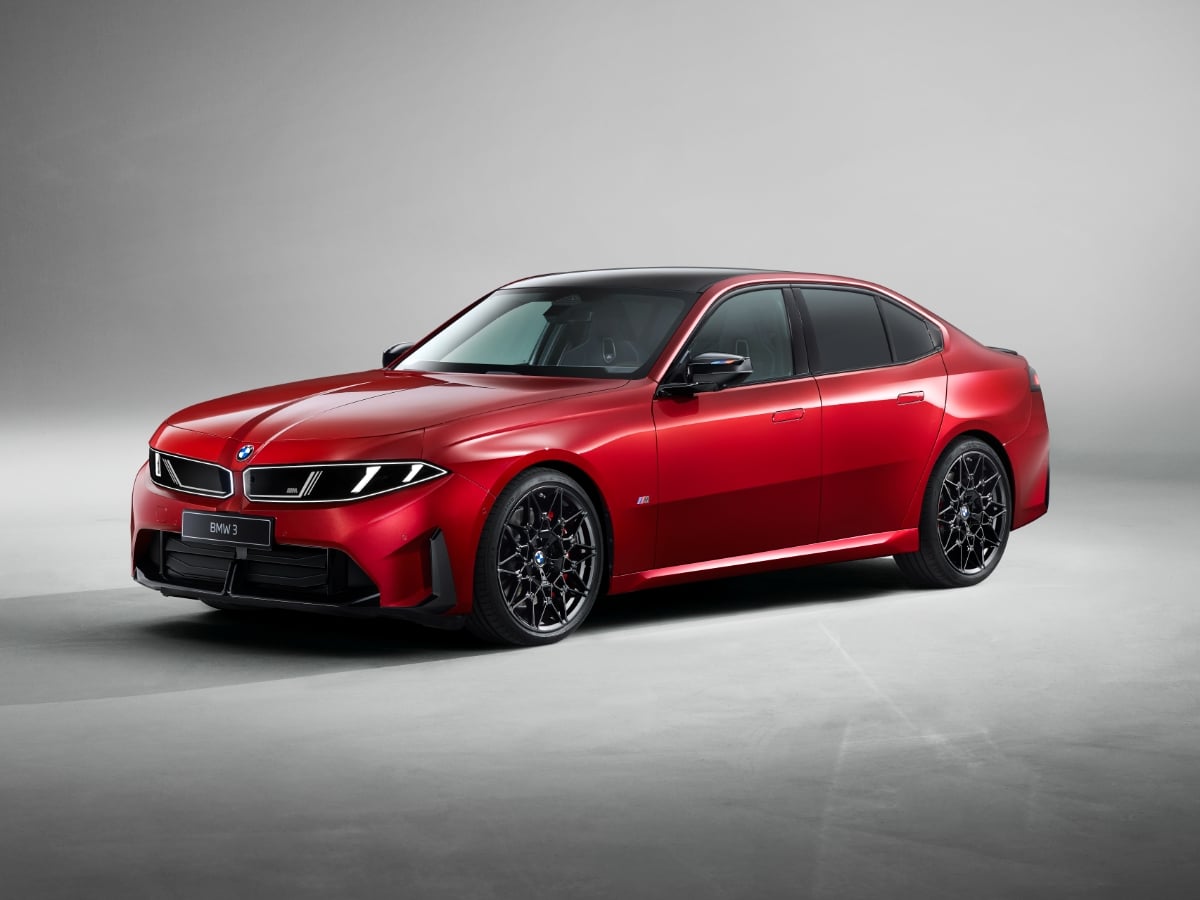
Part of BMW’s Neue Klasse (new class) rollout of redesigned models, the 2027 BMW 3 Series is all-new and goes on sale in the first quarter of 2027.
Read the Full Article