
Let's take a closer look at why today's vehicles are much heavier than their predecessors, why the extra pounds add costs to owning and driving a new vehicle, and what automakers are doing to reduce vehicle weight. There is an upside to the weight issue, and we'll discuss that too.
Mainstream vehicles such as the Honda Accord,Toyota Camryand the FordTaurus have gained hundreds of pounds-and in some cases up to 650pounds-in the past 20 years. Sport sedans like the BMW 3 Series,Mercedes-BenzC-Class, and the Audi A4 have also gained similar amounts-in some cases up to 550 pounds. And while the relatively lightweight Toyota Corollaand Honda Civic are still relatively small, they too have added hundreds of pounds to their curb weights due to consumer demand for safety, comfort and convenience features over the past few decades.
In general, there are two reasons why late-model cars are much heavier than their predecessors: safety and convenience.
Mandated Safety Features Add Mass
By law, modern vehicles are required to be fitted with a variety of safety-oriented technology (anti-lock brakes, stability control and tire-pressure-monitoring systems, etc.) and equipment (air bags,laminated glass, door intrusion beams, etc.). While these safety features are obviously welcomed they do add weight to the vehicle. In some cases, new systems and components are added; in other cases,existing parts are strengthened and reinforced to resist deformation of the body structure in a crash.
Comfort and Convenience Features Add Weight Too
Convenience features aren't new; cars have always been fitted with luxury items. But modern vehicles-even entry-level models-are typically fitted with an overflow of features that make driving easier and more convenient. Consumers today desire a full complement of power and luxury equipment (heated/cooled seats, sound deadening, rear climate control, etc.) as well as the latest technologies (Bluetooth connectivity, infotainment systems, real-time navigation, etc.). Again,the tradeoff for added convenience is weight-and in some cases, plenty it.
CreditingSir Isaac Newton's first law of inertia ("an object at rest tends tostay at rest"), it simply takes more power to move a heavier object(vehicle). This means that regardless of what type of engine is underthe hood of the car or truck-or how fuel efficient it is-the powerplantis working harder and burning more fuel whenever it has to acceleratethe added weight (any sports car enthusiast knows that weight is thecommon enemy of performance).
How Adding Weight Costs Money
The additional expense of added weight doesn't just stop at the pump interms of increased fuel costs. As Newton noted ("an object in motiontends to stay in motion"), a heavier vehicle also requires largerbrakes, bigger tires and a sturdier suspension-all of whichcounterproductively add more weight. Burdened by additional weight,these components tend to wear out more quickly compared to theircounterparts on a lighter vehicle-and, for the manufacturer, which mustpass on increased manufacturing costs to the consumer, oversize partscost more than smaller components.
To compensate for additional mass, automakers have had to increaseengine power. Thankfully, new engine technology has been able to offsetincreasingly greater engine displacements. In 1990, for example, aToyota Corolla with a 1.6-liter engine and automatic transmissionearned EPA mileage of 22 mpg city/30 mpg highway, yet its 2010counterpart with a significantly larger and more powerful 2.4-literengine returns identical fuel economy. Yet, it doesn't take much to wonderwhat the savings would be like if every vehicle on the road couldmiraculously shed 500 pounds. Automakersare also under pressure from consumers to offer more luxury and safetyfeatures, while new government regulations outline more stringent fueleconomy standards. Although this sounds like a losing battle, itdoesn't have to be. All vehicle manufacturers today are hard at workexploring innovative new technologies and materials that reduce weight,improve performance and increase fuel economy.
Vehicles that are on the drawing boards of automakers today are all onstringent weight-loss programs. The resulting and inevitable pushtowards lightweight cars and trucks will result in a more durableproduct requiring less maintenance and featuring improved efficiency.
Traditional iron engine blocks have been dropped in favor oflightweight aluminum and magnesium alloys that reduce significantweight under the hood (and improve driving dynamics). Heavy,corrosion-prone metal body panels have been replaced with lightweightcomposite pieces that are rust and dent-resistant, while steelsuspension components have given way to lighter aluminum alloys thatpay off via better handling and a smoother ride. On many cars, theheavy steel used around the windshield surround is now an advancedBoron alloy that is lighter, stronger and safer than the steel itreplaced.
Inside the vehicle, heavy strands of copper wiring are being replacedby single wires carrying multiple signals, or by thin fiber opticcables. Most of the steel inside the seats and dashboard has beenreplaced by lightweight alloys and plastics, and incandescent bulbs arenow miniature circuit-mounted light-emitting diodes (LED). Even the glass in thewindows-a significant component of added weight-is being redesigned tobe thinner yet just as quiet and durable.
It is understandable why after a couple decades of unchecked gains, allautomakers are taking a much closer look at the weight going into theirproducts. When passenger safety, vehicle longevity, performance andfuel economy are taken into measure, every ounce really counts.


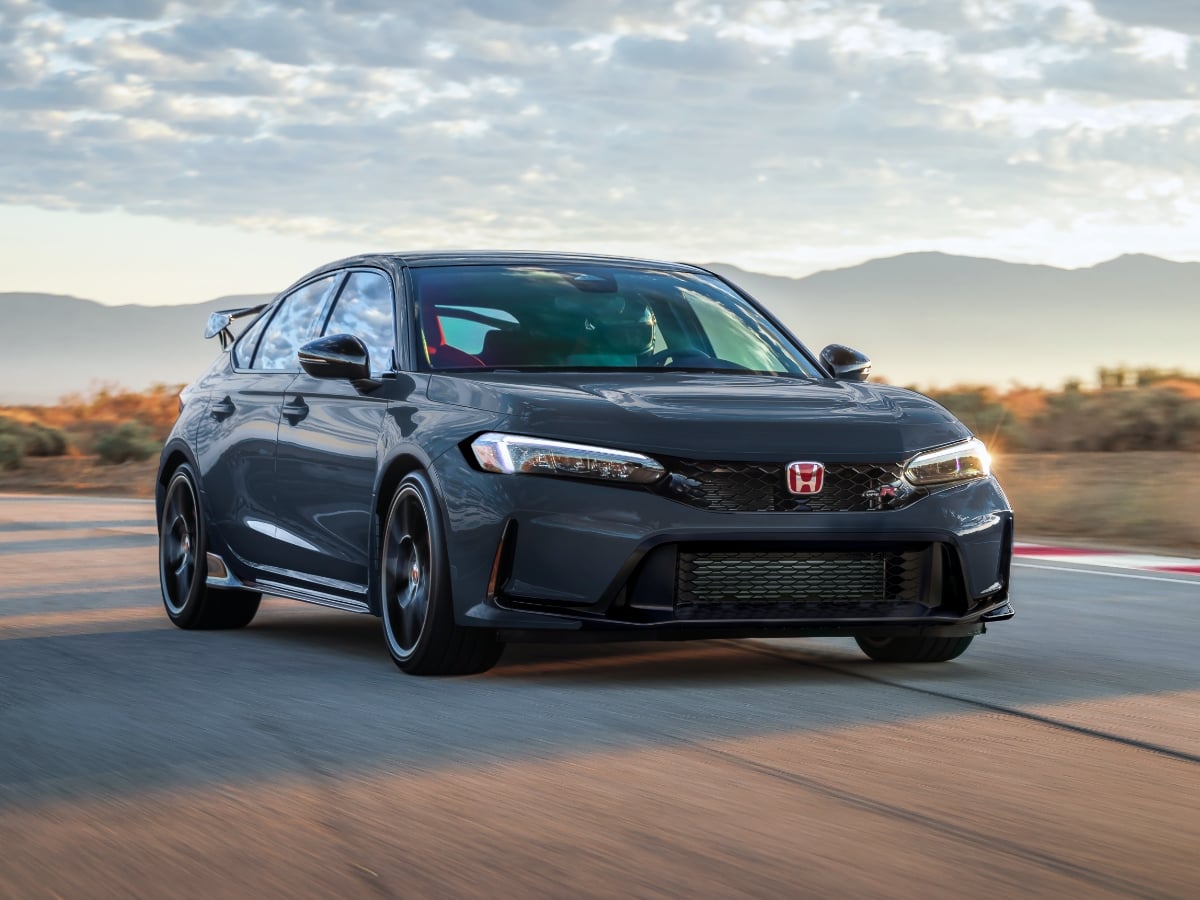
The 2027 Civic Type R goes on sale in October 2026, and it starts at $49,990, including the $1,295 destination charge.
Read the Full Article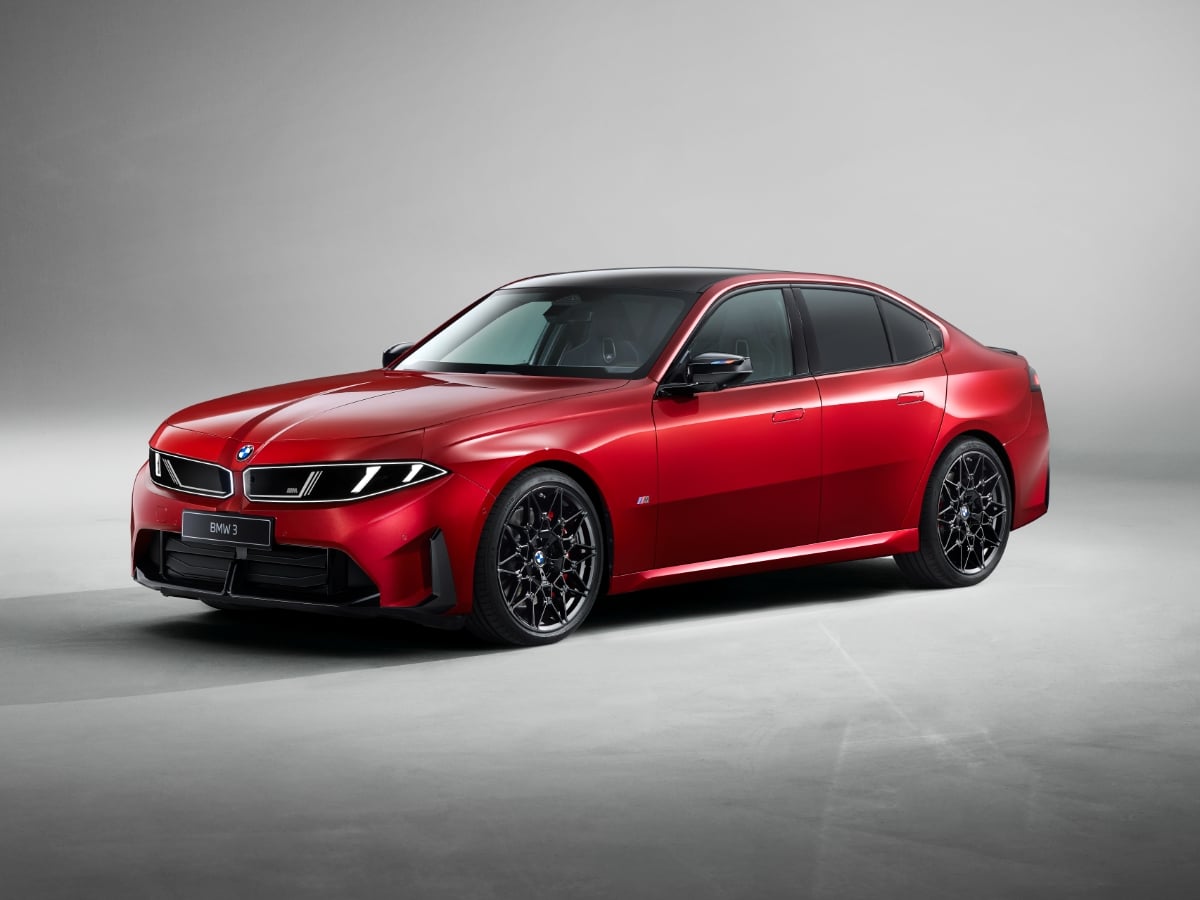
Part of BMW’s Neue Klasse (new class) rollout of redesigned models, the 2027 BMW 3 Series is all-new and goes on sale in the first quarter of 2027.
Read the Full Article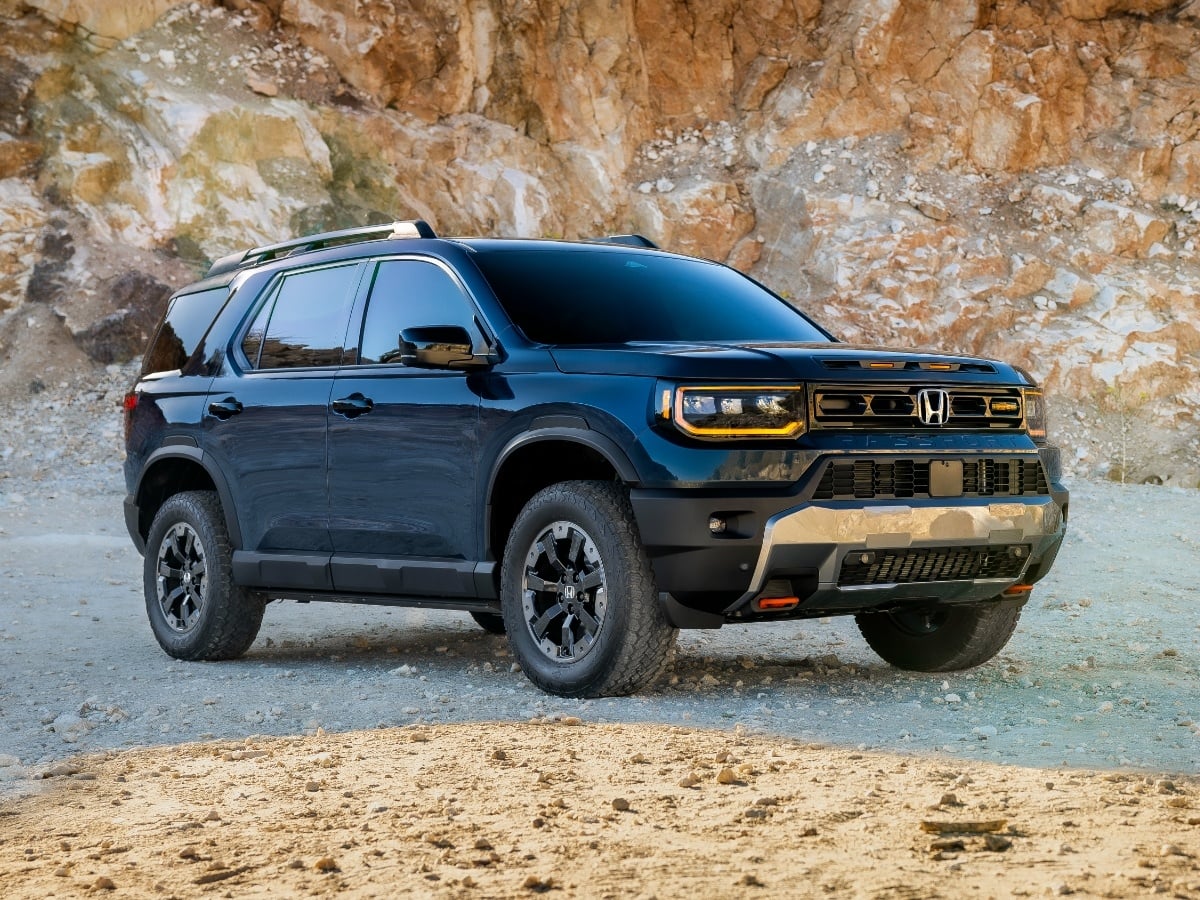
Updates to the 2027 Honda Passport TrailSport include a reworked suspension, improved steering, subtle styling enhancements, and added standard equipment.
Read the Full Article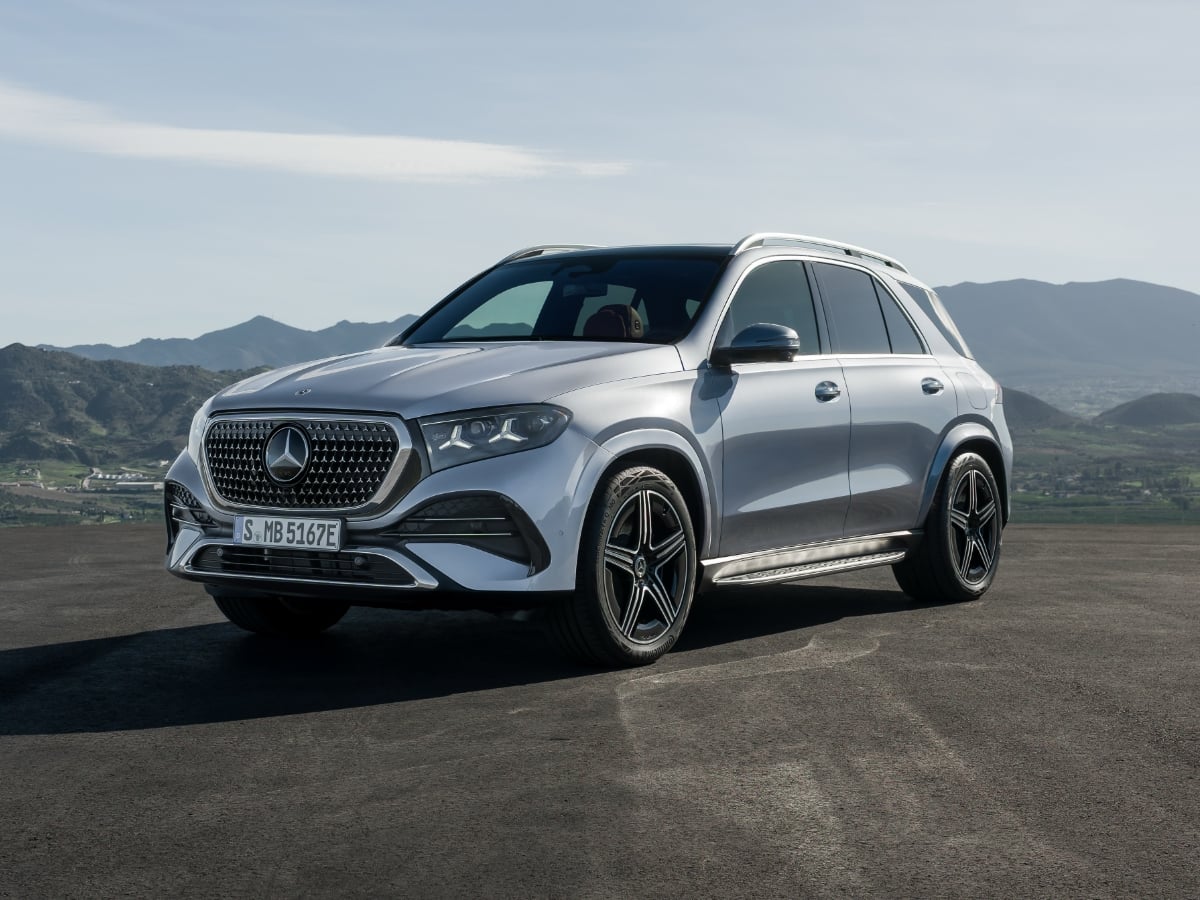
The midsize 2027 Mercedes GLE remains available in original and spicy Coupe recipes, now with standard 4Matic all-wheel drive (AWD), MBUX Superscreen technology, and a panoramic glass sunroof for ...See More
Read the Full Article