
As the competition between manufacturers is fierce, many buyers would like to know which models or car brands are the best. While there are quite a few top-tier cars out there, some always stand out.
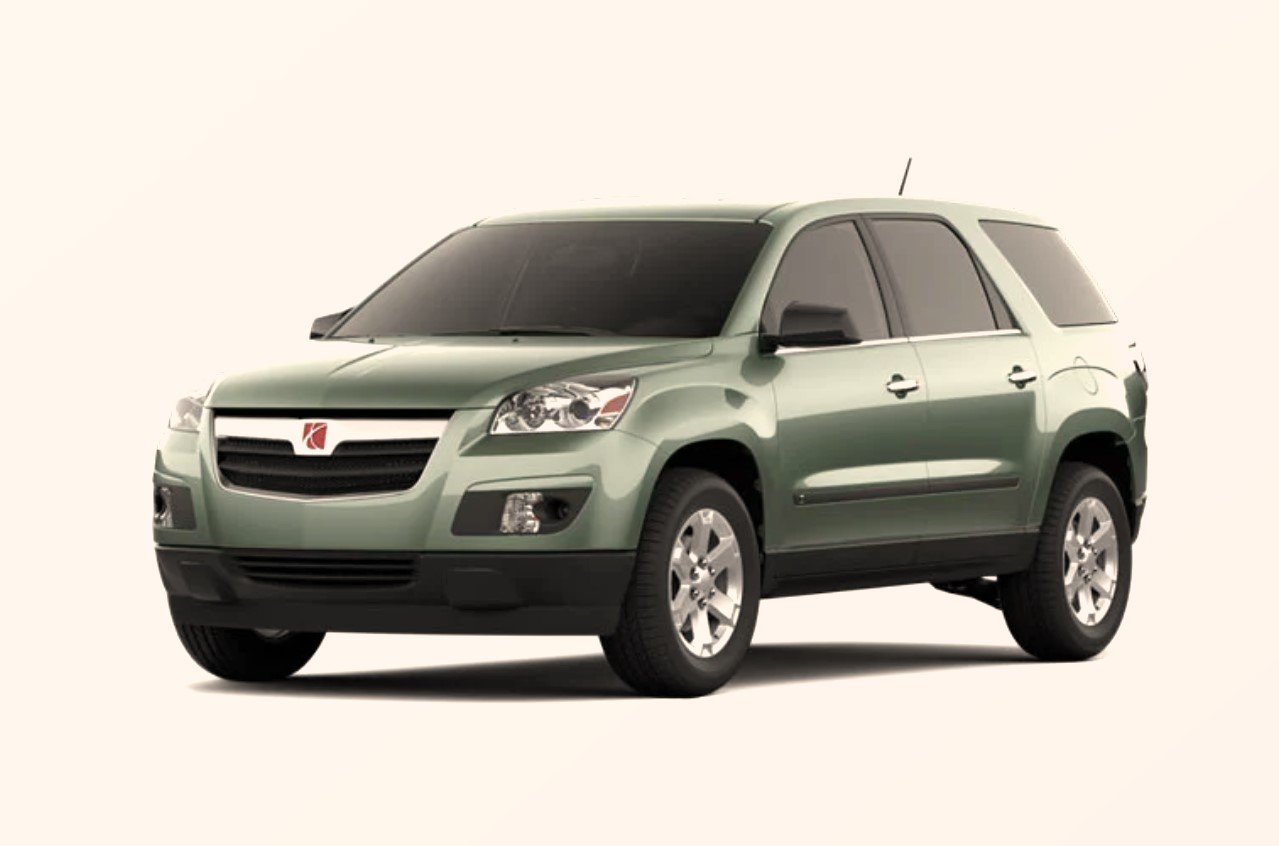
Some notable models are all-time classics, like the Mustang, while others are extremely rare due to some circumstances influencing the discontinuation or unavailability. Among such autos is Saturn, manufactured in the US until 2010. Until discontinuation, it was pretty popular among the general population.
Saturn cars first saw light in 1985. The company that manufactured them was Saturn LLC, a subsidiary of General Motors. According to some sources, the line was a direct response to competition and attempted to outshine the Japanese auto manufacturers.
Consumer Reports states that of the five Saturns released in 2009, only the Aura has high enough ratings to receive outright recommendations. They also caution potential buyers against purchasing the autos due to limited trade-in value and the low availability of parts.
This, however, doesn’t necessarily make the Saturns a bad option. It proves that discontinued lines or “one-of-a-kind” vehicles are always challenging to own. With this out of the way, let’s look at the rich history of these rides.
Initially, Saturn LLC used only 1.9-liter Saturn I4 engines and the same Z-body platform. Plastic panels were widespread and helped with dent resistance. Generally, they were built with versatility in mind, but that wasn’t always the case.
The original model was the S-Series and had three generations. The first design was actively used from 1991 to 1995. In 1995, the S-series got an upgrade and received a central console redesign with bigger instrument gauges. The first-generation single-cam engine offered 85 horsepower, while later generations with dual overhead cams could pull off 124 horsepower.
Second-generation models started to come out in 1996 and lasted until 1999. The single-cam now could go as high as 100 horsepower. The dual-cam option could boost the overall performance but was somewhat close to first-generation capacities.
Third-generation models were manufactured from 2000 to 2002. Here only minor changes were made. They mainly affected the exterior body panels, plus offered color options and redesigned interior as a bonus.
Saturn also manufactured sports coupes, which received their first set of changes back in 1997. They got a redesign with revised headlights, plus a third door behind the driver's door.
In 2002 the company released the L-series midsize cars. The model came with the same engine and a GM29000 platform. Some new options included the four-cylinder and six-cylinder versions, named L200 and L300, respectively.
The Vue and the Ion were the last models made with signature plastic body panels. The design was discontinued in 2007; later models were made around 2009 and got a new GM Lambda platform.
Saturn also manufactured the Red Line models with a sporty design and optimized performance. Their Green Line models also featured eco-friendly hybrid technology.
When it first came out, the Saturn was worth its price like any popular car. The vehicle’s no-haggle price model gained popularity quickly, and by 1993 GM celebrated the 500,000th car sold, with this number reaching 1,000,000 by 1996. There’s no doubt that people saw value in this purchase, and the demand was pretty high.
However, 12 years have passed since the line was discontinued. The spare parts for Saturns are incredibly scarce today, and you are highly unlikely to receive a model with a valid warranty. Because the bill for repairs could be significant in case of breakages, it’s fair to treat this line as a collectible, as there are much better offers on the market right now.
Saturn was another solid line released by General Motors. While it was worth its price back in the day, it doesn’t hold up that well to modern standards. You could still seek one out and buy it, but keep in mind that the availability of the spare parts is limited, and repair bills could be pretty high if something breaks.
We would advise you to consider other options as the car market is quite vast and you could undoubtedly find a better vehicle, custom-suited for your needs.


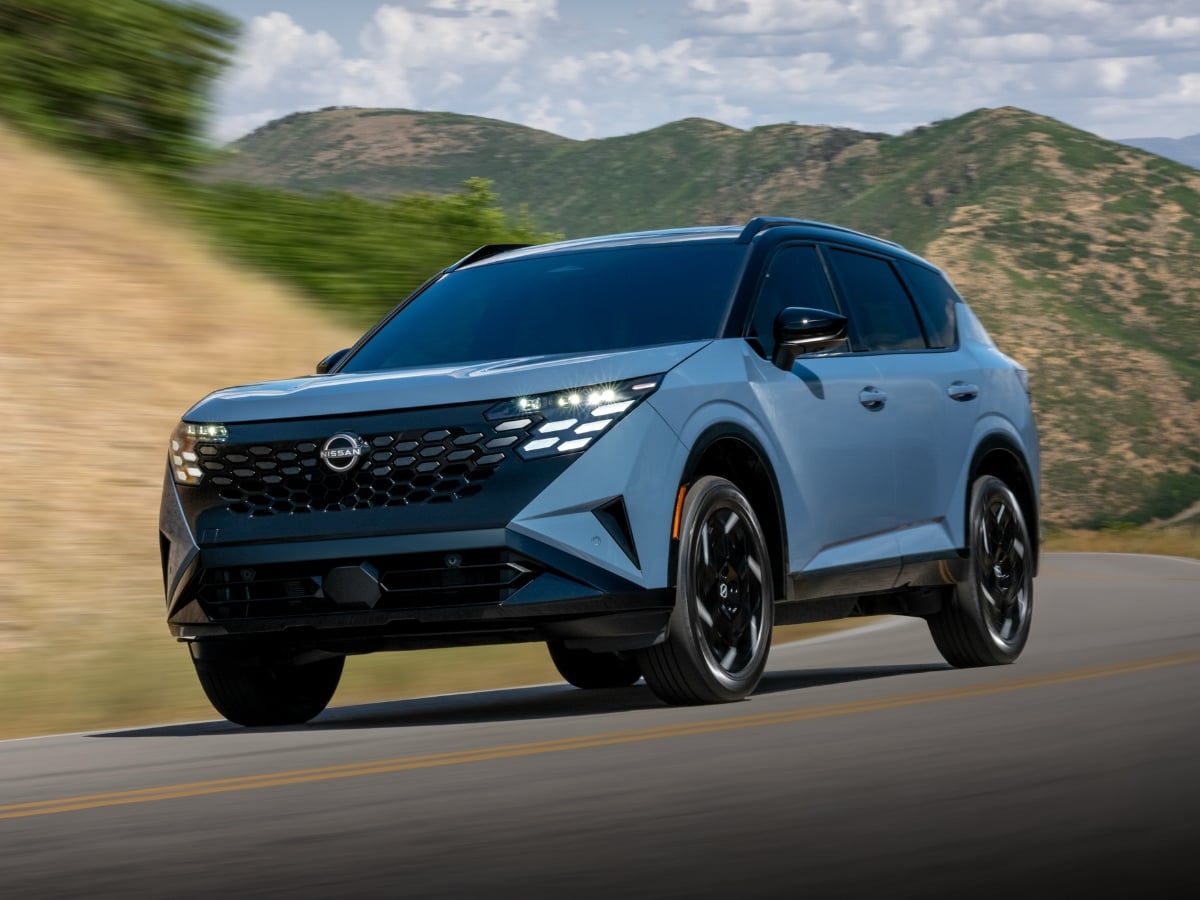
Nissan is about to introduce an innovative new SUV. The 2027 Nissan Rogue Hybrid has a gasoline engine, but it does not power the wheels. Instead, electric motors at each axle provide propulsion, ...See More
Read the Full Article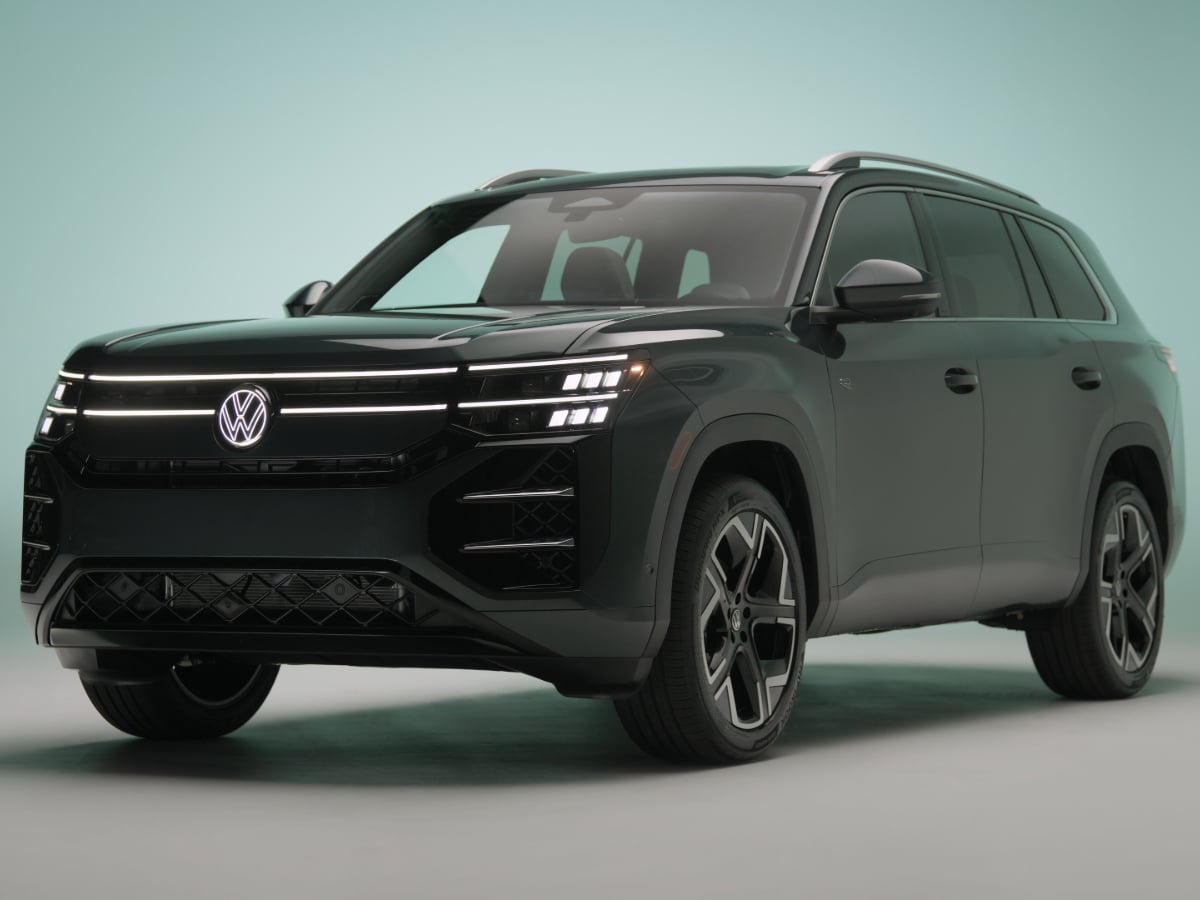
Adding European flair to the otherwise vanilla midsize three-row family SUV market, the redesigned 2027 Volkswagen Atlas debuts with a sharper exterior, an upgraded cabin, more power, and new ...See More
Read the Full Article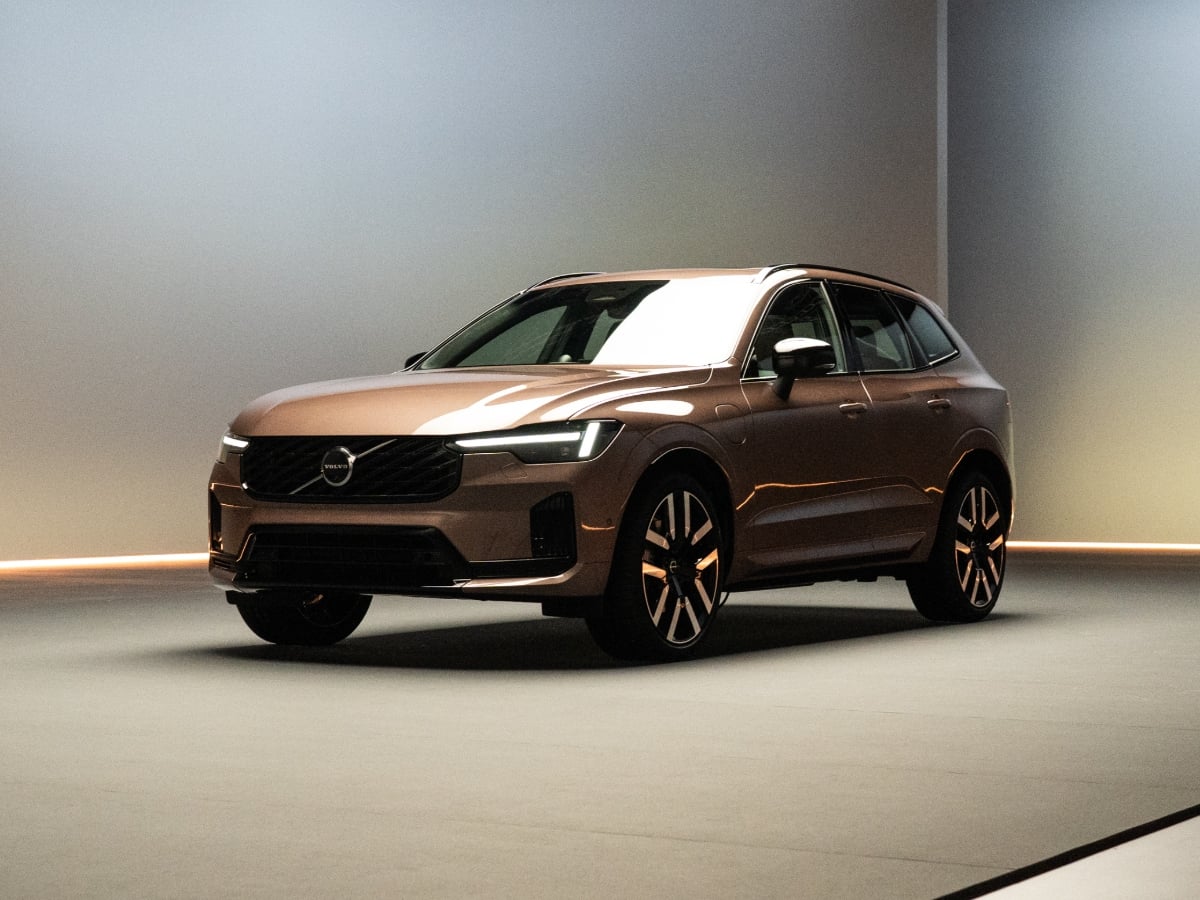
Though the styling stays largely the same, a massive boost in electric range for the plug-in hybrid (PHEV), plus a refined design, helps the 2028 Volvo XC60 stay current and desirable.
Read the Full Article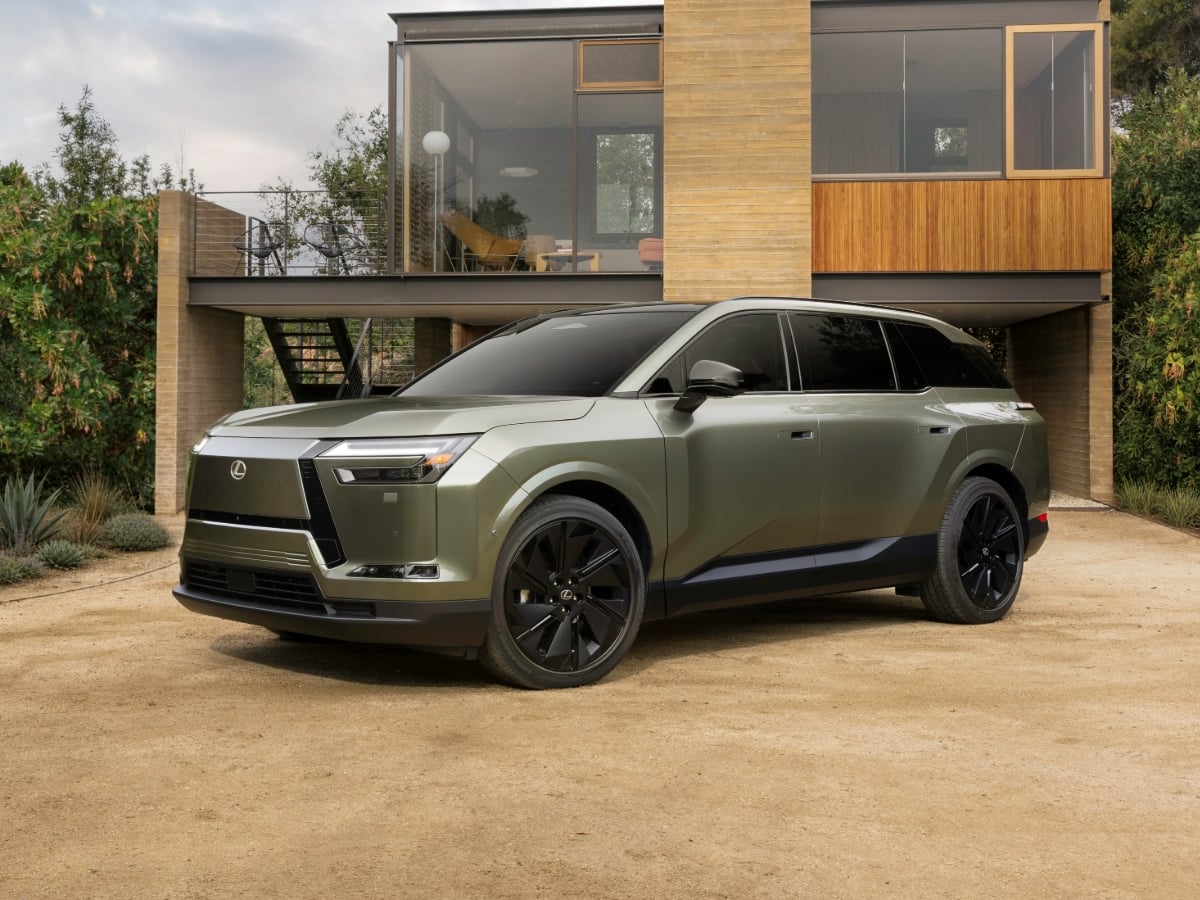
With the 2027 Lexus TZ, Toyota Motor’s luxury division introduces its first three-row all-electric SUV, featuring a lounge-inspired interior, an enhanced all-wheel drive (AWD) system, and up to 300 ...See More
Read the Full Article