
Are you looking to replace or exchange the tires on your truck? If the answer is yes, and you want to avoid a potential sizing mix-up, you’ll need to know exactly what size tires will fit your truck. While it may seem like a relatively straightforward process, there are some considerations you will need to keep in mind in order to make a practical selection.
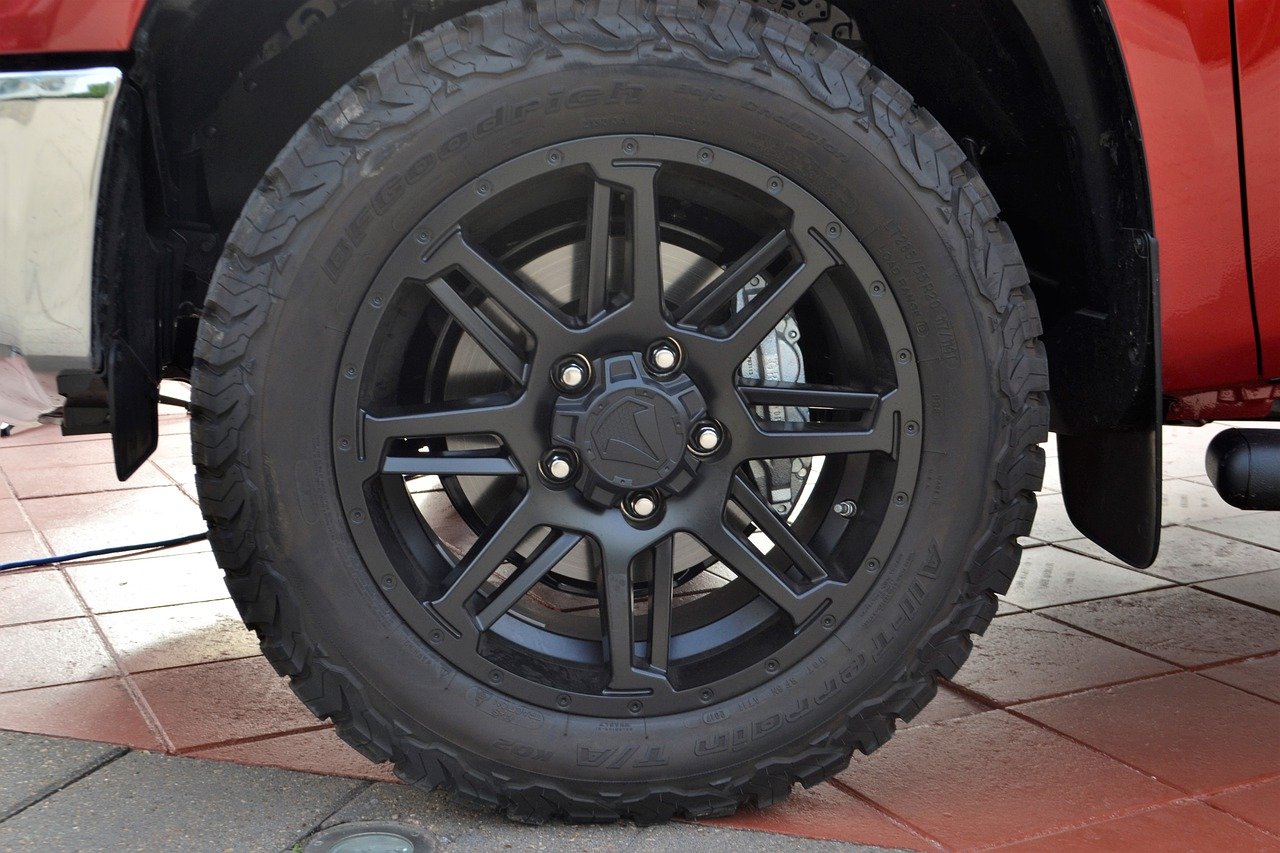
Let’s break down how you can accurately determine if a given set of tires will fit your truck.
When consumers look for tires that can fit their truck, multiple factors determine whether a given tire will be a good choice. It’s not simply a matter of whether the tire can slot into your truck with the correct height and width.
The size of your truck plays a crucial role in the dimensions of tires you can put on your truck. For example, larger trucks often have the ability to be equipped with larger, “plus-sized” tires, while smaller trucks may need to go with smaller tires (more on this below).
Similarly, the weight of your truck may also impact what sizes of tires are available to use. Heavier trucks often need heavier or wider tires to effectively carry their load and allow for steady handling, particularly if the truck in question is longer than average.
Lastly, the rims of your truck can also affect what sizes of tires will fit. Tires that are too big may not properly fit on your rims, causing you to either have to repurchase new tires or modify the truck’s rims to accommodate the additional size.
Fortunately, both tire and vehicle manufacturers make identifying the perfect tires for your truck fairly simple. You just have to find a few classification codes.
These codes are located in two places with most vehicles and tire brands:
Specifically, you want to look for small charts that include size dimensions, which typically have a few numbers and letters arranged in a code-like format. Here’s an example:
You may also find two tire classifications: "P" and "LT.”
"P" stands for “passenger,” indicating that the tires are good for passenger vehicles, like sedans, minivans, and CUVs. "LT" stands for “light truck.” This classification indicates that the tires are better for heavier vehicles, including most truck models, SUVs, vans, etc.
When it comes to trucks, you should only ever use LT-classified tires. P-class tires simply will not be large or sturdy enough to handle your truck’s weight and size for safe handling.
Taking a closer look at the above example (255/55 R 18 XL), the numbers and letters can be broken down as follows:
Now that you have a fundamental understanding of the above formula, you can use it to identify the sizes and types of tires your truck is currently equipped with. Using this information, you can find tires with the same dimensions. In this situation, you should have zero issues with the tires fitting, since presumably, the tires you currently have on your truck already fit perfectly.
Let’s say you know the size of the tires on your truck, but you would like to equip it with a larger set. In this case, you may look into acquiring “Plus-Sized” tires. The specifics of “Plus-Sized” tires will vary from brand to brand, but generally speaking, plus-sized tire ratings are classified as the following:
It should be noted that the above breakdown can vary by manufacturer, so be sure to contact your tire vendor to ensure they use a similar plus-sized formula for their product offerings.
It’s often useful to double-check with the vendors who are selling your tires on whether or not a set of tires will fit your truck before you make a big purchase. These professionals can help make sure that your new tires will properly fit your truck, and they may potentially prevent you from having to buy all-new tires again. For more information on truck tires and all things automotive, be sure to read more of our informative guides!


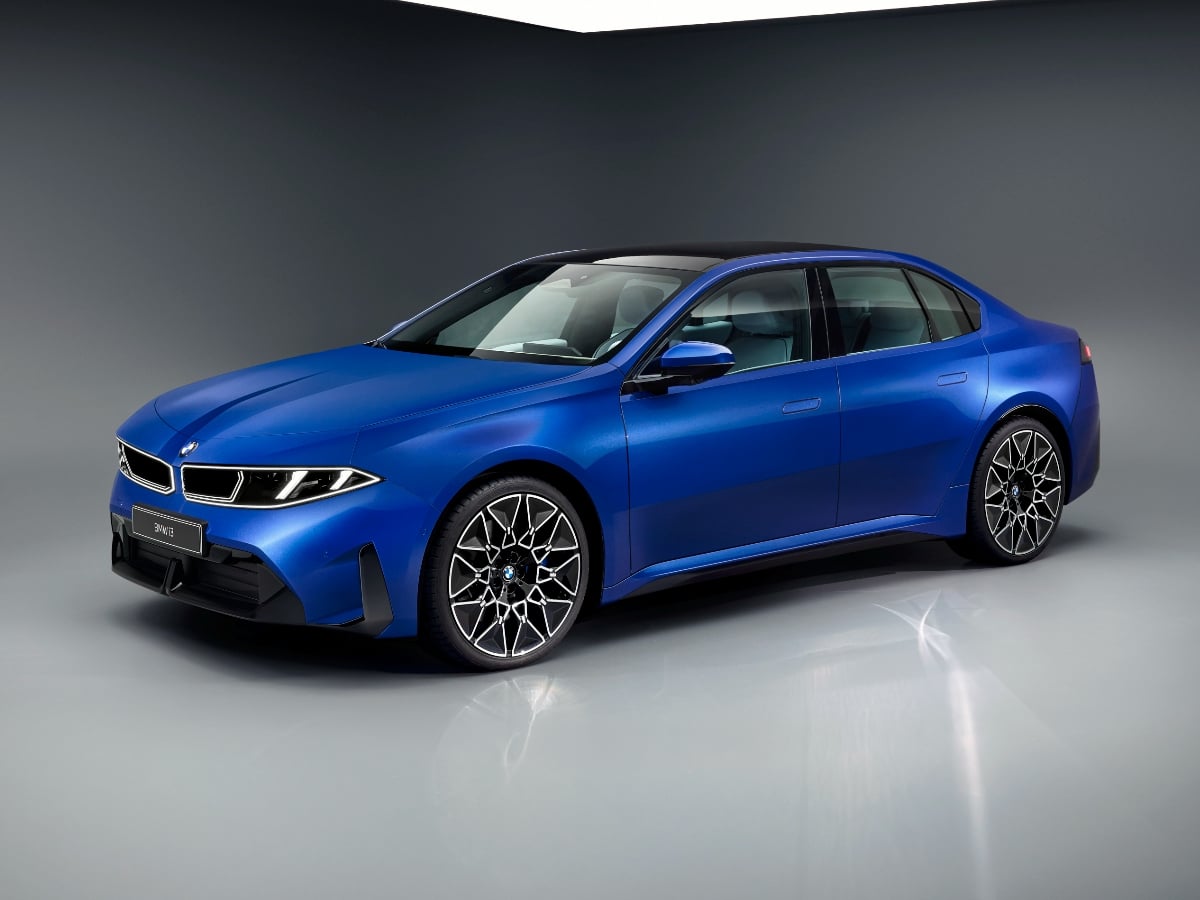
The new 2027 BMW i3 boasts an estimated range of up to 440 miles, 400-kilowatt DC fast charging capability, bidirectional charging to a home or the grid, and next-generation technology.
Read the Full Article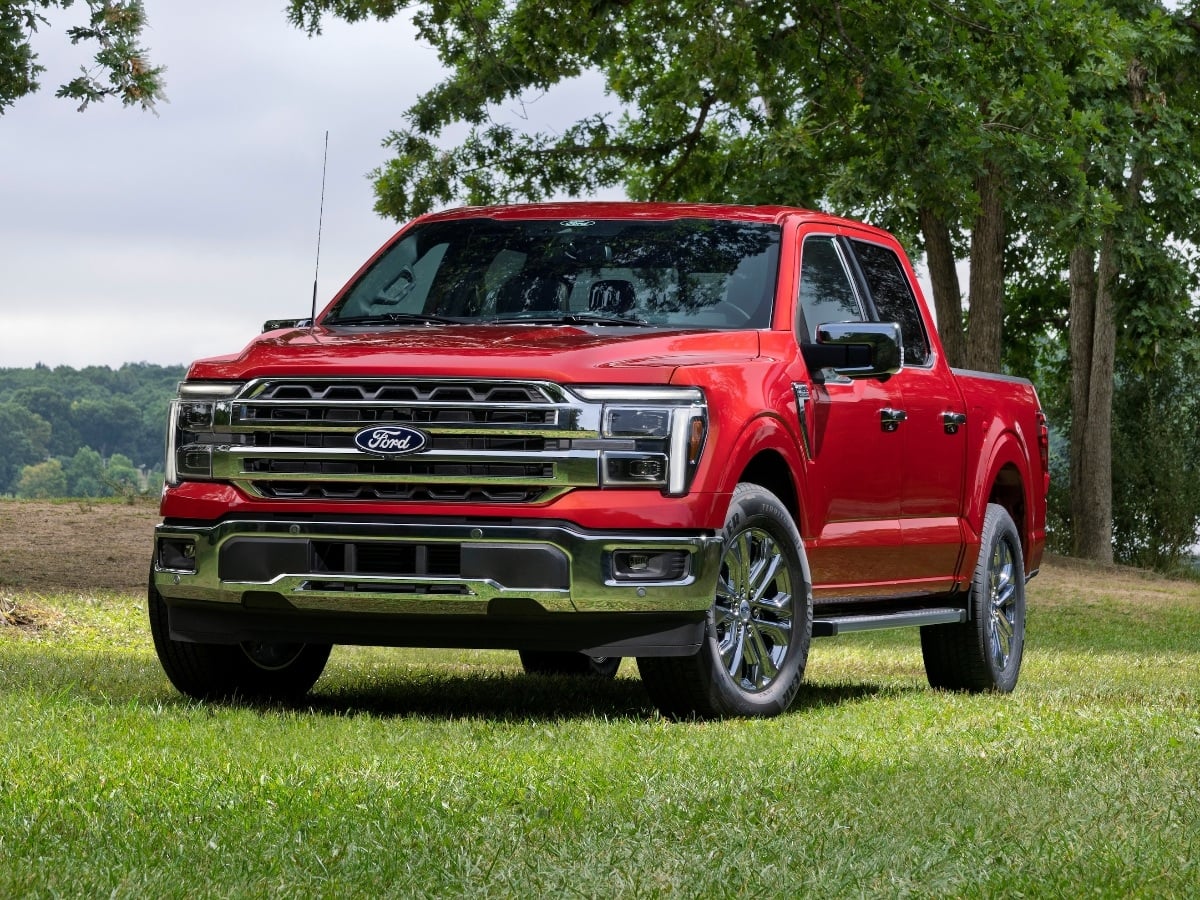
Facing renewed competition in the full-size, light duty pickup truck segment, the 2027 Ford F-150 receives subtle styling updates, a new standard engine, broader availability of its 5.0-liter V8, and ...See More
Read the Full Article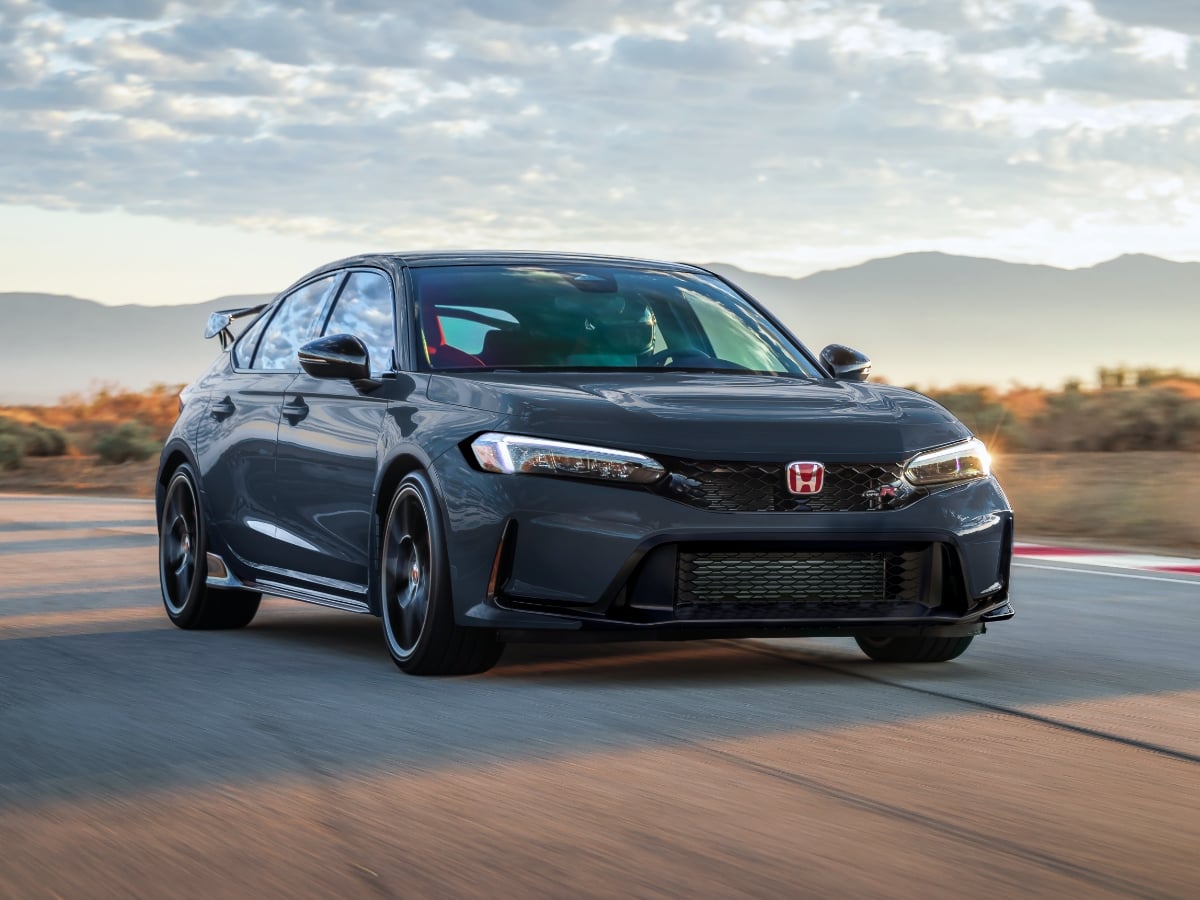
The 2027 Civic Type R goes on sale in October 2026, and it starts at $49,990, including the $1,295 destination charge.
Read the Full Article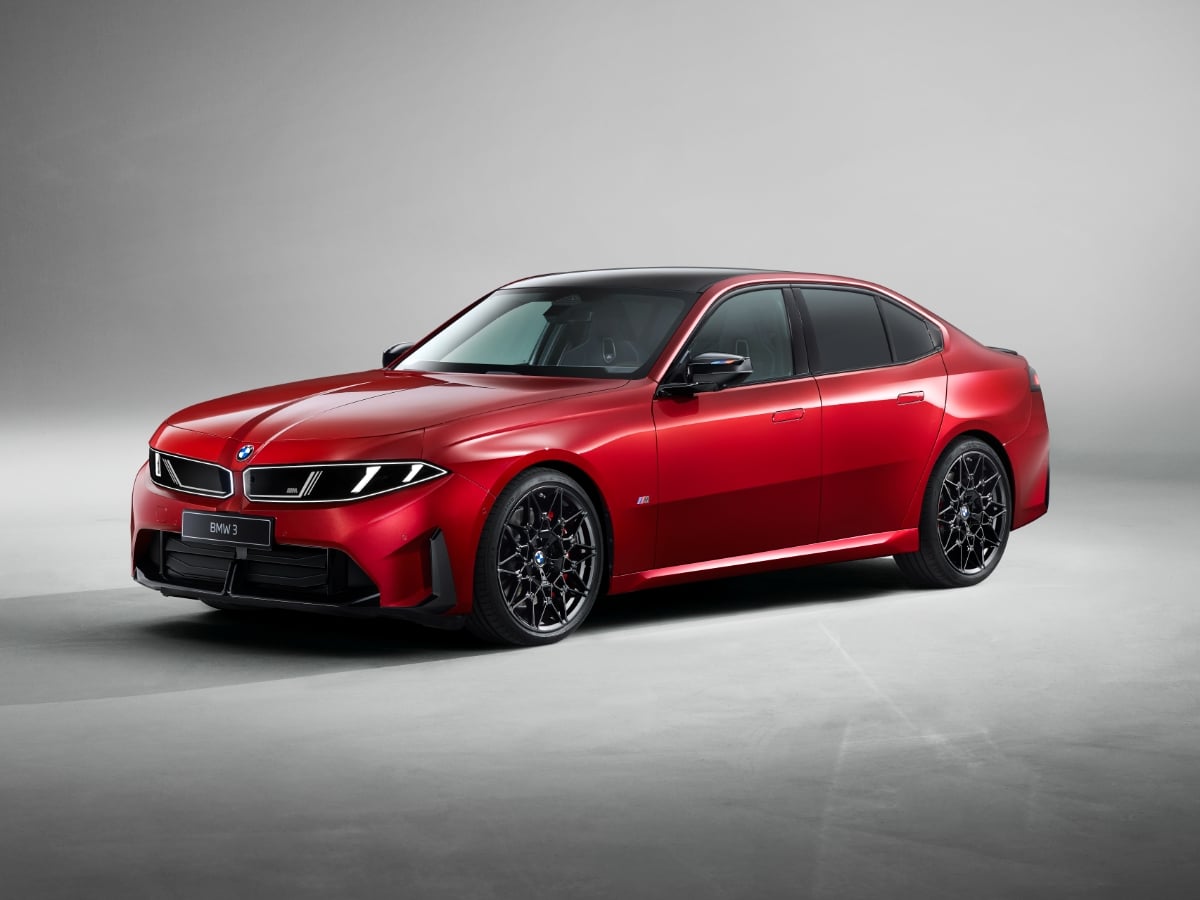
Part of BMW’s Neue Klasse (new class) rollout of redesigned models, the 2027 BMW 3 Series is all-new and goes on sale in the first quarter of 2027.
Read the Full Article