
There are many ways to add power to your vehicle. It ranges from the cost-efficient modifications you can make to the more expensive engine and supercharging upgrades your mechanic will have to perform.

Water injection should be on your radar if you're in the market for a performance modification that won't break your wallet.
Methanol, also known as wood alcohol, carbonic acid, and methyl alcohol, is an alcohol chemical made up of one carbon atom, one oxygen atom, and four hydrogen atoms (CH3OH).
Methanol is a naturally occurring toxic, explosive, and very volatile liquid used for household purposes since the third century when the Egyptians used it in their preservation procedures.
It was initially created in the 1600s and later mixed with water and applied in supercharged fighter and bomber engines during World War II. After a few prosperous years, it was banned in the 1960s in NASCAR and F1 for giving racing engines too much power.
Water/methanol injection systems spray an engine's cylinder charge with a finely atomized mist of a water/methanol combination. As the mixture absorbs heat and vaporizes, temperatures inside the cylinder are lowered, and the likelihood of detonation is lessened.
Detonation occurs when a cylinder's air/fuel charge compresses and warms to the point of auto-ignition during the compression phase before it is lit at the appropriate moment by a spark plug.
Modern vehicles with knock sensors are quite effective in preventing detonation by delaying ignition time as soon as detonation is detected, but they do so at the expense of significantly reduced power output and fuel efficiency.
There are several advantages of using water/methanol injection. Because the liquid absorbs heat energy from the surrounding air, it effectively lowers the intake temperature.
As a result of lower intake temperatures, the cylinders receive more oxygen per unit volume. This contributes to increased horsepower and torque.
The most common challenge is rust. The water is sprayed into a fine mist when pumped into the intake. Although companies have spent hundreds of hours optimizing their cone's design and water injection volume to minimize this problem, the mist still spreads widely and there is a chance that uncoated areas might rust. This can be avoided by including various additives in the water/methanol mixture.
Another issue is when people have set up their vehicles requiring water to cool off. If the water runs out, the internal engine components might be burned.
The water/methanol mixture is also not difficult to make. You can mix it yourself in different ways. The standard method that most people use is a simple 50/50 blend of methanol fuel and distilled water.
The 50/50 combination prevents methanol from being flammable, allowing it to be classified as a fuel. If you exceed 50/50, the fluid becomes more flammable, limiting the safety of fluid handling.
Methanol will deliver 50% of peak boost by systems for superchargers or big turbo systems. Water/Methanol should be injected at or near peak boost by positive-displacement superchargers or fast-spooling turbos. Most engines can tolerate a certain amount of excess water vapor before diminishing returns.
People are usually skeptical about where they should inject their water/methanol mixture. The following are the ideal places to inject your water/methanol solution.
The most typical location for injecting water/methanol mixture is on the intake elbow extending into the intake manifold. This is one of the best places to inject the mixture.
Another possibility is that if the mixture is injected into the intake right before the valves, most of this process will occur in the combustion chamber and the charge air cooler (CAC) tubes. This will result in less mixing time for the liquid mixture to extract heat from the charged air. The inlet air temperature entering the cylinder won't be different than it would be without the liquid.
The majority of the heat energy received by the liquid will come straight from the air in the cylinder, potentially resulting in a higher exhaust gas temperature reduction per volume of water.
This method is usually the same if the mixture is injected after the turbocharger but before the intercooler, although specific issues exist. The injection of water/methanol must now pass through the intercooler. Some of this combination may not make it through the intercooler.
As a result, less mixture will pass through the system, making it less accessible for combustion. This method should only be used as a last resort.
It is possible, but only advisable if small quantities are injected. Even extremely small water droplets contacting the edge of the turbocharger compressor wheel moving near the speed of sound can cause wheel erosion. It will lower the charge air temperature out of a compressor, reducing the unit's total output capability.
We suggest this method if the charger outlet temperatures are excessively high.
A significant number of vehicle owners currently use water/methanol injection. It can improve car engine performance and increase horsepower by 40 to 45.
When you're mixing it, make sure you get the correct 50/50 ratio. If you do not, you risk weakening or damaging your engine's performance.



With a purposeful new design and some trail-ready upgrades, the 2027 Hyundai Tucson is pushing the brand's best-selling crossover SUV into more aggressive territory.
Read the Full Article
For more than 25 years, the BMW X5 has helped to define the luxury SUV segment. Now, the redesigned fifth-generation 2027 BMW X5 arrives with the automaker’s Neue Klasse styling, a roomier interior, ...See More
Read the Full Article
One of Lexus's most popular models, the NX crossover SUV is also one of the most affordable in the company’s lineup. The 2027 Lexus NX transitions to hybrid-only powertrains, and gets revised ...See More
Read the Full Article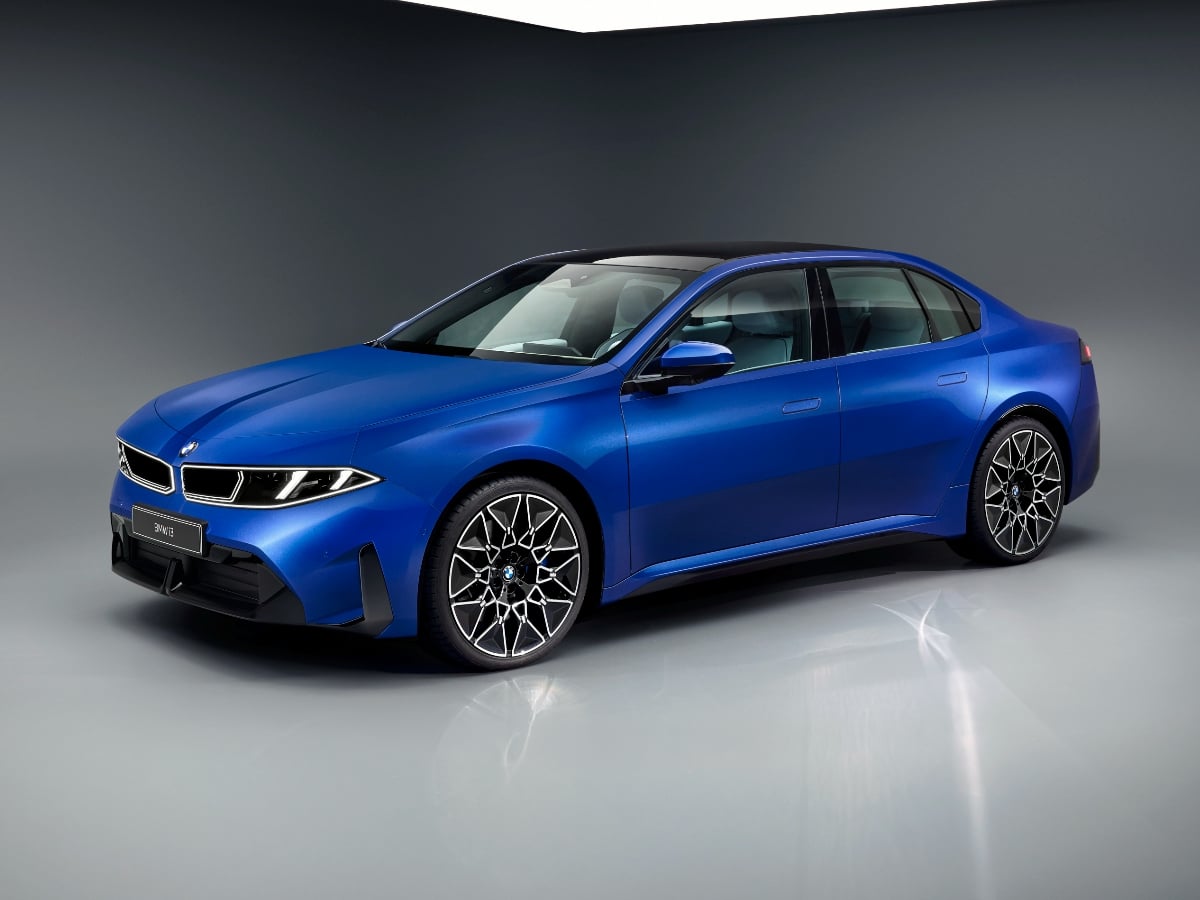
The new 2027 BMW i3 boasts an estimated range of up to 440 miles, 400-kilowatt DC fast charging capability, bidirectional charging to a home or the grid, and next-generation technology.
Read the Full Article