
When you’re looking for a vehicle that’s larger than a sedan, SUVs or Crossovers are the options available to consider. These two types of vehicles look similar, yet there are a few things that differentiate them from each other. This article will examine the two vehicles and evaluate which is best suited for your needs.
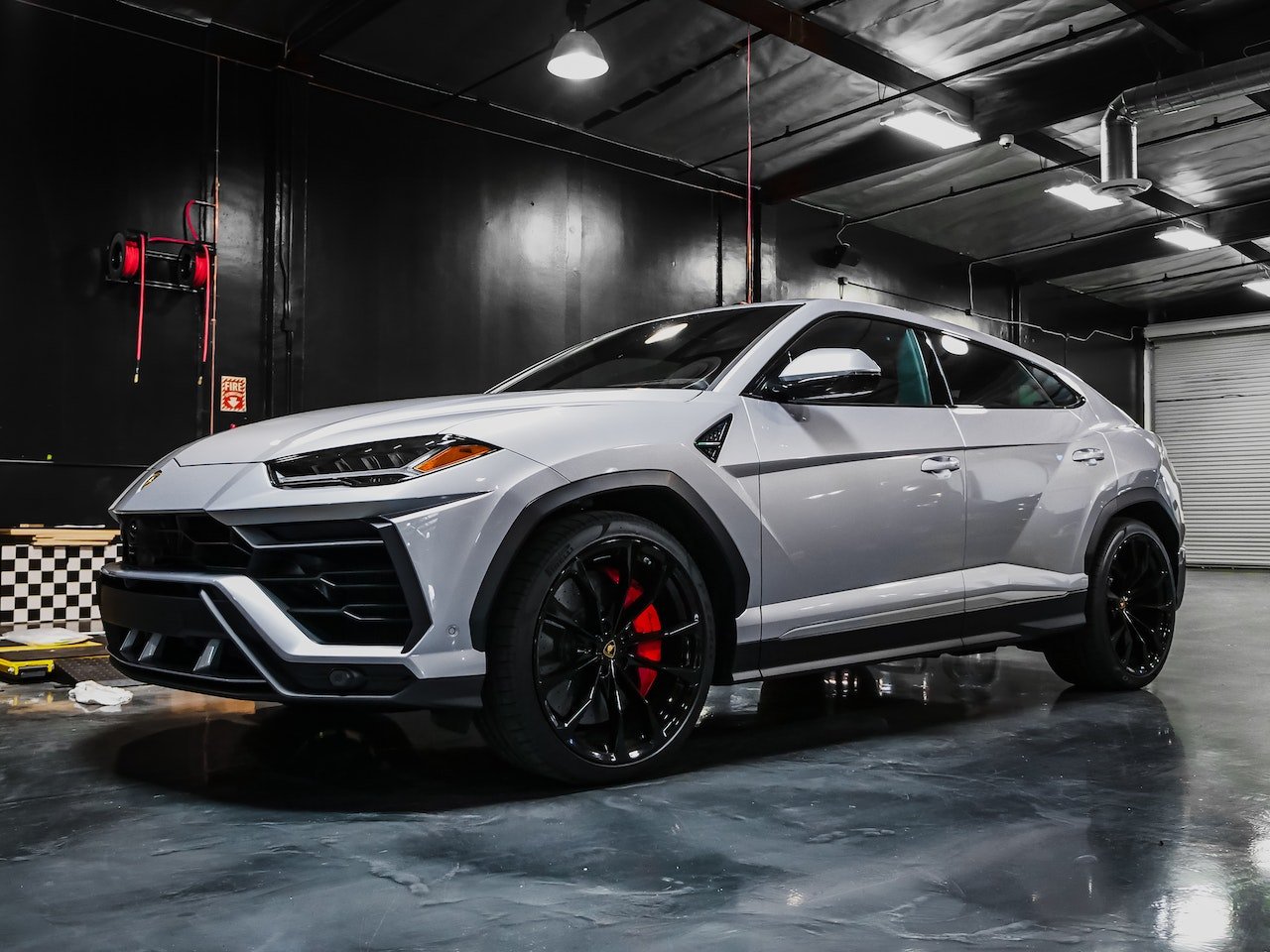
An SUV(Sports Utility Vehicle) is a car designed to undertake various tasks in various settings. An SUV is a fast and efficient car, has a towing capacity similar to a pickup truck, and can navigate various terrains like an ATV.
An SUV is often larger, heavier, more powerful, and equipped to tackle challenging terrain. It is more spacious and comfortable as compared to the crossover.
An SUV is constructed using "body-on-frame" architecture, in which the engine and body are both mounted on a metal frame (chassis). Although it was pretty common in the 20th century, big machinery like trucks today tends to employ this sort of construction.
The body-on-frame design enables more sturdy construction with increased towing and hauling capabilities. It allows the car to have more ground clearance.
A standard SUV has a four-wheel drive (4WD) drivetrain, designed to handle harsh off-roading. Due to these qualities, SUVs like the Ford Bronco, Jeep Wrangler, Cadillac Escalade, and Chevy Suburban continue to be in high demand.
The main benefit of having an SUV is the large amount of space you receive. SUVs have more room inside, as well as more room for cargo. You can fit up to eight passengers inside an SUV, depending on its size and kind, or you can have more than 100 cubic feet of luggage capacity.
SUVs are large, hefty vehicles built to withstand the worst weather and road conditions. They are constructed from durable steel and aluminum alloys for greater stiffness. The body-on-frame construction offers durability and a larger tolerance range. SUV repairs are also made simpler by the simplistic design.
The off-road handling of SUVs is one of the factors driving customer demands. SUVs can navigate tough terrain, mud, snow, or sand thanks to their 44 drivetrains. Strong engines improve the ability to handle steep slopes and difficult terrain with higher ground clearance.
SUVs are much larger than crossovers. The length and width of a standard SUV may reach 196.5 inches. They are difficult to handle and much harder to park due to their larger proportions. In crowded urban areas, full-size SUVs can be a burden.
An SUV should weigh between 3,000 and 6,000 pounds. SUVs are less fuel-efficient than crossovers due to the larger engines and decreased aerodynamics caused by the sheer size of the vehicles.
Compared to the typical sedan, hatchback, or crossover, an SUV is more expensive to purchase. This is brought on by the demand for more oil and other fluids, bigger, more expensive tires, and greater fuel consumption.
A crossover is based on a "unibody" or unitary architecture. This means that the body and the frame are one single structure
The construction is lightweight and provides the best possible cabin and load room. Crossovers are more compact, lighter, and less capable of going off-road than SUVs and are built for city driving.
A crossover is created when an SUV body that has been shrunk down and a vehicle chassis are combined. They are smaller, lighter, quicker, and more fuel-efficient than SUVs. A crossover can pull greater loads, manage urban, suburban, and off-road driving situations, and even perform competently on a racetrack.
The 1980 AMC Eagle is usually regarded as the year when the contemporary crossover was first introduced. Soon after, unibody construction became the standard method for all car classes, including sedans and hatchbacks.
The Ford Explorer, Toyota Highlander, Chevrolet Equinox, Honda CRV, Ford Escape, Nissan Rogue, Toyota RAV4, and Lexus RX350 are a few of the most well-liked crossovers in the United States.
Crossovers provide considerable room within the cabin and for luggage. For a family of four, even tiny subcompact crossovers work great. Up to seven passengers can fit inside full-size crossovers like the Honda Pilot and Audi Q7. Crossovers provide considerable cargo capacity since the second and third rows of seats can be folded.
Crossovers are more efficient in terms of fuel use than SUVs. This is because the vehicle has a reduced total weight and a more aerodynamic body. Many crossovers are available with a fuel-efficient hybrid drivetrain.
Crossovers are perfect for managing light off-roading and trailing, but they lack the strength and flexibility necessary to manage heavy loads and difficult off-road situations. In general, a crossover's capabilities are restricted by its reduced ground clearance, limited power, and lack of traction.
The unibody platform takes the most impact during a collision. This will increase the cost of accident repair.
The major difference between an SUV and a crossover is the frame on which it rests. If the frame is based on a truck’s platform, then you’ve got an SUV. However, if the frame is based on a car platform, it is a crossover.
The location and preferences of the driver will determine whether to choose an SUV or a crossover.
An SUV is the best option if you reside in a rural area and need to transport a substantial amount of cargo. But because of its size and weight, the car is less fuel efficient and is extremely expensive to maintain.
A crossover is appropriate for a small family residing in the city. Because of its lightweight, you can drive more comfortably and are fuel efficient. However, because of how light the body is, they lack the strength and flexibility necessary to manage heavy loads and difficult off-road situations.


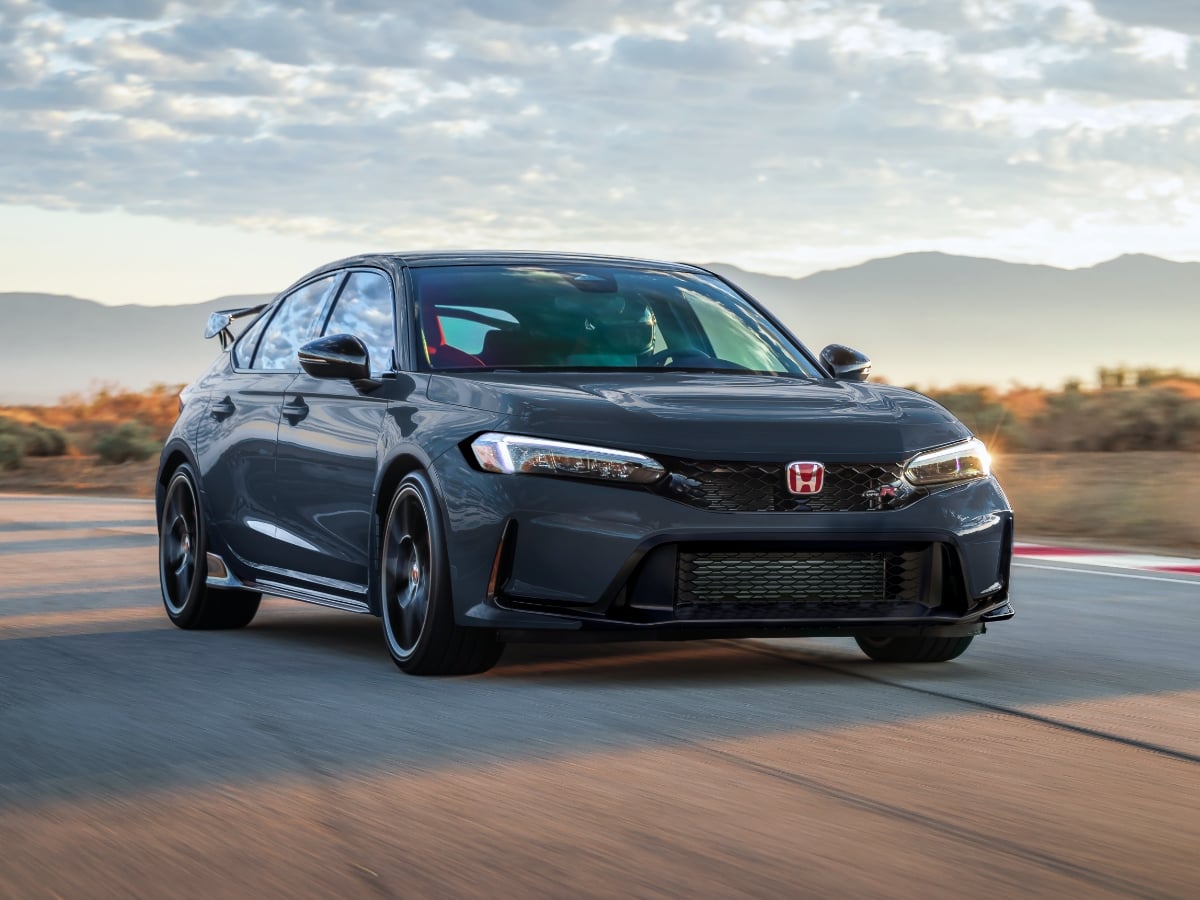
The 2027 Civic Type R goes on sale in October 2026, and it starts at $49,990, including the $1,295 destination charge.
Read the Full Article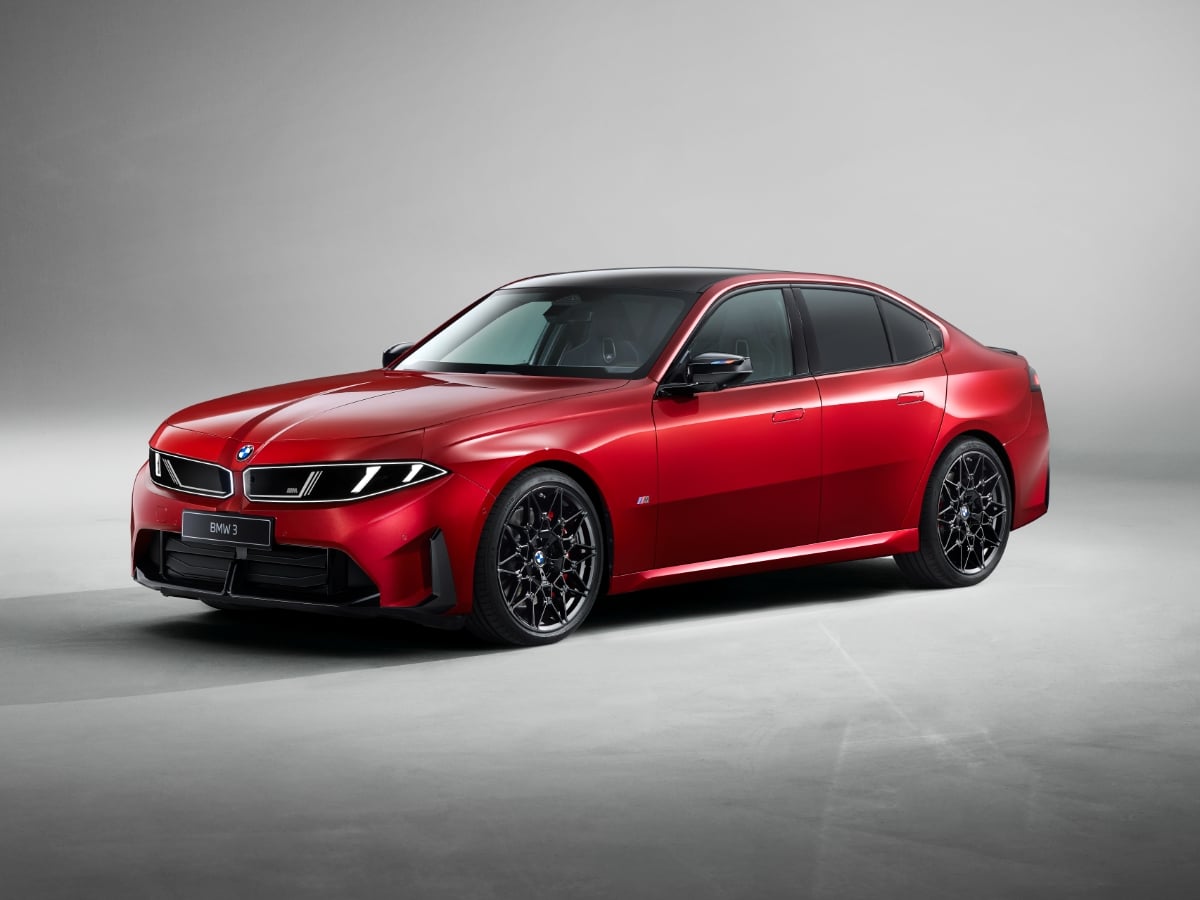
Part of BMW’s Neue Klasse (new class) rollout of redesigned models, the 2027 BMW 3 Series is all-new and goes on sale in the first quarter of 2027.
Read the Full Article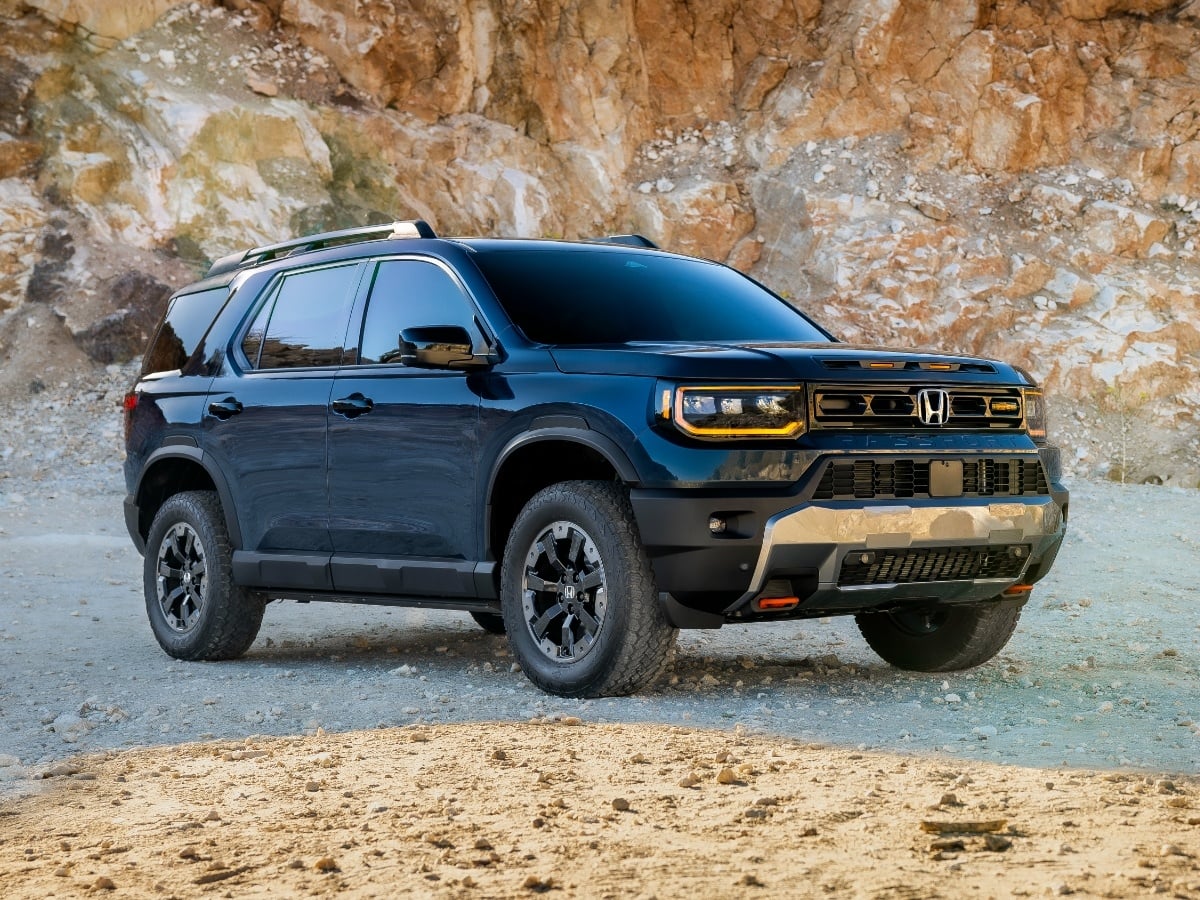
Updates to the 2027 Honda Passport TrailSport include a reworked suspension, improved steering, subtle styling enhancements, and added standard equipment.
Read the Full Article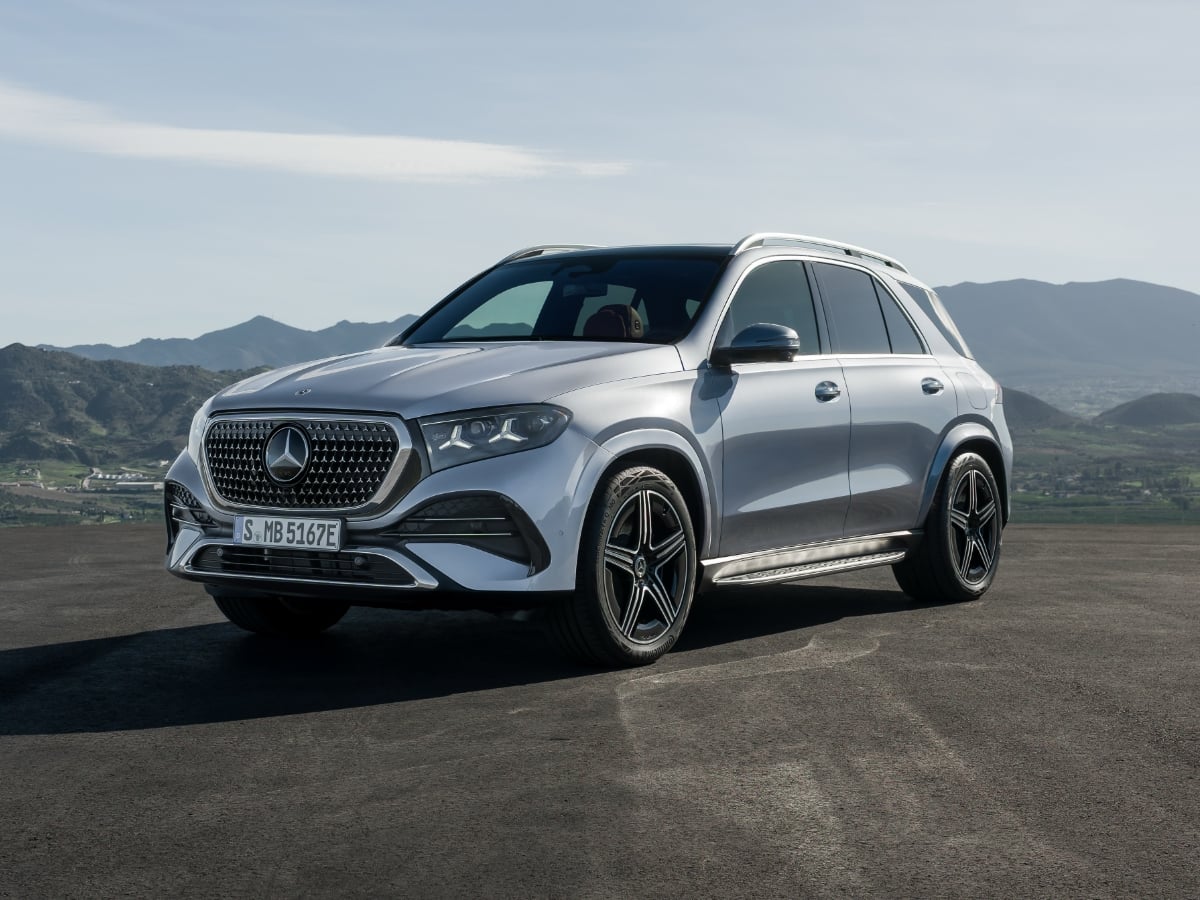
The midsize 2027 Mercedes GLE remains available in original and spicy Coupe recipes, now with standard 4Matic all-wheel drive (AWD), MBUX Superscreen technology, and a panoramic glass sunroof for ...See More
Read the Full Article