
Rack and pinion steering is commonly used in modern vehicles to facilitate steering control. It involves a gear assembly consisting of a rack (a straight bar with teeth) and a pinion gear (a small round gear). This system allows the driver to easily turn the wheels, providing efficient and precise control over the vehicle's direction.

The rack and pinion gear assembly is the central component of the rack and pinion steering system. The steering system in vehicles is responsible for enabling the driver to control the wheels' direction. It comprises various components, including the steering wheel, steering column, steering gear, and tie rods.
Rack and pinion steering consist of a rack, a long bar with teeth along its length, and pinion gear, a small round gear connected to the steering wheel. These two components work together to convert the rotational motion of the steering wheel into linear motion that controls the movement of the wheels.
When the driver turns the steering wheel, the pinion gear rotates. As the pinion gear turns, it engages with the rack, causing the rack to move either to the left or right. This rack motion is transmitted to the wheels through the tie rods connected to the rack's ends. As a result, the wheels turn in the desired direction.
The tie rods are essential components that connect the rack and pinion gear assembly to the steering knuckles and wheels. They play a crucial role in transmitting the steering motion from the rack and pinion gear to the wheels, allowing for directional control. The tie rods have inner and outer ends, with the inner ends attached to the rack and pinion gear assembly and the outer ends connected to the steering knuckles. The length of the tie rods can be adjusted to ensure proper alignment and optimize steering geometry.
The ratio between the number of teeth on the pinion gear and the rack length determines the steering ratio. A higher steering ratio means less steering wheel input is required to turn the wheels, providing a more responsive and agile steering feel. Conversely, a lower steering ratio requires more steering wheel input for the same wheel movement, resulting in a slower and less sensitive steering response.
Power steering assistance is incorporated in some rack and pinion steering systems to reduce the effort required to steer the vehicle. Power steering can be hydraulic or electric, depending on the specific system design. Hydraulic power steering systems utilize a hydraulic pump, typically driven by the engine, to generate hydraulic pressure. This pressure assists in the movement of the rack and pinion gear assembly, making steering easier for the driver. On the other hand, electric power steering systems use an electric motor to provide the necessary assistance.
Power steering assistance improves the comfort and ease of steering, especially at low speeds or during parking maneuvers. It reduces the effort required to turn the steering wheel, providing a more relaxed driving experience.
One of the key advantages of rack and pinion steering is its superior responsiveness and precision. The direct connection between the steering wheel and the rack and pinion gear mechanism allows immediate and accurate transmission of the driver's steering inputs to the wheels. This results in a more precise and controlled steering feel, enhancing the driver's ability to navigate curves, corners, and other maneuvers confidently.
Rack and pinion steering systems are known for their compact design, making them well-suited for modern vehicles where space is often premium. Compared to older steering systems, recirculating ball steering, rack, and pinion systems take up less space in the engine compartment. This compactness contributes to better packaging efficiency and allows for improved weight distribution, contributing to overall vehicle performance.
Another advantage of rack and pinion steering is enhanced driver control and maneuverability. This system's direct and precise steering response allows drivers to have better control over their vehicles, especially in tight or challenging driving situations. The improved maneuverability enables quick lane changes, parking in confined spaces, and easily navigating crowded city streets.
Furthermore, rack and pinion steering systems can be designed with variable assist mechanisms, such as power steering, further enhancing the driver's control and comfort. Power steering systems utilize hydraulic or electric assistance to reduce the effort required to turn the steering wheel, making steering effortless, particularly at low speeds or during parking maneuvers.
Rack and pinion steering is a crucial component of modern vehicles, providing responsive and precise steering control. It consists of a gear assembly that converts the rotational motion of the steering wheel into linear motion to steer the wheels. This system offers improved responsiveness, compact design, and enhanced driver control. It incorporates rack and pinion gear assembly, tie rods, and optional power steering assistance. Rack and pinion steering contribute to a more comfortable and confident driving experience.


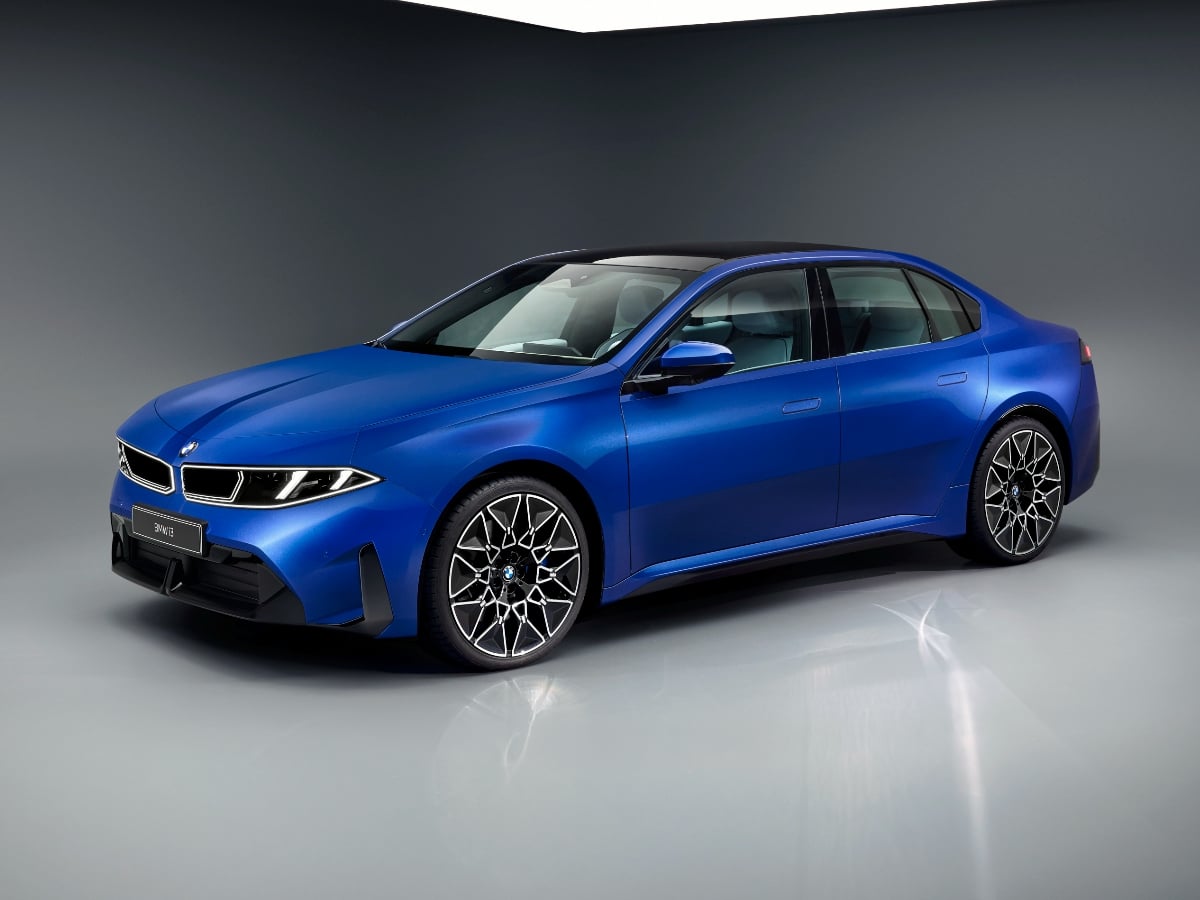
The new 2027 BMW i3 boasts an estimated range of up to 440 miles, 400-kilowatt DC fast charging capability, bidirectional charging to a home or the grid, and next-generation technology.
Read the Full Article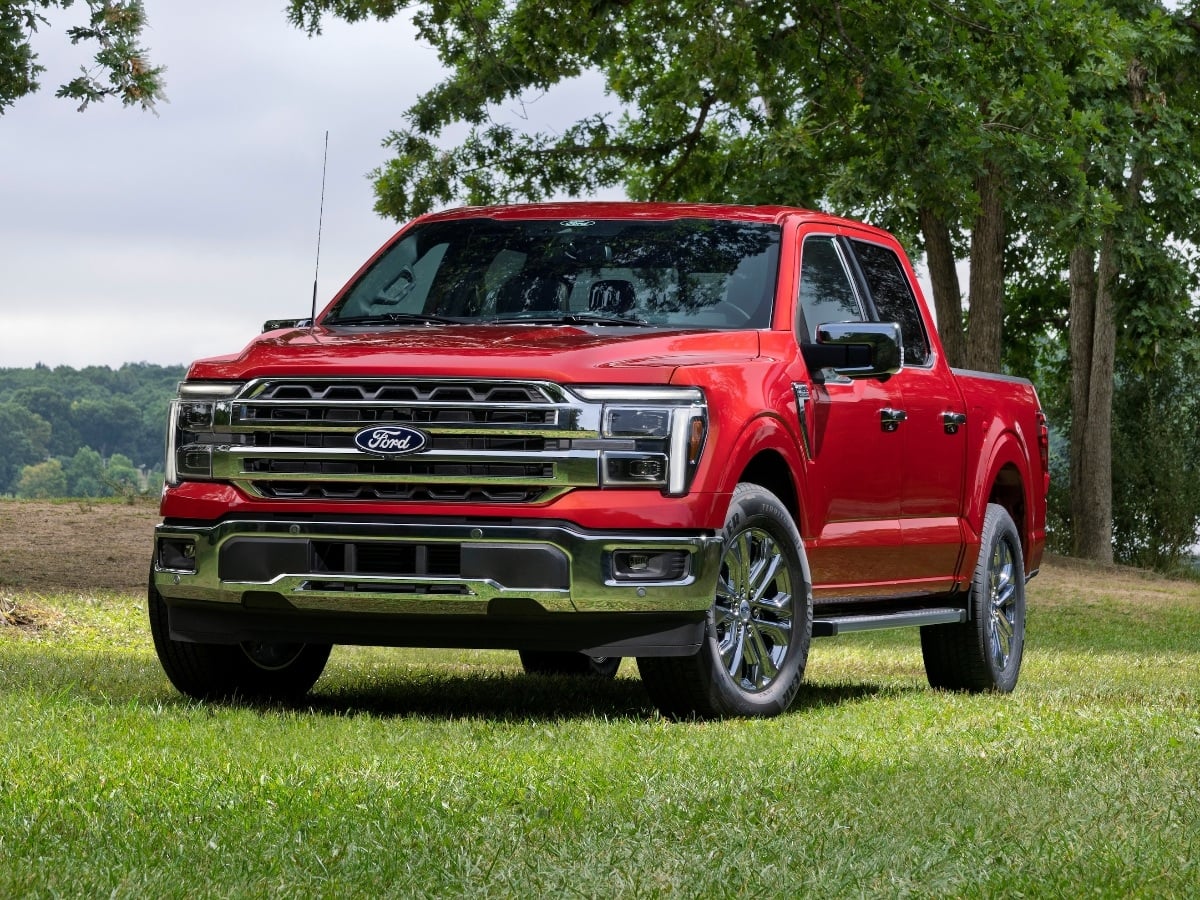
Facing renewed competition in the full-size, light duty pickup truck segment, the 2027 Ford F-150 receives subtle styling updates, a new standard engine, broader availability of its 5.0-liter V8, and ...See More
Read the Full Article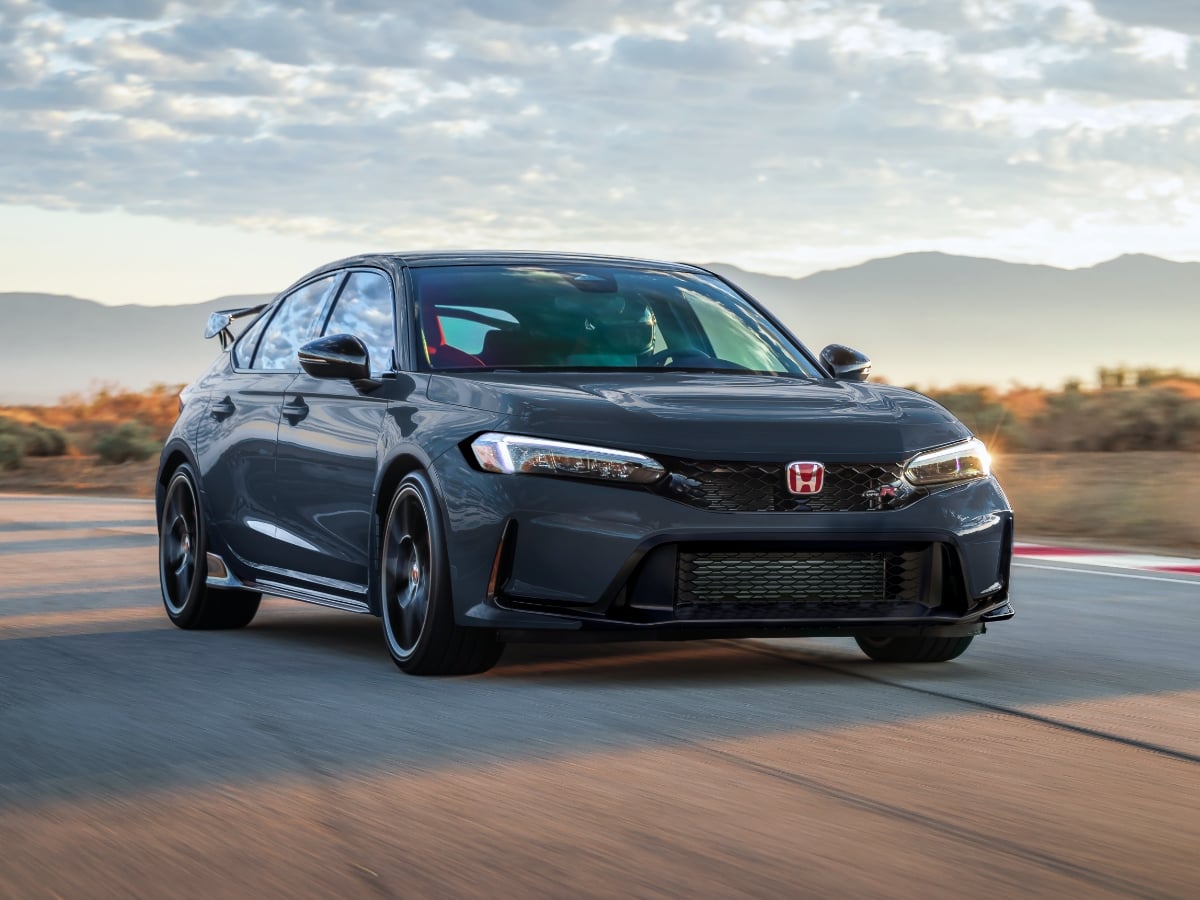
The 2027 Civic Type R goes on sale in October 2026, and it starts at $49,990, including the $1,295 destination charge.
Read the Full Article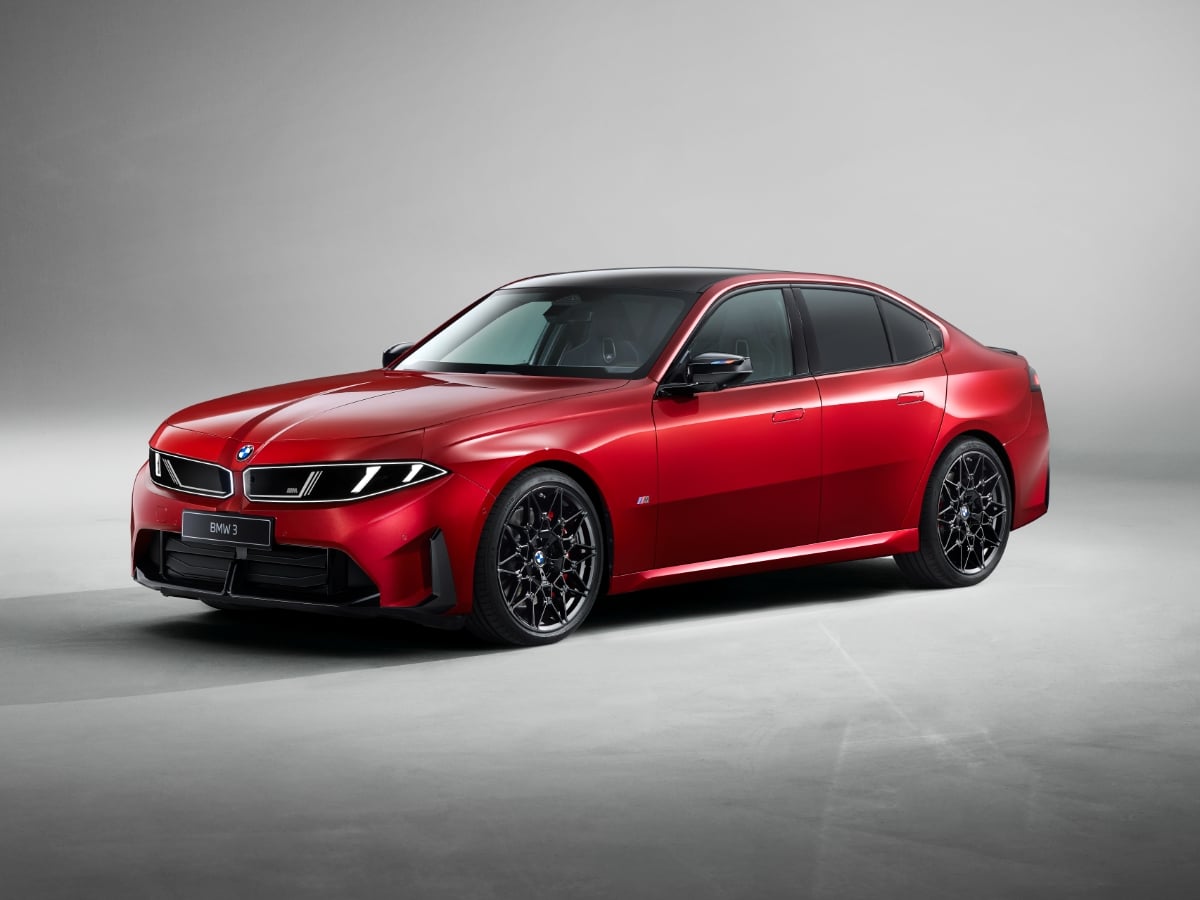
Part of BMW’s Neue Klasse (new class) rollout of redesigned models, the 2027 BMW 3 Series is all-new and goes on sale in the first quarter of 2027.
Read the Full Article