
Mazda’s Cruising and Traffic Support (CTS) technology is one of many advanced driver assistance systems (ADAS) aimed at making the driving experience safer and more fatigue-free. This mindful feature focuses on helping drivers cope with lower-speed situations in highway traffic. Its goal is to lessen stress and increase the driver’s concentration on the road ahead.

It’s important to understand CTS is a driving-assist feature and does not facilitate autonomous driving. These are two very different functionalities.
In high-traffic, low-speed situations, driver fatigue is an unfortunate byproduct. Cruising and Traffic Support combats this by combining adaptive cruise control (ACC) and lane-keeping assistance (LKA) to help the driver stay a safe distance from other vehicles in front or to the sides.
The CTS system uses Mazda Radar Cruise Control (Mazda-speak for ACC) to dictate the distance to a car in front.
The first step to activate the system is to press the far-right steering wheel button to engage ACC and set a speed at or above 40 mph. Once you’ve selected the desired ACC speed, press the middle button on the right-hand side of the steering wheel to put CTS in standby mode. A white steering wheel icon will appear on the instrument cluster.
The system is now ready to survey the roadway for two things: a slower-moving car in front and the lane markers to the left and right of the vehicle (generally broken white lines). Once CTS locks in on the car in front, the white steering wheel icon will automatically turn green, indicating that CTS is active. The system is now working to keep a safe distance from the car in front and reading the road lines to keep the vehicle in its current travel lane.
CTS will go back into standby mode when the vehicle ahead either pulls away at more than 38 miles per hour, slows down below 18 miles per hour, or turns away altogether. If the car in front moves out of the way, the driver will now have the freedom to accelerate to their desired speed, either by using cruise control or not.
How does CTS differ from cruise control plus LKA? While cruise control and LKA focus on higher-speed highway travel, the main purpose of CTS is to assist the driver in moderate to low-speed traffic when the rate of travel oscillates more noticeably.
Cruising and Traffic Support is not an automated driving system. In addition, the functions have limitations. Drivers should not rely entirely on the system; always stay on course using the steering wheel. The driver should set a vehicle speed within the speed limit according to the road and weather conditions.
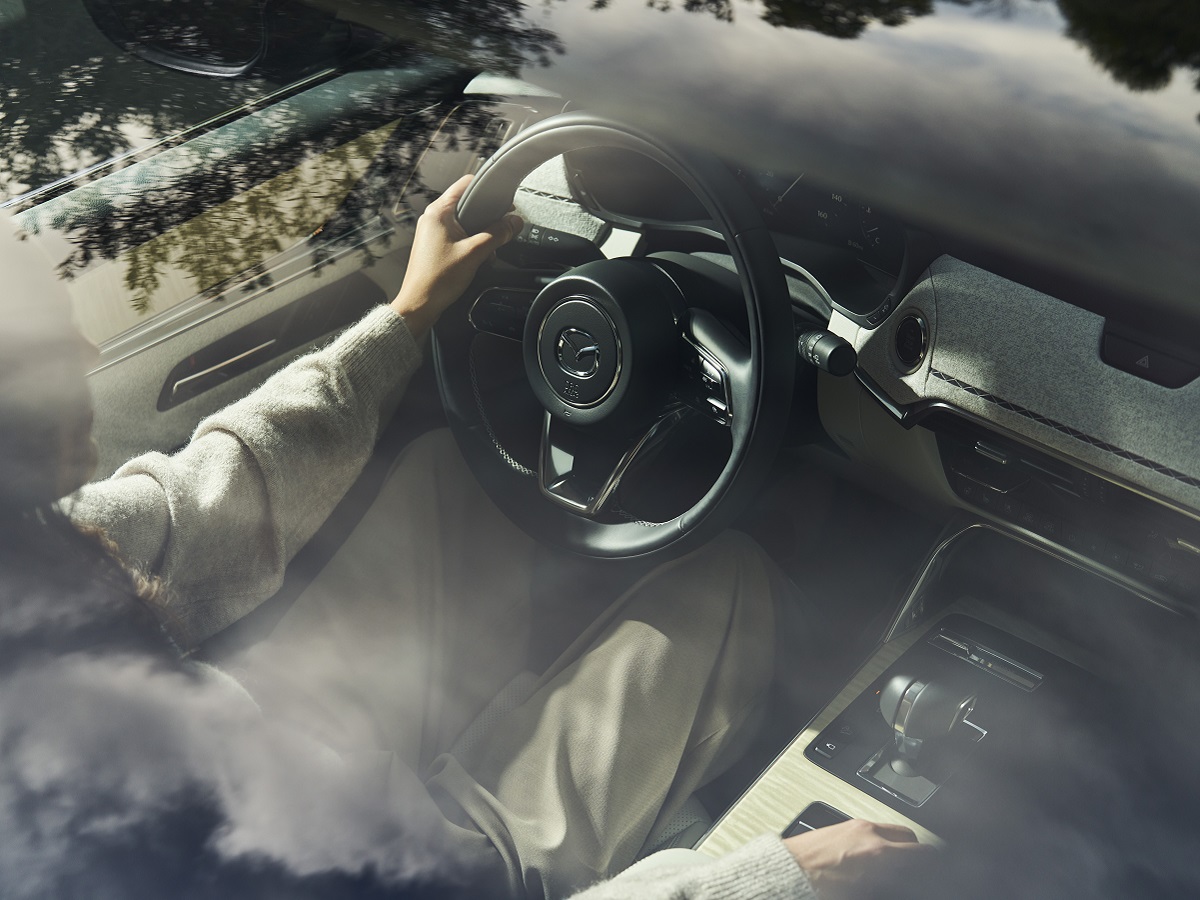
Cruising and Traffic Support may not be able to detect a vehicle ahead depending on the vehicle type, weather conditions, and road conditions. Additionally, the system may not decelerate sufficiently if a car ahead applies the brakes suddenly or another vehicle cuts into the driving lane, which could result in an accident. Check the surrounding conditions and always drive carefully while keeping a safe distance from vehicles ahead and oncoming traffic. Also, for safety reasons, switch CTS off when you don’t need it.
Furthermore, do not use CTS under the following conditions:
Mazda’s Cruising and Traffic Support feature helps enhance driver awareness in slow-moving highway traffic, thereby preventing potential accidents that can result from fatigue and lack of concentration.
Jessica Shea Choksey is an experienced writer in the automotive field. In addition to JDPower.com, she was a correspondent for PBS’s MotorWeek. Her work has also appeared in AutoTrader.


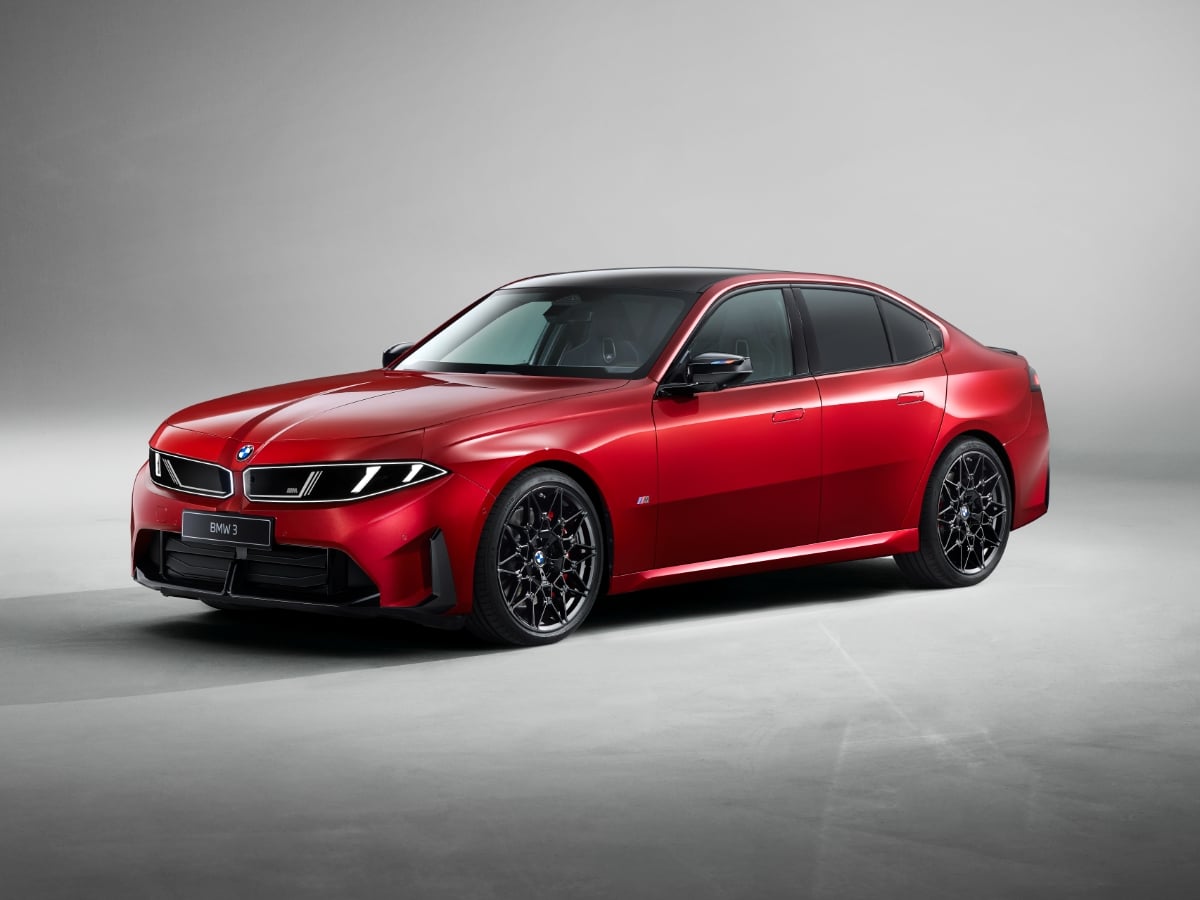
Part of BMW’s Neue Klasse (new class) rollout of redesigned models, the 2027 BMW 3 Series is all-new and goes on sale in the first quarter of 2027.
Read the Full Article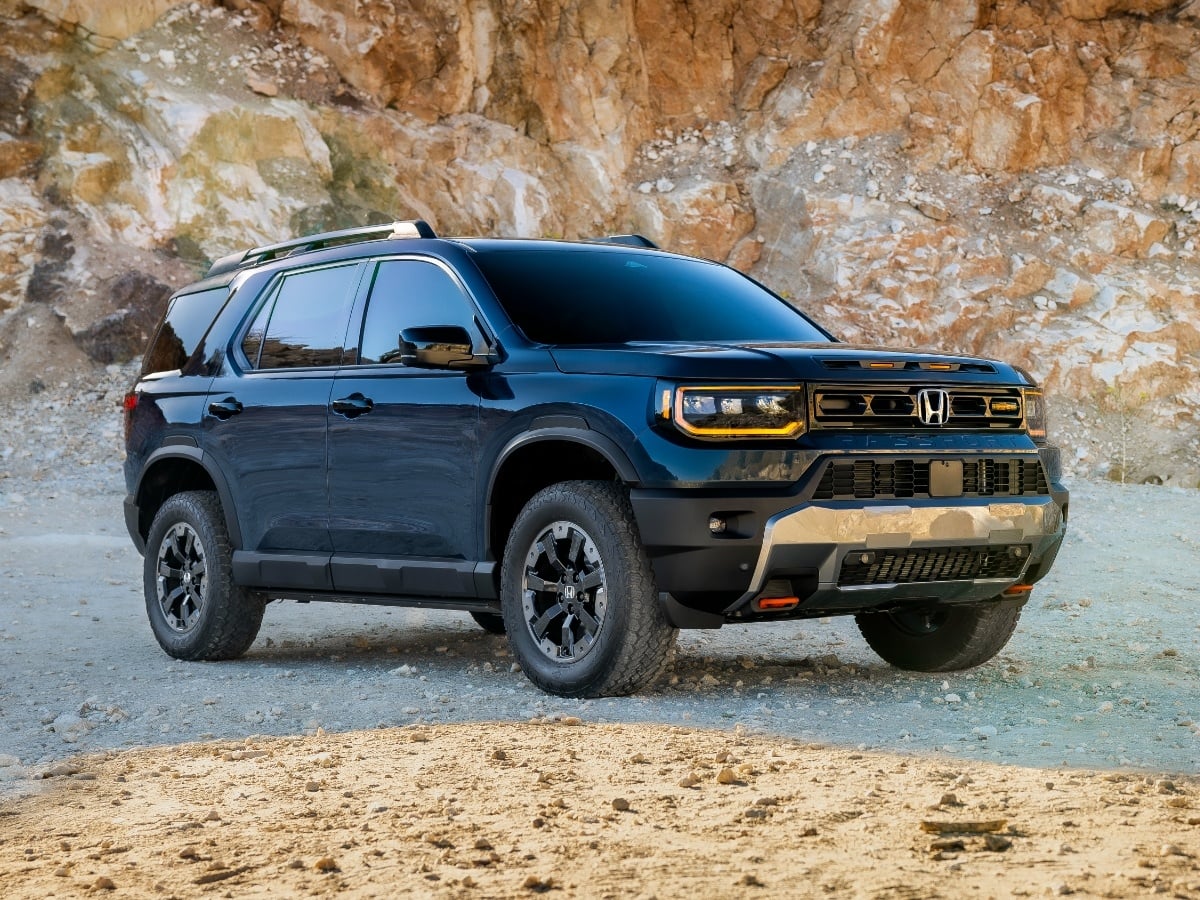
Updates to the 2027 Honda Passport TrailSport include a reworked suspension, improved steering, subtle styling enhancements, and added standard equipment.
Read the Full Article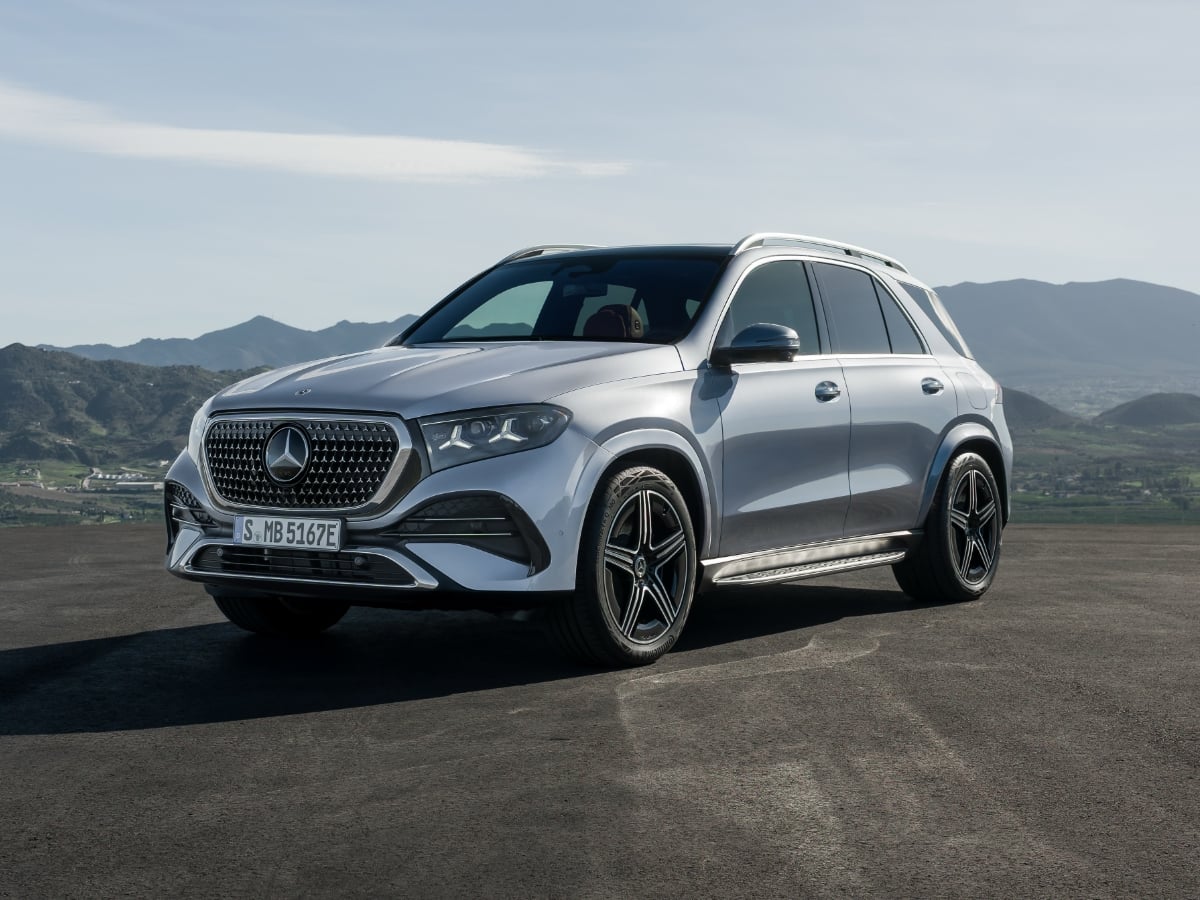
The midsize 2027 Mercedes GLE remains available in original and spicy Coupe recipes, now with standard 4Matic all-wheel drive (AWD), MBUX Superscreen technology, and a panoramic glass sunroof for ...See More
Read the Full Article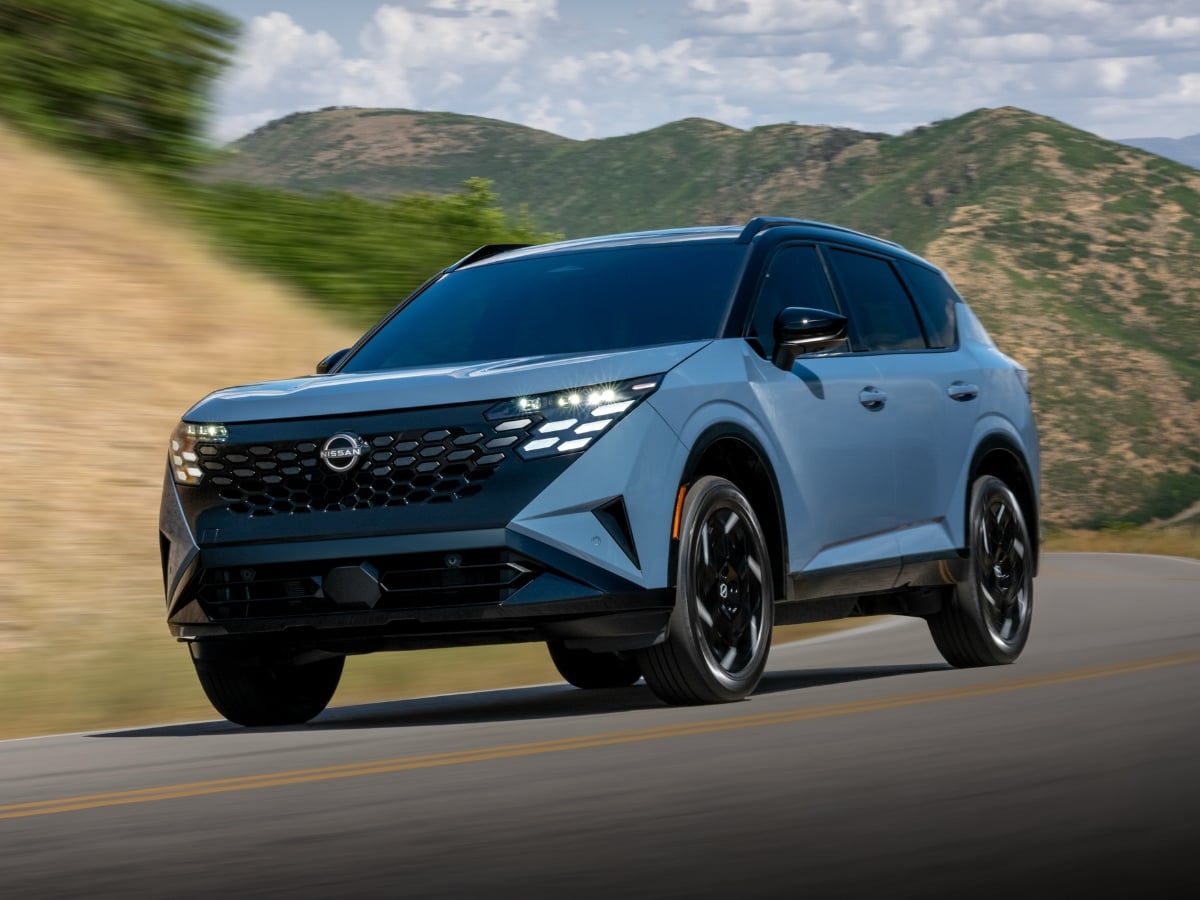
Nissan is about to introduce an innovative new SUV. The 2027 Nissan Rogue Hybrid has a gasoline engine, but it does not power the wheels. Instead, electric motors at each axle provide propulsion, ...See More
Read the Full Article