
Limp mode is a vehicle safety feature that halts the motor when powertrain components detect a problem. It also deactivates air-conditioning, radio, and screens to reduce the impact of these secondary systems on overall performance. This abrupt shutdown is intended to help you drive to safety before the issue turns catastrophic. Limp mode is your car’s way of notifying you of a severe problem that should be immediately addressed.

If you are driving and your car goes into limp mode, it exhibits various symptoms:
If you are restricted to operating at under 3,000 RPM (revolutions per minute), and your speed is limited to 35-40 mph, the vehicle may be in limp mode. The best thing you can do is take it to the nearest mechanic or find a safe spot to inspect it.
For the engine’s safety, limp mode may limit gear shifts. In most cases, the transmission won’t shift above the third gear, or it may not allow you to shift gears at all.
Other symptoms of limp mode include sluggish acceleration and hearing the engine whir and whine.
Limp mode is generally activated by a system failure which causes it to overheat. The check engine light flashes or illuminates and the screen may indicate why limp mode is engaged. If the engine has overheated, pull off the road to a safe spot and let your car cool down. The cooldown process helps save your vehicle from further damage.
If you notice all these symptoms, your car is in limp mode.
There are various reasons why limp mode is triggered.
All the electrical lines in the car are connected to the engine, which supplies power throughout the vehicle. The electrical system is a critical component but is also very delicate. Engine heat, severe cold, moisture, and filth might harm the wires. Broken cables might interfere with the car’s other systems and trigger limp mode.
Transmission fluid is a lubricant that prevents excessive friction between transmission system components. It protects the transmission against damage and stress. If the fluid falls below a certain level, it decreases the pressure in the transmission system, causing it to malfunction.
In automatic transmission vehicles, the car goes into limp mode if there is any fault with the transmission. Limp mode is also activated when the transmission control unit determines that the vehicle’s clutch is broken, damaged, or defective.
The car has multiple sensors that help it function efficiently. For example, the speed sensors assess wheel speed, the throttle position sensor monitors the pressure you put on the pedal, while the manifold absolute pressure sensor provides instant manifold data to the engine’s control unit. The control unit activates limp mode if it doesn’t receive accurate data from many sensors. If you suspect your vehicle is in limp mode, check all the sensors after pulling over to ensure they’re functioning correctly.
Limp mode requires a complete diagnosis and a visit to the nearest auto shop. If stranded on the road, you might want to try some of these easy fixes:
With all the differences between EVs and gas-powered vehicles, you may be surprised to learn that EVs also have a form of limp mode. “Turtle mode”, as it is often called, is designed to preserve battery power when the vehicle is very low on charge. Think of it as a low-battery mode that is focused on keeping the most essential components of the vehicle running.
Like limp mode, turtle mode is intended to provide drivers with just enough power to safely move the vehicle to a stop in a safe area, or in the case of turtle mode, to a location where it can be charged. If you can’t find a charging station, you may need to simply pull over and await roadside assistance.
Since EVs typically have a 1-speed transmission, power isn’t necessarily restricted from a gear standpoint. However, turtle mode normally limits your maximum driving speed to preserve battery charge.
While limp mode occurs involuntarily, some EVs offer drive modes exhibiting qualities of turtle mode which drivers can voluntarily select. For instance, one of the three drive modes on the Fiat 500e is “Sherpa” mode which limits the speed to 50 mph and maximizes battery charge. On the BMW i5, there’s an option to select the “Max Range” function that restricts speed to 60 mph and minimizes climate control to preserve range.
Limp mode is the safety system in the car that prevents the engine from being overused while compromised. This mode ensures no extra stress is put on the car, and all the functions are optimized as it is driven to safety.
Matt Yantakosol is a lifelong automotive enthusiast and former consultant focused on the consumer aspect of the industry. He has traveled to New York, Detroit, Chicago, L.A., Paris, Geneva, Frankfurt, and Tokyo Auto Shows to track and observe the newest industry innovations. In addition to JDPower.com, Matt's writing has appeared on Pcarmarket.com.


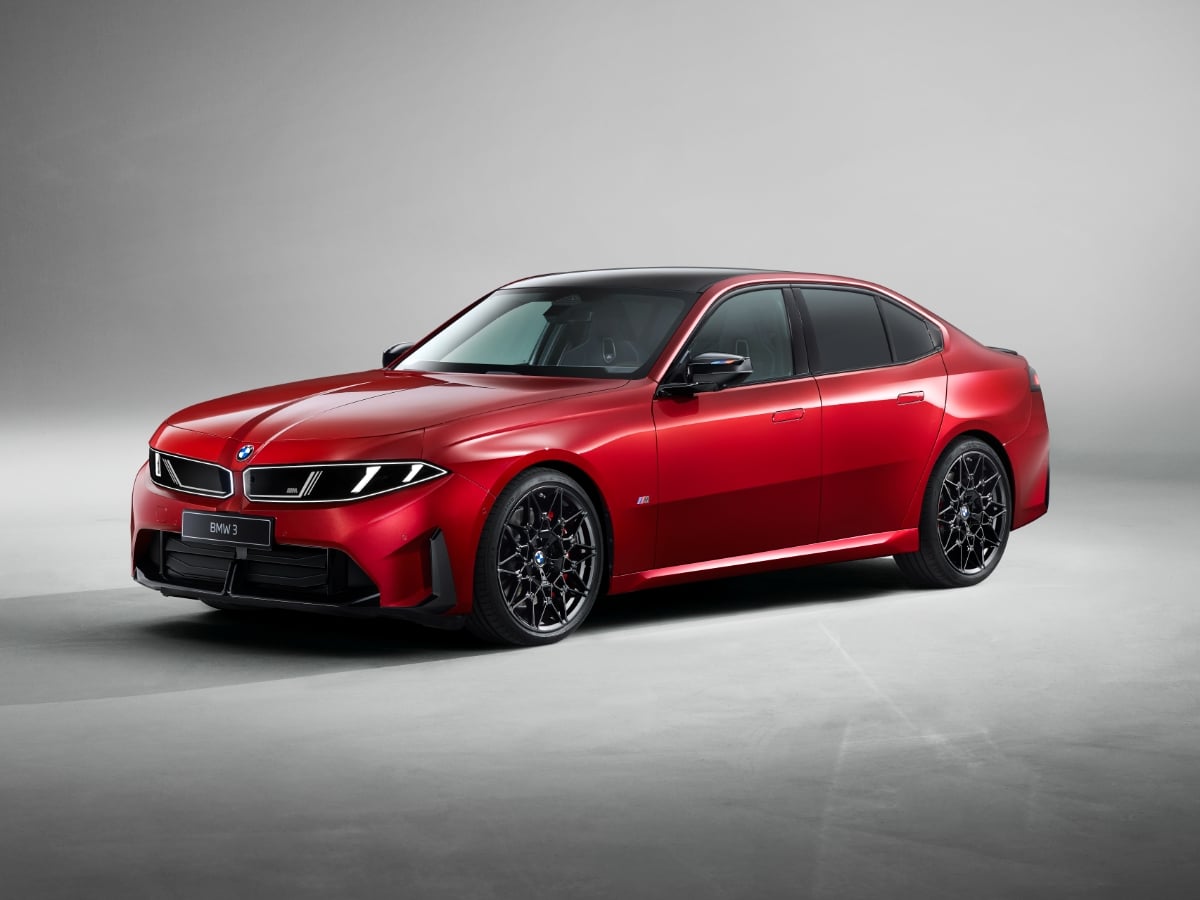
Part of BMW’s Neue Klasse (new class) rollout of redesigned models, the 2027 BMW 3 Series is all-new and goes on sale in the first quarter of 2027.
Read the Full Article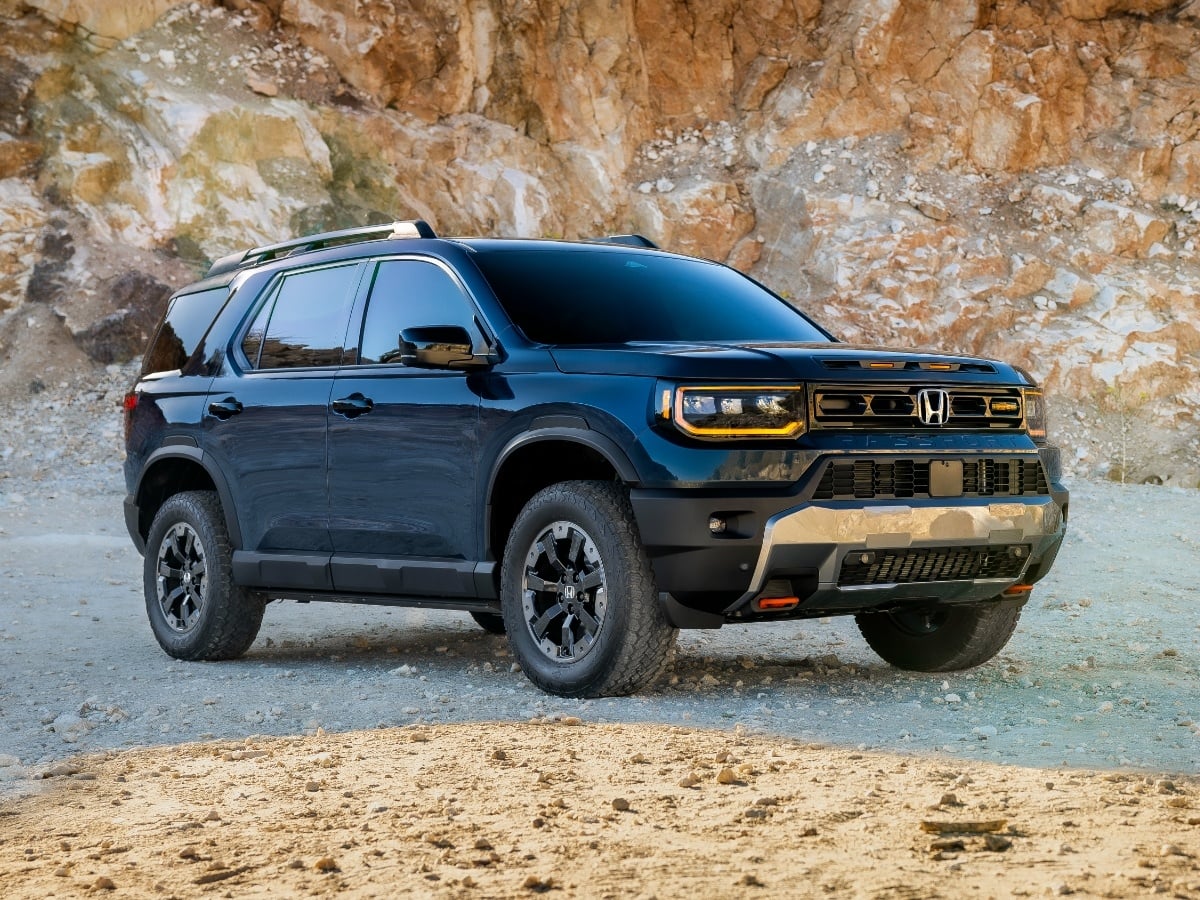
Updates to the 2027 Honda Passport TrailSport include a reworked suspension, improved steering, subtle styling enhancements, and added standard equipment.
Read the Full Article
The midsize 2027 Mercedes GLE remains available in original and spicy Coupe recipes, now with standard 4Matic all-wheel drive (AWD), MBUX Superscreen technology, and a panoramic glass sunroof for ...See More
Read the Full Article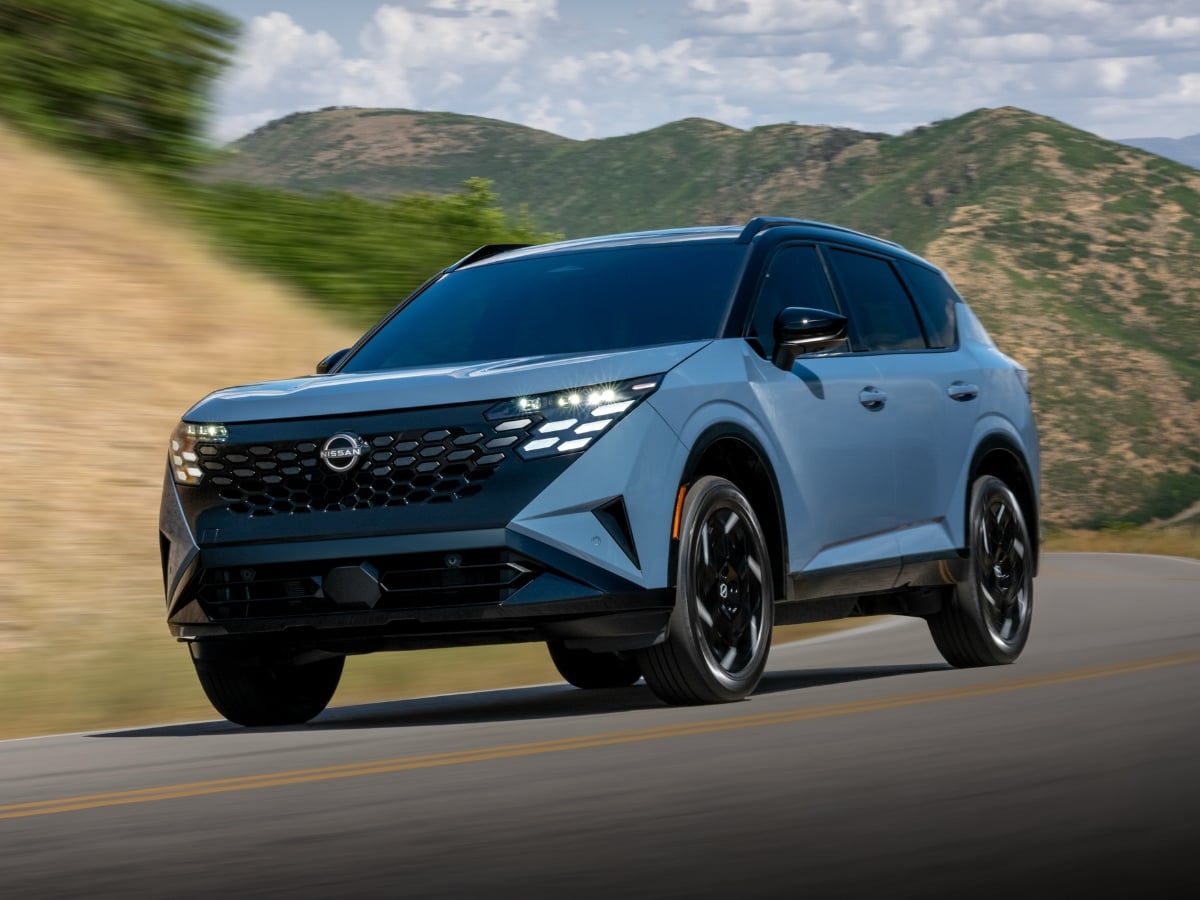
Nissan is about to introduce an innovative new SUV. The 2027 Nissan Rogue Hybrid has a gasoline engine, but it does not power the wheels. Instead, electric motors at each axle provide propulsion, ...See More
Read the Full Article