
Land Rover Clearsight is camera-based technology that enhances visibility for the driver in two primary ways. First is the Clearsight rearview mirror, which uses a rear-mounted camera to see past in-car obstructions for a sightline behind the vehicle. Second is the Clearsight Ground View system, which uses front and side mirror-mounted cameras to provide a virtual image of the terrain directly ahead of the vehicle. Here’s how each system enhances safety and drivability in various situations.

While vehicle technology has advanced by leaps and bounds over the decades, the interior rearview mirror has more or less remained the same—it simply reflects what’s behind the driver. Of course, there have been innovations such as day/night mirrors and rearview mirrors with automatic dimming, but not until the introduction of Land Rover’s ClearSight feature has there been technology that has redefined the functionality of a rearview mirror in such an overarching manner. This innovative feature made its U.S. debut on the 2020 Land Rover Range Rover Evoque and has since become available across Land Rover’s entire model line.
The ClearSight rearview mirror uses a rear-mounted camera to display a wide-angle camera view of what’s behind the vehicle right on the rearview mirror. This means if tall people are sitting in the back seat or the cargo area has a large item (i.e., box, furniture, gear) obstructing the view, the driver can still use the rearview mirror for backing up.
With this technology, the rearview mirror seamlessly turns into an HD display that virtually replicates what a conventional mirror would see if nothing was in its way. If you blink, you may not even realize the switch has occurred except that you can now see clearly behind the vehicle.
To activate the ClearSight rearview mirror, the driver would follow these simple steps:
The ClearSight rearview mirror has a few distinct differences from a standard rearview camera system. A traditional rearview camera is mounted low on the tailgate, which means the image is more of the ground directly behind the vehicle instead of the rearview mirror’s more eye-height street view. Traditional systems also typically use a fisheye lens to give a wider field of view, but the image is often distorted and disproportional. And, of course, you would generally view the conventional backup camera display on the infotainment screen at or near the center of the instrument panel/dashboard.
Keeping the ClearSight rearview mirror clean is essential to its overall operation. To keep the screen clear, lightly spray a paper towel or soft cloth with a glass cleaner and wipe the surface. However, do not spray cleaner directly on the glass, as the excess liquid could get behind the mirror housing and into the electronics, damaging its functions. If the system detects a malfunction, the ClearSight mirror will display a “disabled” icon. In this case, switch the feature to normal mirror mode and contact your local Land Rover service center.
While the ClearSight rearview mirror provides a sightline to the back of the car, the ClearSight Ground View system allows a driver to see what’s directly in front of the vehicle while treading off-road. This system takes camera feeds from the two door mirrors and another in the front grille and stitches them together to show a virtual image of the terrain directly in front of the car on the central infotainment screen. Index lines then denote the corners of the vehicle, and the front wheels are ghosted to help place them. The driver can also add individual views of the outer faces of each front wheel, which is extremely handy in tight off-road driving/crawling.
The ClearSight Ground View system becomes eyes on the ground and all-around for serious off-road drivers. That level of visibility will help guide the vehicle, between tree trunks, through a boulder field, or navigating a tight and crowded parking structure without curbing a wheel.
Whether it’s the ClearSight rearview mirror or the ClearSight Groundview camera system, Land Rover is giving its drivers a new level of forward and rearward visibility. Combine the two for a fully comprehensive camera-based system that delivers a safer and more practical driving experience in town and in the wild.


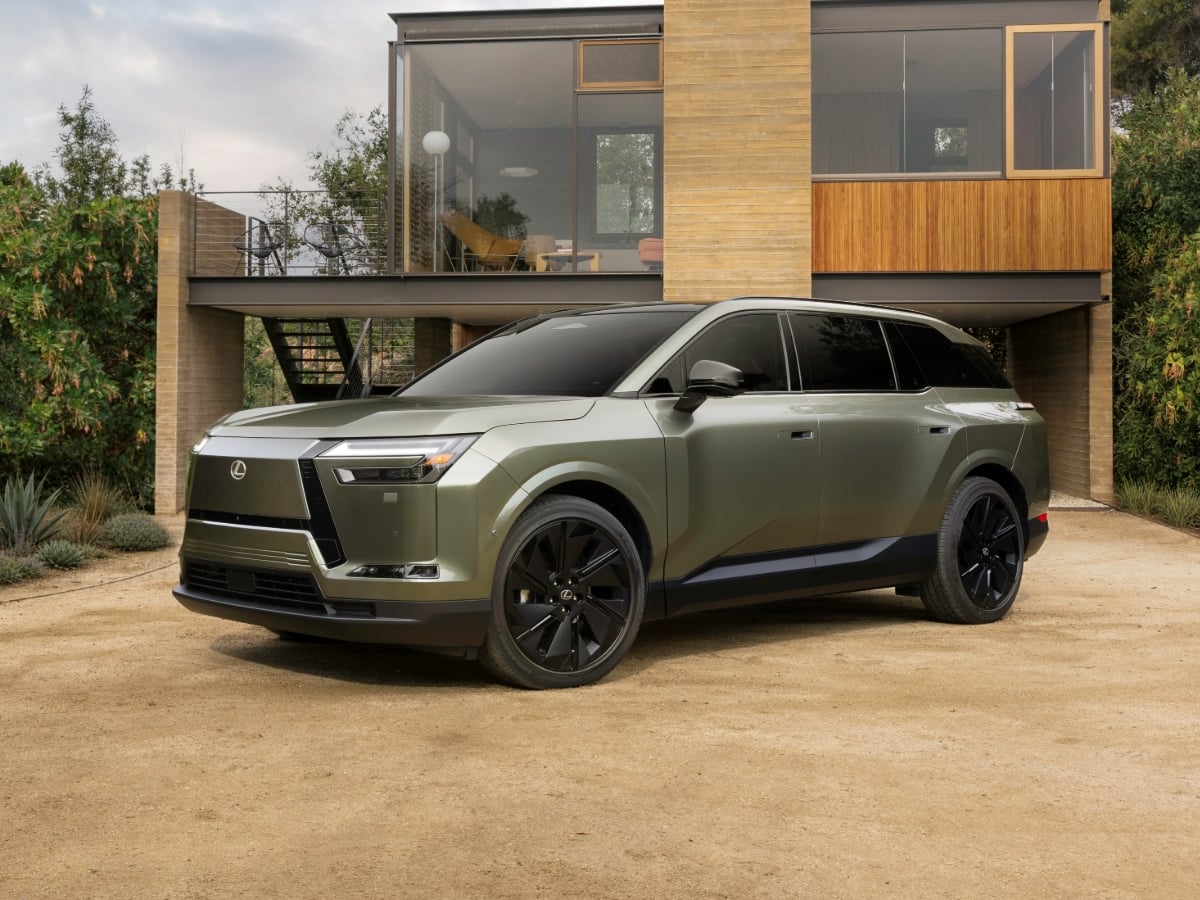
With the 2027 Lexus TZ, Toyota Motor’s luxury division introduces its first three-row all-electric SUV, featuring a lounge-inspired interior, an enhanced all-wheel drive (AWD) system, and up to 300 ...See More
Read the Full Article
With the all-new 2027 Kia EV3 small crossover SUV, the Korean automaker continues to expand its all-electric lineup while keeping prices accessible.
Read the Full Article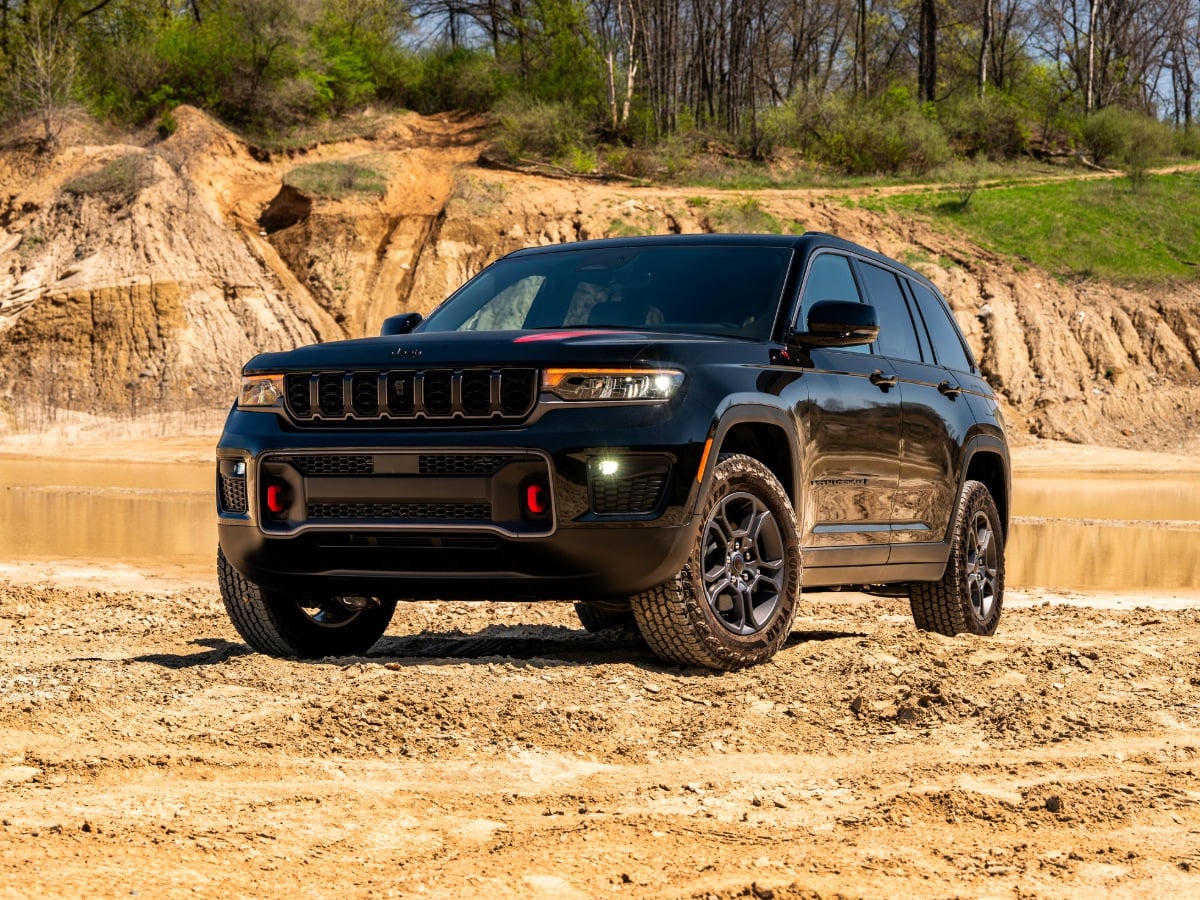
Following a refresh for the 2026 model year, the 2027 Jeep Grand Cherokee lineup brings back two familiar variants, the go-anywhere Trailhawk and the premium-yet-capable Overland, offering buyers ...See More
Read the Full Article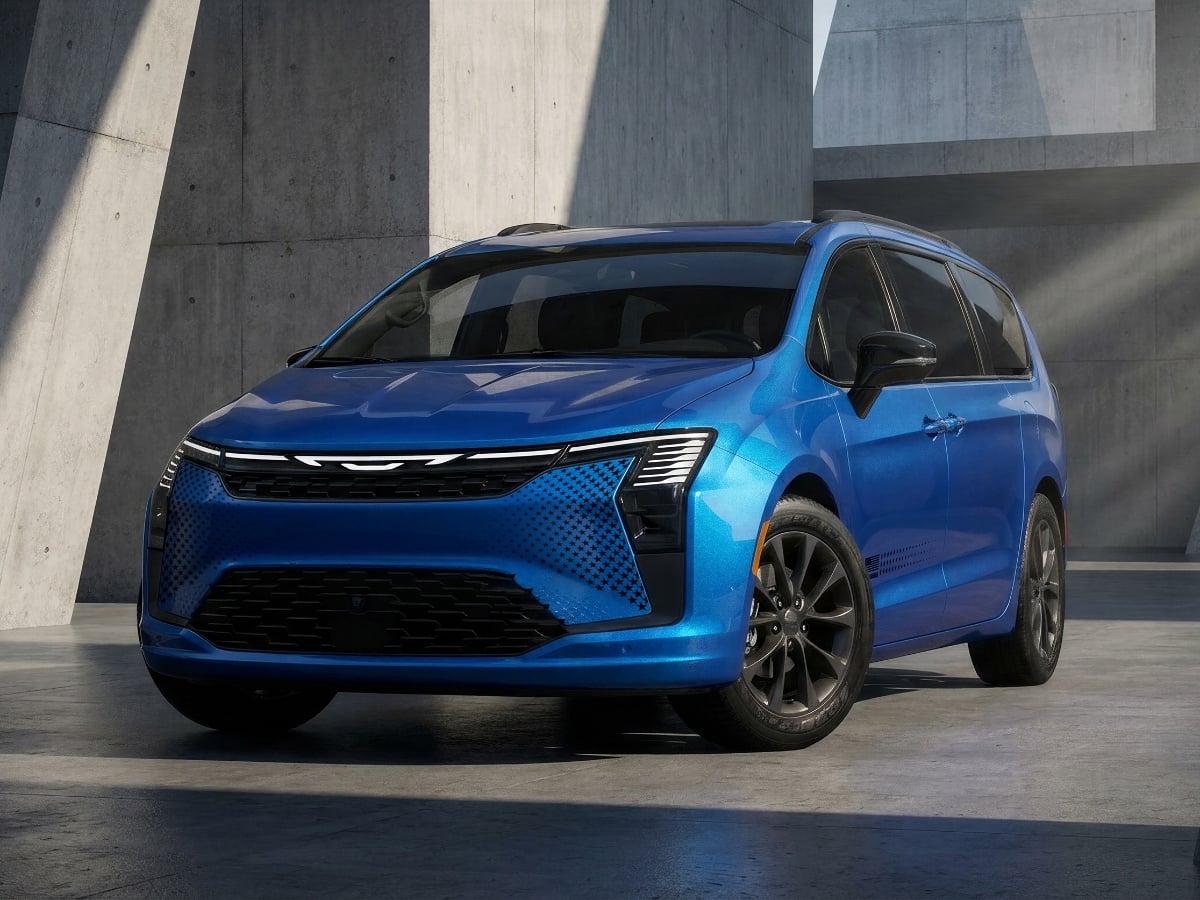
Chrysler, the company that launched the modern minivan segment in 1984, is giving its popular 2027 Chrysler Pacifica a nose job and introducing a special edition commemorating America’s 250th ...See More
Read the Full Article