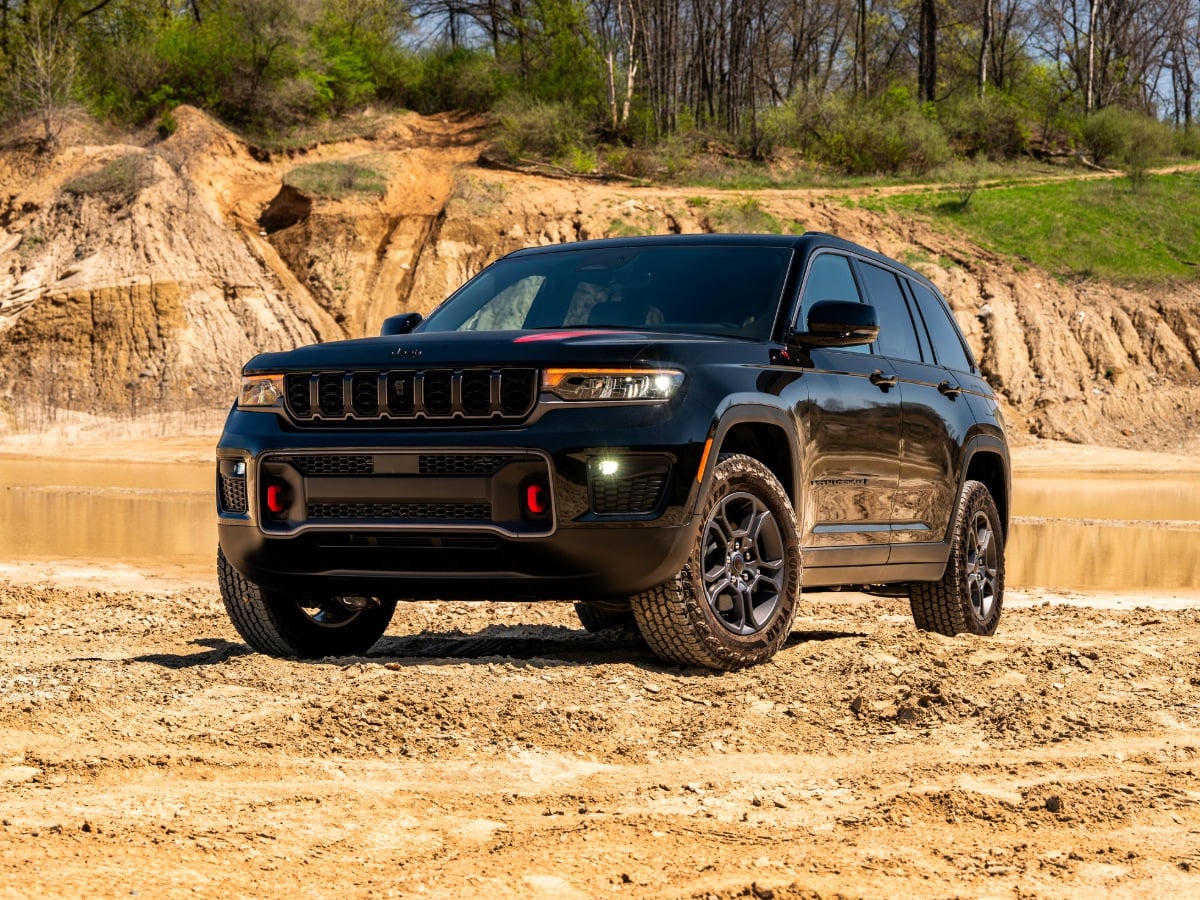
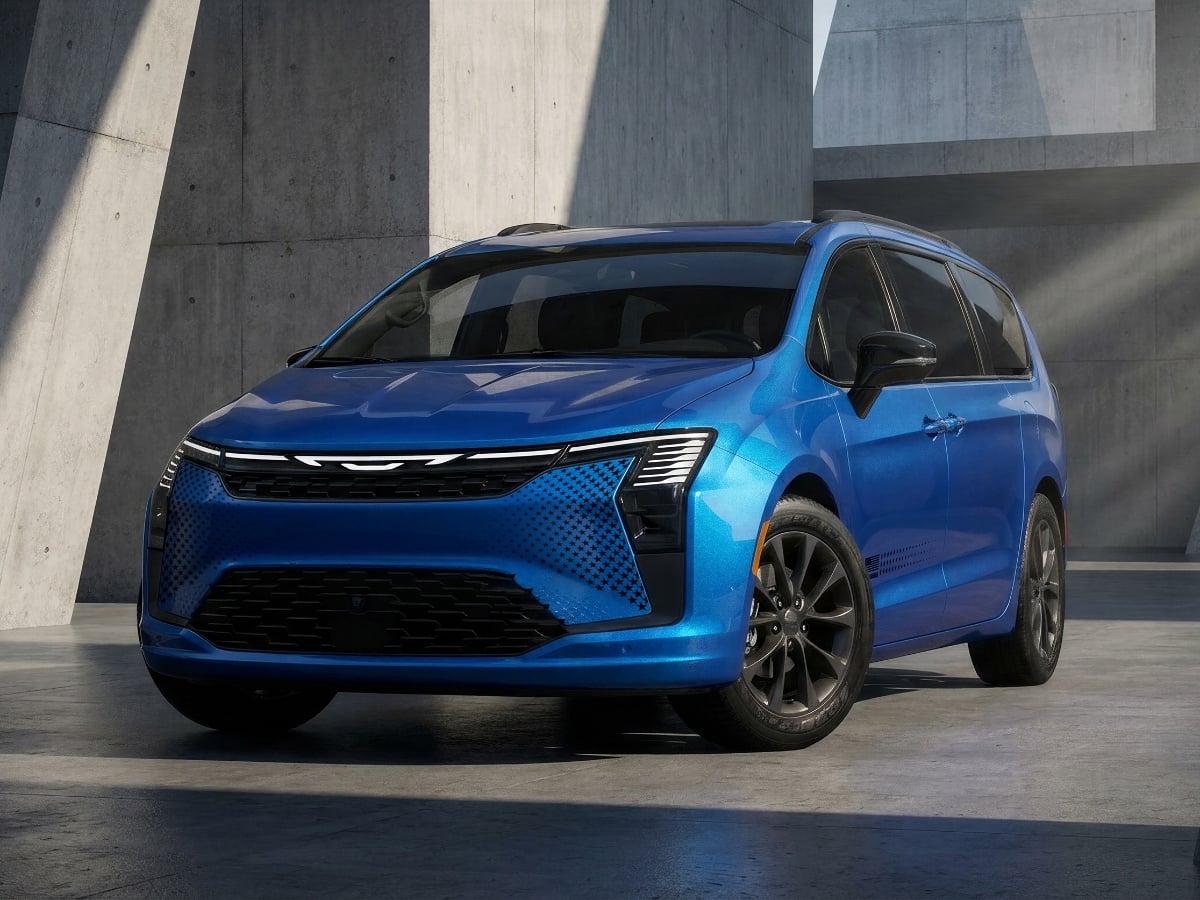
Electric vehicle sales were up by two-thirds in 2022 compared to the year before. The segment grew to over 800,000 vehicles last year, almost six percent of the U.S. automotive market.
Another way to think of the EV sales increase is that hundreds of thousands of people drove an electric vehicle home for the first time last year. With EV sales expected to keep growing, and with many of those future buyers getting into an electric car for the first time, it is helpful to understand what's the same and different about actually living with an EV.
New EV owners enjoy their cars. According to research from JD Power, first-time EV buyers highlight the service experience, driving enjoyment, and styling as positive factors about EV ownership. People who have lived with an EV for longer point to battery range and the accuracy of the car's stated battery range as two traits they particularly enjoy about their EVs, suggesting that opinions can change the longer someone lives the EV lifestyle.
While no two ownership experiences are the same, this article will explain, in general terms, how EV buyers' lives changed once they switched to electric.
What's the same?

- Similar surroundings – Driving an EV is similar to driving a gas car, with familiar foot pedals and controls. You still step on the accelerator pedal to speed up and the brake pedal to slow down, and the steering wheel in most EVs remains round.
- Rules of the road – Just because you drive an EV, the rules of the road don't change unless you obtain a carpool lane sticker and use it without any passengers aboard. So, you don't need to learn any new laws when you get behind the wheel of an EV.
- Daily driving – Aside from charging the car's battery instead of fueling the car's tank, everyday life is similar when you own an EV.
What's different?
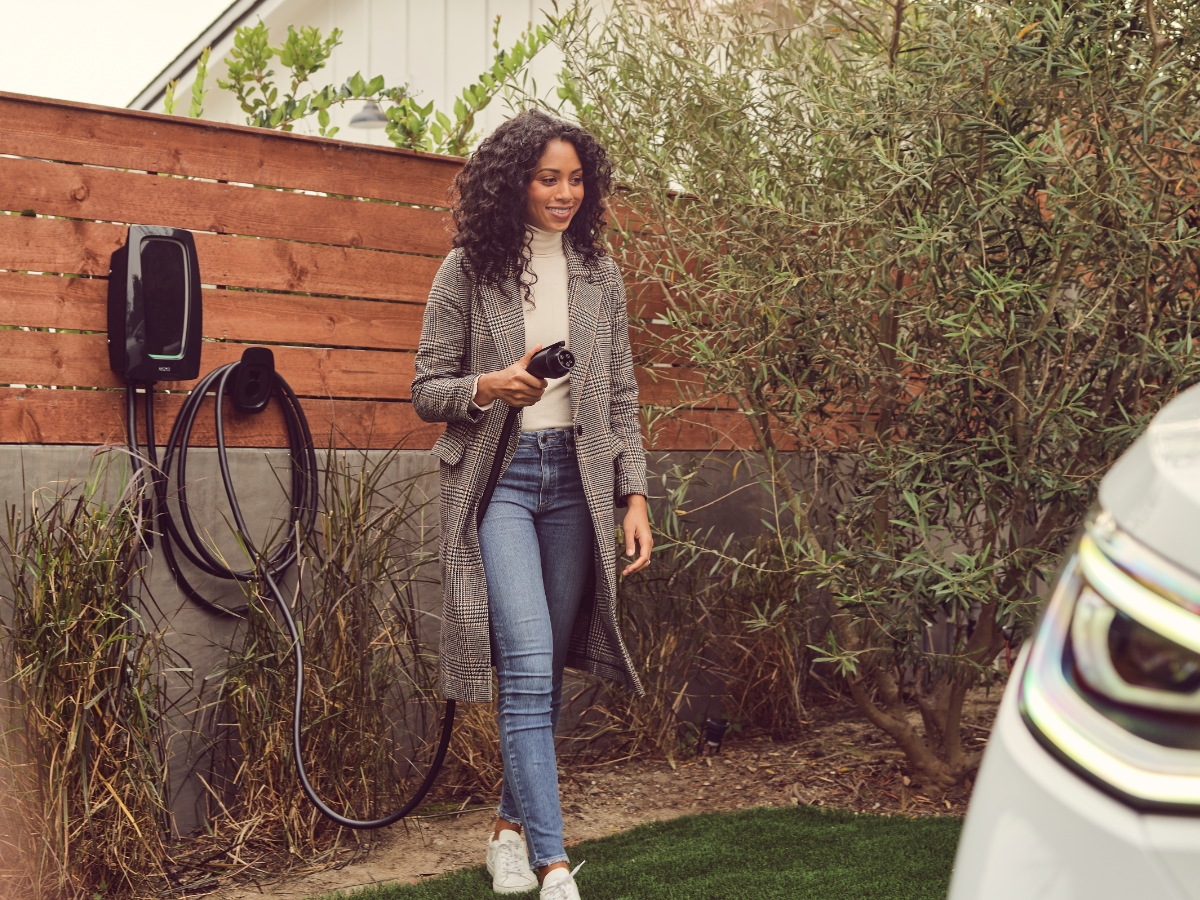
- No more gas – Instead of making regular stops at a gas station, EV drivers must charge up. How they do this depends on whether they have access to a charger at home or work or if they need to rely on public chargers.
- Learning to ignore range anxiety – EV drivers who install a home charging station or can use one at work typically only need to visit a public charger on a road trip. Modern EVs usually supply a driving range of over 200 miles. However, the average American driver travels less than 40 miles daily, so simply plugging in when arriving at home or work means never worrying about running out of energy.
- Refueling at home – New EV drivers often want to install a home charger. Costs vary depending on where you live, but the electrical work is similar to installing a new 240-volt outlet. You will also need to buy a home charging unit. The cost can range from several hundred to more than one thousand dollars. Still, because driving on electricity often costs less per mile than gasoline, money spent installing an EV charger is recouped over time.
- Reduced maintenance costs – Electric drive systems have fewer moving parts than internal combustion engines and do not need regular oil changes or other maintenance commonly required with a gas or diesel engine. In addition, because EVs have regenerative brakes, the brake pads get used less and last longer. These and other factors mean EV drivers spend less money on routine maintenance.
- Smooth acceleration – Electric vehicles provide smoother and, usually, quicker acceleration than similar gas-powered vehicles. Electric motors can provide instant torque even from a stop, and most EVs don't use a transmission, so you won't feel any shifting as you get up to speed.
- One-pedal driving – EVs have strong regenerative brakes that help conserve energy, and some offer a feature called "one-pedal driving." That means you can drive the EV without touching the brake pedal. Of course, it takes practice and planning to slow down and stop an EV simply by lifting your foot off the accelerator pedal, but it adds a challenge and some fun to the driving.
- Road tripping in an EV – A growing network of fast chargers makes long EV road trips easier, but this is still one of the most significant differences between gas and electric powertrains. While taking an EV on a road trip is possible, you must plan ahead to find where to charge the battery. In addition, you must budget time for charging.
- Renting a gas car for road trips – If an EV simply doesn't work for your road trip plans, you can rent a gas-powered car instead. Chances are you've saved plenty of money on gas and maintenance, so you can use those savings to rent a vehicle and add wear and tear to someone else's car.
- Guilt-free idling – When an EV stops moving, its energy use drops to a trickle compared to a gas or diesel vehicle idling. So with an EV, you may change your feelings about "idling" while waiting in the school pick-up line or going through a drive-through in an EV.
- New mental maps – Until new EV drivers need them, they may not know where to find their local public chargers. Some public EV chargers are even free. As new EV drivers start using this alternative "refueling" network, they may start going to one movie theater or mall over another because one has a charger available and the other does not.
- Winter vs. summer range – Internal combustion vehicles are less efficient in the winter, just like EVs. A good rule of thumb is that a conventional gasoline vehicle will lose between 10 and 33 percent of its fuel economy rating in the winter. In comparison, EVs lose between eight and 40 percent of range, depending on the model and its use.
- Free charging deals – Many new EVs come with a free charging deal from the manufacturer. These programs may offer a few years of access at particular stations or a set number of fast charging sessions. Dealers who understand these incentives will explain if you can access the free charging through an app or the EV's navigation system.
Summary
Driving an electric vehicle is similar to driving a gas- or diesel-powered car in some ways, but living with an EV is dramatically different. Mostly, the experience is positive, especially after a new EV owner resolves the battery charging issue. And some EV ownership perks, like free charging, can open up a new world of exploration. For more information on what it's like to live with an electric vehicle, see all our EV content on jdpower.com.