
Exactly as it sounds, high mileage oil is oil for engines with a lot of miles more specifically, more than 75,000 miles. Engine components like the crankshaft, pistons, rod bearings, and valve seals won't be as in good shape at 80,000 miles as they were at 15,000 miles, even if you change your oil on schedule. Due to this, high mileage oil has unique additives in addition to ordinary oil to help prevent the kinds of issues that commonly occur in high mileage engines.

With the help of seal conditioners, seals that have shrunk and grown brittle over time can be restored. Seal swellers and conditioners are also present in high mileage lubricants, which improve engine performance by lowering leaks and smoke.
Older engines can run cleaner with the use of detergents. Engines having a lot of miles on them produce sludge more quickly than newer engines. High mileage oils have antioxidant compounds to fight sludge and stop viscosity deterioration.
Anti-wear substances work to stop further wear. Engines with a high mileage deteriorate more quickly than fresher engines. High mileage oils have compounds that lessen future wear by preventing metal-to-metal contact.
Once the odometer has between 75,000 and 100,000 miles, you should start using high mileage oil. It may also be time if these things happen:
High mileage oil is intended for use in older engines. High mileage oil contains compounds that protect the seals, as well as antioxidants, detergents, and wear and friction additives. High mileage oils contain viscosity modifiers that are long-lasting and will not degrade over time. This helps the oil to remain thicker for extended periods of time, hence protecting engine components.
Everything begins to loosen during the course of a vehicle's life. Gaskets, seals, and non-metal parts wear out as the engine ages. High mileage oils contain chemicals that promote flexibility and form in these areas. In the long run, this can help with oil leaks. High mileage oils are made for engines that have exceeded their warranty mileage.
Your car may be more difficult to start if you use some of the thicker oils, including 10W-30 full synthetic and 5W-20 full synthetic. This is particularly valid in colder climates. Additionally, they can raise your overall oil pressure and decrease the flow around the engine. More pressure will be applied in an effort to push the motor oil between the seals and gaskets as a result.
Vehicles are more prone to wear and tear as they get older and travel farther. Regular oil does not include the special combination of conditioning agents and additives that high mileage oil does. The additives and agents provide:
High mileage oil is typically beneficial for vehicles with more than 75,000 miles on the odometer. Because engine seals can deteriorate over time regardless of mileage, older vehicles with fewer miles on them can also benefit. Oil leakage from damaged seals indicates that your engine isn't operating at its best.
Consider switching to high mileage oil if:
There are no precise rules defining what constitutes high mileage. Modern technology allows even typical road vehicles to have a lifespan of up to 300,000 or even 400,000 miles. It is generally accepted that miles traveled on highways are less stressful on an engine than miles traveled in cities, and the research tends to confirm this. There are fewer starts and stops along a highway. The engine can run at its highest efficiency for extended periods of time and maintain a constant temperature. Anything with more than 100,000 miles might be safely categorized as a high mileage car for the average driver.



Part of BMW’s Neue Klasse (new class) rollout of redesigned models, the 2027 BMW 3 Series is all-new and goes on sale in the first quarter of 2027.
Read the Full Article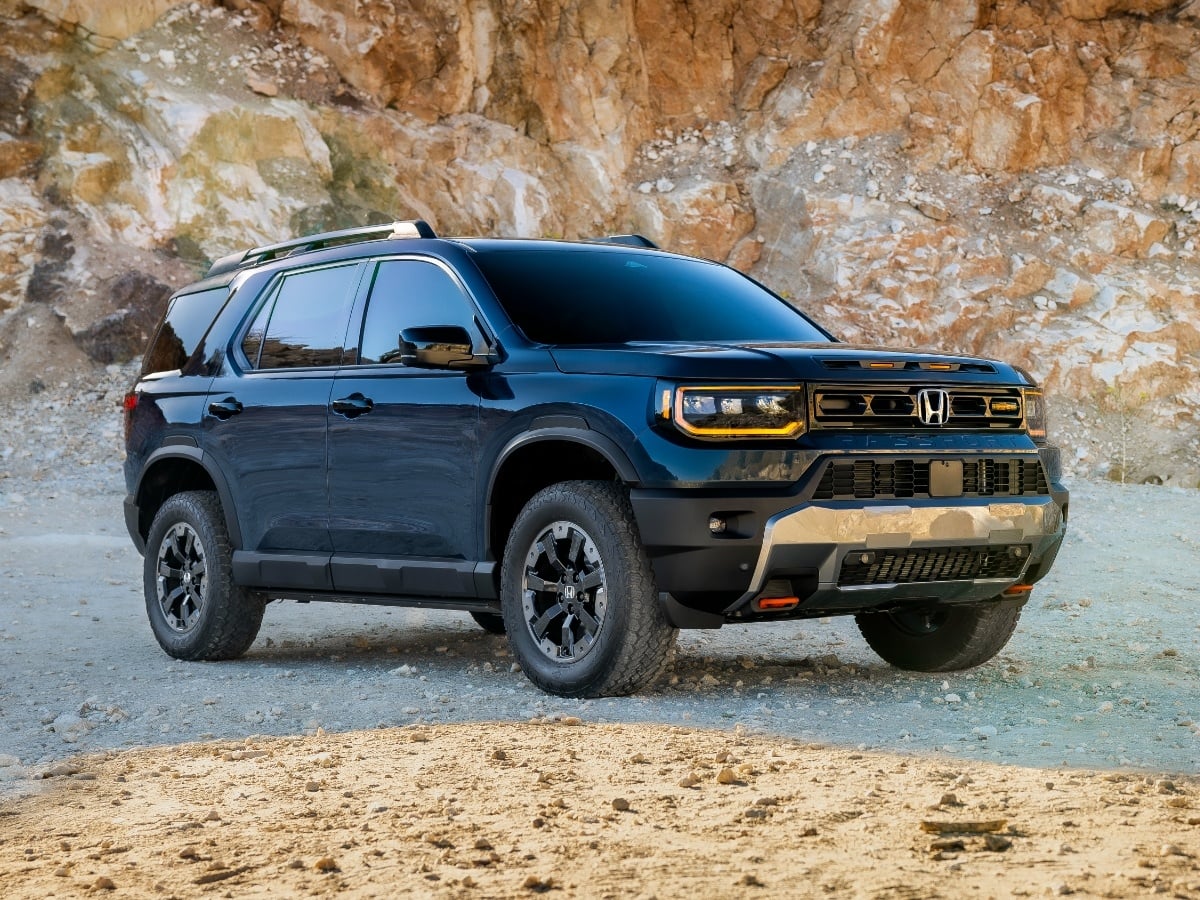
Updates to the 2027 Honda Passport TrailSport include a reworked suspension, improved steering, subtle styling enhancements, and added standard equipment.
Read the Full Article
The midsize 2027 Mercedes GLE remains available in original and spicy Coupe recipes, now with standard 4Matic all-wheel drive (AWD), MBUX Superscreen technology, and a panoramic glass sunroof for ...See More
Read the Full Article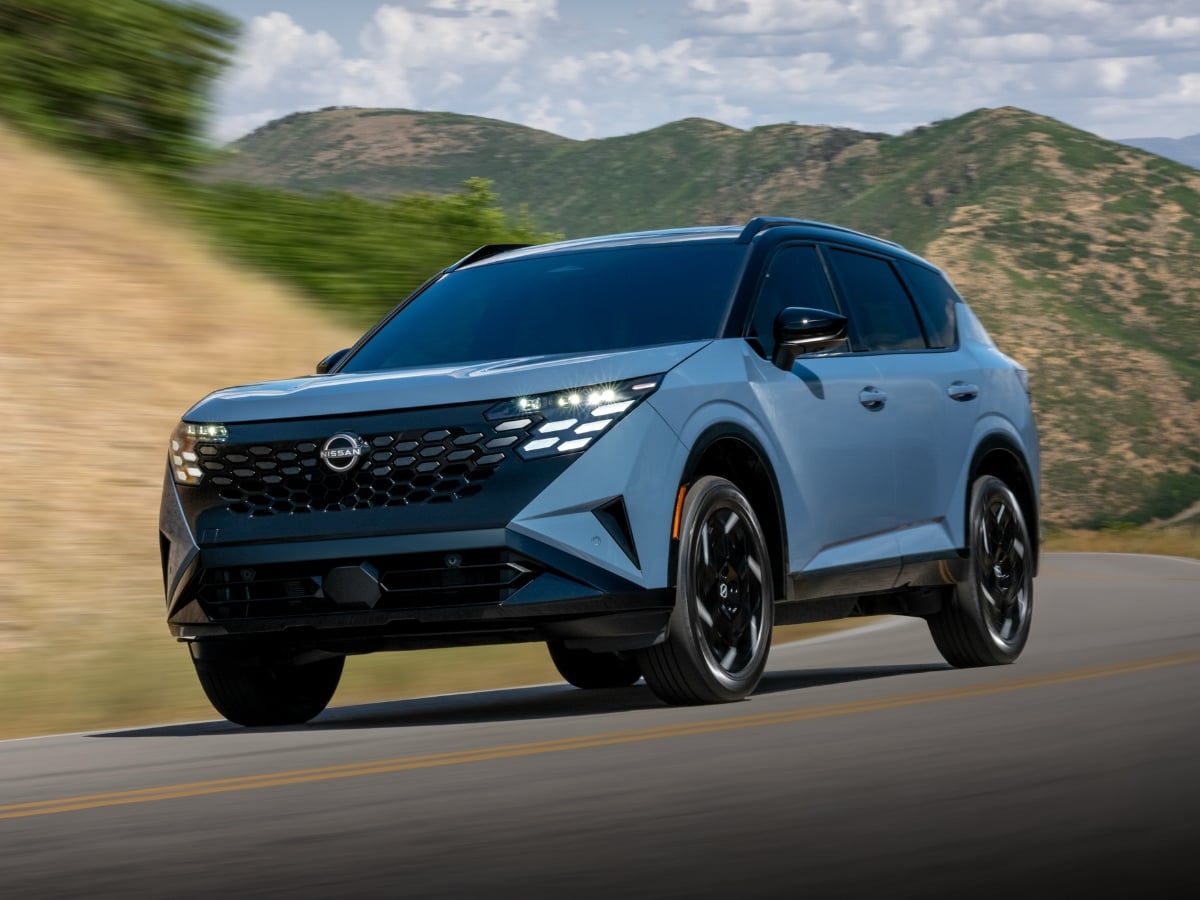
Nissan is about to introduce an innovative new SUV. The 2027 Nissan Rogue Hybrid has a gasoline engine, but it does not power the wheels. Instead, electric motors at each axle provide propulsion, ...See More
Read the Full Article