
A brand-new car has a high market value at the time of purchase. It may lose value once you drive it off the showroom. Your car's value may decrease as it ages and has more miles driven on it. Even if you go through all the necessary steps to get your car back to its pre-accident state, the market value of your car will decline. The difference between the market worth of your car before and after an accident is known as diminished value. Even if you attempt to sell your car again, Carfax and comparable reports will reveal that it has been in an accident, which will lower its market value.

There are three forms of diminished value. Each category is related to the depreciation in the value of your car following an accident.
This is the most typical and widely recognized type of automobile accident diminished value. Inherent diminished value occurs when a vehicle loses worth due to a history of damage that is documented in the vehicle's history reports. This sort of diminished value assumes that the vehicle's repairs were of high quality and shows how much the vehicle's value will decline as a result of the accident history.
This is a reference to the depreciation of the car caused by inadequate repairs made following an accident. For instance, if aftermarket parts are used in place of original equipment manufacturers (OEM) parts or the paint is repaired with a color that is not an exact match, the quality of the repair results in a loss in value above and beyond the vehicle's already-diminished value as a result of the accident. It is assumed that the vehicle cannot be repaired to its pre-accident state in order to determine its diminished worth.
This form of vehicle diminished value indicates the difference in resale value between immediately after an accident and before the vehicle is fixed. Although this is the sort of diminished value used by courts, it is rarely used when filing a diminished value claim with an insurance company because the insurer covers the cost of repairs immediately following a covered accident.
Filing a diminished value claim can be more complicated than filing a claim for other concerns because you are normally responsible for establishing the car's diminished value.
If the accident was your fault, your claim for diminished value is probably going to be rejected. If the other motorist is at fault, get in touch with their auto insurance company to learn more about how to file a diminished value claim.
To file a claim for diminished value, follow these steps:
For some people, filing a diminished value claim is not the best course of action. When you make a claim for diminished value, you could or might not get paid. Here are some things to think about:
Value of your car before the collision: You might not be entitled to reimbursement for lost value if you drive an older vehicle with high miles or structural issues.
Whether you committed a mistake: Your insurance company most certainly won't cover a diminished value claim if you were the accident's cause.
In the event that an uninsured driver causes an accident with you: You have a marginally better chance of being compensated for a diminished value claim if your insurer offers uninsured motorist coverage.
What state you reside in: Each state has various laws governing claims of diminished value.
It is important to understand the diminished value. A car that has been in a major accident has a reduced market value than the identical vehicle in pre-crash condition, depending on its age and condition. Even if the car repairs are of the greatest quality, potential purchasers are reluctant to spend as much for a car that has previously been damaged. After an accident, a car's value drops since the consumer no longer values it as highly. The value of the car is frequently lower than it was prior to the accident, even when it has received complete post-accident repairs. Consumers should file a decreased value claim with their insurance provider in order to recover the vehicle's lost worth.


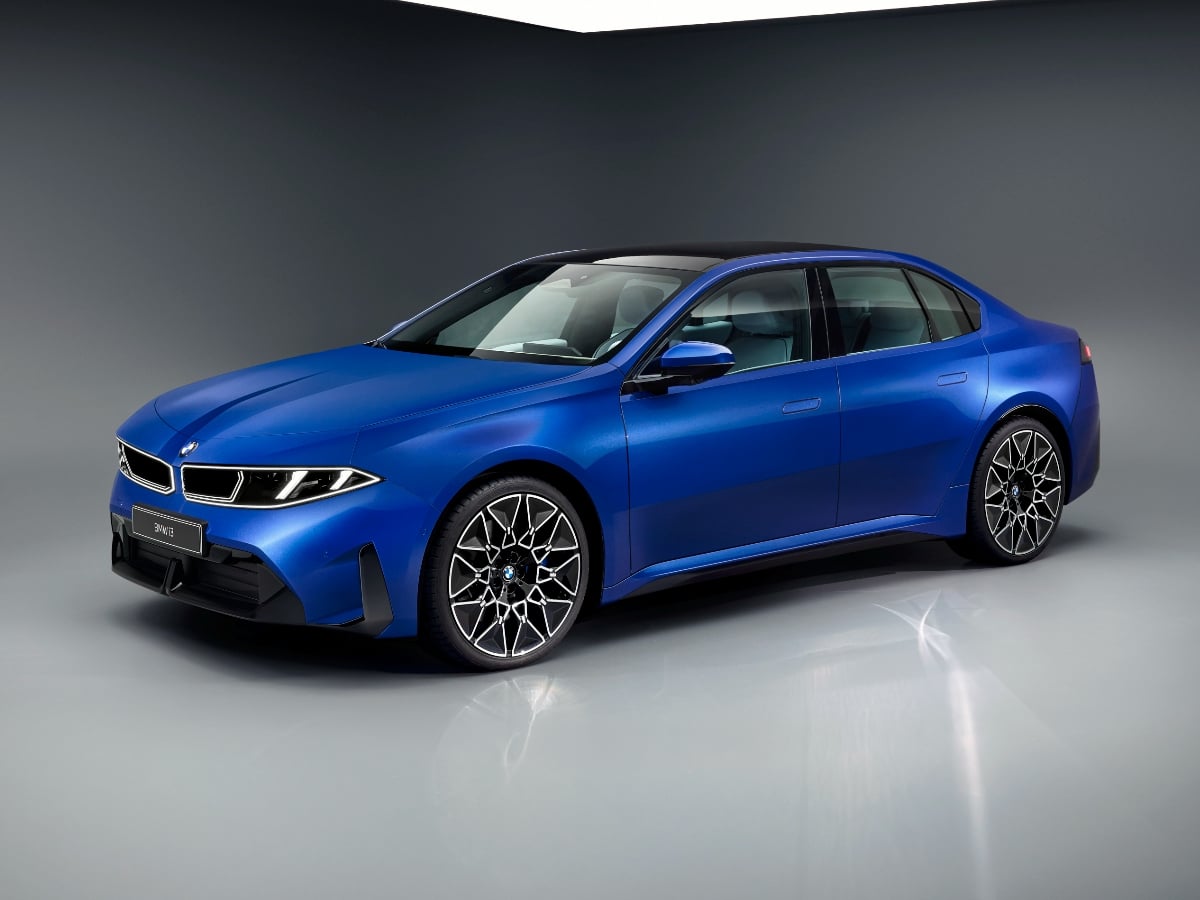
The new 2027 BMW i3 boasts an estimated range of up to 440 miles, 400-kilowatt DC fast charging capability, bidirectional charging to a home or the grid, and next-generation technology.
Read the Full Article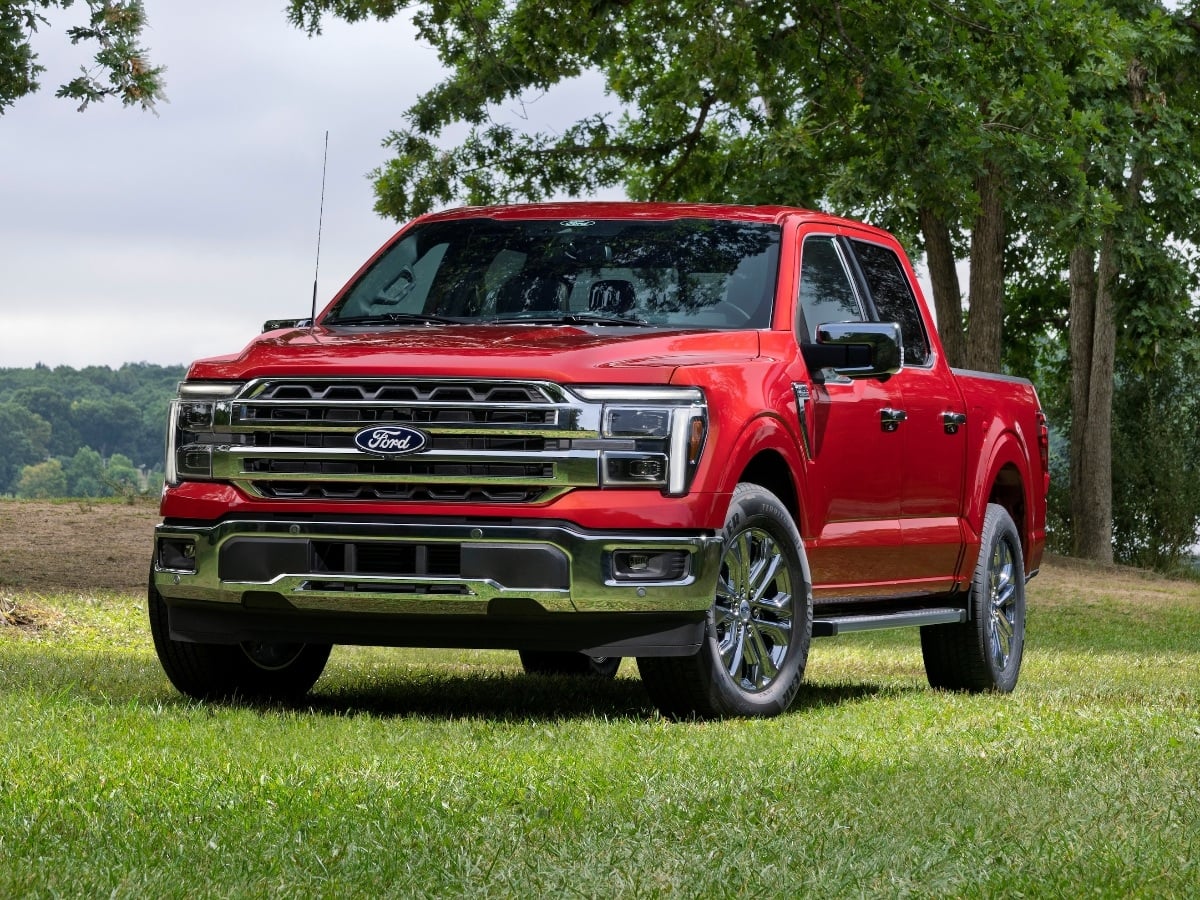
Facing renewed competition in the full-size, light duty pickup truck segment, the 2027 Ford F-150 receives subtle styling updates, a new standard engine, broader availability of its 5.0-liter V8, and ...See More
Read the Full Article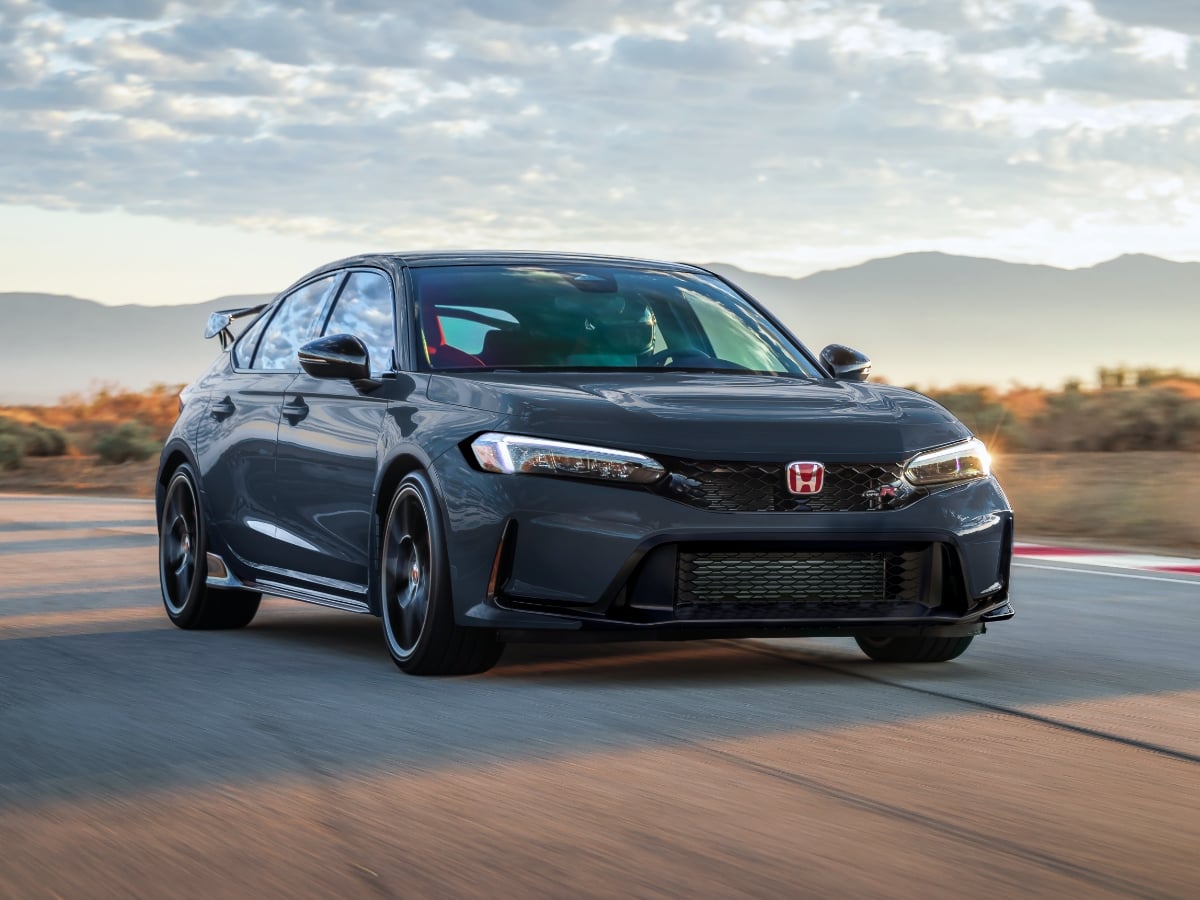
The 2027 Civic Type R goes on sale in October 2026, and it starts at $49,990, including the $1,295 destination charge.
Read the Full Article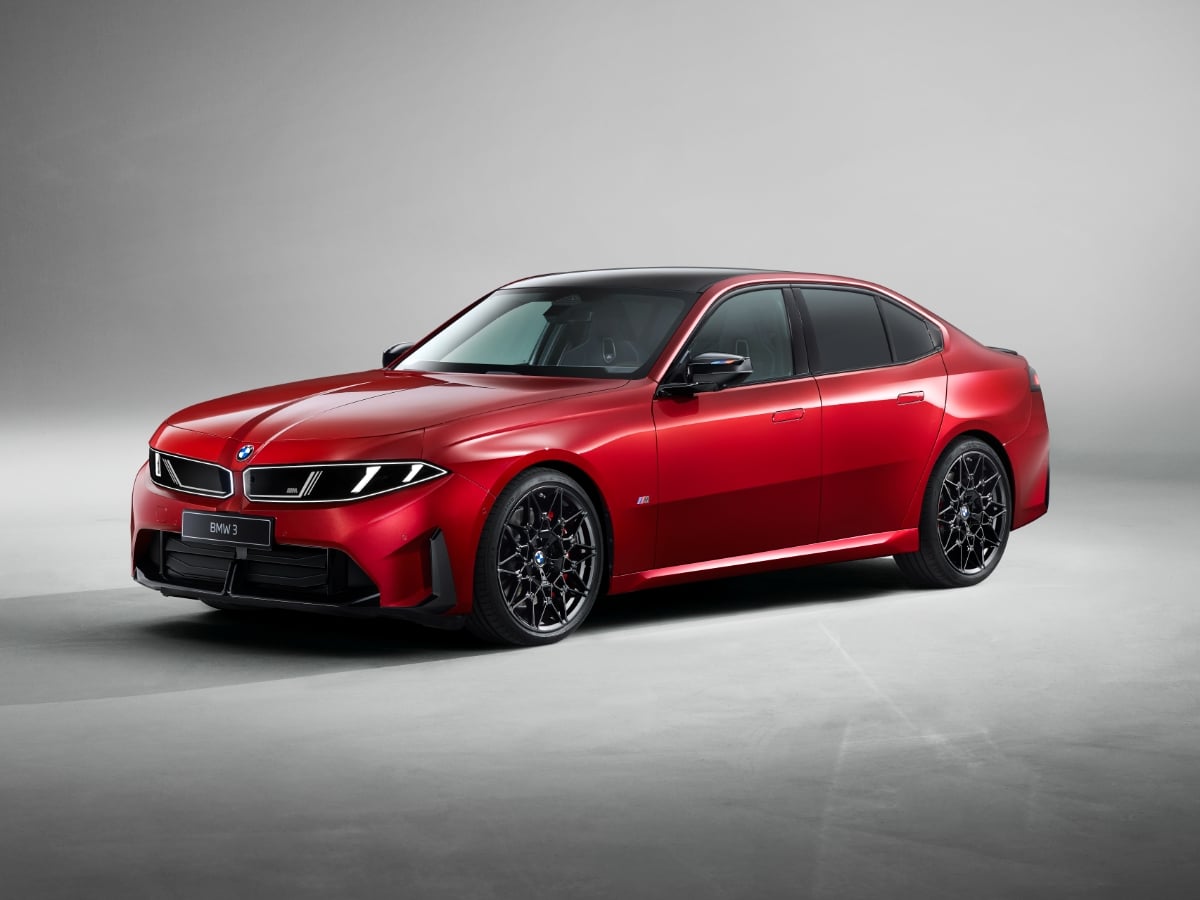
Part of BMW’s Neue Klasse (new class) rollout of redesigned models, the 2027 BMW 3 Series is all-new and goes on sale in the first quarter of 2027.
Read the Full Article