
There are various payment options available if you are shopping for a vehicle. You can pay in cash, get it financed or take it on a lease. The choice is yours. If you choose to lease a car, you will come across the term money factor, and things can quickly become complicated from here on out. But there’s nothing that covering a problem in great detail can’t solve.

The money factor is the method to calculate the monthly fee on a car lease which is factored into the overall monthly payment. The money factor, the lease factor, or the lease fee is expressed as a decimal, and you can calculate the APR (Annual percentage rate) by multiplying it by 2400. Whatever the case, the money factor is only a percentage of the total vehicle cost because it considers that the car, once taken out of the showroom, a critical asset.
If you lease a vehicle, the money factor is your money saver. Money Factor calculation takes the current market rate of the deprecating vehicle during the specified time. The monthly charges include depreciation value, taxes, and interest rate.
The simple way to calculate your money factor is to multiply the quoted money factor by 2400. For example, if the money factor is 0.006, the Annual Percentage Rate will be (0.006) x 2400 = 14.4%.
You can also calculate the money factor by factoring in the lease charge. The formula is - lease charge divided by the capitalized cost and the revenue cost multiplied by the number of months in the lease term.
Money factor = Lease Charge ÷(Capitalised Cost + Residual Value) x Lease term
Here, the lease charge indicates the total lease amount over the complete duration of the lease. The capitalized price denotes the cost of the vehicle, while the lease term means the duration for which the car has been leased.
The financing charge a person pays on the lease amount is the money factor. It is similar to a loan because the money factor is also based on the customer’s credit score.
The money factor depends on the prevailing market conditions and the borrower’s credit score. The money factor is the interest assessment on a lease. Therefore, the lower the money factor, the more favorable it is to the borrower as it denotes a lower interest rate or financing charge for the car. On the higher side, the money factor can go up to 35, i.e., 0.0035, which translates to an imposed APR of 8.4%. On the lower side, getting something around 25, i.e., 0.0025, which is 6% APR, is a pretty good money factor.
Like any loan, the money factor is primarily based on the borrower’s credit score. Borrowers with lower credit scores will often have higher money factors, while those with high credit scores might have a lower money factor, although it is unnecessary. Some dealers do not provide you with the option of negotiating on the money factor, while a few others might be open to negotiating it to align it with the current market rates.
The money factor is the amount to be paid by the lessee monthly. It is similar to an interest rate, but it also factors in the depreciating value of the car, the taxes, and the interest rate. You can find out the money factor of a vehicle by contacting the dealer or checking with the credit union. The customer’s credit score directly determines the money factor, and it helps to get a lower one if you have a higher credit score. Other factors that help determine the money factor are the interest rates of the financing company and the dealer markup price. A decent money factor for a lessee with a fantastic credit score can be between 3-5%.
When you lease a car, you are renting it and paying the leasing company for the time you have it. And we all know that vehicles lose value over time. You can expect a lower interest rate if you lease a car that holds its value over time.
It doesn’t end here. Apart from the leasing fee, there are other payments such as security deposit, disposition charge, acquisition fee, security deposit, and registration fee. Your monthly lease repayment might include the sales tax depending on your coordinates.
The correct money factor takes a little bit of work. You need to compare all parts of the lease deal, like potential lease cash offers, down payment requirements, leasing fees, and the money factor. Look at the bigger picture while comparing and calculating the total expense. For example, making a deal with a high money factor but an excellent cashback offer would be advisable.


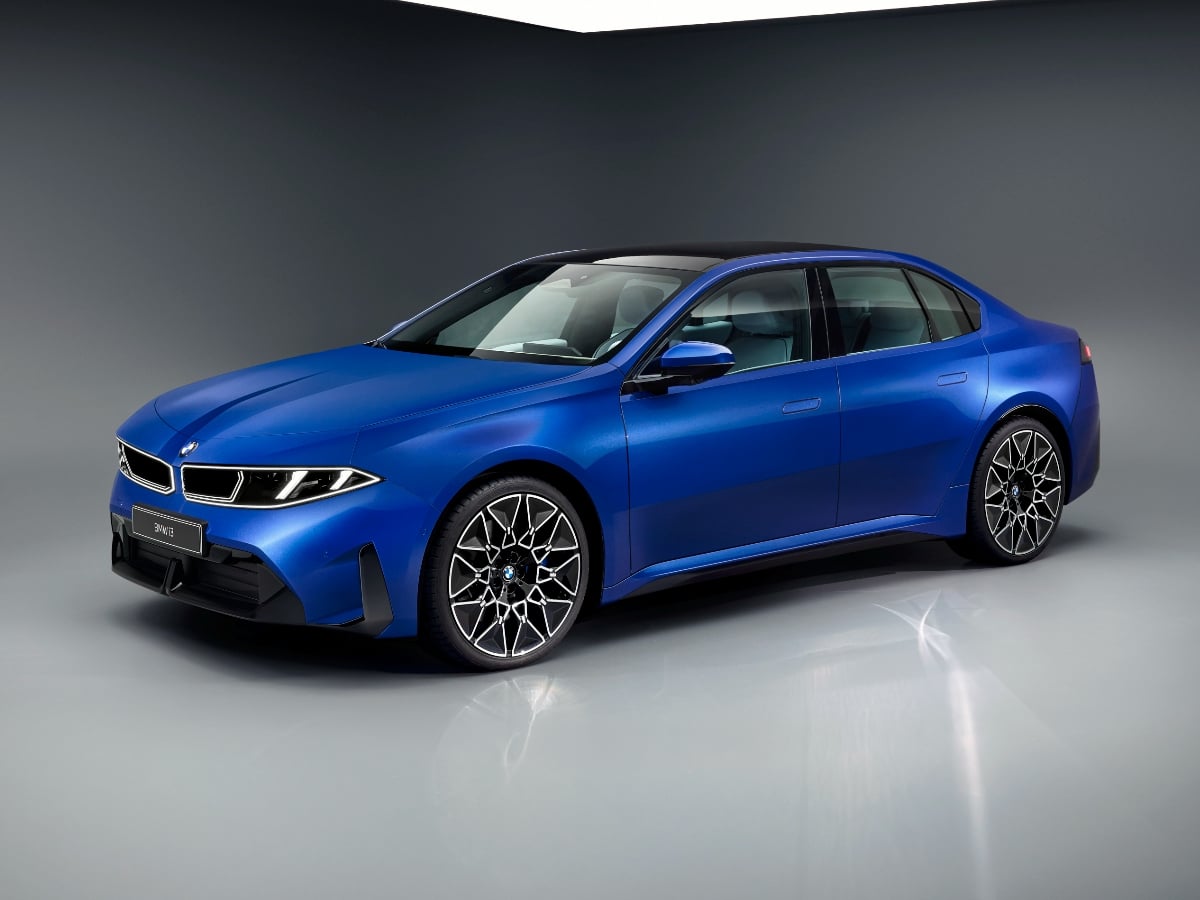
The new 2027 BMW i3 boasts an estimated range of up to 440 miles, 400-kilowatt DC fast charging capability, bidirectional charging to a home or the grid, and next-generation technology.
Read the Full Article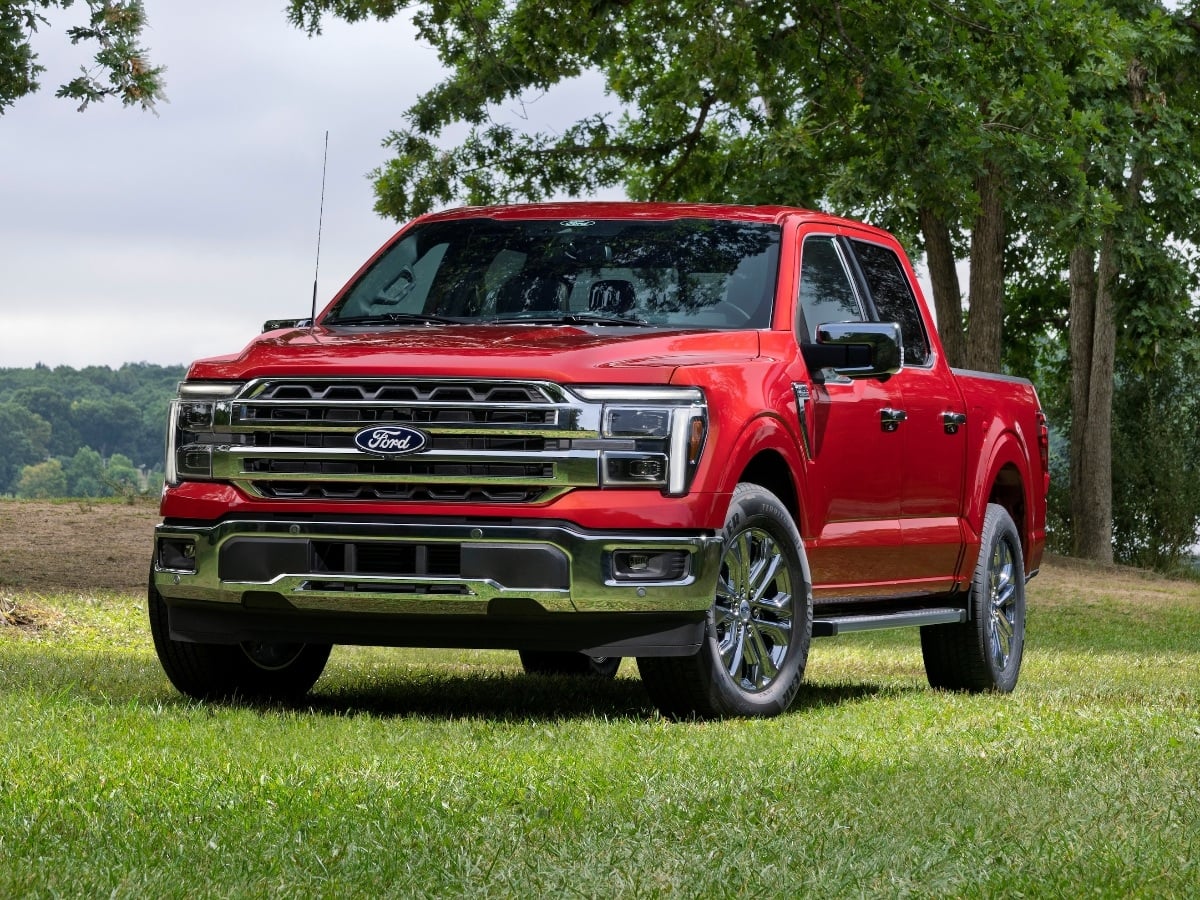
Facing renewed competition in the full-size, light duty pickup truck segment, the 2027 Ford F-150 receives subtle styling updates, a new standard engine, broader availability of its 5.0-liter V8, and ...See More
Read the Full Article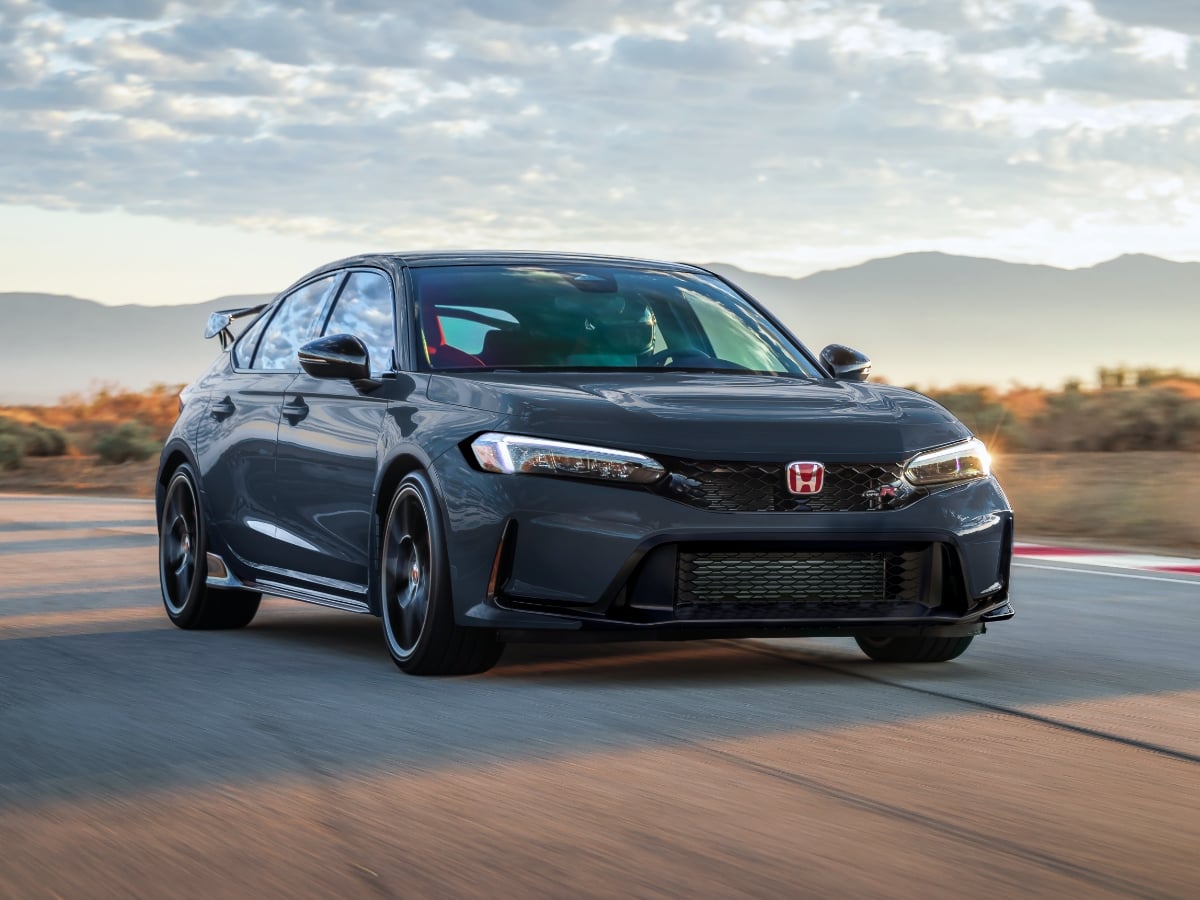
The 2027 Civic Type R goes on sale in October 2026, and it starts at $49,990, including the $1,295 destination charge.
Read the Full Article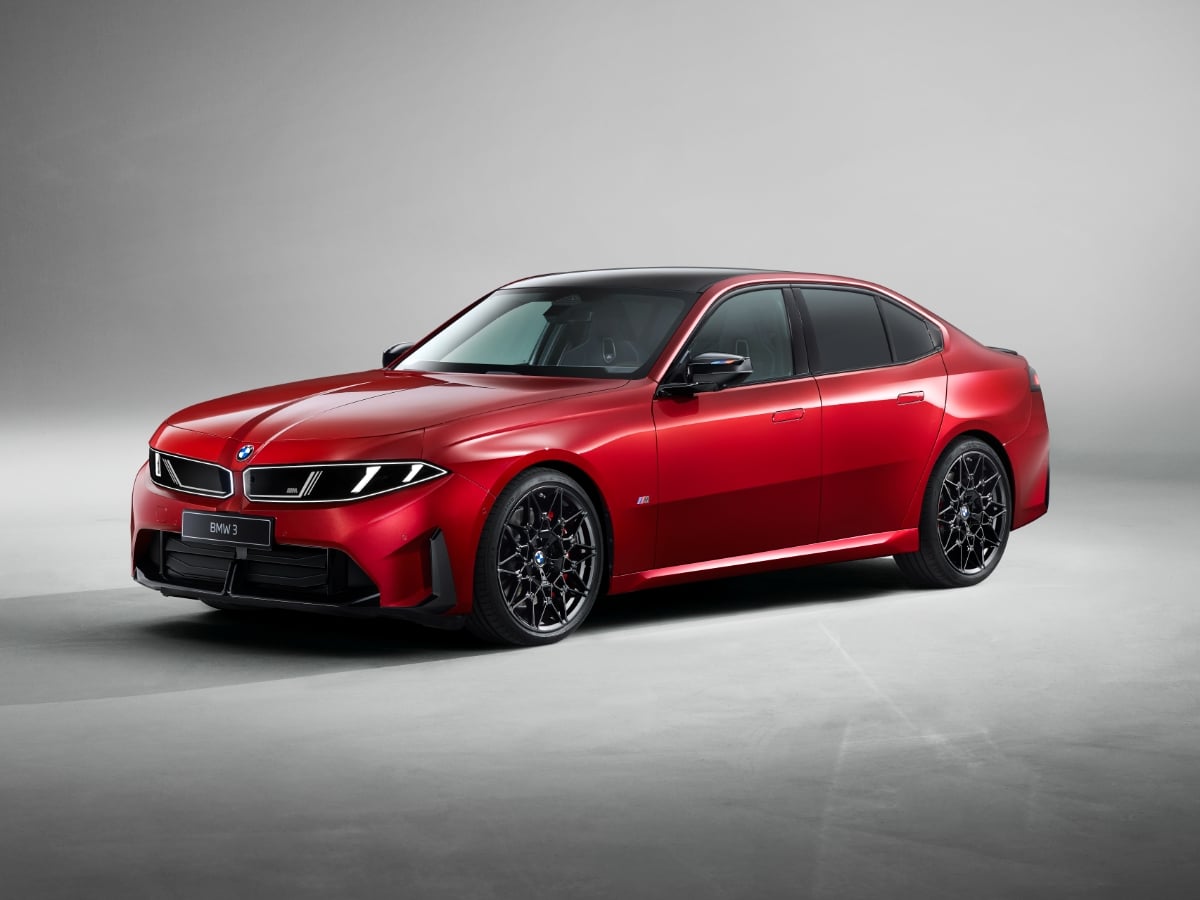
Part of BMW’s Neue Klasse (new class) rollout of redesigned models, the 2027 BMW 3 Series is all-new and goes on sale in the first quarter of 2027.
Read the Full Article