
American pickup trucks are among the biggest vehicles on the road, typically measuring between 209 and 253 inches long—or about 17.4 to 21 feet, depending on the make and model.

While vehicles trend larger in the United States, other countries have developed smaller alternatives. Japan’s kei trucks, a class of tiny pickup trucks, are compact and practical.
These miniature trucks are gaining fans in the U.S., and it’s easy to see why. They’re efficient and pack plenty of personality into a small package. Explore why kei trucks are winning over car enthusiasts across the country.
A kei truck, or keitora, is a small pickup truck designed for Japanese road regulations. It is a subclass of kei-jidousha vehicles, also known as a kei car.
The word “kei” means light or compact, but it can also be translated to “miniature” or “mini” when referring to vehicles. Kei-class models—including cars, vans, SUVs, and trucks—are among Japan's smallest highway-legal motor vehicles.
Japanese law strictly regulates cars and trucks using a multi-tiered taxation system. Generally, the larger the car and the bigger the engine, the higher the tax. This means many people drive kei trucks to reduce the tax they need to pay. There are two main taxes:
Vehicle acquisition tax. Also known as shaken , this annual, fixed tax varies based on the vehicle’s weight. The tax ranges from 6,600 yen for kei cars to 32,800 yen for models weighing more than 1,500 kg.
Annual road tax. In Japan, the annual road tax for vehicles is determined by engine size and vehicle class, which is reflected in the color of the license plate. Kei vehicles receive yellow plates (the same as mopeds and small motorbikes) and are subject to a flat 3,700-yen annual tax.
Kei cars and trucks are built to be some of the smallest road-legal vehicles in Japan, so they are perfect for the country’s narrow (often crowded) streets. However, to qualify as a kei-class vehicle, they must meet the following specifications:
Like all kei vehicles, these trucks are small, lightweight, and fuel-efficient. While they are designed for the frequently congested Japanese urban roads, they are surprisingly capable for their size.
For example, the 1999 Daihatsu Hijet is a common kei pickup truck model. Despite an overall length of 133.6 inches, the truck bed is 74.5 inches long and 55 inches wide. Compare this to a base trim model 2024 Ford F-150 XL with 6.5’ Box that is 209 inches long but has similar bed dimensions, at 78.9 inches long and 50.6 inches wide.
However, potential buyers should remember that a typical kei truck has a less sturdy chassis and a much smaller and lower-powered engine. Most are fitted with a three-cylinder engine that produces no more than 63 horsepower. Larger U.S. pickup trucks are not limited in this regard and have larger and more powerful engines, such as the 2024 F-150’s 5-liter V8, rated at 400 hp.
These specifications limit the kei truck’s payload and towing capacity compared to a standard pickup truck in the United States. For instance, the 1999 Hijet’s maximum payload is rated at 350 kg (approximately 772 lbs.), whereas the payload limit on a 2024 F-150 is more than double that at 1,859 lbs.
Although almost every Japanese automaker manufactures kei trucks, they are exclusively sold on the Japanese domestic market (JDM) and in some Asian countries.
New kei trucks are not sold in the United States because they do not meet Federal Motor Vehicle Safety Standards (FMVSS) or comply with EPA emissions standards.
Although they are highway-legal in Japan, the typical speed limit in their home country is 100 km/h (approximately 62 mph). As a result, they generally don’t have the performance to safely maintain U.S. highway speeds, which can be as high as 80 mph.
However, the NHTSA outlines an exception to these federal requirements for imported vehicles 25 years or older. This rule, known as the 25-year import rule, exempts any imported vehicle from FMVSS compliance. The EPA outlines a similar exemption for vehicles 21 years or older, meaning an FMVSS-exempt car is also EPA-exempt.
As of November 2024, foreign vehicles manufactured up to November 1999, including kei trucks, are legal to import into the United States on an NHTSA Form HS-7. Popular models include the Daihatsu Hijet, Subaru Sambar, Suzuki Carry, Mazda Scrum, and Honda Acty.
Even if a kei truck can be imported legally, local laws may present additional challenges for driving it on the road. Regulations vary by state and may include speed limits, bans from controlled-access highways, or additional state-specific emissions and safety requirements. For example:
California: All vehicles registered in the state must pass stringent smog inspections and safety standards, which kei trucks are not designed to meet.
New York: The NY-DMV will only register a kei vehicle if the importer or owner can prove it meets FMVSS and EPA standards at the time of manufacturing.
Tennessee: Kei trucks are legally classified as “mini-trucks” and fall under the Class I Off-Highway Vehicle category. The vehicles can be driven on county roads, but not state or interstate highways.
Alabama: Under state law, kei trucks are classified as “mini-trucks.” They are legal to drive on public roads, provided the owner has a mini-truck license tag. This tag restricts access to interstate highways and limits the vehicle’s top speed to 25 mph.
Kei trucks are popular among Japanese vehicle enthusiasts, small business owners, and anyone looking for a small but practical truck. Fans of these tiny trucks appreciate their size and practicality at a time when most trucks and SUVs sold in the U.S. are becoming larger and heavier. Demand for these vehicles has surged in the past few years as the 25-year rule makes an increasing number of them legal to import.
Author: Corentin Bernard
Corentin’s passion for the automotive world started when he was just seven years old, during a life-changing visit to an auto museum. Now a seasoned writer, Corentin channels that early fascination into every piece he writes, whether he’s exploring the latest car trends or automotive history. But his expertise doesn't end there—he also brings his insights to topics like home improvement, the boating and yachting industry, personal finance tips, and cutting-edge tech.


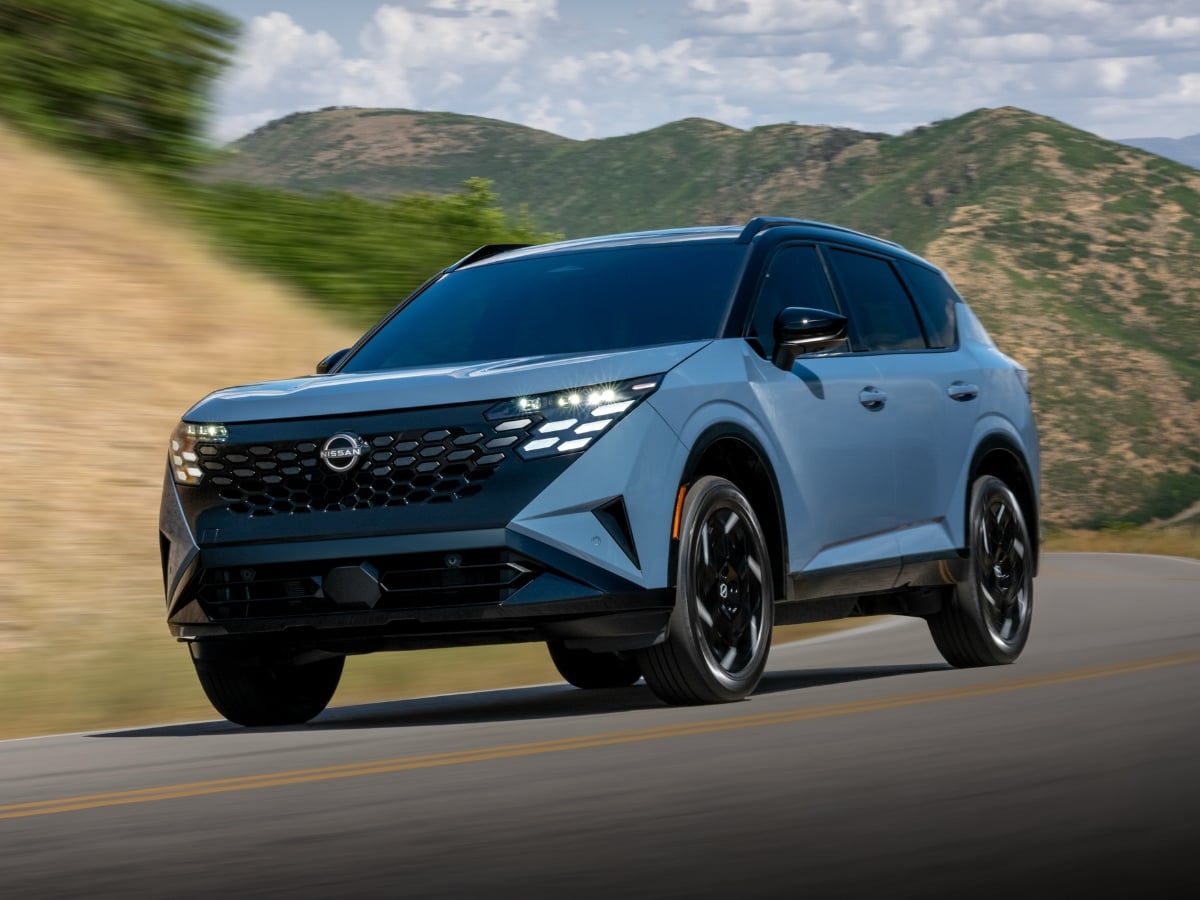
Nissan is about to introduce an innovative new SUV. The 2027 Nissan Rogue Hybrid has a gasoline engine, but it does not power the wheels. Instead, electric motors at each axle provide propulsion, ...See More
Read the Full Article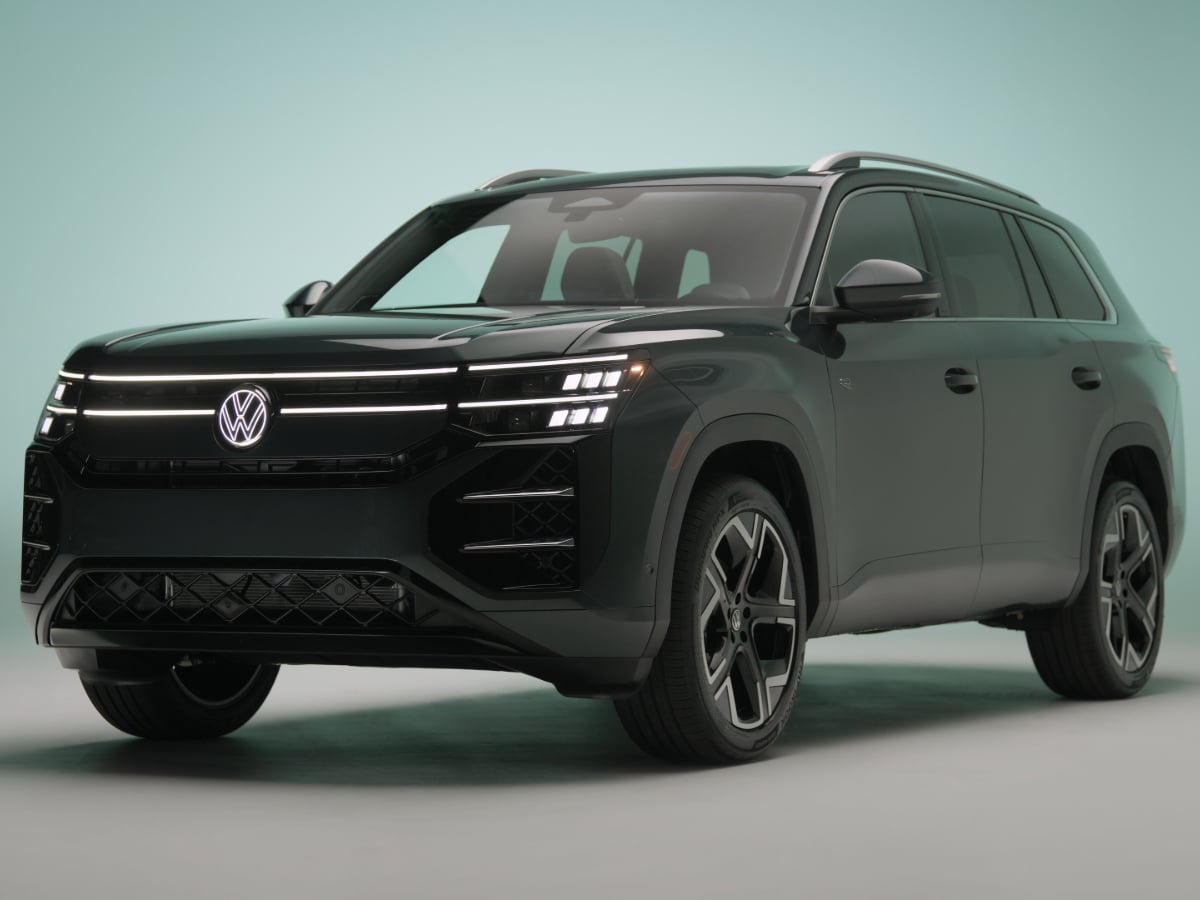
Adding European flair to the otherwise vanilla midsize three-row family SUV market, the redesigned 2027 Volkswagen Atlas debuts with a sharper exterior, an upgraded cabin, more power, and new ...See More
Read the Full Article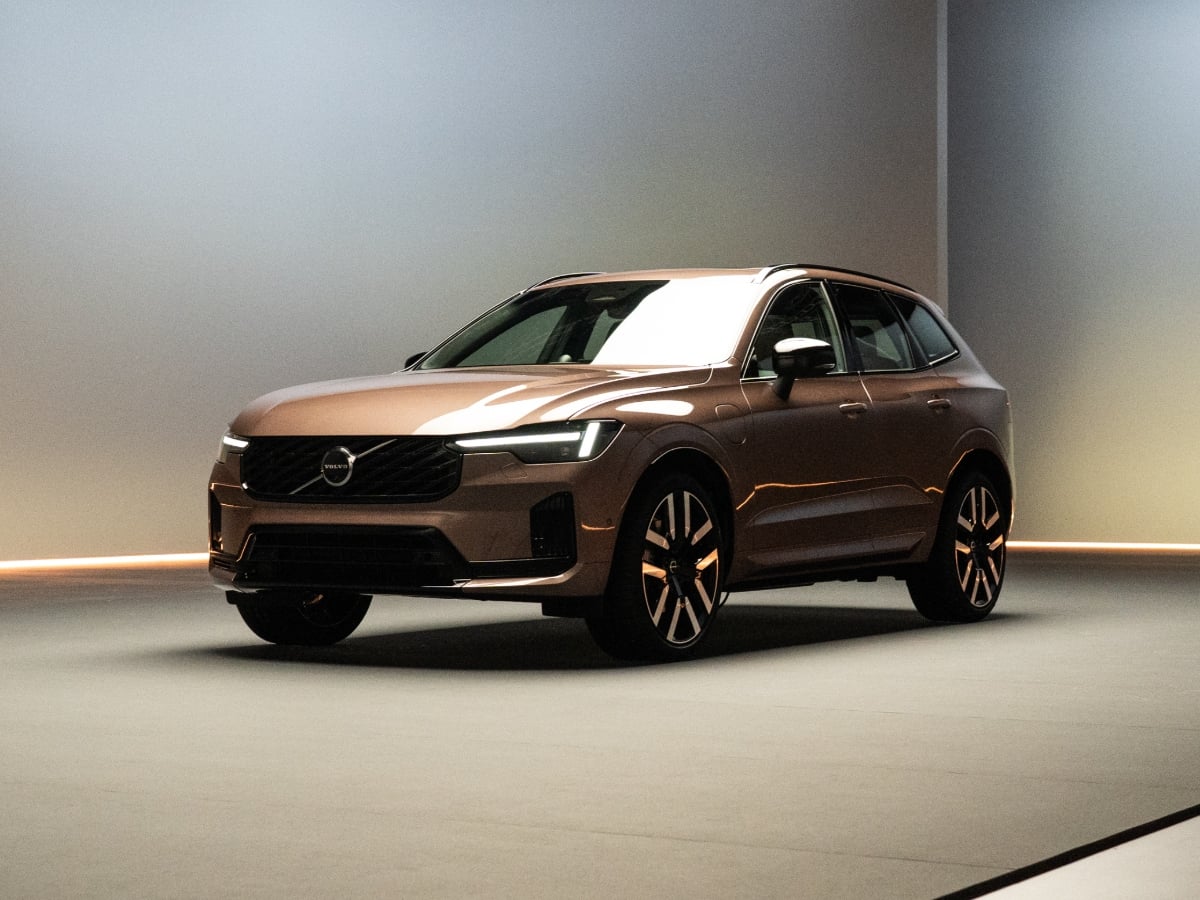
Though the styling stays largely the same, a massive boost in electric range for the plug-in hybrid (PHEV), plus a refined design, helps the 2028 Volvo XC60 stay current and desirable.
Read the Full Article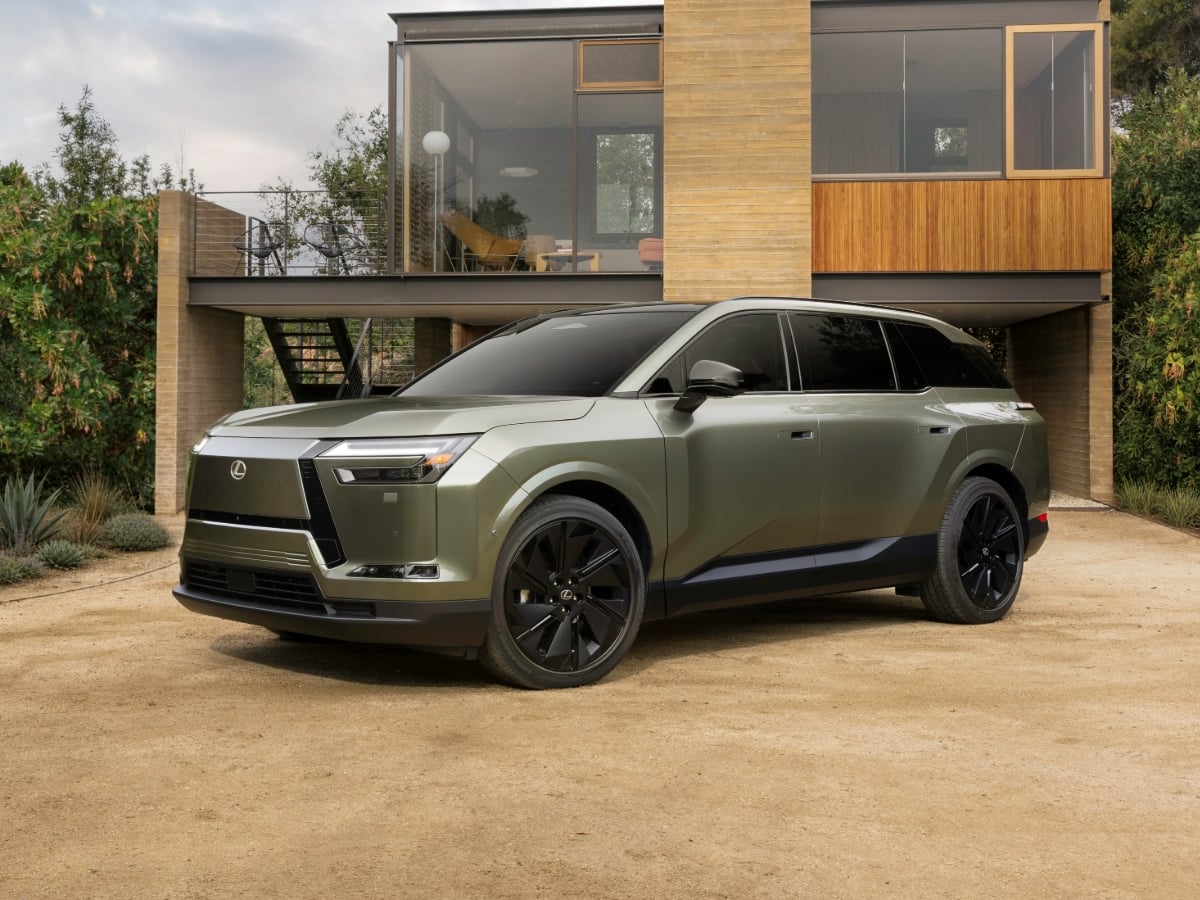
With the 2027 Lexus TZ, Toyota Motor’s luxury division introduces its first three-row all-electric SUV, featuring a lounge-inspired interior, an enhanced all-wheel drive (AWD) system, and up to 300 ...See More
Read the Full Article