
Racing cars have such vivid livery advertisements on display that they excite the crowd decades after the contract for racers ends. Other teams put their spin on the logos and other markings, but it doesn’t mean the overall aesthetics become boring.

Gulf liveries are very pleasing to the eye, but you may wonder how this racing tradition began.
The concept of “racing livery” originated in motorsport with the advent of color television. Cars needed to be as bright as possible to look good on the TV screen, as well as from the stands and in the rearview mirrors.
In the early days of motorsport, race cars were painted exclusively in national colors. German cars were white, French were blue, and Italian were red, which is straightforward and a bit boring. But then advertising came into racing, and the world of motorsport ceased to be predictable and monotonous.
Unlike Formula 1, where all the cars of a single team are painted the same throughout the season and only occasionally get special liveries, in stock car racing, each car of one group has its own livery. From race to race, the coloring of a particular vehicle may change depending on sponsors' wishes. So, in addition to maintenance, the team has to change the coloring of the cars for their drivers.
Gulf Oil is a North American oil company. It was one of the largest oil monopolies from the 1900s to the 1980s and belonged to one of the seven largest oil companies in the United States, called the Seven Sisters. Gulf Oil was one of the main assets of the famous Mellon dynasty.
The once-famous American oil company's relationship with auto racing began when Gulf Oil vice president Grady Davis struck up a friendship with John Weier, the race team's engineer and manager. Many call the following nine years the most successful collaboration in motorsports history. The livery and the Gulf emblem would become synonymous with endurance racing of the 1960s and 70s. However, despite the many victories of the Gulf Porsche 917, these colors did not conquer the main summit, the 24 Hours of Le Mans.
The Gulf livery is a blue colorway alongside an orange stripe. The colors first appeared at the 24 Heures du Mans, an endurance car race held annually since 1923 near Le Mans in France on the Circuit de la Sarthe.
A couple of Mirage-Ford M1s of the JW Automotive team had a Gulf livery. Team John Wire won the marathon in 1968 and 1969 with a Ford GT40.
These colors became symbols of endurance racing in France after the 1971 film Le Mans with Steve McQueen, which included footage from the previous season's race. McQueen's character, racer Michael Delaney, is shown in the movie as a JWA Gulf Porsche 917K driver.
McLaren and Gulf Oil are linked by a longstanding relationship. In 1968, the American oil company became a sponsor of the British in the Can-Am, Indycar and Formula 1. The partnership, which lasted until 1974, is well-known for a series of high-profile victories: for the period from 1968 to 1972, racing "McLaren" in the livery of the Gulf won 35 races Can-Am and became the winner of the Grand Prix of Formula 1 seven times.
The Gulf livery reappeared on McLaren between 1995 and 1997; several F1 GTRs had it, one of which won the Global GT Championship.
The Gulf livery became one of the most recognizable and admired motorsport liveries of all time. There were several revivals of the evocative retro coloring. It reflects a deep-rooted and successful racing connection between McLaren and Gulf.
For example, in July 2020, the British company resumed their cooperation with the oil brand. As part of the new agreement, McLaren Special Operations (MSO) customers were able to order cars in the orange-and-blue coloring with the logos of Gulf.
The first such car was the Elva Speedster, equipped with a V8 4.0 biturbo engine with 815 horsepower and 800 Nm torque. It was presented at the Goodwood SpeedWeek.
The roadster will join a collection of previously presented special versions of Elva. One of them has the colors of the race prototype M6A, which rode in a series of Can-Am five years in a row and became the first “orange McLaren”; the other was decorated with the black-and-silver livery of the vintage M1A.
To sum it up, the Gulf livery is an iconic color scheme for race cars, which combines orange and blue to great effect. It first appeared at the French endurance car race 24 Heures du Mans. The design is a collaboration between McLaren Racing and its strategic partner, Gulf Oil International.


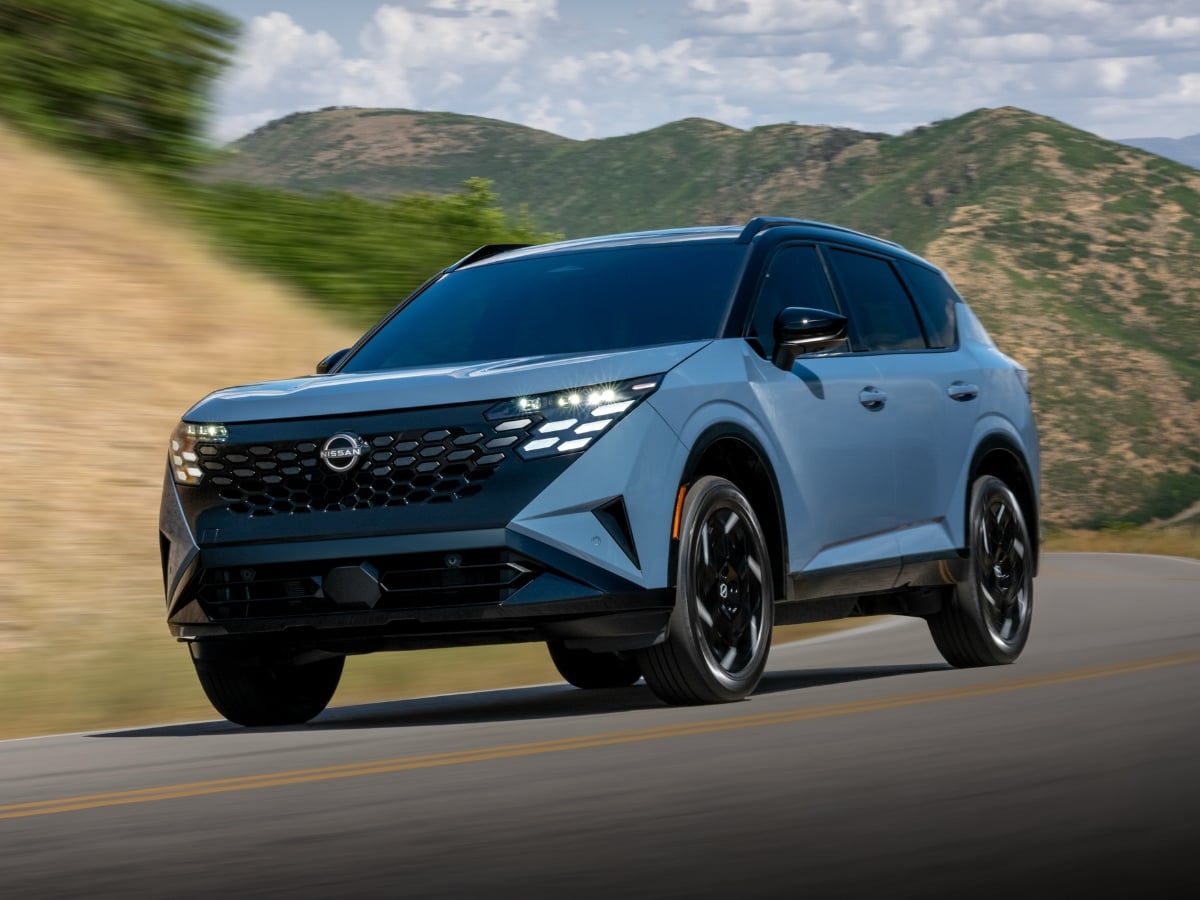
Nissan is about to introduce an innovative new SUV. The 2027 Nissan Rogue Hybrid has a gasoline engine, but it does not power the wheels. Instead, electric motors at each axle provide propulsion, ...See More
Read the Full Article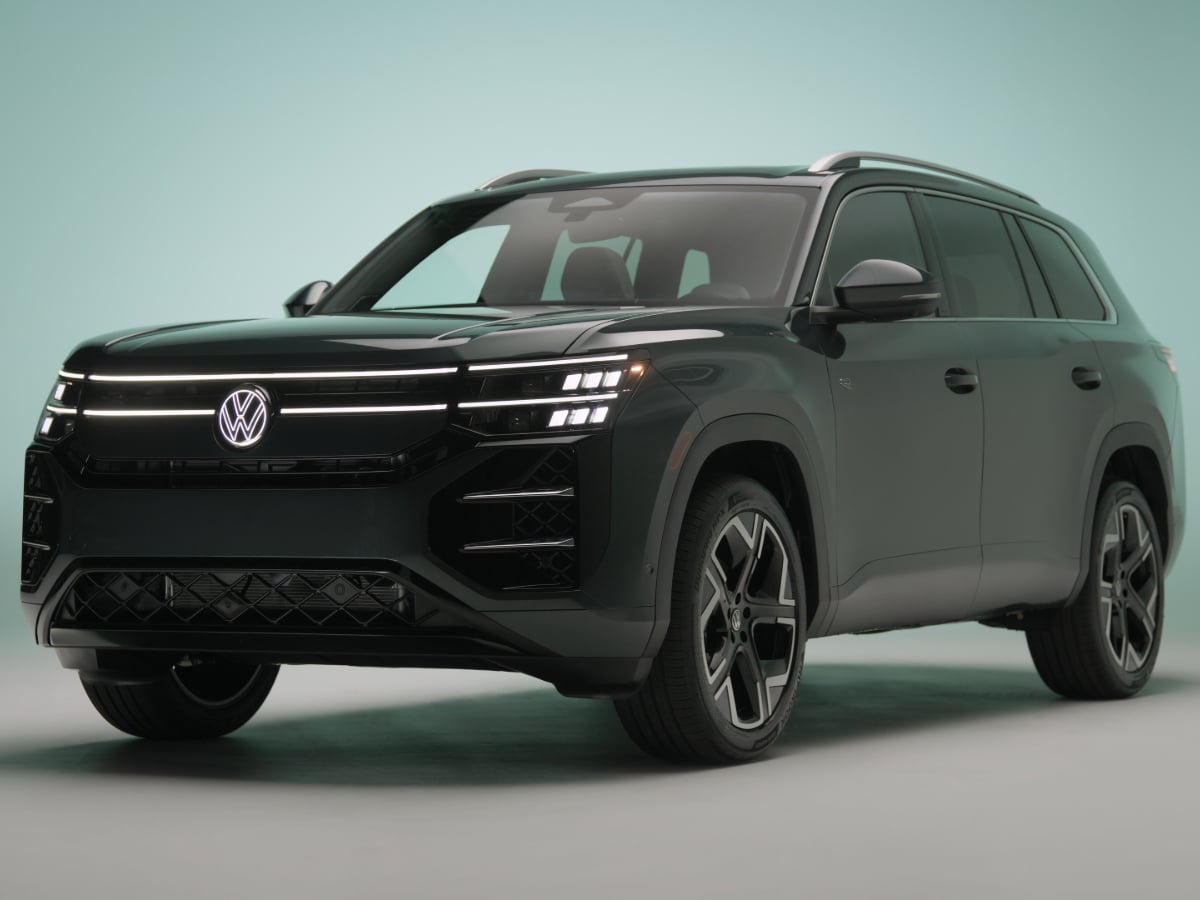
Adding European flair to the otherwise vanilla midsize three-row family SUV market, the redesigned 2027 Volkswagen Atlas debuts with a sharper exterior, an upgraded cabin, more power, and new ...See More
Read the Full Article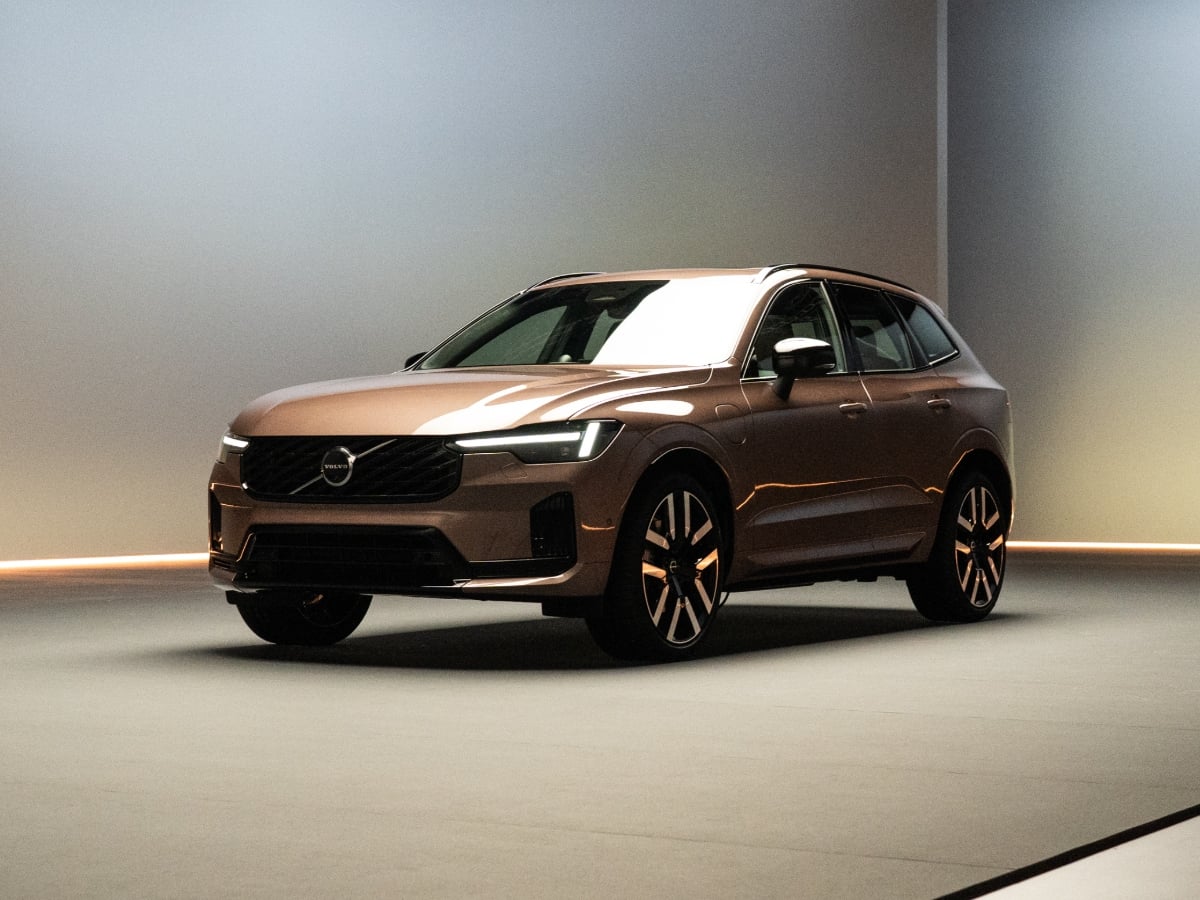
Though the styling stays largely the same, a massive boost in electric range for the plug-in hybrid (PHEV), plus a refined design, helps the 2028 Volvo XC60 stay current and desirable.
Read the Full Article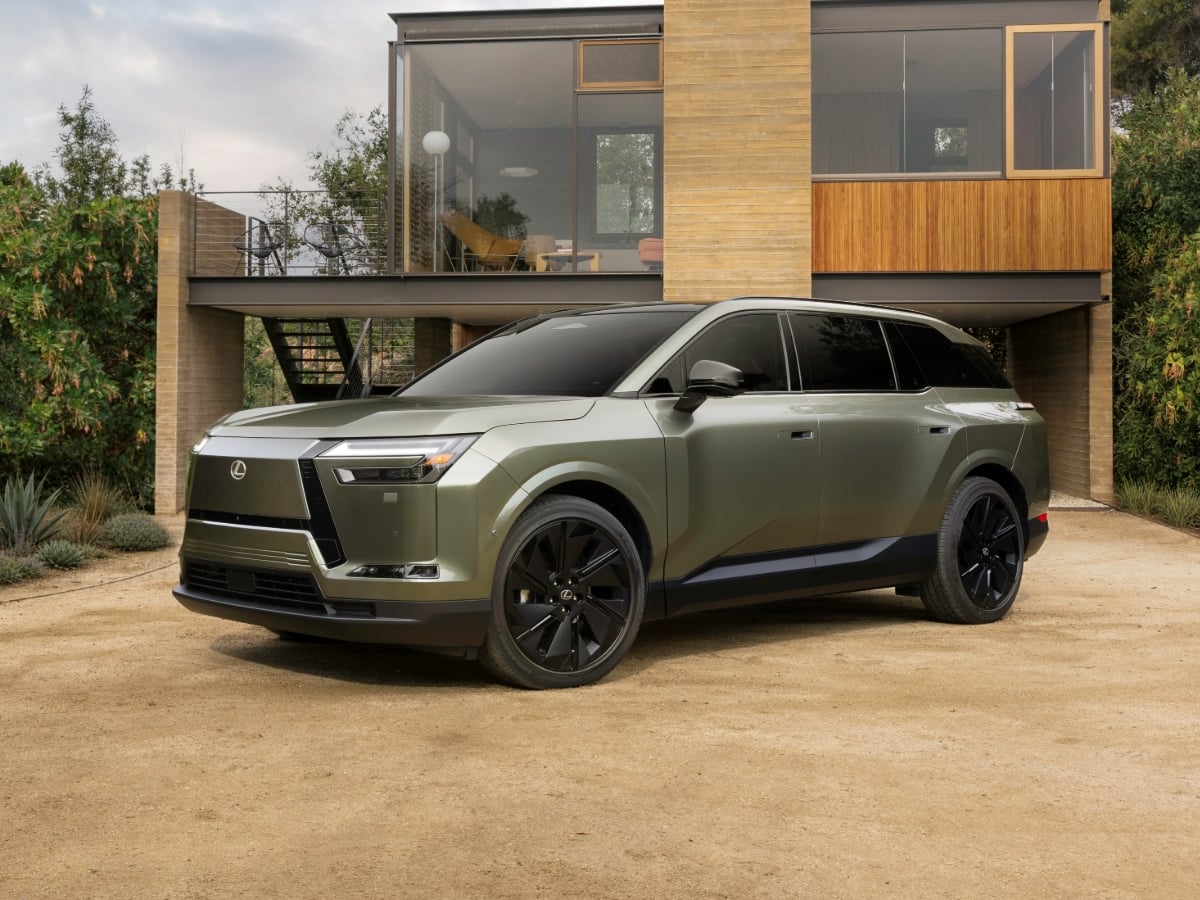
With the 2027 Lexus TZ, Toyota Motor’s luxury division introduces its first three-row all-electric SUV, featuring a lounge-inspired interior, an enhanced all-wheel drive (AWD) system, and up to 300 ...See More
Read the Full Article