
A vehicle's suspension is the system of shocks, springs, and linkages underneath the car body that connects the chassis to the wheels. Its purpose is to support the vehicle's weight and control its ride quality, handling abilities, and overall dynamics while in motion.

But what is a control arm on a car? The control arms are one of the core components of a suspension system and serve as the direct connection points between the front wheel assemblies and the vehicle's frame. The control arms allow a driver to steer a car while also guiding the wheels up and down with the road surface. Although they are simplistic in appearance, control arms have a vital role in a vehicle's overall stability and drivability.
Found on virtually all road-going suspension systems, control arms are located at the front axle at each of the two front wheels. They are comprised of either stamped steel, cast iron, or cast aluminum as their primary material. Steel and iron control arms deliver strength, sturdiness, and the ability to resist damage. Cast aluminum control arms are intended for lighter weight applications.
Control arms are typically A-shaped, L-shaped, or wishbone-shaped, but designs differ from vehicle-to-vehicle based on suspension geometry. These components have connection points at each end for attaching a wheel's steering knuckle to the vehicle frame.
At the frame or body, the control arm connects to a hinge by bolts and bushings. These bushings guard against metal-on-metal contact when the arm is moving up and down with the wheels. The bushings also reduce overall noise, vibration, and harshness (NVH) while making the vehicle's ride quality softer and more comfortable.
At the steering knuckle end, the control arm connects via ball joint to allow smooth wheel movement in all directions. The ball joint allows the steering knuckle to pivot and gives the wheels the ability to turn while the vehicle is in motion.
Many vehicles have an upper and a lower control arm for each front wheel, connecting to the highest and lowest steering knuckle points. This architecture makes for a more substantial assembly, ensuring balanced wheel control and stability.
However, there are exceptions to having a conventional upper/lower control arm layout. Vehicles with MacPherson-type suspension systems will only have a lower control arm, and a strut will replace the upper arm. Some cars with independent rear suspensions may have control arms at the rear wheels, but this is not a typical setup.
A control arm's purpose is straightforward. It connects the steering knuckle to the frame and stabilizes the vehicle by allowing the chassis and the wheels to move in unison while the vehicle is in motion. Ultimately, control arms help achieve coordination between the suspension and steering systems, dampening the ride and giving the driver the ability to maneuver the vehicle.
The control arm's swiveling ball joint serves as the steering system's pivot point, allowing the vehicle to be turned in either direction while moving forward or backward. The hinge joint on the control arms' frame side keeps the wheels in contact with the ground, whether traveling over smooth pavement or treading over bumps and potholes on the road. Both sides of the control arm work together to grant the movement necessary for a vehicle to safely and adequately operate on roads.
The control arm is engineered to take on a great deal of stress and impact, but it is ultimately a wear-and-tear component with a limited lifespan. Much of this wear is dependent on the type of driving that occurs over the life of a vehicle. Vehicles regularly driven in a harsh manner or on unpaved surfaces will have a more rapid decline in control arm function, which could negatively impact handling, comfort, and safety.
There are three primary types of damage to a control arm: frame damage, bushing damage, and ball joint damage. Frame damage can result from rust, extreme flexing, or breakage from a forceful impact or collision. Bushing damage generally occurs over time due to wear and tear. Ball joint damage is susceptible to wear and tear or even cracking due to moving parts that are always in contact.
A damaged or improperly functioning control arm will exhibit various symptoms, including vehicle vibration, a wandering steering wheel, misalignment, wobbly wheels, unusual grinding noises, fluctuations in braking, and uneven tire tread wear. If one or more of these issues are occurring, control arm replacement may be necessary. A mechanic will be able to make that determination.
Control arms are not the most complicated or interesting components on a vehicle, but they are critical to its proper operation. They are engineered to manage steering inputs from the driver and fluctuations from the road surface. This functionality makes them vital to a vehicle's ride, handling, and drivability.


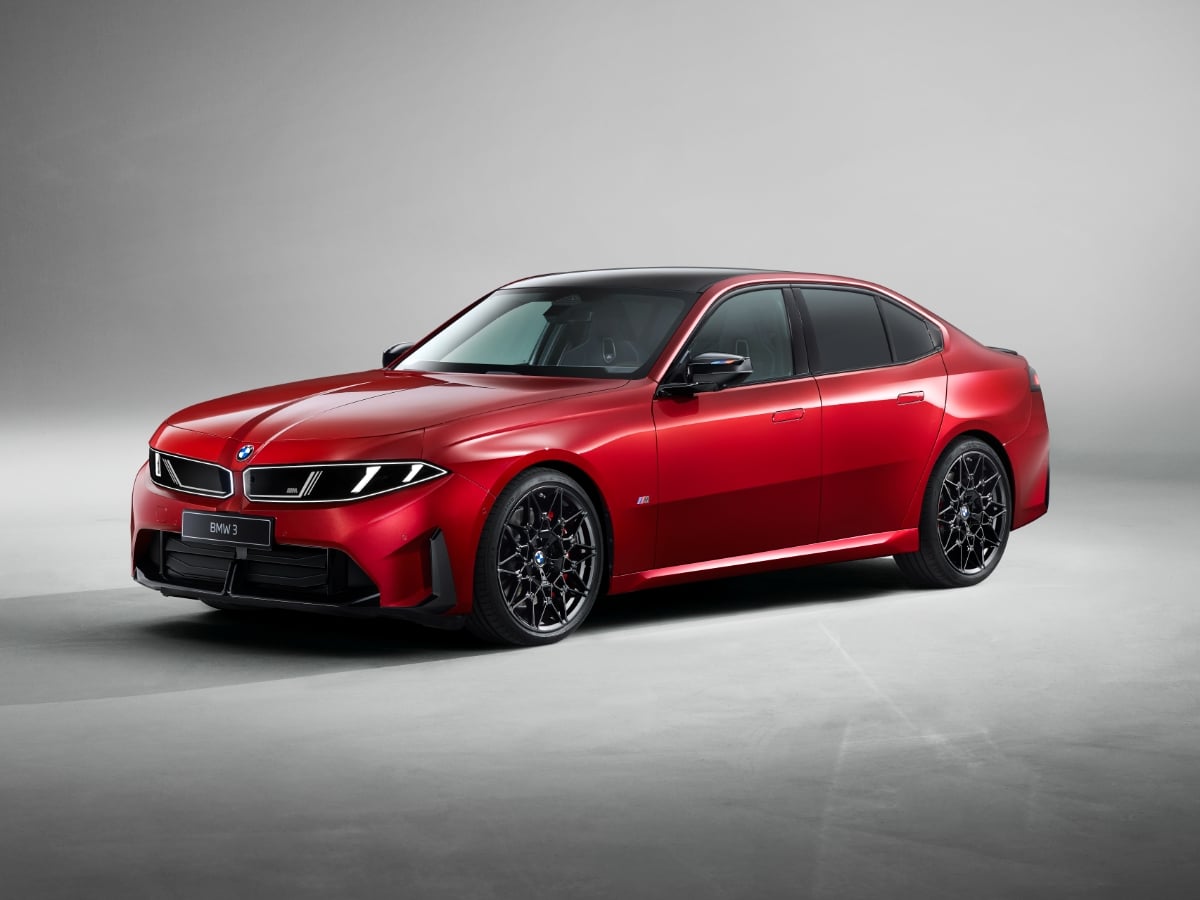
Part of BMW’s Neue Klasse (new class) rollout of redesigned models, the 2027 BMW 3 Series is all-new and goes on sale in the first quarter of 2027.
Read the Full Article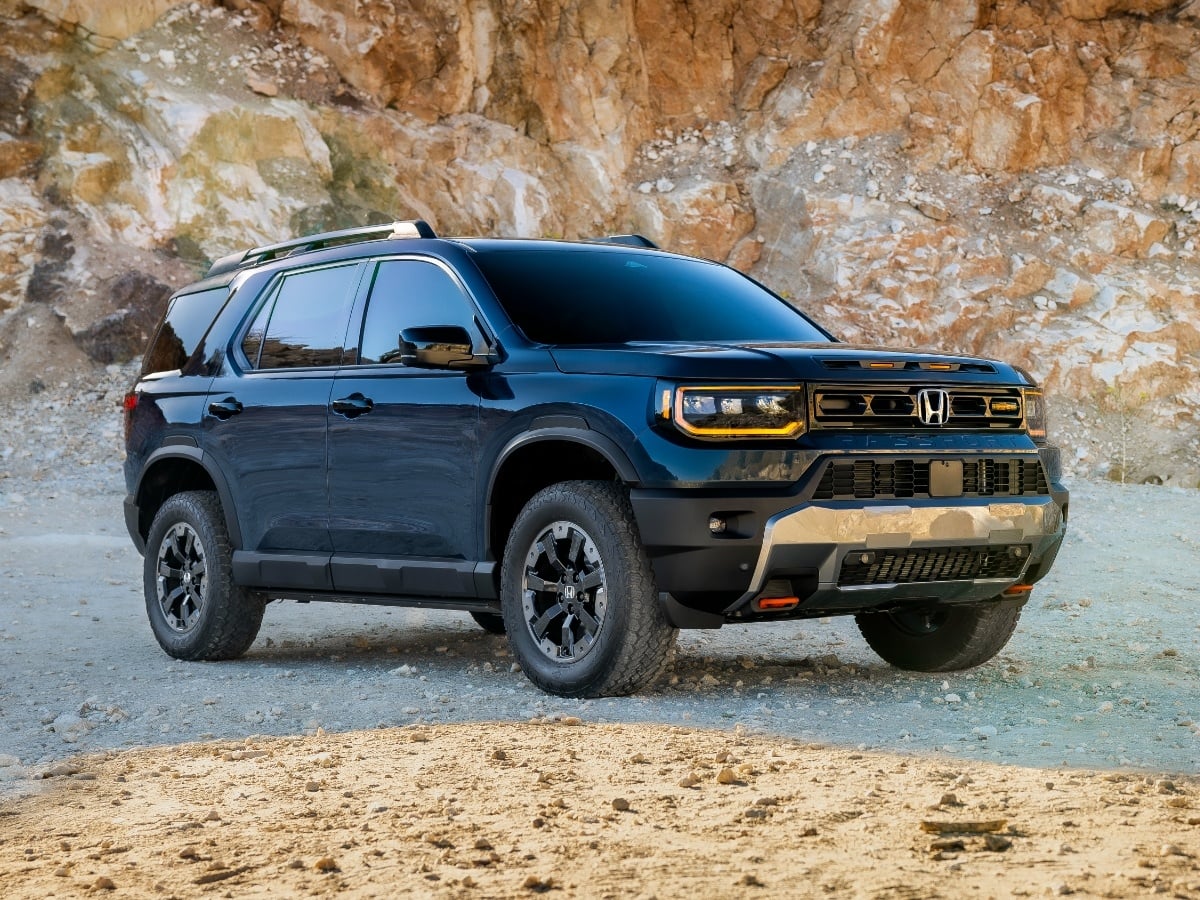
Updates to the 2027 Honda Passport TrailSport include a reworked suspension, improved steering, subtle styling enhancements, and added standard equipment.
Read the Full Article
The midsize 2027 Mercedes GLE remains available in original and spicy Coupe recipes, now with standard 4Matic all-wheel drive (AWD), MBUX Superscreen technology, and a panoramic glass sunroof for ...See More
Read the Full Article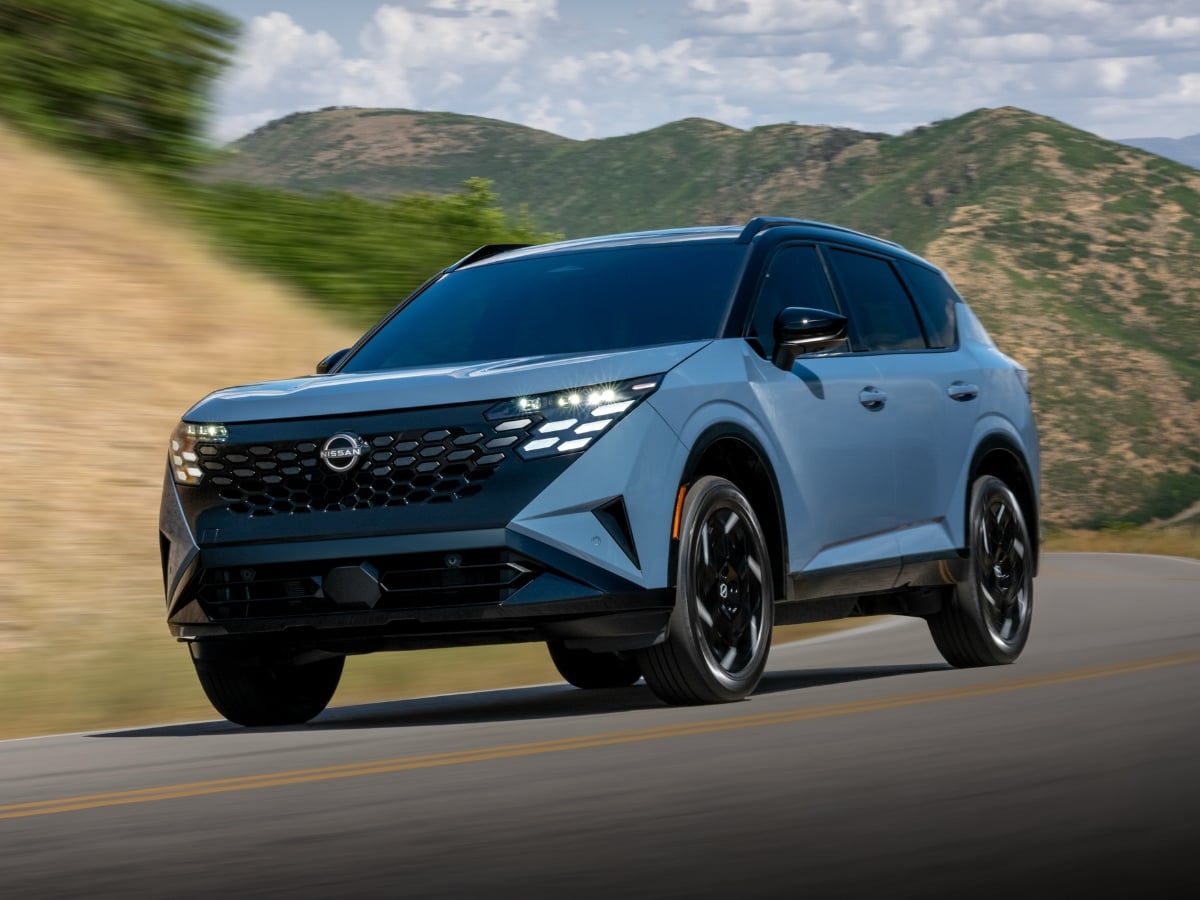
Nissan is about to introduce an innovative new SUV. The 2027 Nissan Rogue Hybrid has a gasoline engine, but it does not power the wheels. Instead, electric motors at each axle provide propulsion, ...See More
Read the Full Article