
Most standard trucks are configured as RWD, or 4×2, in which a driveshaft delivers torque to the rear wheels. The torque that is produced from the engine block gets delivered to the rear wheels to turn them. There is a likelihood of the truck having a limited-slip differential that controls power distribution between the left and right tires. However, only the front wheels do the steering.

So what exactly is a 4x2 truck? Are you curious to know if purchasing a 4×2 truck is the right decision? Let’s discuss what it is and some of the pros and cons of owning one of these types of vehicles.
The term “4×2” in a truck implies that there are a total of four wheels, but only two of them are driven. The driven wheels can be the front or back wheels, though it is most often the wheels in the back.
Simply put, A 4×2 or 2WD is a truck that is a two-wheel-drive vehicle with a total of four wheels. It transfers torque directly to the rear wheel axle, whereas a 4×4 truck transfers torque to all of the vehicle’s four wheels.
Aside from trucks, a 4×2 drivetrain is a bit more common than a 4×4 and is found on virtually all cars and SUVs. The power comes through the drivetrain from the vehicle's engine.
The following process is a basic rundown on how a truck's engine functions:
One of the primary advantages of a 4×2 truck is most often related to weight. A four-wheel drivetrain has additional components designed to transfer torque to all four wheels. These components make a 4x4 truck heavier than it’s 4x2 contemporary.
Here are some of the pros of a 4×2 truck.
The downside of 4×2 trucks is less prevalent to those who live in warmer climates - locations with no ice or snow. However, for those who enjoy going off-roading or reside in icy or snowy areas, a 4×2 truck will likely fall short of their demands. Here are some of the negatives of a 4×2 truck:
If you reside in an area with favorable climate conditions, or perhaps you tend to drive on flat terrain mostly, then a 4×2 truck may be an excellent fit for your needs. They are often inexpensive to purchase & maintain and offer superior payload and towing capacity.
Those are just some of the reasons why utility companies and contractors often prefer them. However, if you live in an area with more hostile weather or terrain, you may want to consider a 4x4 as a viable alternative.


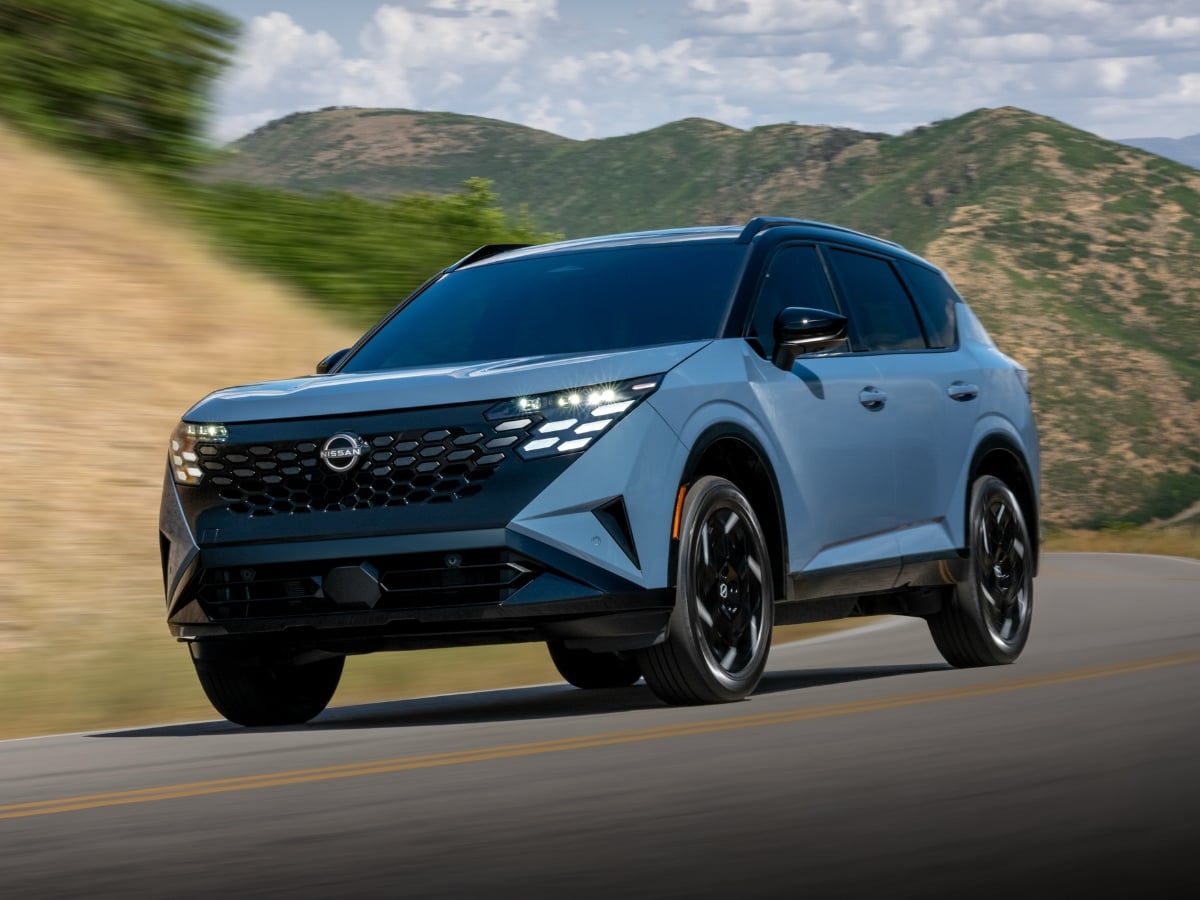
Nissan is about to introduce an innovative new SUV. The 2027 Nissan Rogue Hybrid has a gasoline engine, but it does not power the wheels. Instead, electric motors at each axle provide propulsion, ...See More
Read the Full Article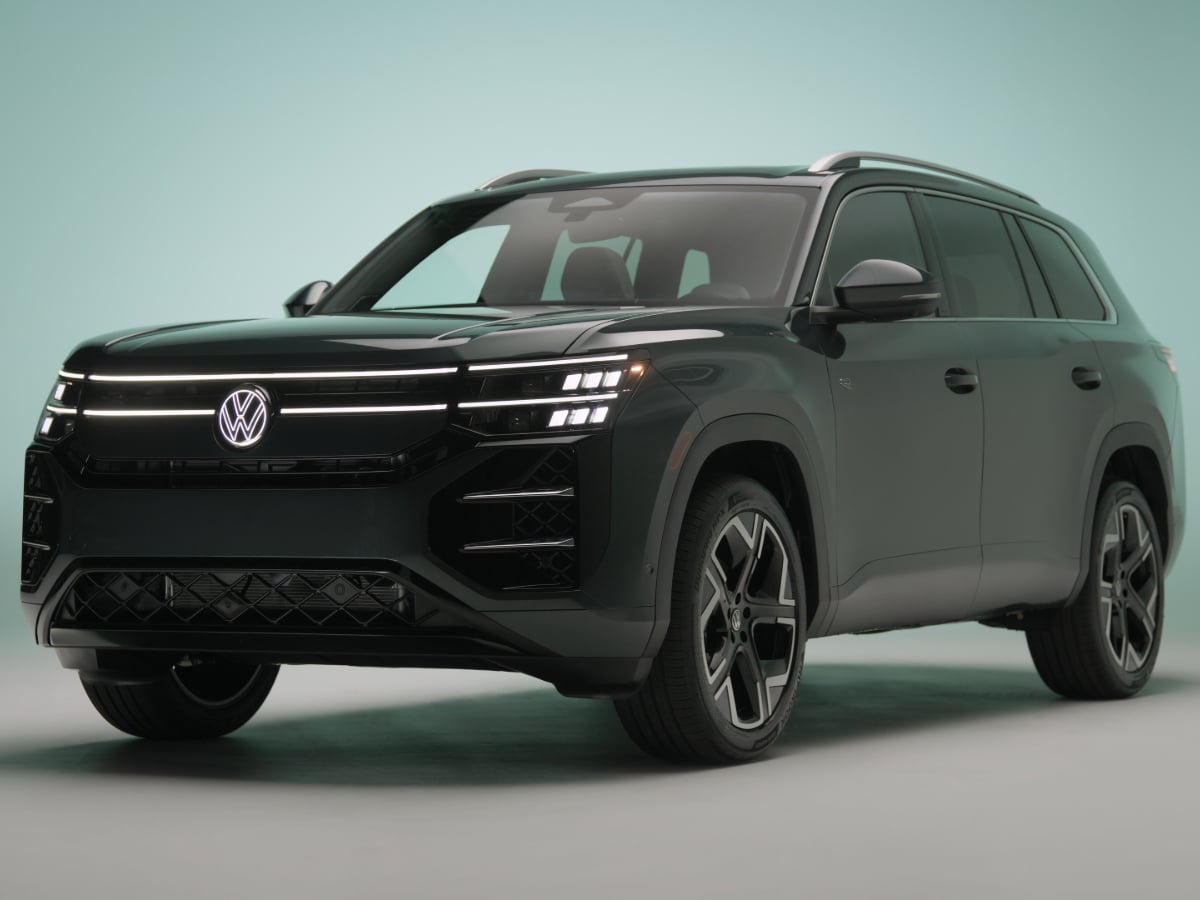
Adding European flair to the otherwise vanilla midsize three-row family SUV market, the redesigned 2027 Volkswagen Atlas debuts with a sharper exterior, an upgraded cabin, more power, and new ...See More
Read the Full Article
Though the styling stays largely the same, a massive boost in electric range for the plug-in hybrid (PHEV), plus a refined design, helps the 2028 Volvo XC60 stay current and desirable.
Read the Full Article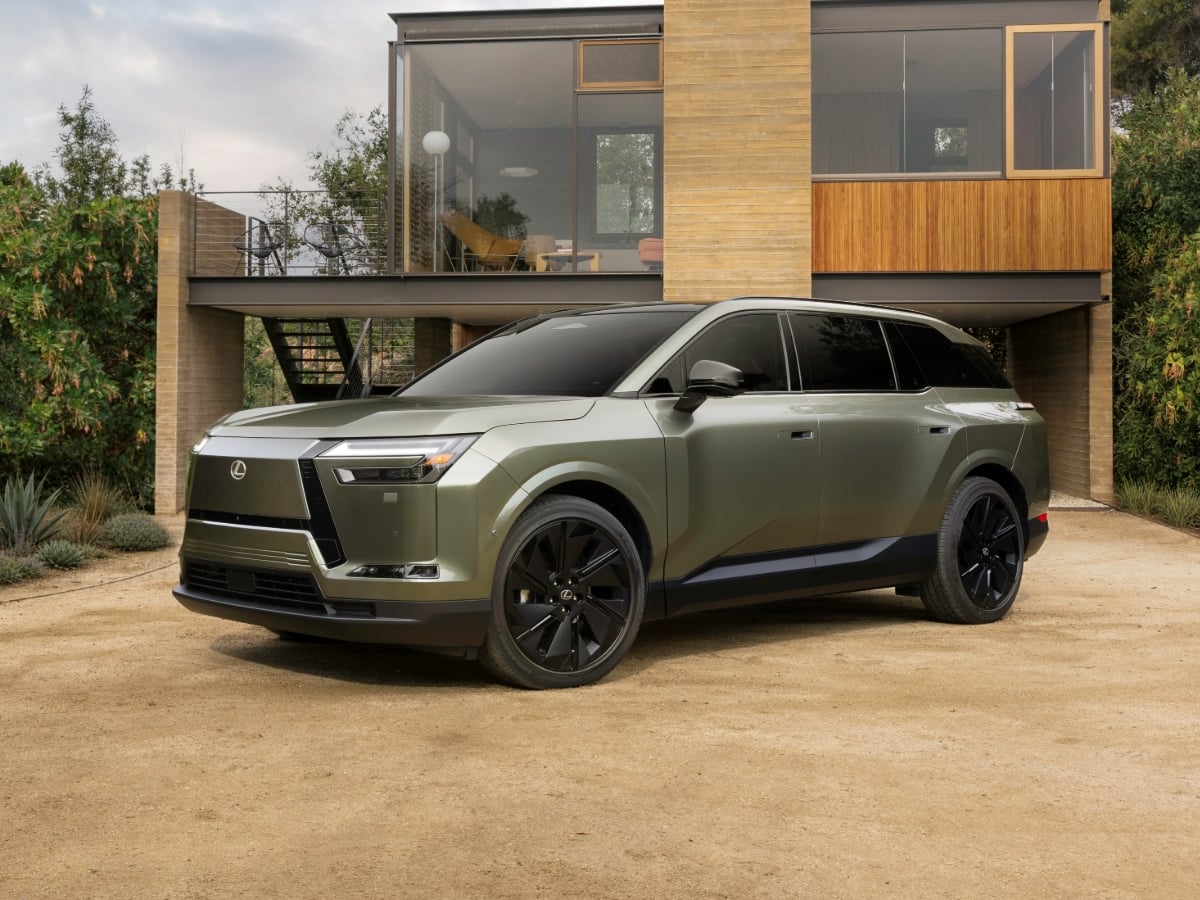
With the 2027 Lexus TZ, Toyota Motor’s luxury division introduces its first three-row all-electric SUV, featuring a lounge-inspired interior, an enhanced all-wheel drive (AWD) system, and up to 300 ...See More
Read the Full Article