
Automatic transmission cars have the Overdrive (O/D) function which allows a driver to drive faster on the road. The o/d is the highest gear in an automatic transmission. The overdrive function reduces the engine’s revolutions per minute (RPM) down to a certain speed to aid in acceleration and make the vehicle more fuel-efficient.
Many people often mistake the o/d off state when the light is off, but the opposite is when its indicator light is on. Let’s find out the difference between when the overdrive function light is on or not and its meaning.
The o/d signifies the top gear or gears in a car’s transmission. The o/d off button allows you to prevent an automatic message from shifting into those top gears in certain situations, such as when driving through rough hills, going down steep terrain, and hauling a heavy load or trailer.
When the overdrive gets turned off, the car will not allow the transmission to operate in the highest gear but limits it to a lower gear to increase friction to ensure safety and save fuel.
Simply put, when the default o/d function is OFF (the indicator light is on the dashboard), all gears in the transmission are in use. Still, when the indicator light is off, this means your vehicle is setting the overdrive On state to allow you to accelerate over the limit again.
When turning the overdrive OFF, you need to control the transmission so as not to switch to the highest gear, but only up to the level with a 1:1 gear ratio to stop.
Before enabling or disabling overdrive, you should carefully identify the situations in which you might use it. This switch will stay open by default unless turned off.
As a result, the driver can achieve a reasonable speed both in high-speed driving and on normal roads. The efficient use of this function will help prolong the life of your car’s engine and put less strain on the powertrain.
Although the overdrive function gets used when driving in rough terrains, the overdrive should get turned off in such a situation. For instance, if you are driving up a hill or downhill or the road is bumpy, this feature has to get disabled.
The vehicle manufacturer will design an o/d off button or switch on the gear lever, and this indicator light should be observed. If the light does not come on, this function is active.
In other vehicles with this pre-designed button, your task is to simply press the off button. Meanwhile, with non-engineered cars, you need to manually select a lower gear to perform the turn-off overdrive operation.
Vehicles with automatic transmissions with manual gear shifts and those with paddle shifters can switch to a lower gear to disable the overdrive function.
If the overdrive indicator light flashes, the o/d function has to get disabled. Note that when the indicator light is on, the o/d is off, and when the light is off, this means the overdrive feature is on.
Some problems that include damaged control solenoid valves, automatic fluid leakage, or automatic fluid blockage during exchange can cause the overdrive indicator light to blink.
As a driver when there is no need to accelerate, the overdrive function should be turned off. Also, when driving up a hill or downhill, the overdrive function may lose its effectiveness.
When shifting to a lower gear, turn the overdrive feature off. Your car will then immediately shift gears, and this would give the driver better control of the engine brake and gear shifts more effectively.
The O/D off button allows you to prevent an automatic message from shifting into those top gears in certain situations, such as when driving through rough hills, going down steep terrain, and hauling a heavy load or trailer.
When the overdrive gets turned off, the car will not allow the transmission to operate in the highest gear but limits it to a lower gear to increase friction to ensure safety and save fuel.
Before enabling or disabling overdrive, you should carefully identify the situations in which you might use it. This switch will stay open by default unless turned off. Although the overdrive function gets used when driving in rough terrains, the overdrive should get turned off in such a situation.
If the overdrive indicator light flashes, the o/d function has to get disabled. Note that when the indicator light is on, the o/d is off, and when the light is off, this means the overdrive feature is on. When shifting to a lower gear, turn the overdrive feature off. Your car will then immediately shift gears, and this would give the driver better control of the engine brake and gear shift more effectively.


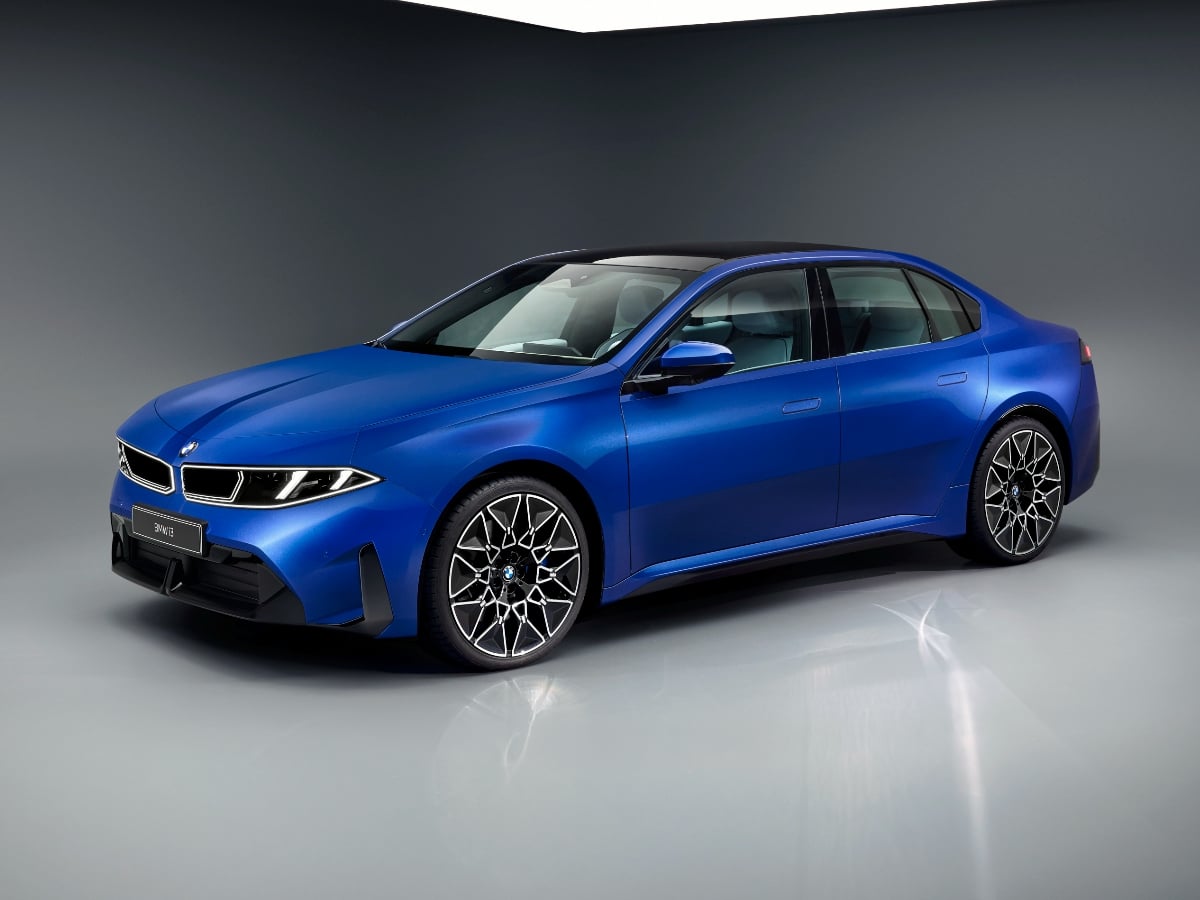
The new 2027 BMW i3 boasts an estimated range of up to 440 miles, 400-kilowatt DC fast charging capability, bidirectional charging to a home or the grid, and next-generation technology.
Read the Full Article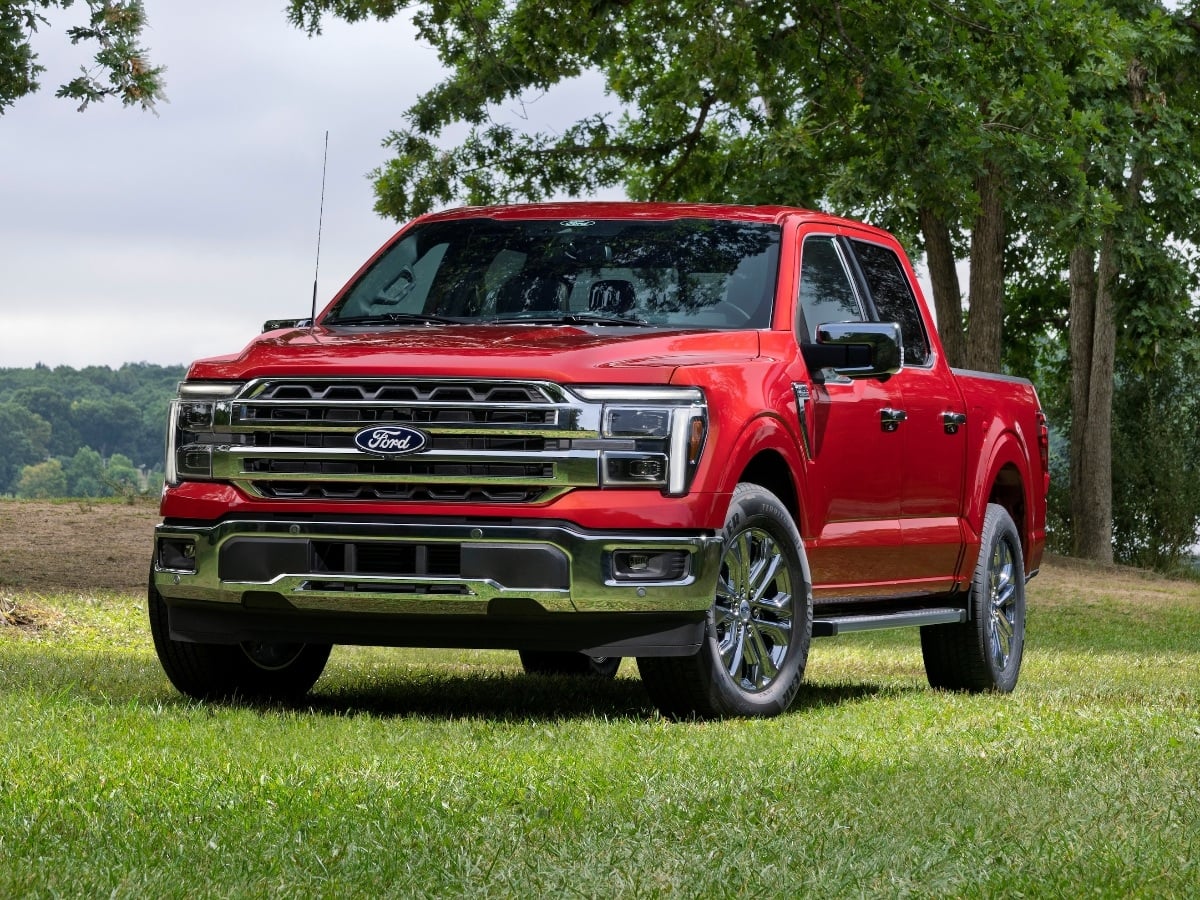
Facing renewed competition in the full-size, light duty pickup truck segment, the 2027 Ford F-150 receives subtle styling updates, a new standard engine, broader availability of its 5.0-liter V8, and ...See More
Read the Full Article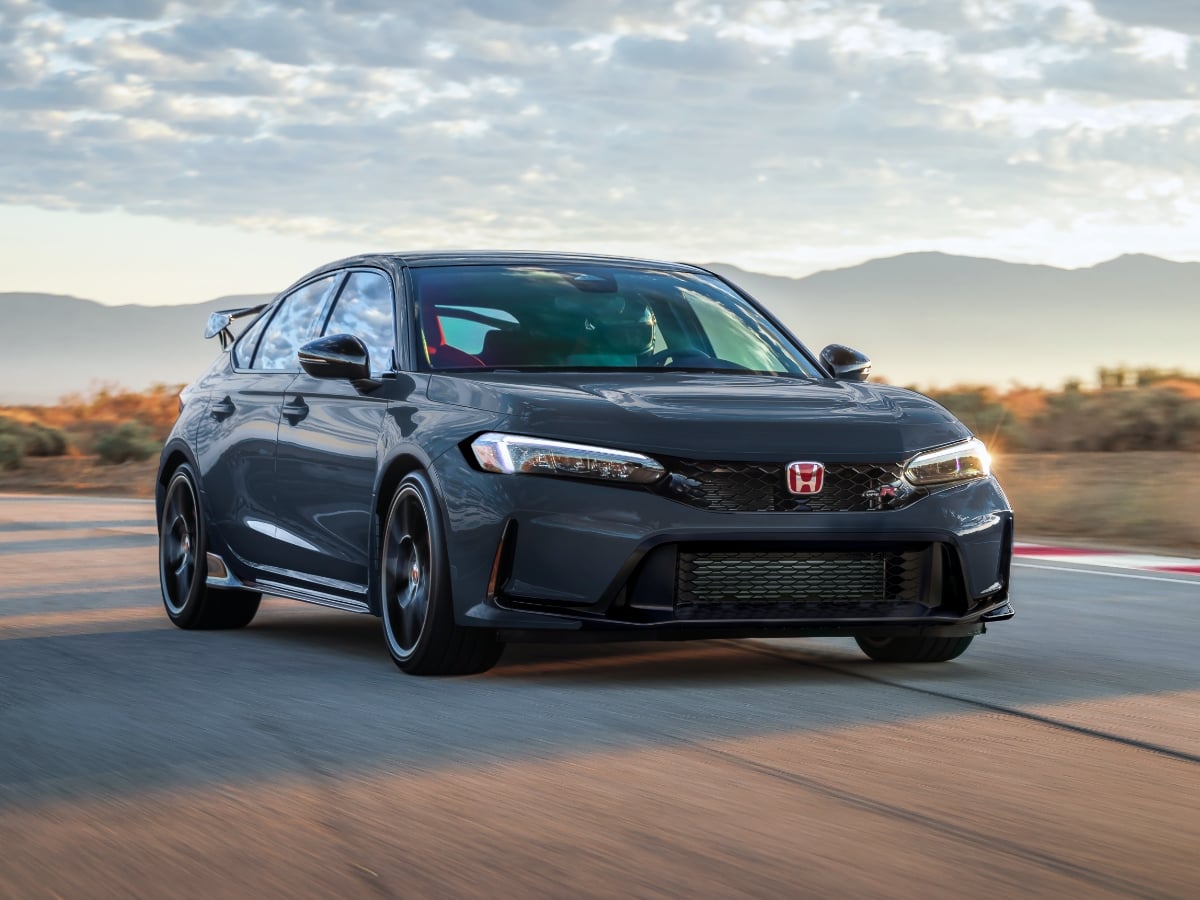
The 2027 Civic Type R goes on sale in October 2026, and it starts at $49,990, including the $1,295 destination charge.
Read the Full Article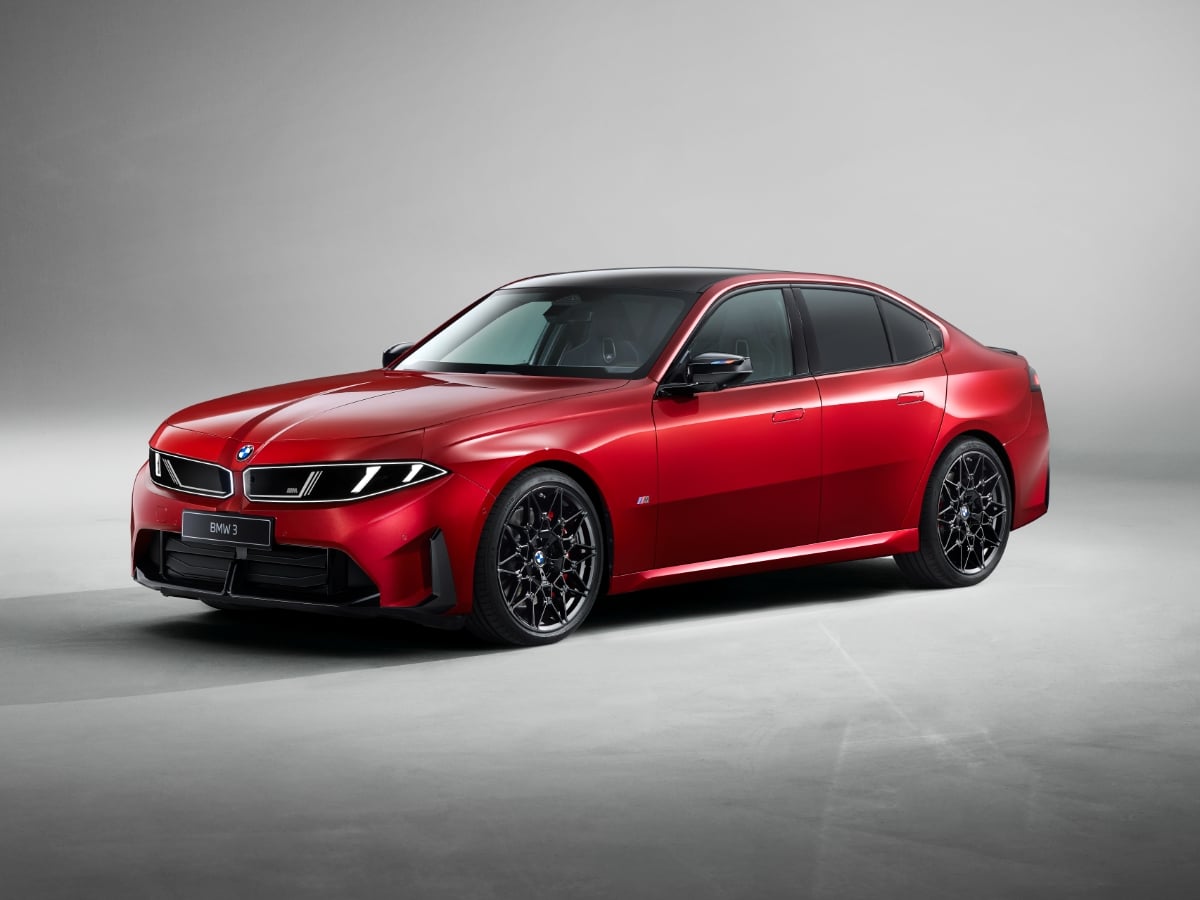
Part of BMW’s Neue Klasse (new class) rollout of redesigned models, the 2027 BMW 3 Series is all-new and goes on sale in the first quarter of 2027.
Read the Full Article