
The abbreviations DOHC, SOHC, and OHV usually refer to different types of car engines. A particular setup mostly depends on the type and age of your vehicle − be it a vintage car dating back to the 70s or 80s, a used pickup truck, or a modern sport-utility vehicle (SUV). Whatever the case, they are all equipped with a camshaft and valves.

A camshaft is part of a 4-stroke engine, consisting of intake, compression, combustion/power, and exhaust. It is a rotating cylindrical rod with several oblong lobes protruding from it. It allows air inside the cylinder to mix with fuel and combust, and then the exhaust valves for the resultant gases to escape.
The first two setups (DOHC and SOHC) are the most common nowadays, and there are numerous arguments as to which one is better. In contrast, the third one (OHV) is obsolete and is generally no longer applied in the automotive industry. We will compare the three types and review the differences between them.
A dual overhead camshaft is the most frequently used setup as of today. They are higher-performance engines with two camshafts operating four valves per cylinder.
There is one separate camshaft for intake and exhaust valves. Manufacturers position it above the valves for more accurate actuation. Camshafts can be installed further apart from each other, which means the engine will produce more horsepower out of smaller engine displacement and can run at higher speeds.
Moreover, this setup allows for using such technology as variable valve timing (VVT) − the process of altering the timing of a valve lift event. It helps to improve performance, fuel economy, or emissions. Due to increasingly strict emissions regulations, many automotive producers opt for DOHC.
Single Overhead Camshaft is the oldest configuration of overhead camshaft engines. It means that the vehicle has two or three valves per cylinder. In this case, one valve allows air to enter, and the other will enable gases to escape.
In SOHC, like in DOHC, the camshaft is positioned in the cylinder head above the valves for more accurate actuation.
One of the advantages of this configuration is the reduction of parts, which saves cost and complexity. Moreover, a SOHC engine will have better torque towards the low end than a DOHC engine. However, it is impossible to implement variable valve timing separately for intake and exhaust valves.
A less common setup is called OHV (Overhead Valve), or pushrod engines. In this case, the valves are located above the camshaft. This engine type is considered traditional but less efficient than DOHC and SOHC.
It is rarely adopted nowadays. However, in the past, it was widely employed by US manufacturers. At present, for the most part, OHV engines can be found in large trucks and SUVs. They are also common in the Chevrolet Corvette and Dodge Challenger SRT.
Due to the difficulty of precisely controlling valve timing at higher RPM, OHV is better suited for V8 or larger engines. The advantages include lower cost and higher torque at lower RPM. Another pro as compared to a SOHC engine is that OHV engines generally produce more torque at low speeds than the former.
DOHC, SOHC, and OHV are all types of engines. In DOHC and SOHC, the camshaft is located above the valves, whereas in OHV, it is on the contrary. So far, DOHC is considered the most efficient setup and is the most commonly used by manufacturers. However, there are specific cases in which other types may be more appropriate.
For example, OHV is better suited for larger engines as it produces more torque at low speeds. SOHC allows for more airflow than two valves per cylinder, as there is a larger open area for the air to enter the cylinder and gases to escape when the valves are open. You can find it in the TVS Apache RTR 200 4V.
Because of the higher mass of the valvetrain in comparison to SOHC, a DOHC configuration will produce lower amounts of torque initially with as many valves, but the top-end performance will be better.


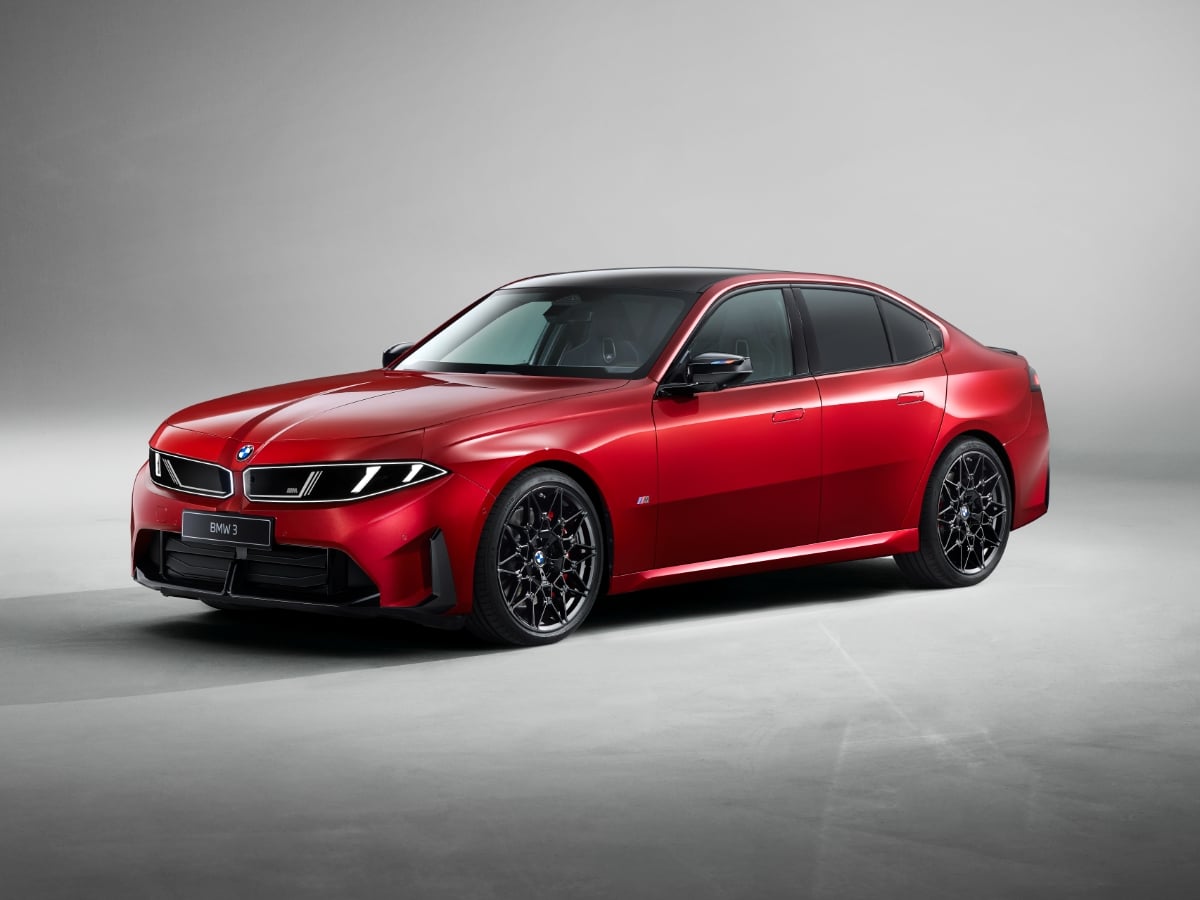
Part of BMW’s Neue Klasse (new class) rollout of redesigned models, the 2027 BMW 3 Series is all-new and goes on sale in the first quarter of 2027.
Read the Full Article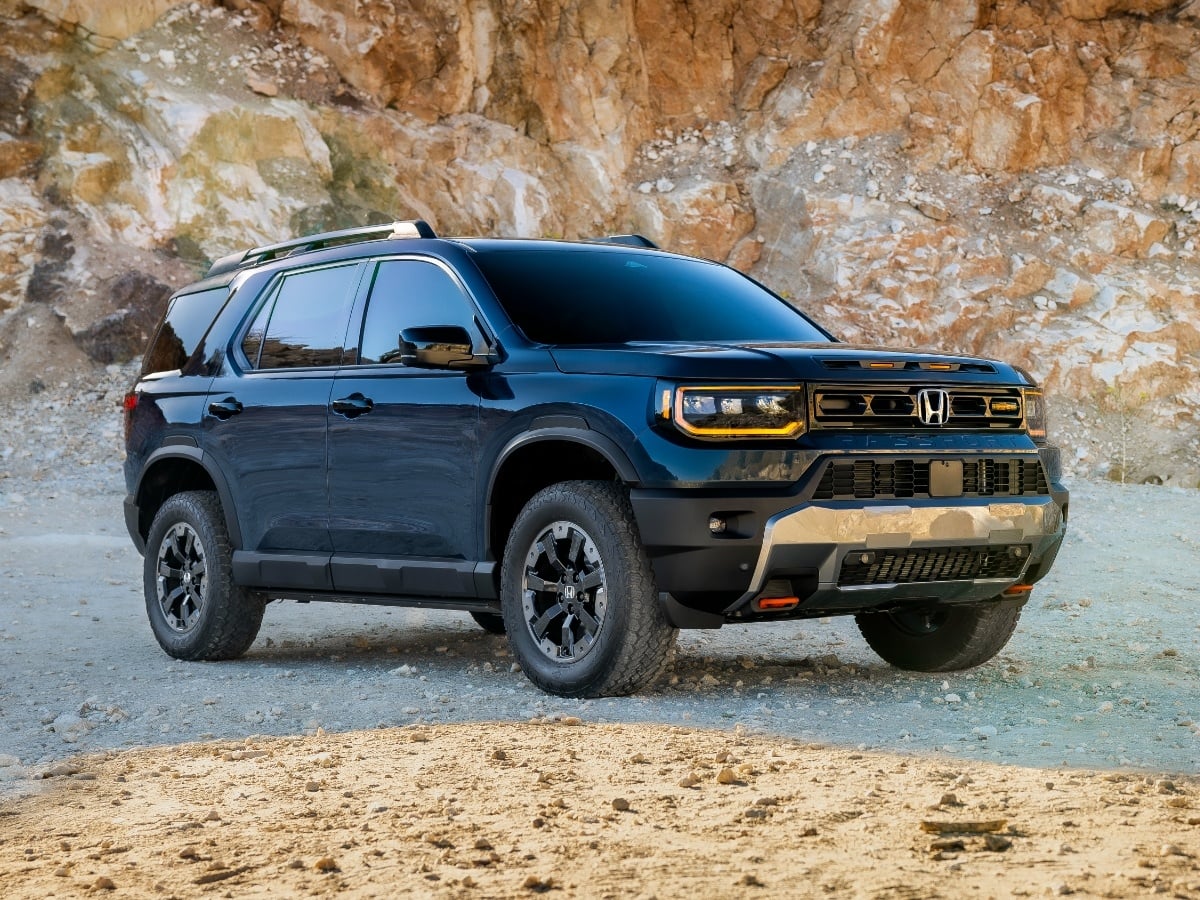
Updates to the 2027 Honda Passport TrailSport include a reworked suspension, improved steering, subtle styling enhancements, and added standard equipment.
Read the Full Article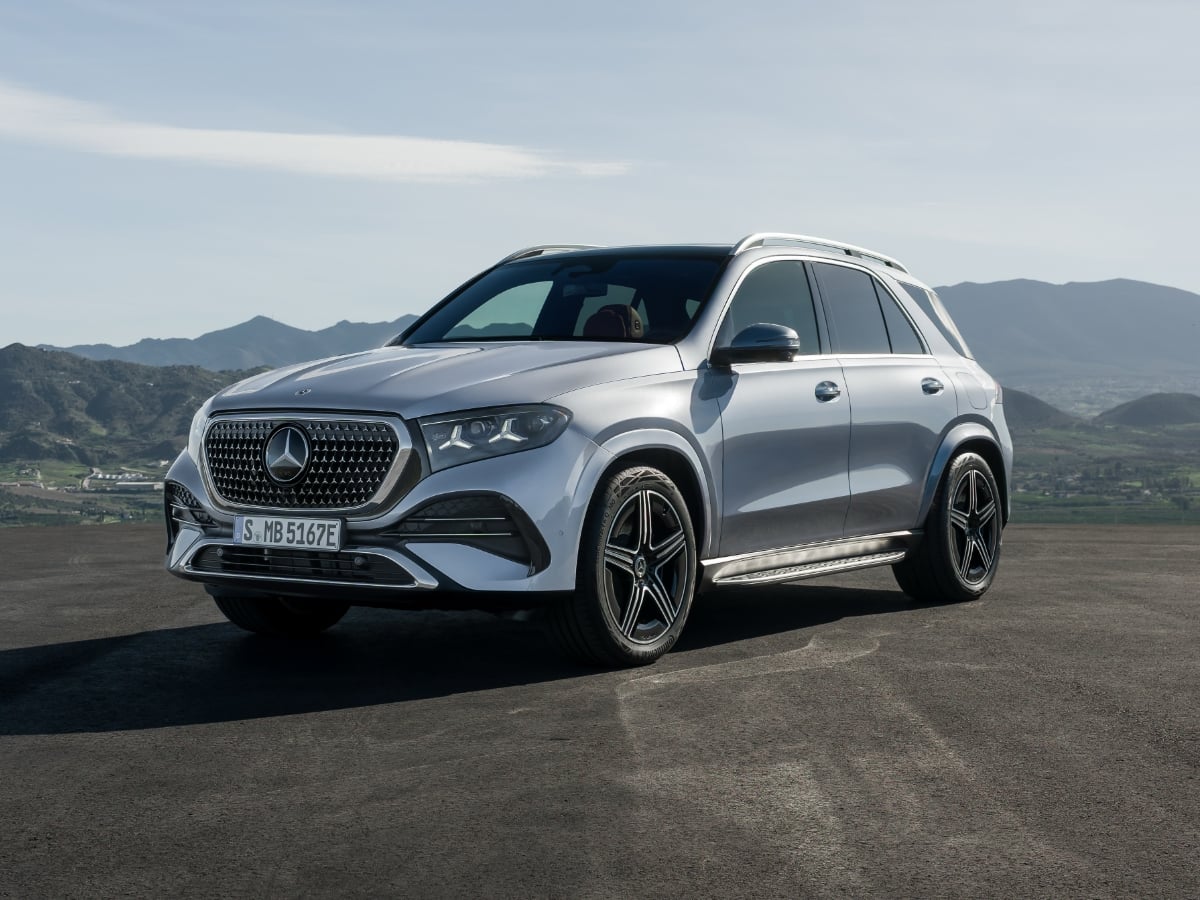
The midsize 2027 Mercedes GLE remains available in original and spicy Coupe recipes, now with standard 4Matic all-wheel drive (AWD), MBUX Superscreen technology, and a panoramic glass sunroof for ...See More
Read the Full Article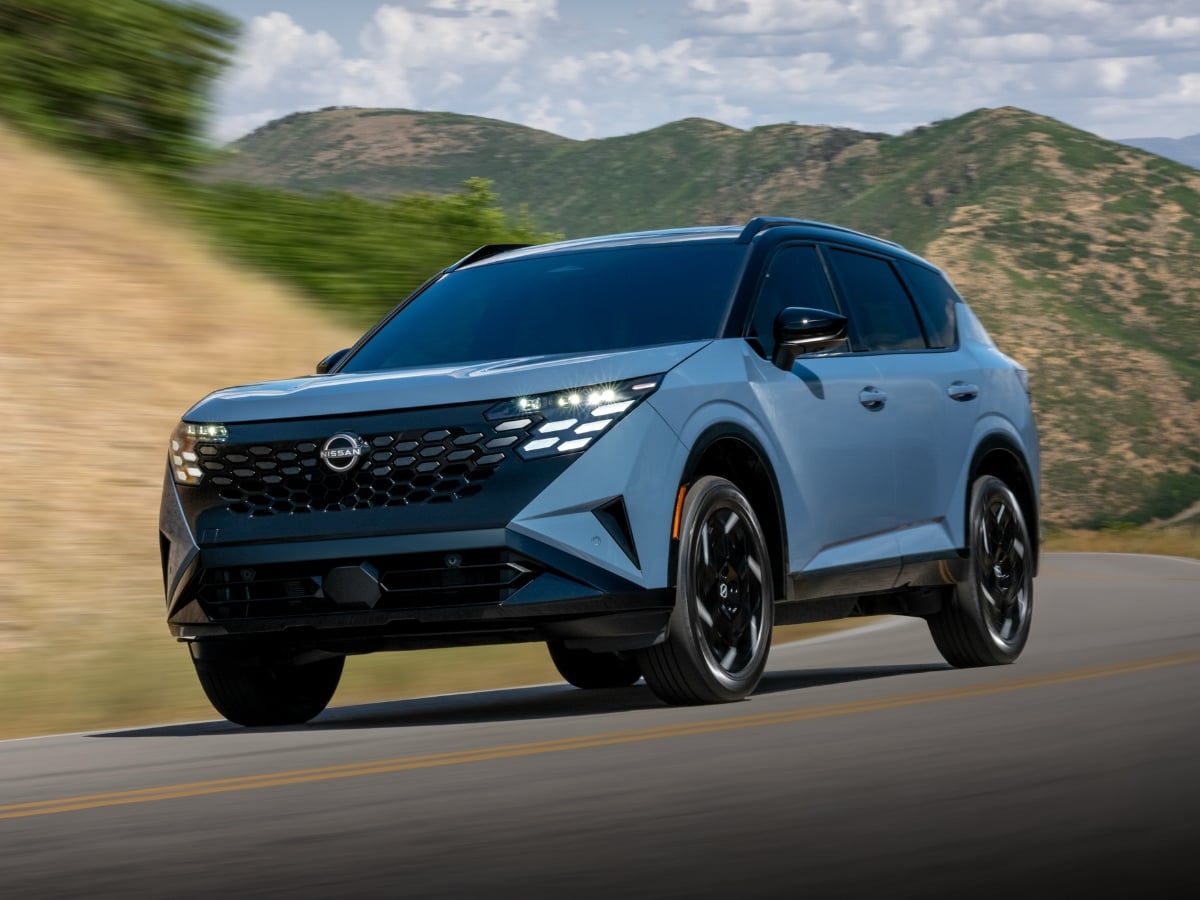
Nissan is about to introduce an innovative new SUV. The 2027 Nissan Rogue Hybrid has a gasoline engine, but it does not power the wheels. Instead, electric motors at each axle provide propulsion, ...See More
Read the Full Article