
Muscle fatigue is a major drawback of driving long distances. To help alleviate that stress on the body, automakers focus on seat designs to bolster body support and maximize overall comfort. Zero Gravity seats from Nissan—and, presumably, from other automakers in the future—may be the answer to providing a more relaxed and enjoyable driving experience for millions every day.

Driver fatigue occurs when muscles in the body become tired from being in the same position for an extended period. This common condition is most often experienced during long commutes and road trips and is the reason a driver can feel worn or exhausted after being behind the steering wheel for hours. The human body copes with this tiredness by slumping, which increases spinal compression and curvature, putting pressure on the shoulders and back and leading to even more fatigue. To help combat this vicious cycle and make the driving experience more comfortable during long drives, Nissan has developed NASA-inspired Zero Gravity seats, which takes an aspect of space travel and applies it to earth-bound passenger vehicles.
Zero Gravity seats look pretty much like any other driver seat or front-passenger seat despite the futuristic-sounding name. But functionally, they are far different. These scientifically designed seats help the human body take on a neutral spinal posture, which astronauts experience in the weightlessness of space. In this natural and relaxed position, the amount of stress placed on bones and joints is minimal, if not virtually non-existent.
Zero Gravity seat technology aims to recreate this neutral body and spine position using a patented shape and 14 pressure points throughout the seat back and cushion to provide continuous support that extends from the hips and tailbone up to the chest and shoulders. When in use, the seat cushions flex to the body at each pressure point. The seat structure's ergonomic design maximizes blood flow in the lower extremities and reduces muscle loading in the legs and lower back. All of this together reduces stress and keeps the driver's energy level up, allowing for a more refreshed feeling at the end of a long drive.
Developed in conjunction with Yamazaki Laboratory at Keio University in Tokyo, Nissan's Zero Gravity seat concept came to life using an in-lab seat simulator and a musculoskeletal model. The design also underwent extensive biomechanical analysis as well as real-world evaluations by professional drivers. Test drivers included men and women of varying heights and body types. The goal was to make Zero Gravity seats effective for humans of all shapes and sizes.
In addition to studying the test subjects' biometrics, laboratory technicians took a panel of medical tests pre- and post-driving. For example, the technicians used blood samples to observe lactic acid levels, which measure an increase or reduction in muscular strain and fatigue. Although this was explicitly Nissan's approach, other automakers are likely following a similar research and development process.
Automakers are constantly striving to make everyday motoring more comfortable and enjoyable. Zero Gravity seats are an innovative and significant step in that direction. Expect to see Nissan and other automakers integrate them more widely into their future cabin designs.


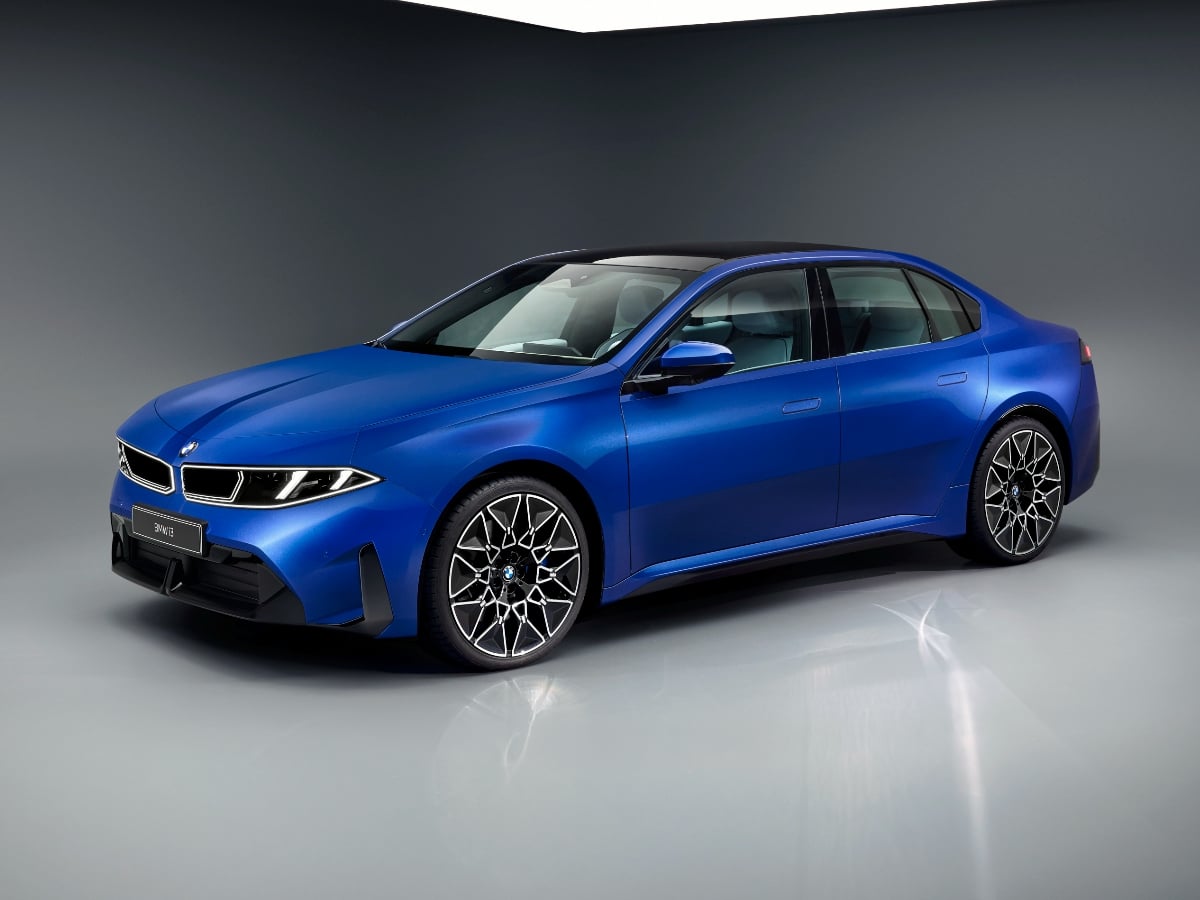
The new 2027 BMW i3 boasts an estimated range of up to 440 miles, 400-kilowatt DC fast charging capability, bidirectional charging to a home or the grid, and next-generation technology.
Read the Full Article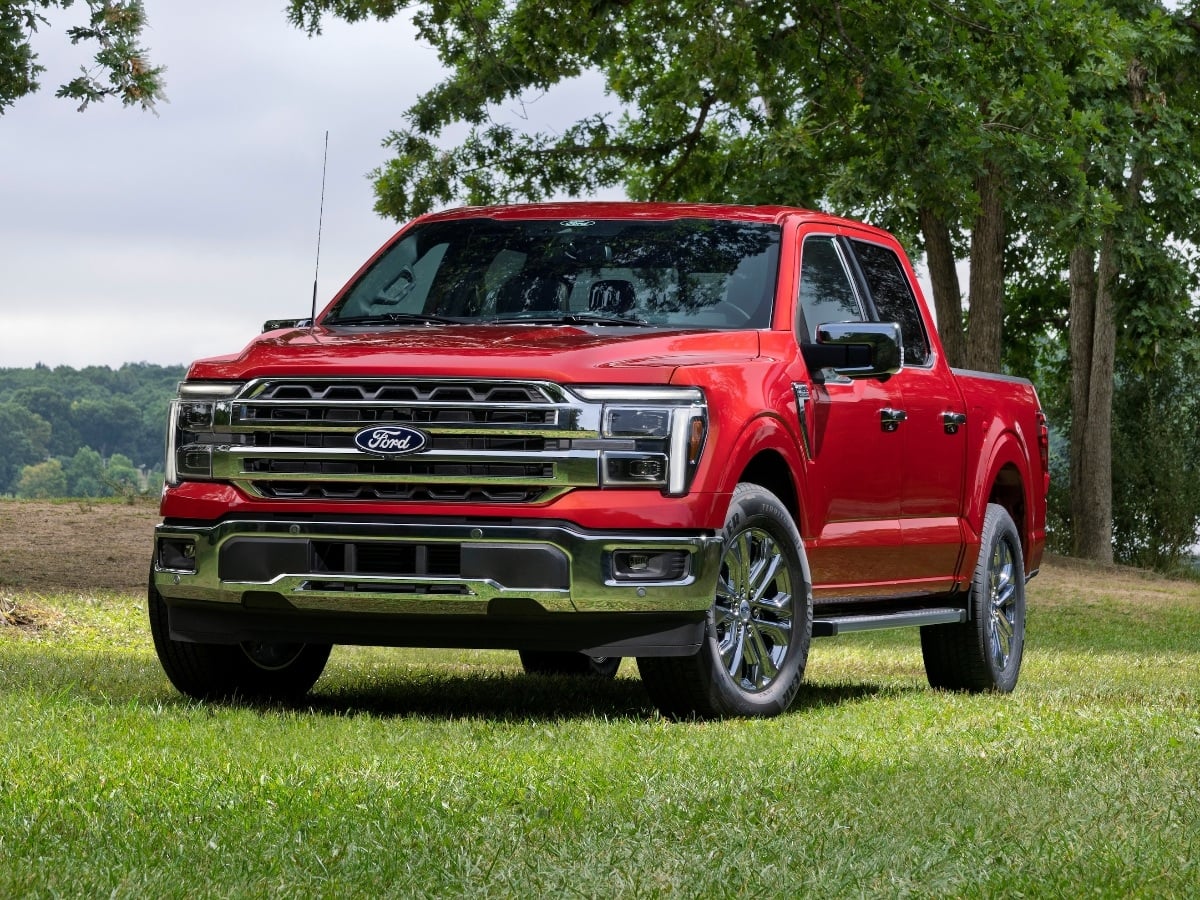
Facing renewed competition in the full-size, light duty pickup truck segment, the 2027 Ford F-150 receives subtle styling updates, a new standard engine, broader availability of its 5.0-liter V8, and ...See More
Read the Full Article
The 2027 Civic Type R goes on sale in October 2026, and it starts at $49,990, including the $1,295 destination charge.
Read the Full Article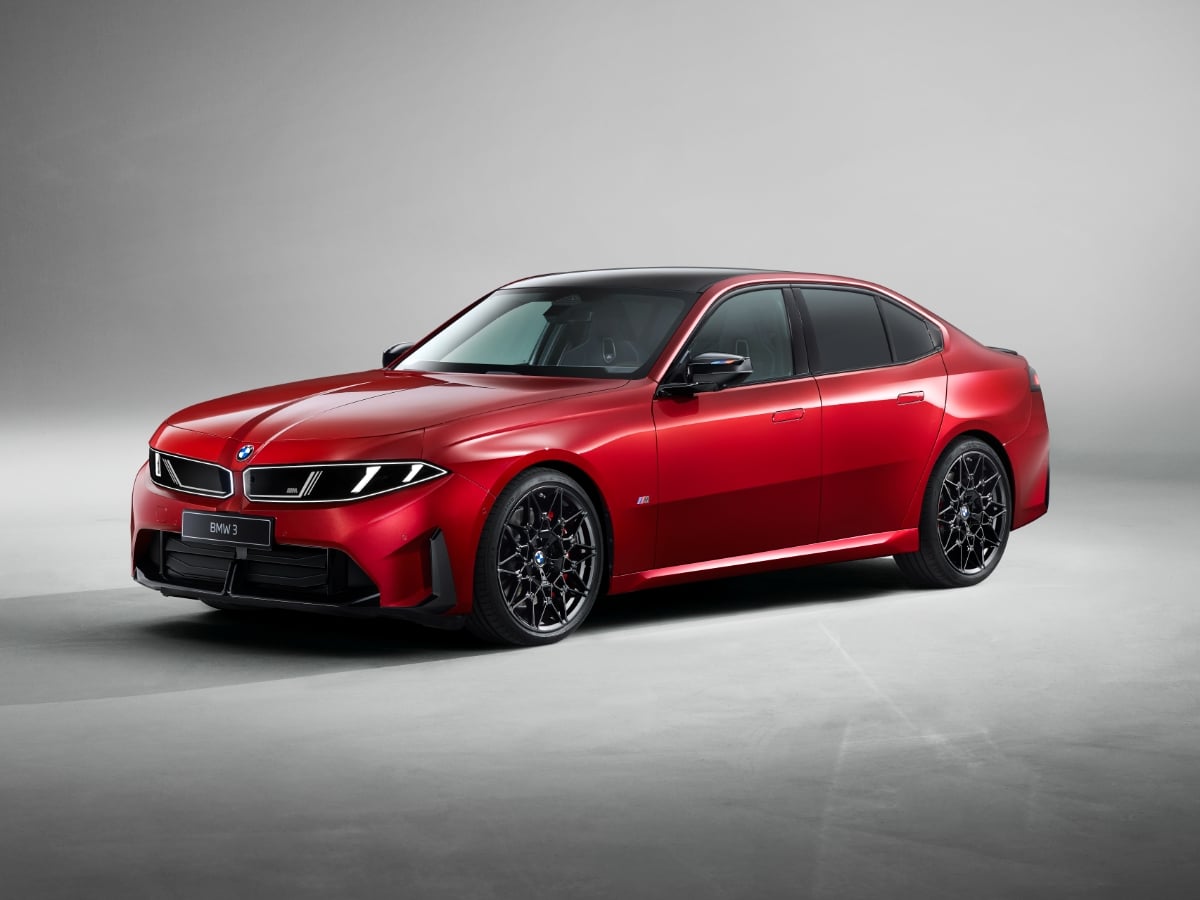
Part of BMW’s Neue Klasse (new class) rollout of redesigned models, the 2027 BMW 3 Series is all-new and goes on sale in the first quarter of 2027.
Read the Full Article