
Purchasing a car is a complex process with many factors involved. You need to take form, price, and technological features into account each time you turn from one model to the next.

While it will all boil down to preferences, in the end, understanding both pros and cons of certain car features can be beneficial. You need to know that the vehicle is a perfect fit and will satisfy you in the future.
In this article, we will focus on one of those technological features: the transmission. Let’s describe the different types of transmissions, explain what they do, and analyze the pros and cons of each.
Manual is the simplest and oldest type of transmission still in use. The gearbox uses a mechanical clutch and gear selector to switch between speeds.
It had various names throughout the years, referred to as a manual, stick shift, standard, three, four, five, or six-speed. But whatever you call it, in the US, fewer and fewer car models are manufactured with this transmission type. In fact, many drivers are not even sure how to use it.
It was featured in a vast selection of vehicles for decades, but now it’s gradually fading in favor of automatic transmissions. However, drivers who enjoy manually shifting gears also enjoy better fuel economy and enhanced vehicle control.
While driving up an incline with traffic can be hellish on manual, nothing beats that feeling of being fully in control of your car.
This transmission uses a torque converter, planetary gearset, and clutches to automatically shift through the vehicle’s gears. Though some allow the driver expanded control over the process, you are mostly stuck with neutral, drive, and reverse modes.
To operate an automatic transmission, all you have to do is choose from the familiar P-R-N-D-L choices on the shift knob. Automatic transmissions simplify the process and allow inexperienced drivers to get the hang of the basics quickly.
However, the mechanical complexity plays a significant disadvantage. Whenever your auto stick breaks, the repairs can be very costly. Plus, you have less control over speed and RPMs, potentially impacting your fuel economy.
Continuously variable transmissions, or CVTs, function the same as an automatic transmission with one significant difference - there are no gears, instead operating through the use of belts and pulleys. Sensors are equipped with the transmission that feeds information to an onboard computer, adjusting the ratio for the belts and pulleys.
Because this transmission heavily relies on the computer, your engine will always function optimally, providing significant fuel economy. You could even say that no other transmission type will beat it in terms of MPG.
You will experience no delays in shifting gears with CVTs, and whenever they break, they often require significantly less money and labor to repair than an automatic. The only drawback is subjective and brings us back to the driving authenticity argument.
Like the old trusty manual, semi-automatic employs a mechanical clutch to shift gears. The driver does not control the action of the clutch, and there’s no clutch pedal. Instead, the process is automated through electronic, pneumatic, and hydraulic controls. This allows you to automatically shift gears through buttons or paddles on the steering wheel.
Semi-automatic transmissions are typically installed in racing vehicles or high-end sports cars. While it is suitable for professionals, everyday drivers may not appreciate the high cost, maintenance, and frequent repairs.
Each transmission type has its purpose. A semi-automatic is ideal for professionals, while automatic and CVT are upgrades to the dated manual transmission. The decision is in your hands, depending on whether you prefer a classic manual transmission experience over the relative comfort and ease of an automatic.


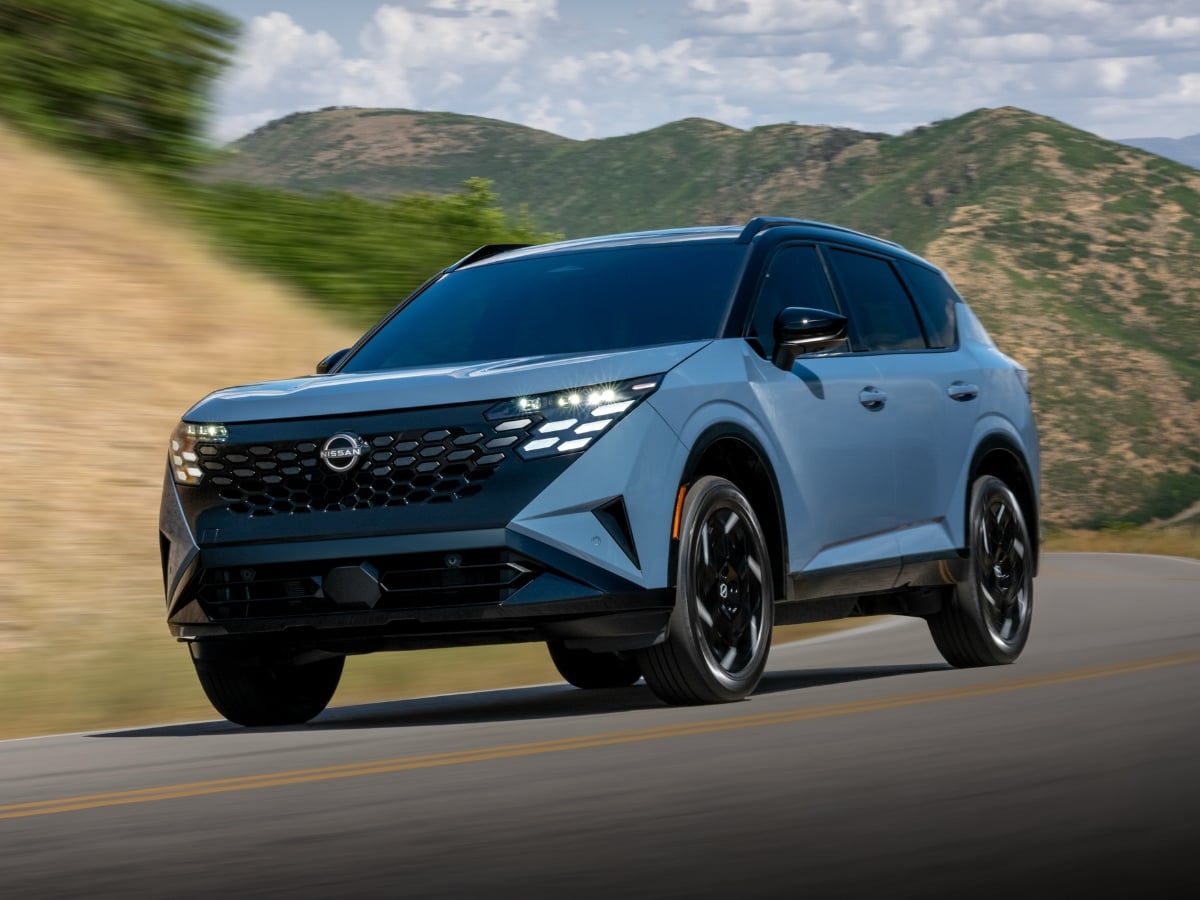
Nissan is about to introduce an innovative new SUV. The 2027 Nissan Rogue Hybrid has a gasoline engine, but it does not power the wheels. Instead, electric motors at each axle provide propulsion, ...See More
Read the Full Article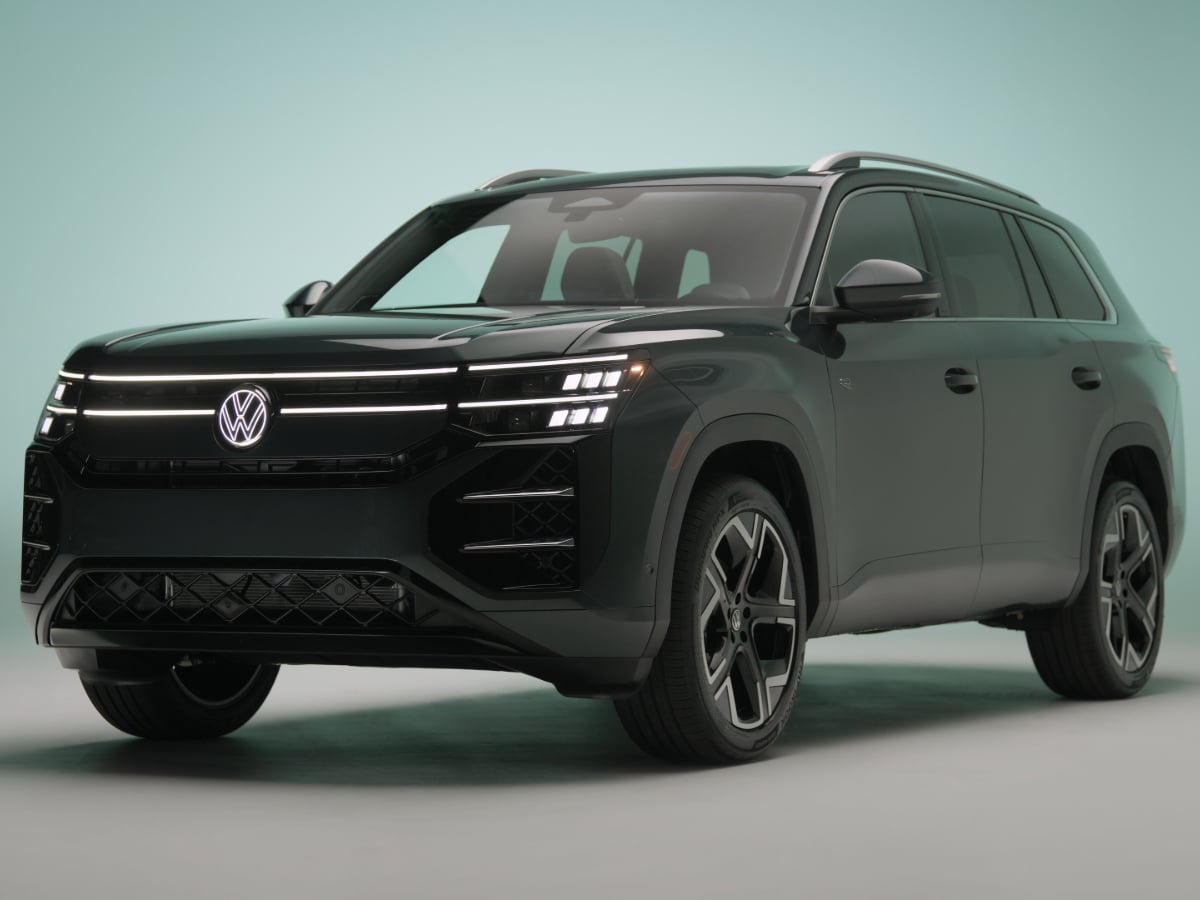
Adding European flair to the otherwise vanilla midsize three-row family SUV market, the redesigned 2027 Volkswagen Atlas debuts with a sharper exterior, an upgraded cabin, more power, and new ...See More
Read the Full Article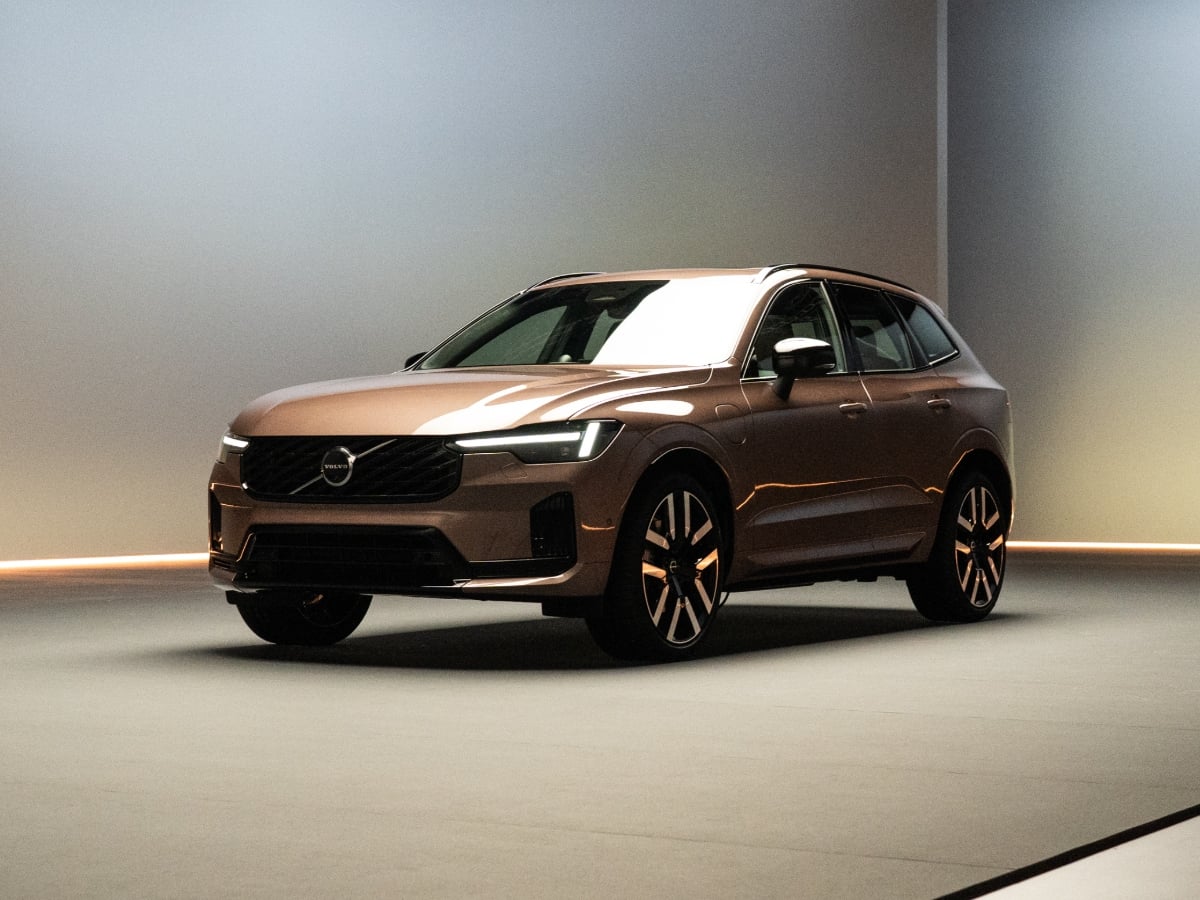
Though the styling stays largely the same, a massive boost in electric range for the plug-in hybrid (PHEV), plus a refined design, helps the 2028 Volvo XC60 stay current and desirable.
Read the Full Article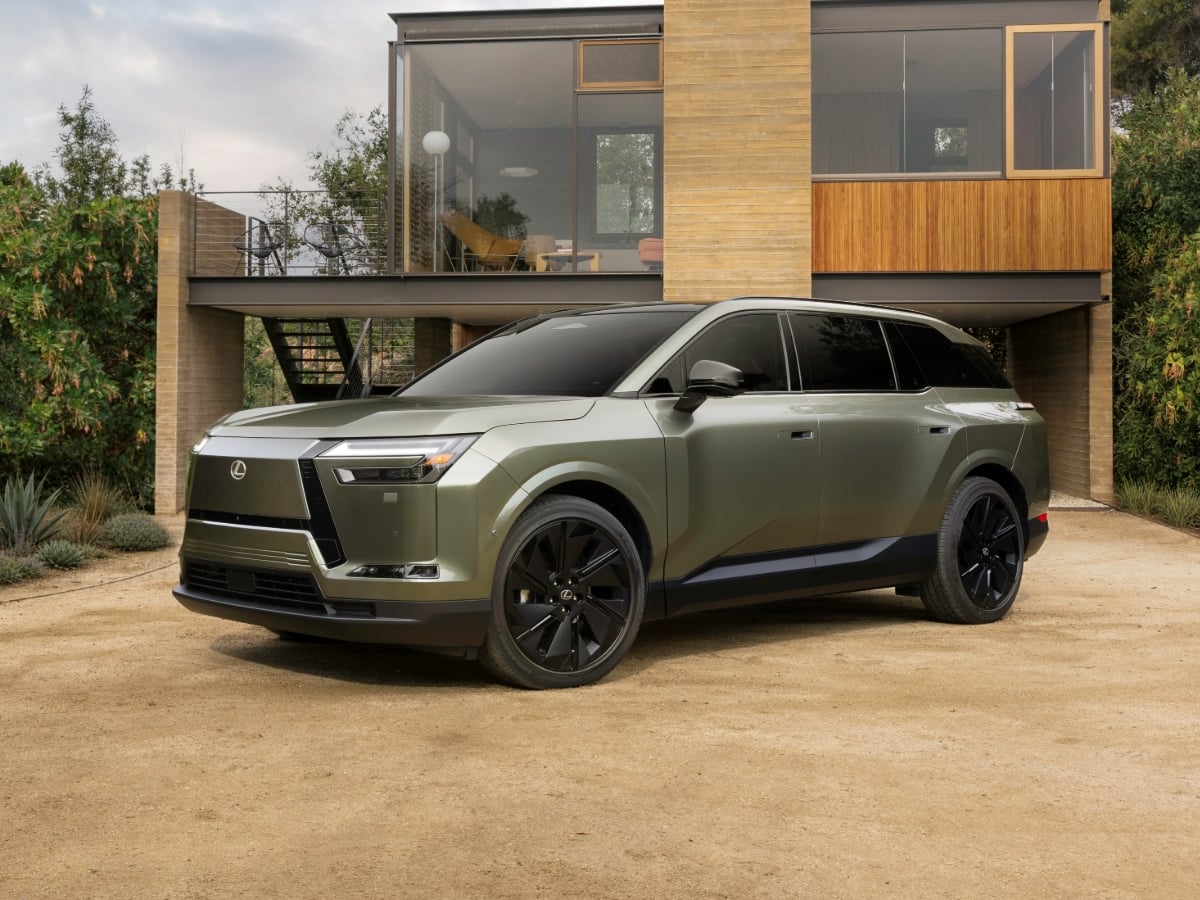
With the 2027 Lexus TZ, Toyota Motor’s luxury division introduces its first three-row all-electric SUV, featuring a lounge-inspired interior, an enhanced all-wheel drive (AWD) system, and up to 300 ...See More
Read the Full Article