
Whether tackling off-road trails or just preparing for winter driving, understanding the importance and purposes of tow and recovery hooks will enable you to navigate vehicle emergencies confidently. Although the two styles of accessory hooks are commonly mistaken as being the same and often mentioned interchangeably, they have very different uses when it comes to vehicle recovery and towing operations.

If a vehicle becomes stuck in sand, snow, or mud—or breaks down and needs to be towed—hooks are essential for extracting or towing it. Tow hooks and recovery hooks are two terms often misunderstood for each other, but they are designed for different applications and rated for various capacities. Knowing each other's use and capabilities can significantly impact safety and help protect the vehicle.
Tow hooks are designed to tow a stranded vehicle a relatively short distance, for instance, onto a tow truck ramp or from a driveway. They are usually factory-mounted on the front or rear of most vehicles.
Tow hooks are typically bolted to the vehicle's frame or a heavy-duty mounting location. They are suitable for low-stress uses like flatbed towing. They must never be utilized for recovery activities that address the instantaneous pull or dynamic loads of freeing a stuck vehicle.
Recovery hooks are intended for explicit off-road and emergency use when a vehicle is immobile due to being stuck. Recovery hooks are typically aftermarket devices on trucks, SUVs, or off-road rigs and are mounted to the vehicle's frame or a reinforced bumper. Owners can buy and install recovery hooks or allow a technician to attach them.
Compared to tow hooks, recovery hooks are designed for maneuvers that involve rapid tension and force, so strength and longevity are critical. Recovery hooks usually appear as D-ring or shackle-type mounts and are utilized with high-stress recovery gear.
There are five primary differences between tow hooks and recovery hooks:
Understanding the difference between tow and recovery hooks is crucial for anyone who drives in off-road or inclement weather conditions. Always use the right equipment to avoid injury, damage, or ineffective recovery. With the correct hooks and proper technique, you'll be prepared for whatever the road—or trail—throws your way.
To learn more about various automotive topics, visit the Shopping Guides section of the website.
Jessica Shea Choksey is an experienced writer in the automotive field. In addition to JDPower.com, she was a correspondent for PBS's MotorWeek, and her work has appeared on Autotrader.


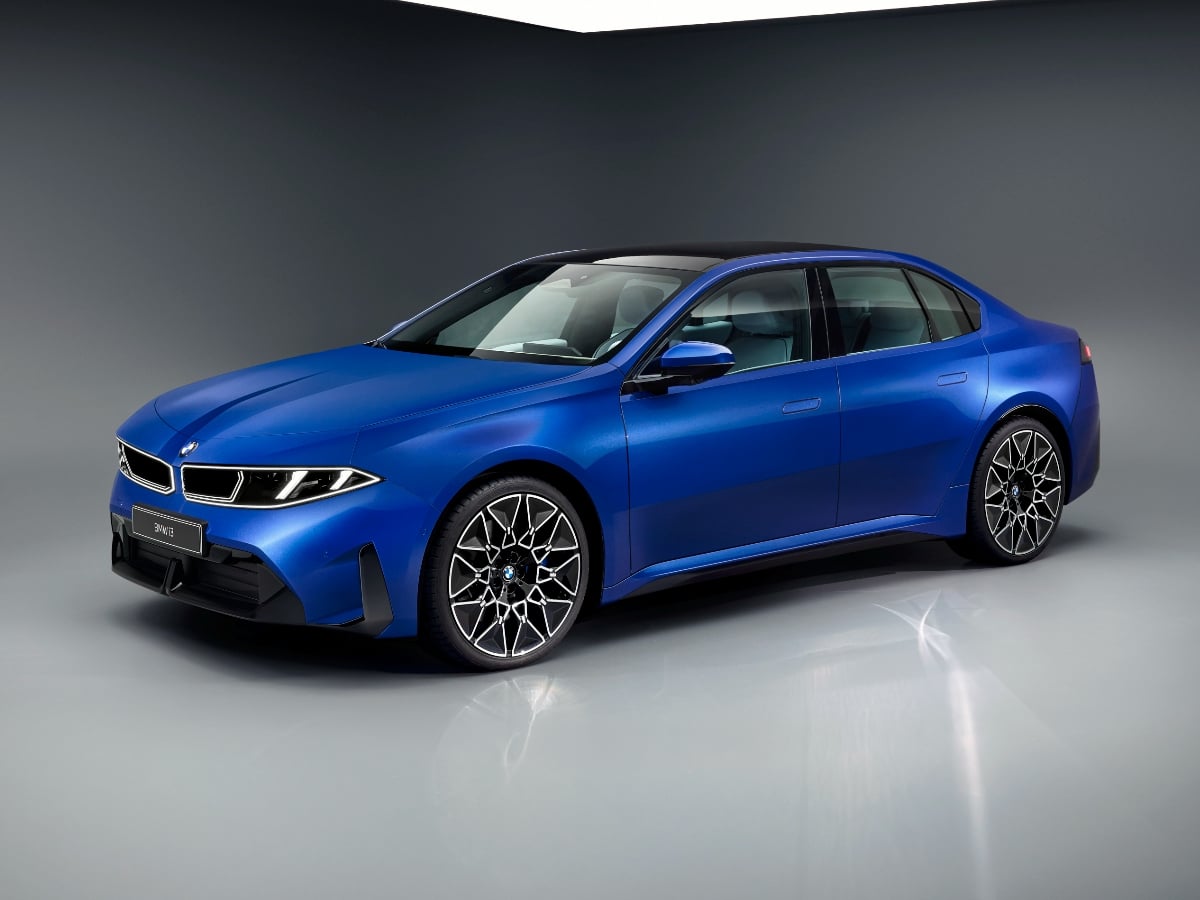
The new 2027 BMW i3 boasts an estimated range of up to 440 miles, 400-kilowatt DC fast charging capability, bidirectional charging to a home or the grid, and next-generation technology.
Read the Full Article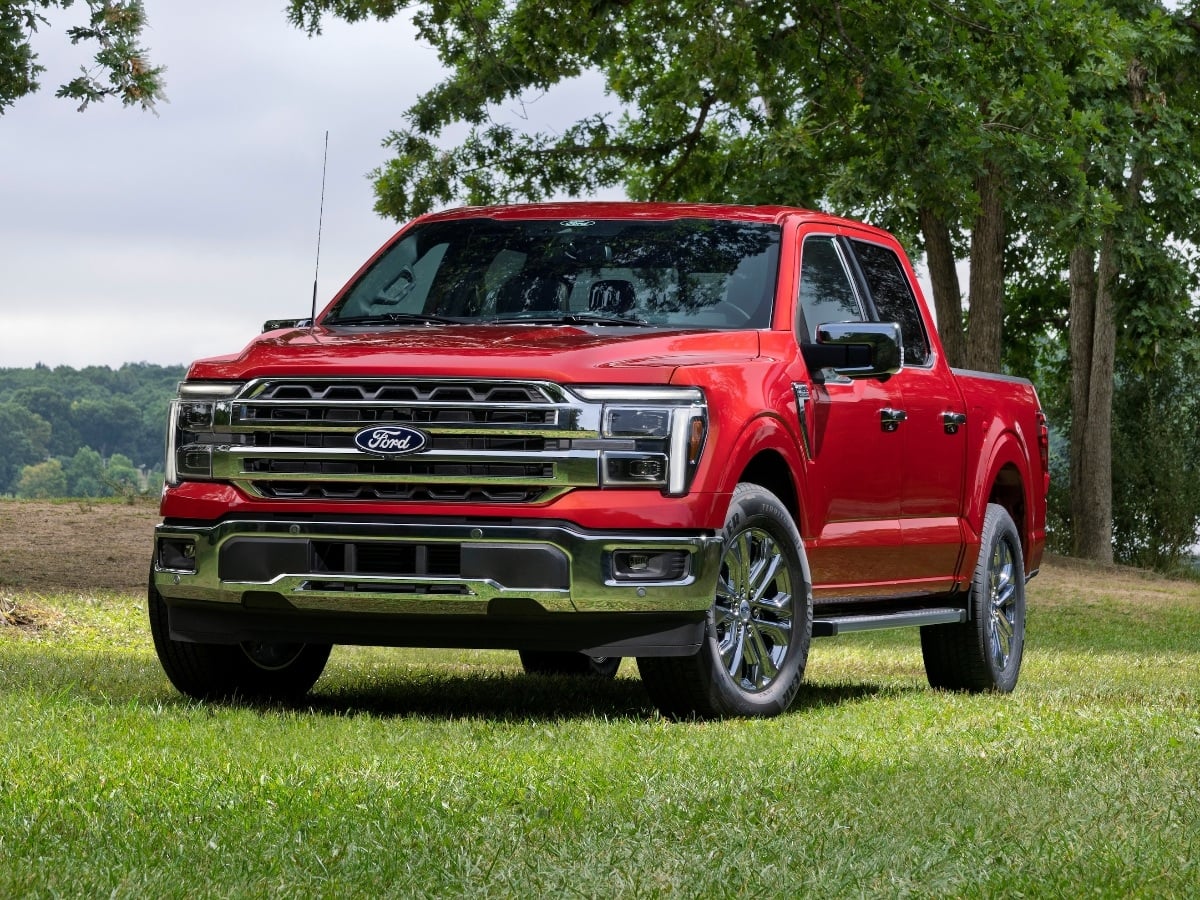
Facing renewed competition in the full-size, light duty pickup truck segment, the 2027 Ford F-150 receives subtle styling updates, a new standard engine, broader availability of its 5.0-liter V8, and ...See More
Read the Full Article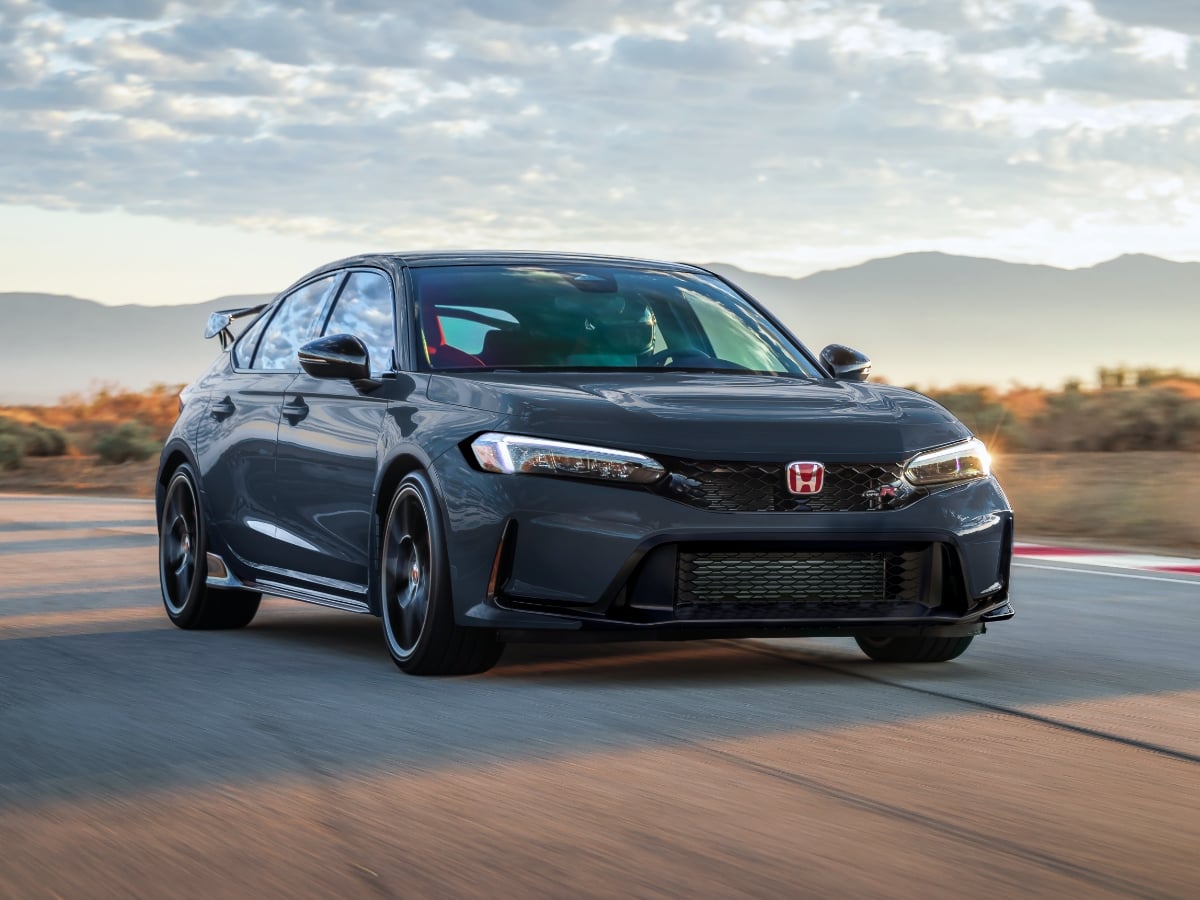
The 2027 Civic Type R goes on sale in October 2026, and it starts at $49,990, including the $1,295 destination charge.
Read the Full Article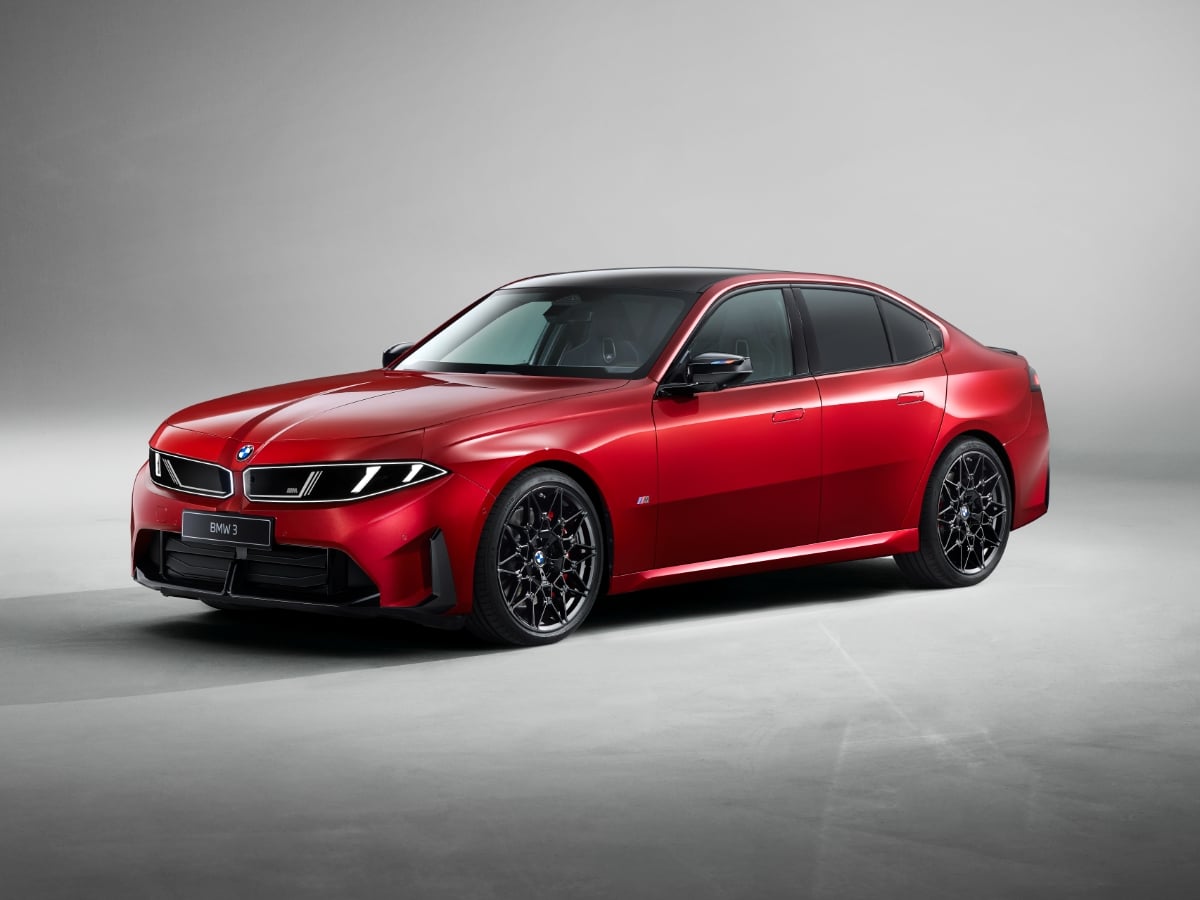
Part of BMW’s Neue Klasse (new class) rollout of redesigned models, the 2027 BMW 3 Series is all-new and goes on sale in the first quarter of 2027.
Read the Full Article