
The same basic sealed-beam incandescent-bulb headlights that illuminated the road in front of the Ford Model T in 1908 were standard equipment for many vehicles until the early 1990s. These headlights were simple, and they served the automotive industry well for half a century. Fifteen years ago, lighting technology took a leap forward with the invention of "high-intensity discharge" (HID) automotive headlights. In North America, they first appeared on the 1991 BMW 7 Series. Today, as costs decrease, HID headlights are becoming available on at least some models from nearly every major manufacturer.
A bulb without a filament
Traditional automotive bulbs are either made of tungsten or halogen, both of which rely on a superheated filament for illumination. On the other hand, the bluish tint you see on HID-equipped vehicles is from a lighting technology that uses no filament whatsoever. HID bulbs create light much like a mercury vapor lamp: a high-pressure gas is excited between high-voltage electrodes. The bulbs are filled with xenon gas, which is why HID headlights are often referred to as xenon headlights. Now, with the flick of the headlight switch, the xenon gas turns into white-hot plasma light in seconds. A single HID bulb is so bright that it can handle the job of two incandescent filaments.
Bright light with low voltage
Once illuminated, HID light output is three times that of halogen, and as an added benefit, the ignited gas uses very low voltage, thereby reducing the load on the alternator. The light, now at a "hotter" color temperature than halogen, appears nearly white. The powerful white light makes distant street reflectors and signs highly visible to the driver.As HID light is more intense, the bulbs are typically placed behind projector beam headlight assemblies. These lenses allow the bright HID beam to be very focused, often with a very pronounced beam cut-off, or area where the light stops, to reduce glare to opposing traffic. In addition, most HID-equipped vehicles have standard beam leveling control, dropping and raising according to vehicle load and angle, to further prevent glare to other road users.
Early HID headlights were only used for the low beam, with a halogen bulb reserved for high beam use. As reflector technology has improved, "bi-xenon" headlights (offering both a "low" and "high" HID beam) are offered on many vehicles today.
Do you need HID headlights?
With a brighter light output and a more focused beam, high-intensity headlights are an active safety feature because they help you to avoid accidents before they happen.
They also last longer. With an expected lifespan of 3,000 hours (about 90,000 miles for the average driver), many consider HID headlights a "lifetime" bulb that never needs to be replaced. Even if the bulb does burn out (and they can), the modular design allows bulb-only replacement, much like traditional headlight bulbs.
Many active safety features are invaluable as driver aids but rarely used. HID headlights is an active safety feature that is used frequently, increases headlight reliability, and improves driver visibility.


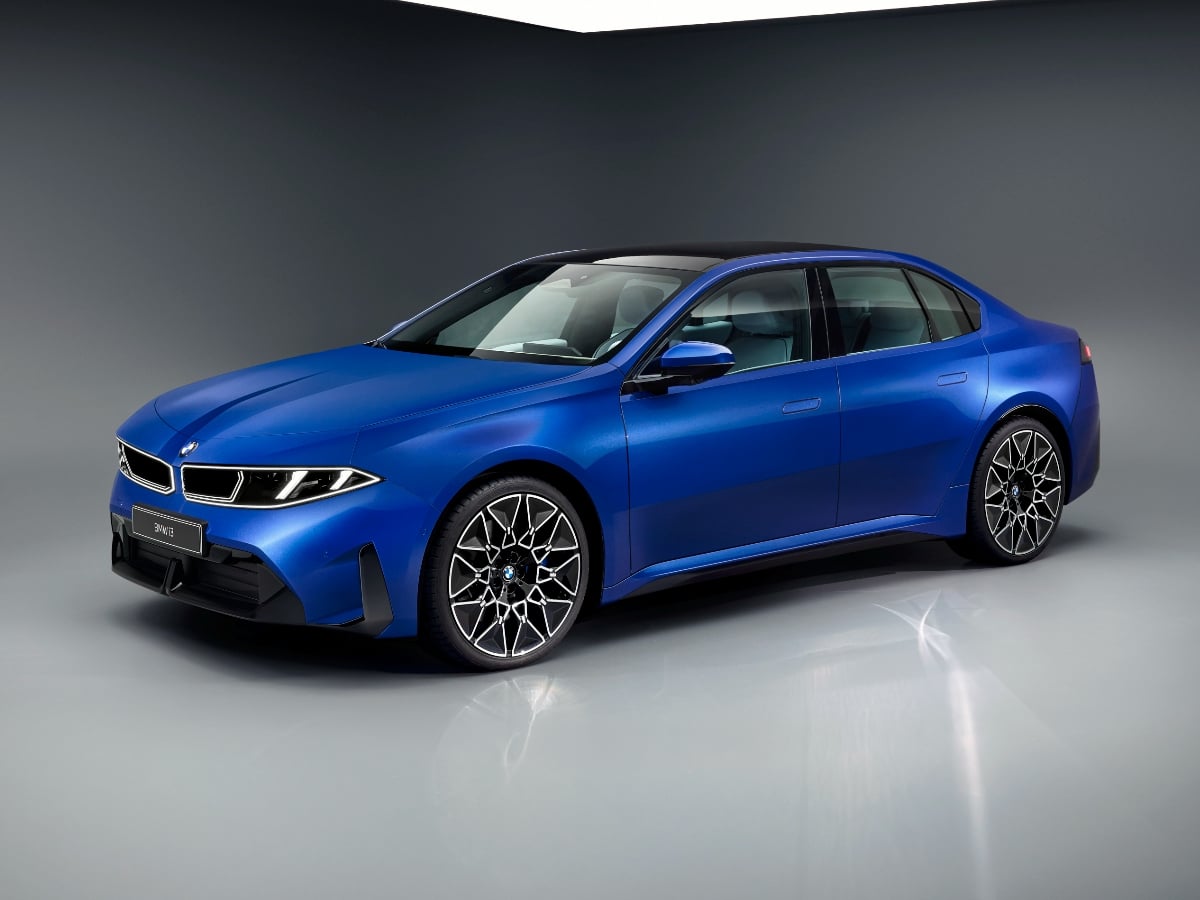
The new 2027 BMW i3 boasts an estimated range of up to 440 miles, 400-kilowatt DC fast charging capability, bidirectional charging to a home or the grid, and next-generation technology.
Read the Full Article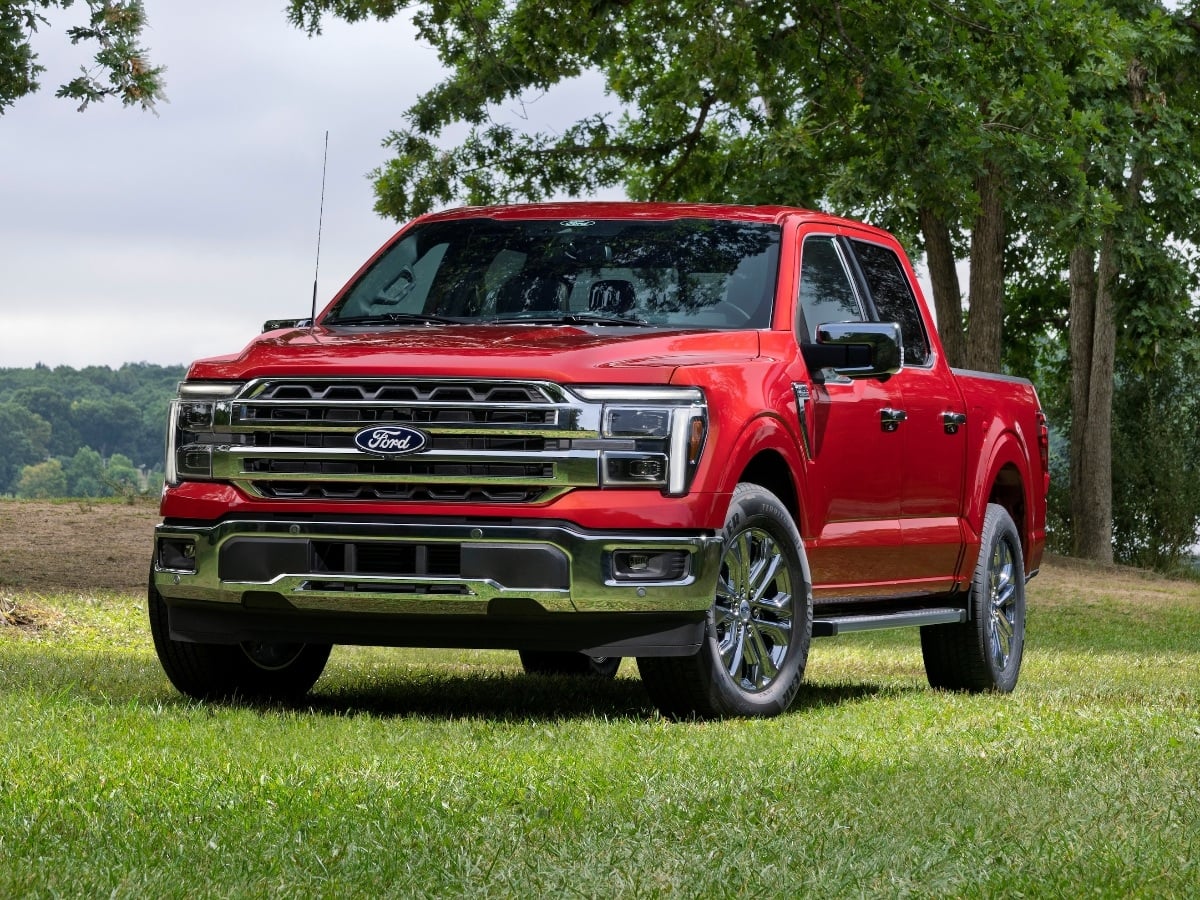
Facing renewed competition in the full-size, light duty pickup truck segment, the 2027 Ford F-150 receives subtle styling updates, a new standard engine, broader availability of its 5.0-liter V8, and ...See More
Read the Full Article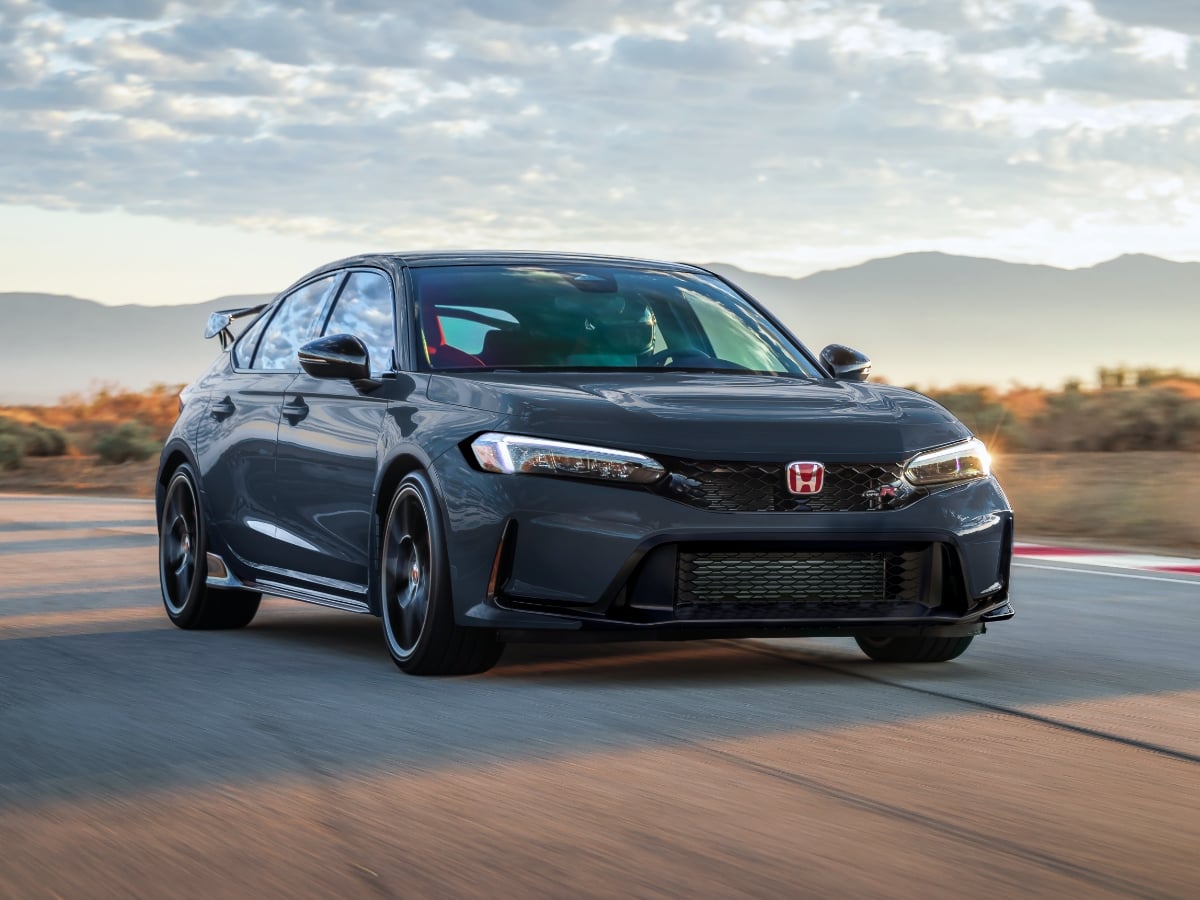
The 2027 Civic Type R goes on sale in October 2026, and it starts at $49,990, including the $1,295 destination charge.
Read the Full Article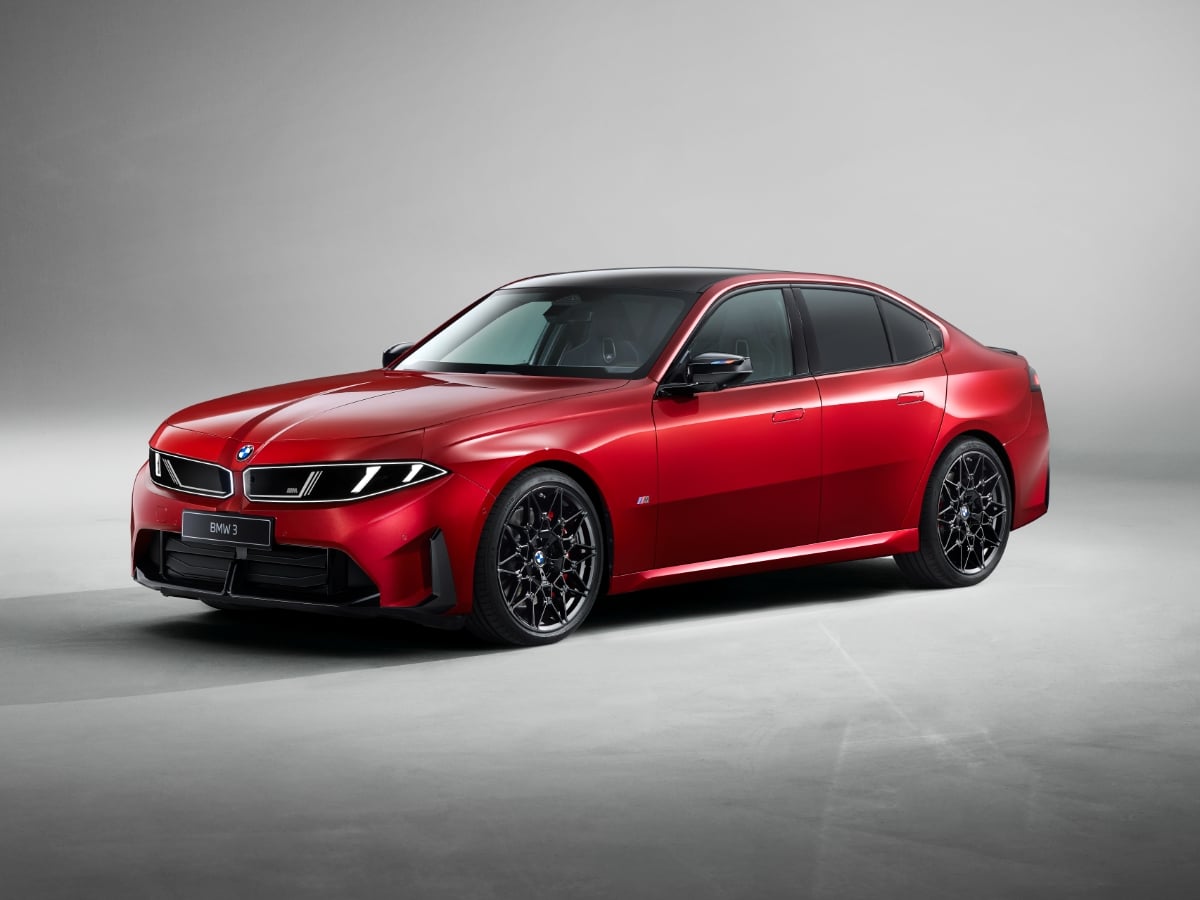
Part of BMW’s Neue Klasse (new class) rollout of redesigned models, the 2027 BMW 3 Series is all-new and goes on sale in the first quarter of 2027.
Read the Full Article