
Since their introduction with the Motorwagen in 1866, automobiles have been at the forefront of technology and innovation. While the first models focused on function, it wasn’t long until carmakers began including accessories like radios and cassette players in vehicles to keep occupants entertained while traveling to their destination.

Today, new cars, trucks, and SUVs have built-in media and infotainment centers capable of streaming music, connecting to satellite GPS, and providing hands-free communication. How did this evolution come about, and where is it headed for future automotive experiences?
Explore the history of vehicle infotainment and what to expect in new and upcoming models.
In the early 20th century, in-car entertainment was virtually nonexistent. This began to change in the 1930s with the introduction of AM radios, which allowed drivers to enjoy music, news, and broadcasts while on the road.
One of the earliest commercially successful car radios was the Motorola 5T71, costing around $130—a considerable expense at the time. Paul and Joseph Galvin, founders of Galvin Manufacturing Corporation, introduced this model, which later became Motorola.
FM radio wasn’t available until the 1950s, but it quickly gained popularity due to its superior sound quality and reduced static. In 1952, Blaupunkt introduced the first in-car FM radio, followed by Becker’s iconic 'Mexico' radio in 1953, which featured an automatic station-search function.
But radios weren’t the only sound systems that found their way into vehicles in the 1950s. Chrysler launched a dashboard-mounted record player called the Highway Hi-Fi system, which was created to play proprietary 7-inch discs for up to 45 minutes of playback per side. Unfortunately, the system struggled with issues like skipping on bumpy roads and limited record availability, so production was scrapped in 1959.
Tape formats dominated the 1960s and 1970s, beginning with the 8-track’s continuous play feature, later overtaken by the more versatile cassette. With convenient features like auto-reverse, cassette players remained the top choice until the late 1980s when CDs debuted. Pioneer's first car CD player, the CDX-1, in 1984, delivered unmatched audio quality, establishing CDs as the standard format into the early 2000s.
The idea of making phone calls from a moving car was groundbreaking in the middle of the 20th century—and, again, Motorola was leading the way. The company collaborated with the Bell System to develop an analog car radio-telephone, released in 1946.
The equipment was bulky–often taking up the entire trunk—and operators had to connect the calls manually. This meant that these phones were only used by wealthier customers and businesses.
Though minor improvements in the 1960s and 1970s made car phones more practical, the technology took off in the 1980s. Although it was still used primarily by corporate executives trying to get business done on the go, the popularity of the car phone was short-lived thanks to the release of the first cell phone, the Motorola DynaTAC 8000X, in 1983.
Infotainment systems combine entertainment and information tools in one place, helping drivers and passengers stay connected and entertained on the road. Early versions were simple, featuring knobs and buttons for controlling the radio and air conditioning.
Some vehicles included integrated navigation systems that used CDs or DVDs for maps. Although these technologies were excellent for directions, they only offered pre-loaded maps that did not account for road closures or traffic changes, providing drivers with inaccurate information. However, regardless of these challenges, these navigation features were the first step in creating a practical entertainment system.
Once the 2010s came around, automakers began to shift toward touchscreen technology. With a single swipe, drivers and passengers could control music, program navigation, and adjust climate settings.
Bluetooth technology emerged in automobiles in the early 2000s, changing how drivers interacted with their vehicles. Chrysler was the first manufacturer to include it in 1999 through a proprietary interface, with other models following in 2008. Bluetooth allowed hands-free calling and audio streaming from smartphones, offering a safer and more convenient way to stay connected while on the road.
Apple CarPlay and Android Auto came out in 2014 and 2015, bringing familiar smartphone interfaces into the car’s infotainment system. Using the touchscreens, drivers could access maps, music, messages, and apps, so they didn’t need to handle their phones while driving.
Vehicle infotainment and in-media systems are evolving rapidly with the rise of Artificial Intelligence (AI). They are expected to become more intuitive, personalized, and safer. Some of the exciting AI advancements on the horizon include:
From analog radio systems to touchscreen displays, infotainment and in-car media technologies provide drivers and passengers with connectivity, entertainment, and information during their travels. These systems are becoming more advanced and interactive, offering a personalized and safer experience behind the wheel.
Author: Corentin Bernard
Corentin’s passion for the automotive world started when he was just seven years old, during a life-changing visit to an auto museum. Now a seasoned writer, Corentin channels that early fascination into every piece he writes, whether he’s exploring the latest car trends or automotive history. But his expertise doesn't end there—he also brings his insights to topics like home improvement, the boating and yachting industry, personal finance tips, and cutting-edge tech.


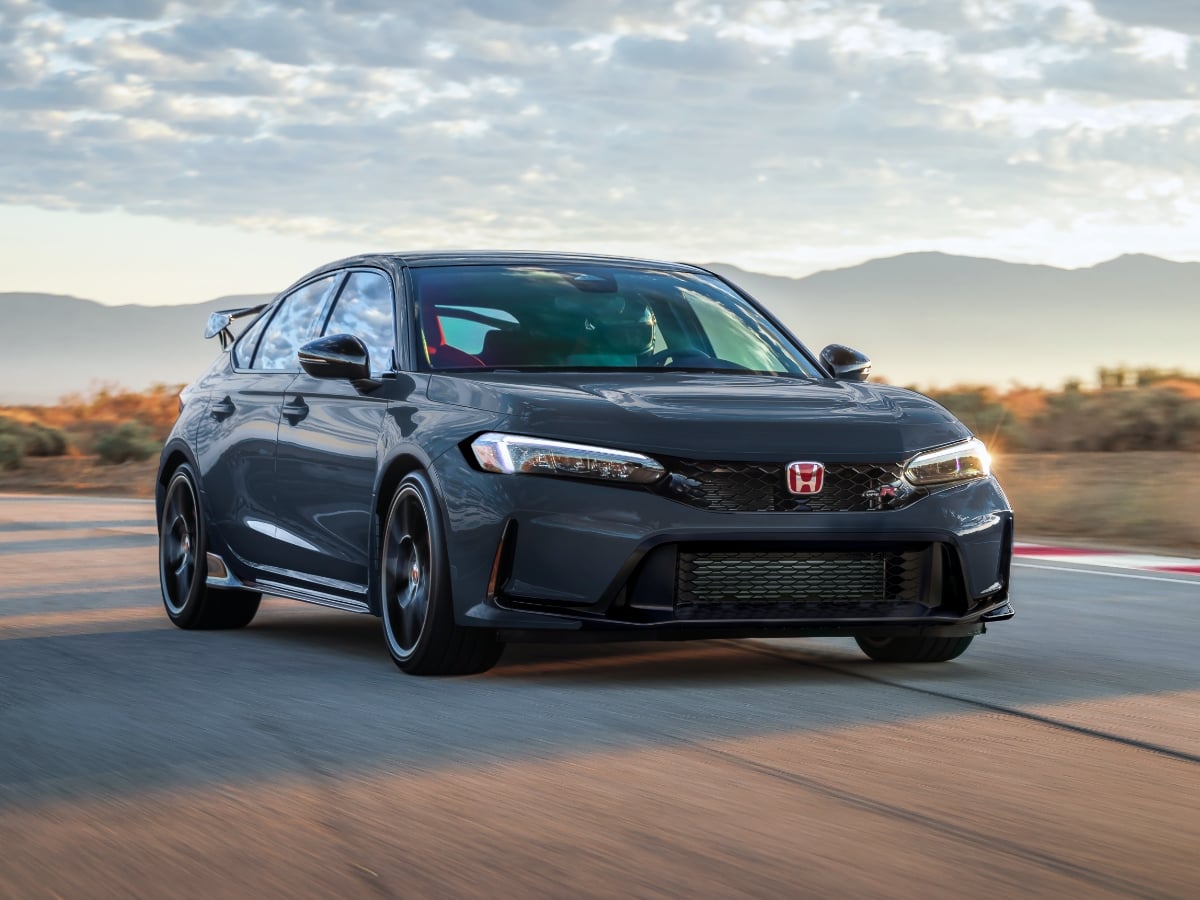
The 2027 Civic Type R goes on sale in October 2026, and it starts at $49,990, including the $1,295 destination charge.
Read the Full Article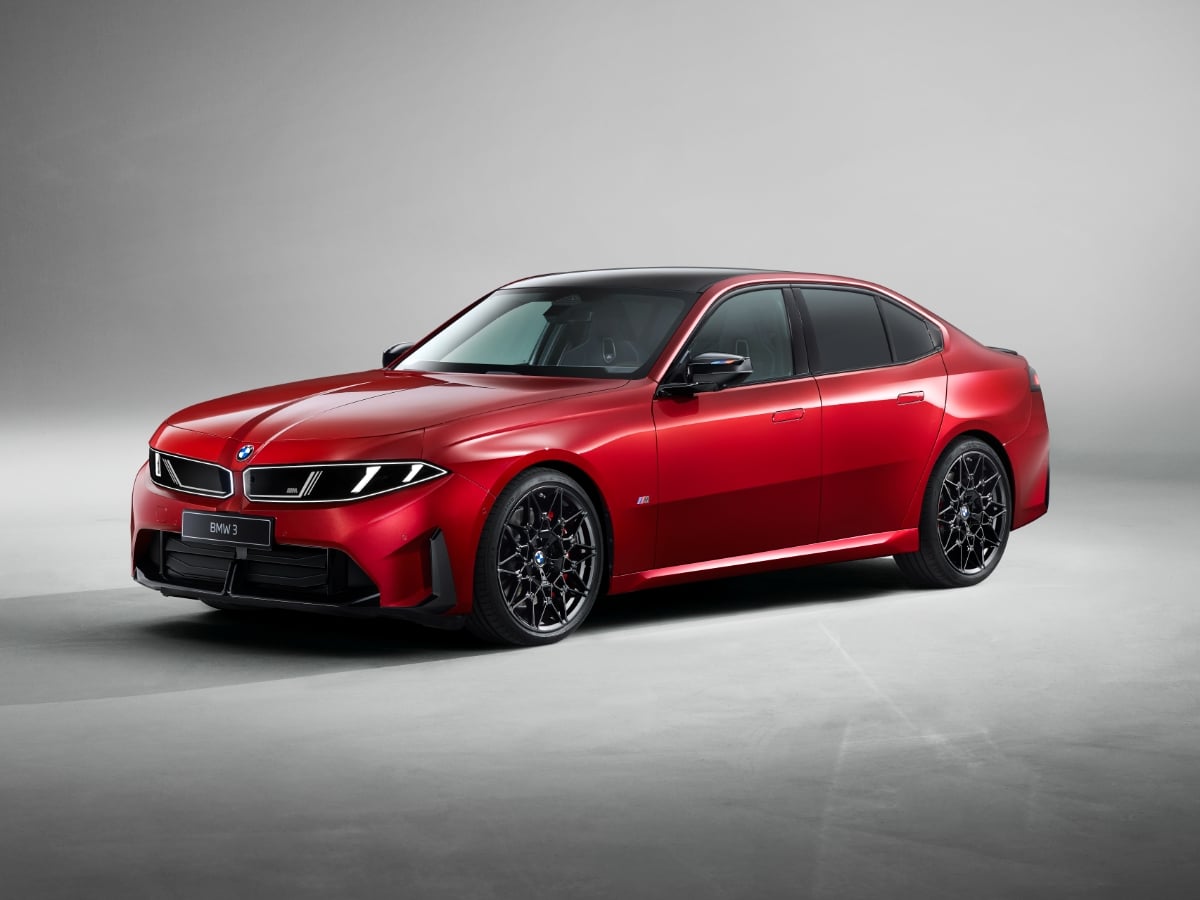
Part of BMW’s Neue Klasse (new class) rollout of redesigned models, the 2027 BMW 3 Series is all-new and goes on sale in the first quarter of 2027.
Read the Full Article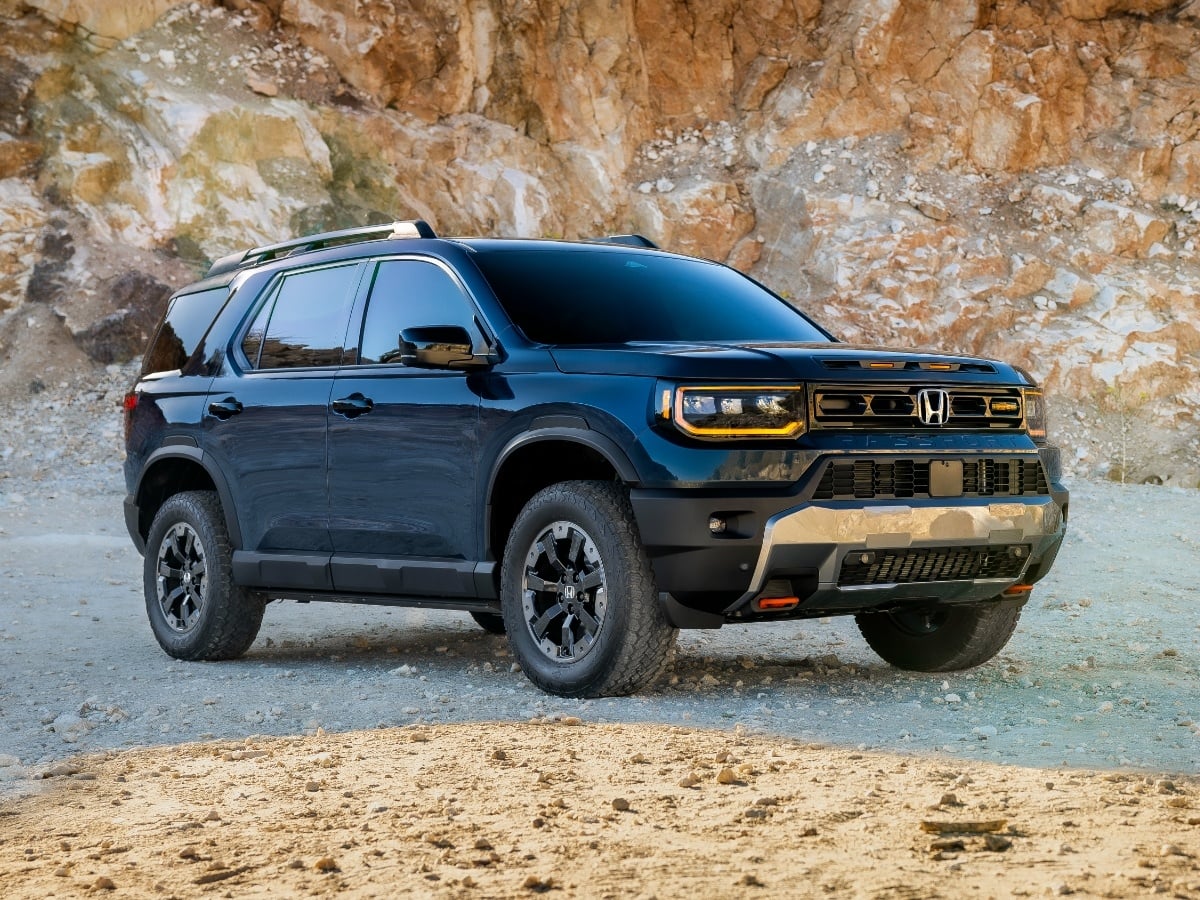
Updates to the 2027 Honda Passport TrailSport include a reworked suspension, improved steering, subtle styling enhancements, and added standard equipment.
Read the Full Article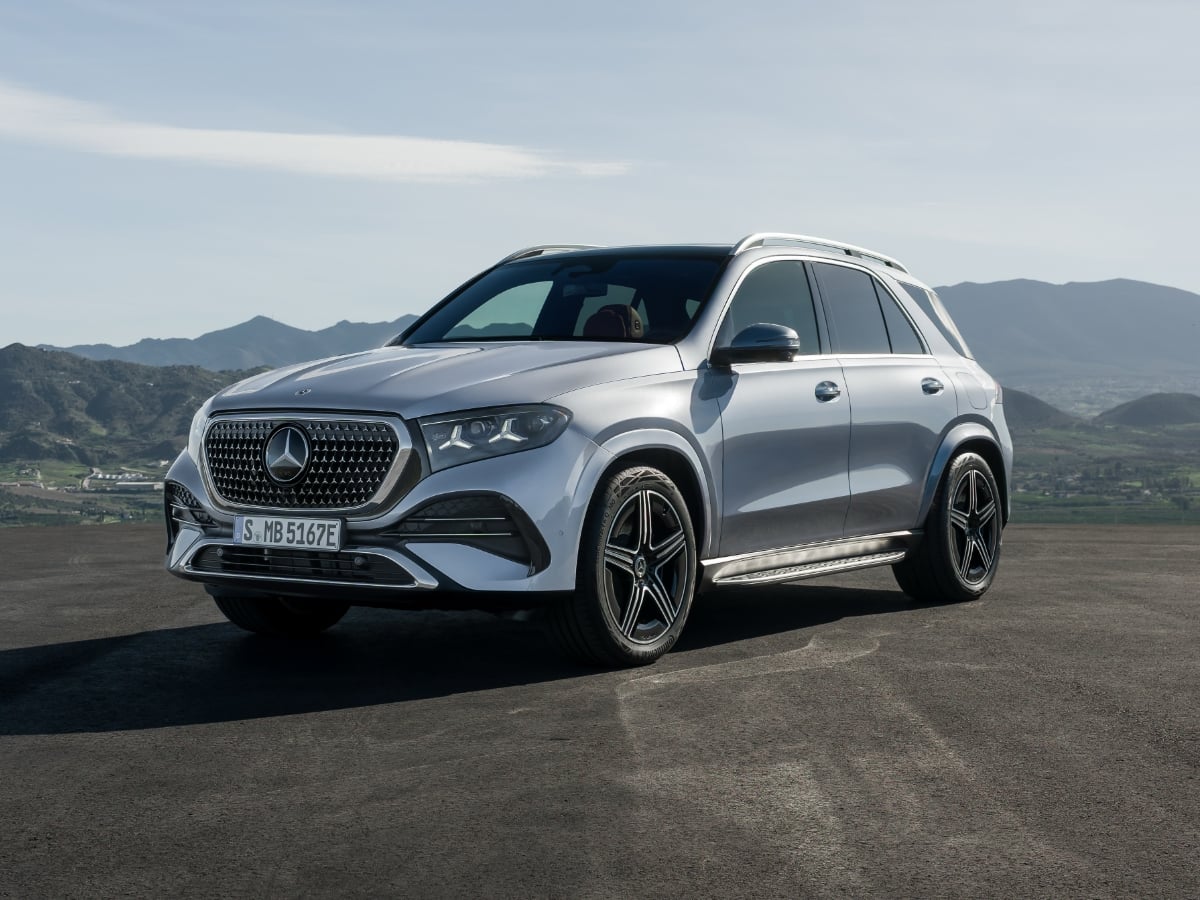
The midsize 2027 Mercedes GLE remains available in original and spicy Coupe recipes, now with standard 4Matic all-wheel drive (AWD), MBUX Superscreen technology, and a panoramic glass sunroof for ...See More
Read the Full Article