
While the situation in the automotive market remains challenging, potential American customers aren’t holding off on their car purchases. Recent data suggests that the demand is only going to rise throughout 2022.
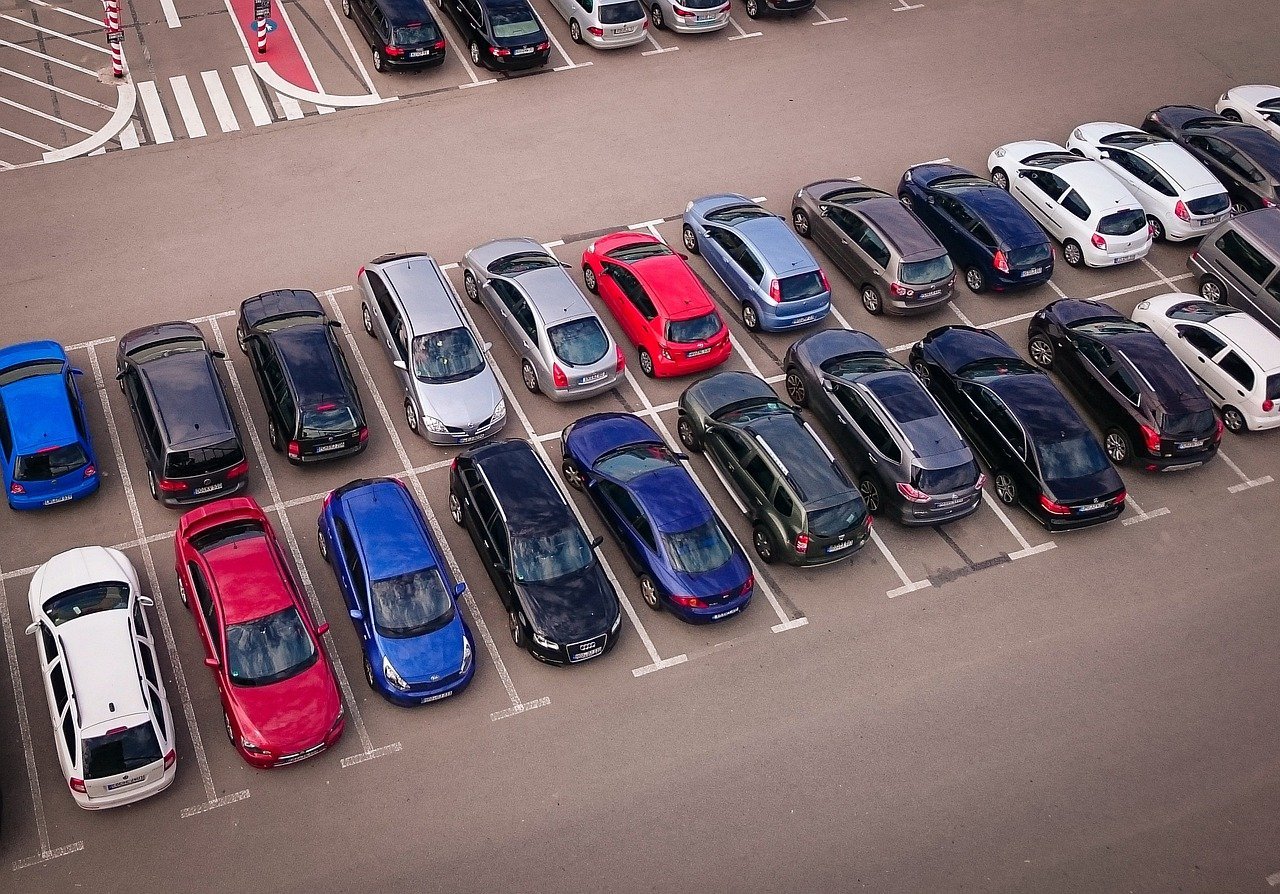
But what goes into making a car purchase? There are many factors buyers consider, ranging from cost and add-ons to budget and needs.
However, the aesthetic of a vehicle still remains top of mind for most prospective car buyers. So what are the most and the least popular car colors? And why do people prefer specific car colors over others?
Color popularity is a crucial factor that dictates how quickly cars sell on the market. People buy with their eyes first and undoubtedly prefer if their vehicle looks a certain way. Flashy colors attract attention, but they’re not what most buyers have in mind.
PPG’s data suggests that in 2021 buyers preferred practicality to aesthetics. Silver, gray, white, and black vehicles were in very high demand, with more colorful options like red, green, pink, or two-tone selling in lower volume.
Interestingly, neutral colors are dominant regardless of the price segment. Only a handful of people (20-30%) liked more vibrant finishes like blue or red, with the highest percentage in the sport, mid-size, and compact car segments. Even luxury car owners preferred their vehicles to be solid or metallic black, solid or metallic white, gray or silver.
With everything mentioned in mind, it becomes evident that monotone colors currently dominate the market. You can prove this by simply stepping into an open parking area and trying to see how many vibrant finishes you can spot. But how did this trend come about?
Multiple factors are at play here: The first that comes to mind is our ever-increasing obsession with consumer tech. Most consumer electronics are finished in chrome, matte gray, glossy black, or white hues (take a quick walk through any Apple store, and you’ll see what we mean). Our car preferences seem to align increasingly with gadget preferences. You could even argue that buyers subconsciously aim to complement their smartphones, color-wise.
Another factor is a lot more straightforward: finances. Neutral car colors tend to be the “default,” meaning they cost less. With car prices expected to remain high over the next year and beyond, every bit saved counts. Moreover, cars with neutral colors tend to retain value for longer since they’re easier to sell. There’s a much larger market for silver, white, and grey cars compared to flashier options. The prospect of an easier used car sale 5-10 years later may be essential for some.
Lastly, there are more “down-to-earth” reasons. Neutral colors like white, black, silver, and gray are consistently associated with luxury and elite social status. They are elegant and often considered “classy,” at least compared to “loud” car colors like yellow and red. When considering practicality, sliver and gray hues are much easier to keep clean. These finishes show less dirt, dust, grime, or water spots and are great at concealing scratches. Picking a bright-colored car makes a statement in and of itself, because of how these colors attract attention. Buyers who prioritize function over making a status statement might avoid bright color options for this reason.
With the automotive industry still in uncharted waters, neutral colors have again taken the top spot. Each day, more consumers buy black, white, silver, or gray rides as they are associated with luxury without screaming for attention. Moreover, grey or silver finishes are much cheaper to maintain, and they can help camouflage minor scratches, dings, and dents.
While you will never miss the mark when picking a black or metallic white vehicle, more vivid options are available. Hues like green, blue and red are popular with a smaller section of buyers, as well as neon shades.
At the end of the day, customer choice still takes precedence. Yes, neutral-colored cars are the most popular across the broadest range of buyers, but it’s best to pick what best represents your personality.


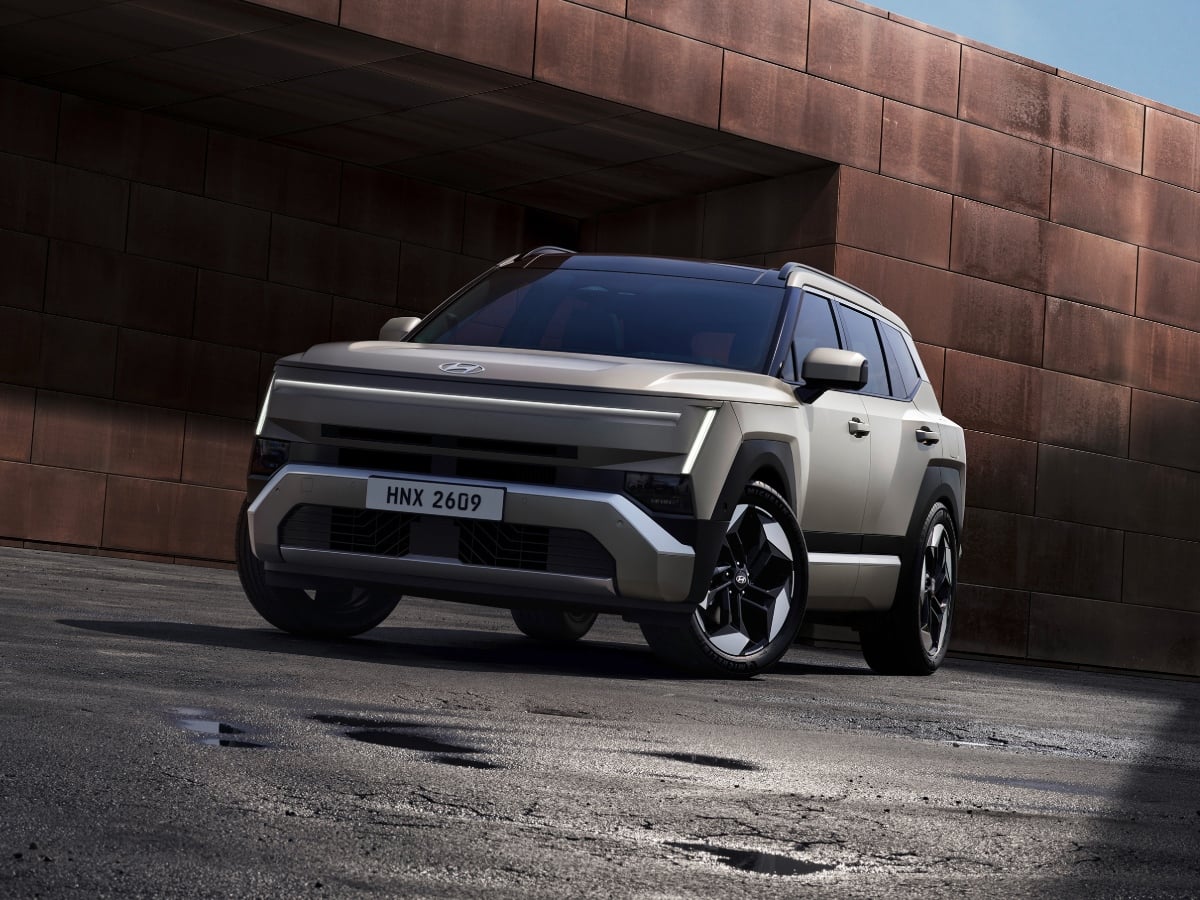
With a purposeful new design and some trail-ready upgrades, the 2027 Hyundai Tucson is pushing the brand's best-selling crossover SUV into more aggressive territory.
Read the Full Article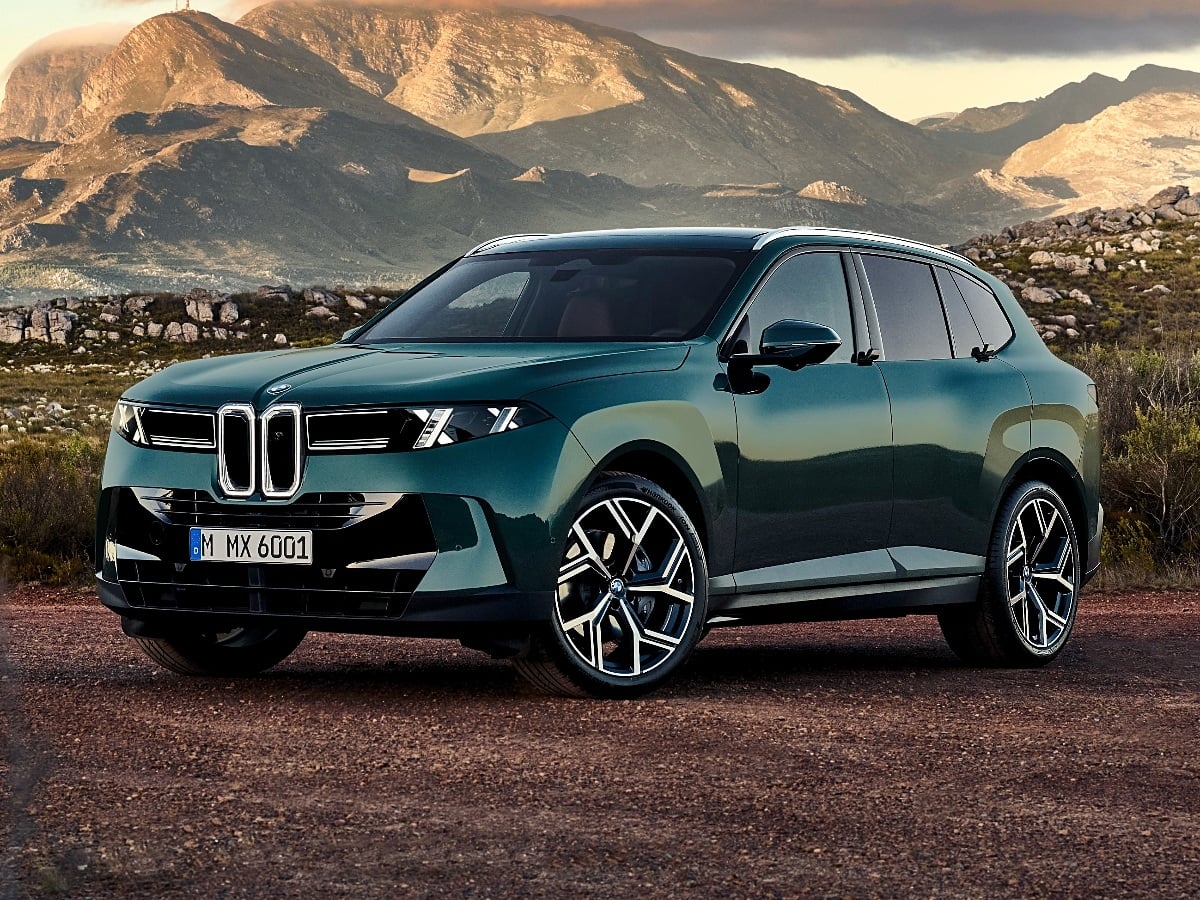
For more than 25 years, the BMW X5 has helped to define the luxury SUV segment. Now, the redesigned fifth-generation 2027 BMW X5 arrives with the automaker’s Neue Klasse styling, a roomier interior, ...See More
Read the Full Article
One of Lexus's most popular models, the NX crossover SUV is also one of the most affordable in the company’s lineup. The 2027 Lexus NX transitions to hybrid-only powertrains, and gets revised ...See More
Read the Full Article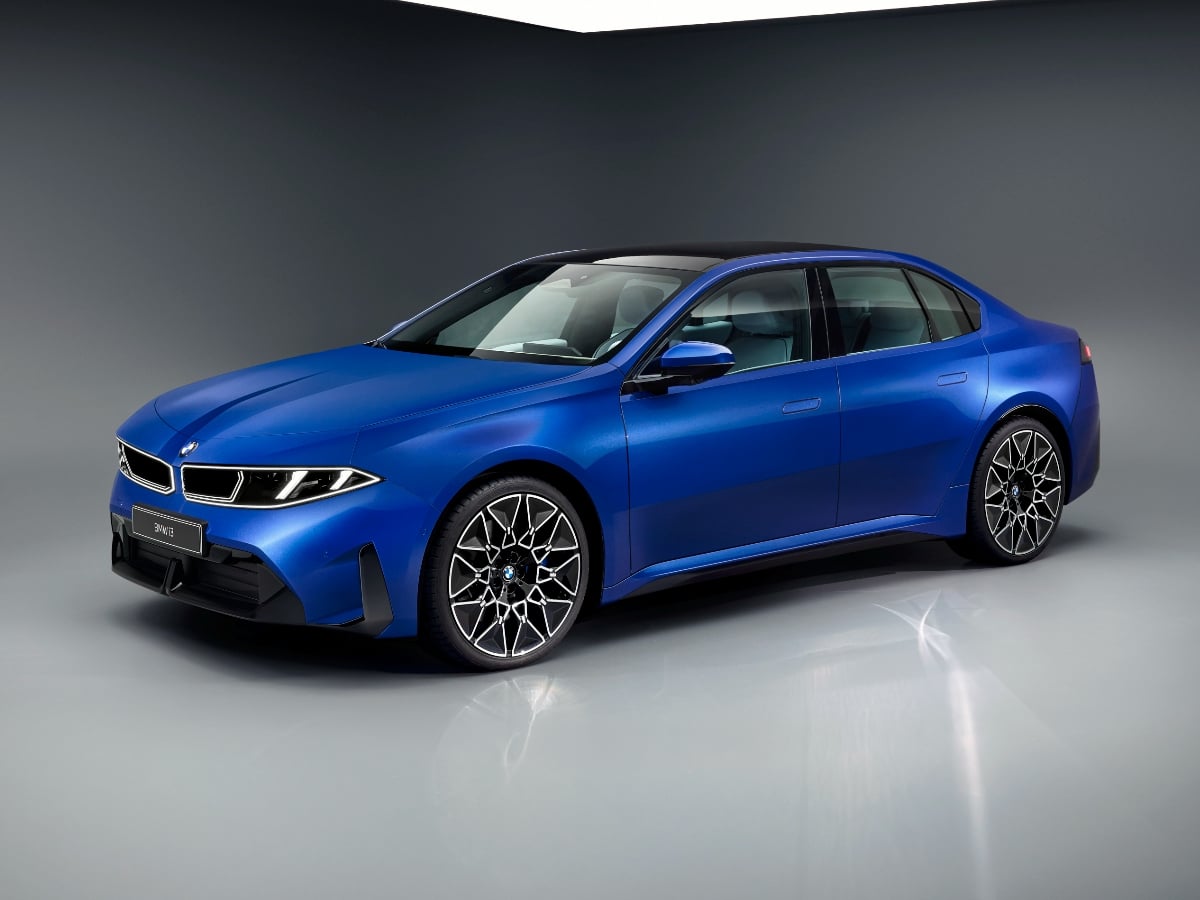
The new 2027 BMW i3 boasts an estimated range of up to 440 miles, 400-kilowatt DC fast charging capability, bidirectional charging to a home or the grid, and next-generation technology.
Read the Full Article