
Properly maintaining your Hyundai helps keep it in top condition and ensures your safety and the safety of your passengers, other drivers, and pedestrians. So, following Hyundai’s recommended schedule for maintenance services is crucial, and this article will discuss it in depth.

Hyundai’s recommended maintenance schedule caters to all models. However, various driving conditions and how you drive can impact the level and frequency of service you may need.
To help maintain your car's safety, reliability, and overall performance, you should send your car for inspection every 3,000 miles. Here, expect the mechanics to do the motor oil change and oil filter inspection, fluid checks and top-ups, and tire pressure checks. You should also ensure a multipoint check where a thorough car inspection is done.
At 7,500 miles or in 6 months, you should go through the 3,000-mile service and expect the technicians to make tire rotations, brake, and parking brake inspection and adjustment, and throttle chamber inspection, and addition of fuel and oil additives
After 12 months or at 15,000 miles, your car requires a major service. Here, the mechanics will take care of the same tasks as during the 7,500-mile service, tire inspection, alignment, and motor oil flushing. Other items include:
The 30,000-mile service includes a wide array of services such as motor oil change and oil filter and engine air filter replacement, fluid checks and top-ups, multi-point vehicle check, tire rotation and balancing, brake inspection as well as parking brake inspection and adjustment. Other items include:
At 60,000 miles, your car will be over five years old and require a more comprehensive service because most components will wear out and require a replacement or a thorough inspection. So, expect the following:
Additionally, the technicians will take care of the same maintenance items as the 60,000-mile service. A few additions to the item list include spark plug inspection and replacement, power steering fluid inspection and change, and a timing belt replacement if needed. Multi Point vehicle inspection and a safety inspection are also done.
Proper maintenance keeps your car in good condition. However, optimizing your personal maintenance routine and ensuring peak performance is vital. Here are a few things you should keep in mind.
Each day, spend some time checking your car's interior and exterior. It will help determine potential problems, such as worn-out wiper blades, hazy headlights, and tire pressure, and keep potential issues at bay.
As an owner, you should take the time to diagnose and solve problems as they arise to avoid costly repairs in the long run. Your dashboard lights may turn on as you drive to inform you about potential issues. You may feel the temptation to ignore them, but you shouldn’t, as it leads to further problems and undermines personal safety and vehicle reliability.
Oil changes enable your engine to run smoothly. Without regular oil changes, your engine will operate under increased friction since the oil accumulates dirt over time and may not lubricate and cool your engine. It puts additional strain on your engine and could lead to engine seizures.
Your car depends on several fluids to function. These fluids must be at the appropriate levels all the time. Therefore, check your brake fluid, transmission fluid, power steering fluid, and coolant for possible leakages, and top up as necessary.
The recommended tire pressure is essential for better handling and fuel efficiency and ensures the long service life of your tires. Most Hyundai vehicles have Tire Pressure Monitoring Systems that tell you whether or not your tires are inflated enough. So, check the pressure occasionally to ensure optimal performance and safety.
Apart from your car’s specific requirements, the way you drive and various driving conditions will determine the maintenance and frequency at which you may need these services. In any case, Hyundai’s recommended maintenance schedule caters to all models and should work for your car. All you need is to ensure that all recommended maintenance services are performed at the given intervals. Good maintenance practices like regular checks will also help keep your Hyundai in pristine condition.


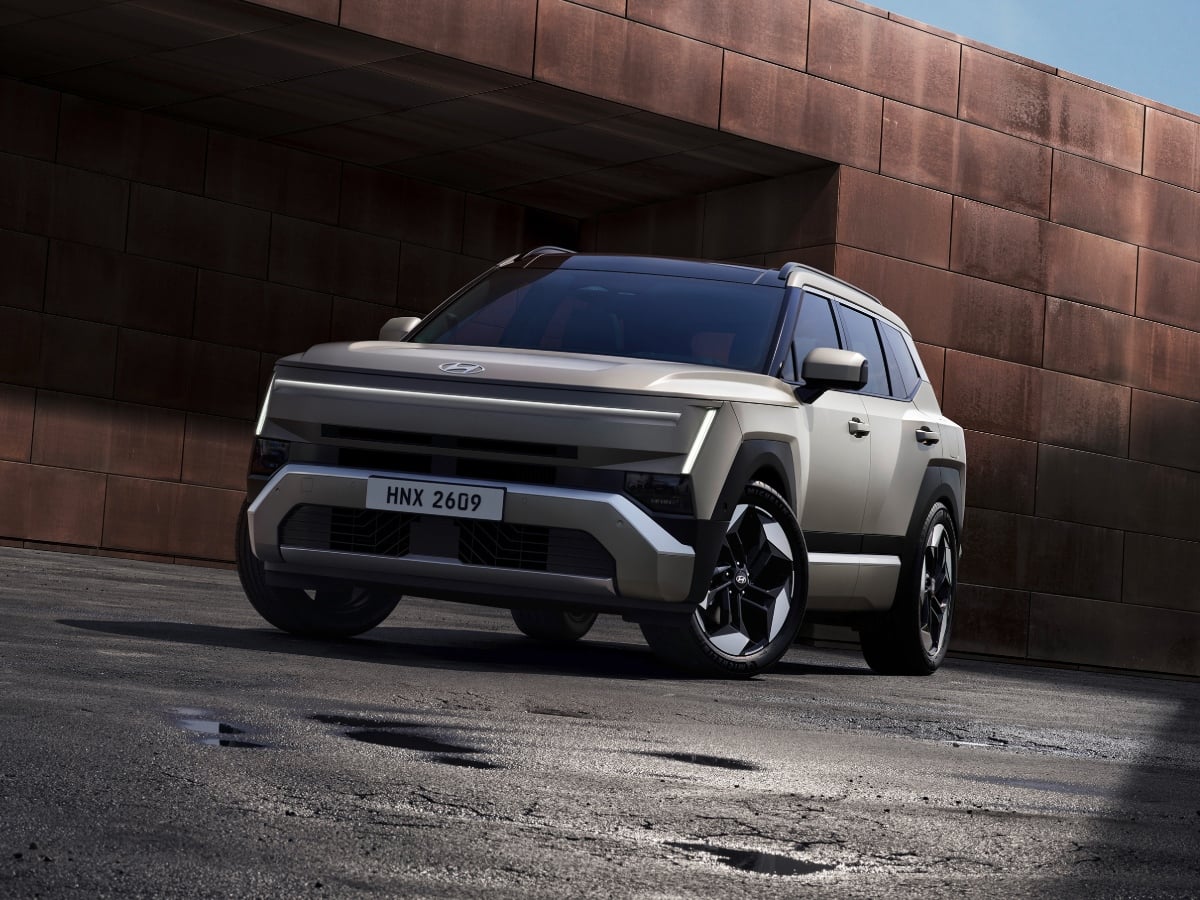
With a purposeful new design and some trail-ready upgrades, the 2027 Hyundai Tucson is pushing the brand's best-selling crossover SUV into more aggressive territory.
Read the Full Article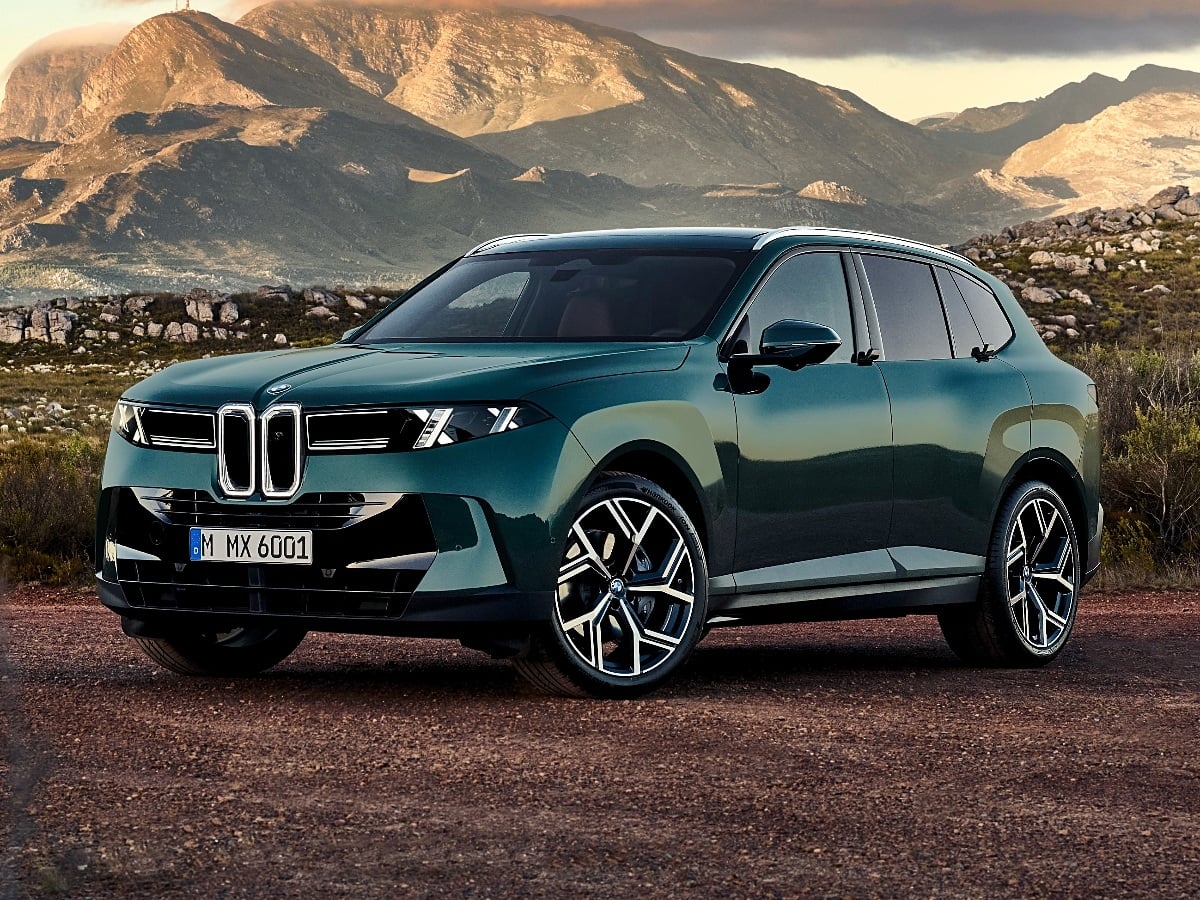
For more than 25 years, the BMW X5 has helped to define the luxury SUV segment. Now, the redesigned fifth-generation 2027 BMW X5 arrives with the automaker’s Neue Klasse styling, a roomier interior, ...See More
Read the Full Article
One of Lexus's most popular models, the NX crossover SUV is also one of the most affordable in the company’s lineup. The 2027 Lexus NX transitions to hybrid-only powertrains, and gets revised ...See More
Read the Full Article
The new 2027 BMW i3 boasts an estimated range of up to 440 miles, 400-kilowatt DC fast charging capability, bidirectional charging to a home or the grid, and next-generation technology.
Read the Full Article