
Oxidation is a chemical process that causes vehicle paint to break down over time from exposure to heat and oxygen. It is essentially a form of corrosion in which paint loses its oil content, and as a result, dries out. This process is gradual, but the effects can be severe.

As paint oxidizes, it becomes duller. The color loses its radiance, and the surface of the vehicle takes on a faded and chalky appearance. Cars with oxidation often look aged and worn. Oxidation eventually leads to the deterioration of the clearcoat, which can permanently dissolve the paint and make the body of the vehicle susceptible to rust.
Removing oxidation safeguards the paint, restores a vehicle’s luster, and can significantly increase resale value. You can do this in a cost-effective way that requires some easy-to-use tools and materials, as well as a good dose of patience.
To remove oxidation, you’ll need the following items, all of which you’ll find at your local auto parts store or the automotive/hardware sections of a big-box store:
First, wash your vehicle thoroughly. Eliminate any surface dirt, dust, or debris. Then park in a covered or shady area before proceeding. Broad daylight will heat the sheet metal and paint, which is undesirable when applying compound or polish.
Once the vehicle is dry, tape off all plastic and chrome molding and trim pieces near the oxidized area. Then apply a small amount of compound to the oxidized area and slowly work it into the paint with the electric buffer. Using a gentle circular motion, go over the area several times. With each pass, the brightness of the paint should start to come through. Do not rush.
When buffing, begin with the softest pad and the slowest setting. If the initial effort does not remove all of the oxidation, move to a more heavy-duty pad and a faster setting on the buffer. Once you complete the buffing process, wipe off the excess compound with a soft cloth or microfiber towel.
Follow the same process using car polish. Allow the buffer to gently work the polish over the entire affected area. This approach will bring an even higher level of shine and glossiness to the paint. Wipe down the area with a soft towel to remove any excess polish.
Finally, apply wax to the entire vehicle after it has been washed, buffed, and polished. This step will put a layer of protection over the paint and help prevent future oxidation. Apply the wax by hand using a soft cloth instead of a machine.
Often, the area where you’ve removed oxidation becomes more vibrant than the rest of the vehicle. In that case, perform a light buff and polish of the entire car to give it a consistent appearance.
To prevent oxidation in the future, it is essential to wax a vehicle once every month or two. This protective layer will keep paint from being exposed to oxygen and other elements. Also, it is best to keep a vehicle in a garage and out of sunlight. If a garage is not possible, consider using a car cover.



The new 2027 BMW i3 boasts an estimated range of up to 440 miles, 400-kilowatt DC fast charging capability, bidirectional charging to a home or the grid, and next-generation technology.
Read the Full Article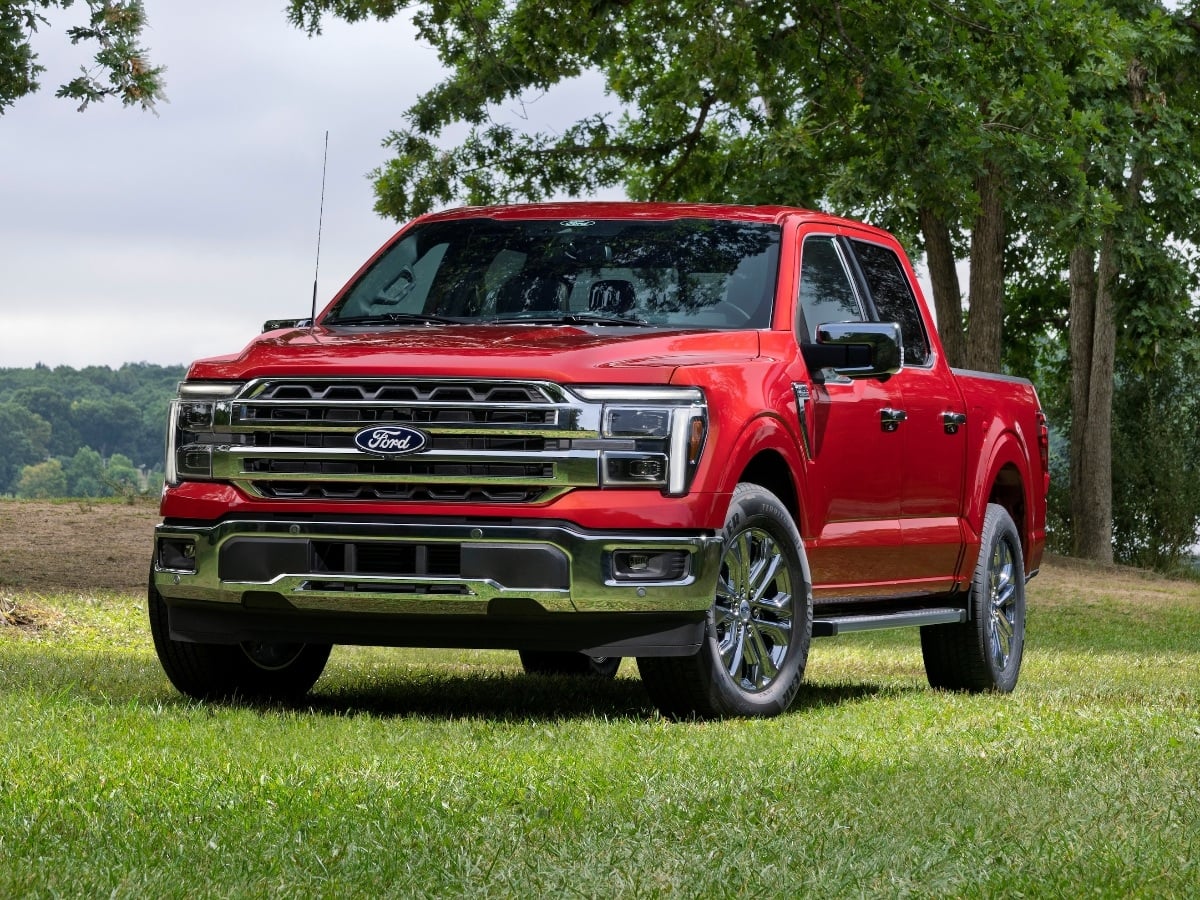
Facing renewed competition in the full-size, light duty pickup truck segment, the 2027 Ford F-150 receives subtle styling updates, a new standard engine, broader availability of its 5.0-liter V8, and ...See More
Read the Full Article
The 2027 Civic Type R goes on sale in October 2026, and it starts at $49,990, including the $1,295 destination charge.
Read the Full Article
Part of BMW’s Neue Klasse (new class) rollout of redesigned models, the 2027 BMW 3 Series is all-new and goes on sale in the first quarter of 2027.
Read the Full Article